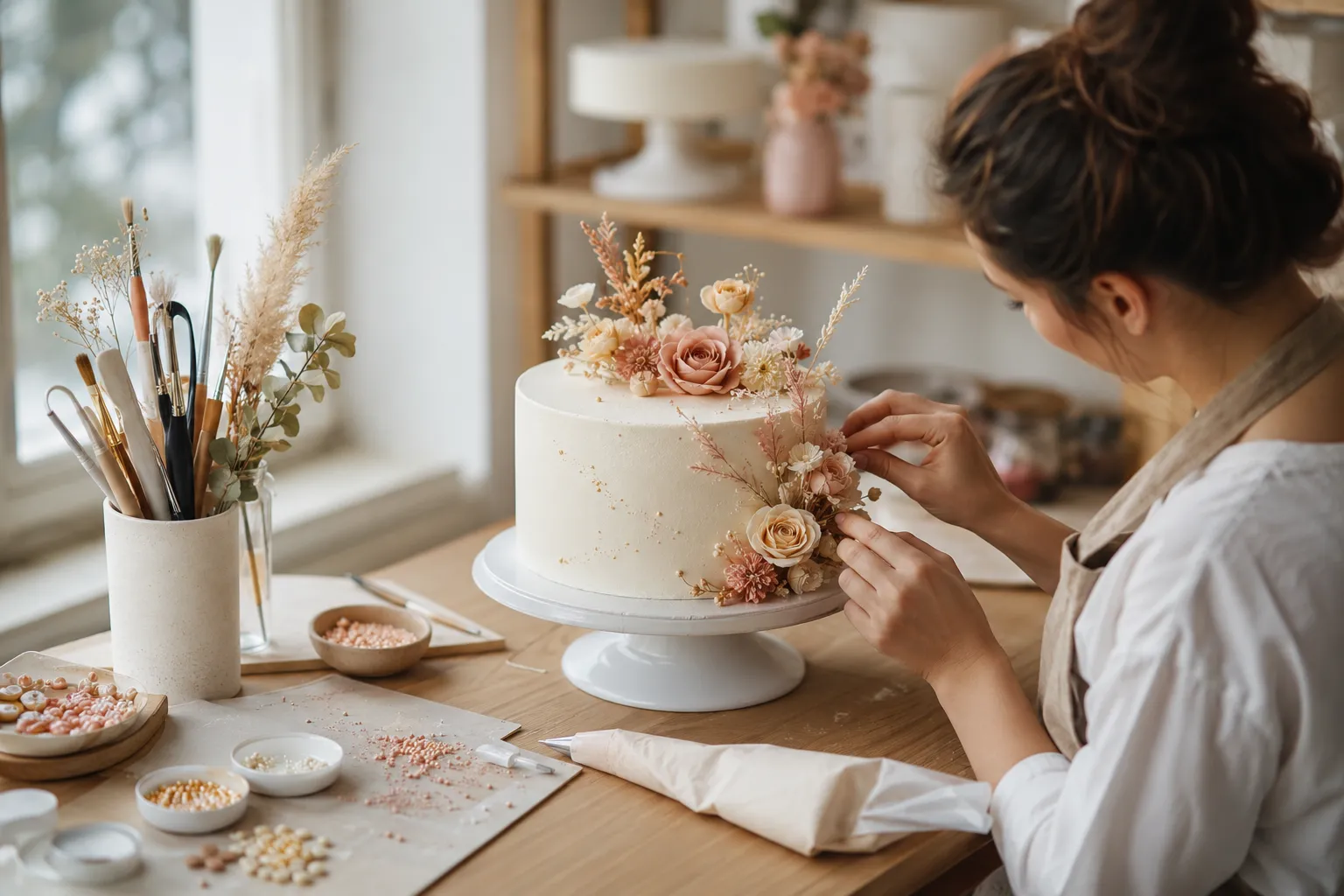

Handmade businesses once relied almost entirely on local referrals and repeat customers. Today, even the smallest creative brands operate in an environment shaped by digital storytelling, visual consistency, and online discovery. Whether someone is building a software tool, launching a niche blog, or crafting personalized cake toppers, the process of building trust online follows surprisingly similar patterns.
That shift has changed the way creators present their work. Customers no longer simply buy products. They follow creative journeys, compare presentation styles, and connect with the personality behind the brand. Businesses that understand this balance between craftsmanship and digital visibility often stand out more naturally in competitive spaces.
For creators working in handmade industries, this blend of artistry and branding can be seen clearly through businesses like Pearl's Creations, which specialises in custom cakes and personalised toppers across Australia. The business combines handcrafted detail with strong visual presentation, showing how creative work and digital identity now work together.
Handmade Businesses Now Operate Like Creative Studios
The internet has changed customer expectations around handmade products. Buyers no longer look only at the finished item. They pay attention to the creative process, packaging, photography, responsiveness, and consistency across every platform they visit.
This shift means many handmade businesses now function more like miniature creative studios. A custom cake artist may spend as much time refining presentation, planning visual themes, and updating online galleries as they spend creating the product itself.
That mirrors the way many developers and digital creators operate online. A programmer publishing technical tutorials on writeupcafe.com builds credibility through consistency and presentation in much the same way a handmade creator develops recognition through visual style and storytelling.
Modern audiences notice details quickly. Consistent colour palettes, recognizable photography styles, polished layouts, and behind-the-scenes content all contribute to stronger brand identity. Handmade brands that succeed online often understand that people remember experiences just as much as products.
For creative businesses specializing in event products, this matters even more because celebrations are deeply personal. Customers want designs that feel thoughtful and memorable rather than generic. That is one reason personalized cake toppers and custom celebration pieces continue attracting attention online. Businesses such as Pearl's Creations for beautiful cake toppers and cakes naturally fit into this growing preference for customized event styling and handcrafted presentation.
Creative Workflows Have Become More Structured
People often imagine creative businesses as spontaneous or unstructured, but many successful handmade brands operate with highly organized workflows. Custom orders require planning, revisions, scheduling, quality control, and communication.
That structure closely resembles the workflow behind digital products and software projects.
A cake topper designer may sketch concepts, review colour combinations, test materials, revise customer requests, and photograph finished pieces before delivery. Developers follow similar patterns through prototyping, testing, debugging, and deployment.
The overlap becomes even more noticeable when creators publish their work online. Process documentation has become part of the creative output itself.
Many independent creators now share drafts, progress updates, and production insights because audiences enjoy seeing how ideas evolve. Developers publish coding breakdowns. Designers upload concept sketches. Bakers and cake artists post decorating sequences and finishing details.
These process-focused posts help audiences feel connected to the work. They also build trust naturally because people gain insight into the amount of care involved behind the scenes.
This type of storytelling performs especially well on visual platforms. Businesses that specialize in detailed handcrafted products often benefit from showcasing texture, precision, and customization through photos and short-form content. Pearl's Creations, for example, highlights personalized toppers and decorative cakes that translate well into highly visual social content.
For digital creators interested in improving their own publishing consistency, resources on writeupcafe’s blogging section often discuss the value of maintaining a recognizable publishing style and documenting work clearly for readers.
Developers and Handmade Creators Share Similar Mindsets
At first glance, software development and handcrafted cake design appear completely unrelated. One is technical while the other is artistic. Yet the mindset behind both forms of work shares many similarities.
Both require patience, repetition, experimentation, and refinement.
A developer refining code structure understands the frustration of minor imperfections disrupting an otherwise polished project. Handmade creators experience similar challenges when small details affect the final presentation of a custom design.
Iteration becomes part of the process in both industries.
Creative professionals frequently revisit ideas multiple times before they feel complete. Adjustments happen constantly. Feedback influences outcomes. Experience gradually improves efficiency and confidence.
This shared mindset explains why creator-focused communities continue growing online. People appreciate seeing how others solve problems creatively, regardless of industry.
The rise of independent publishing platforms has helped fuel this connection. Sites such as writeupcafe’s developer community allow creators to document their work publicly, build authority gradually, and connect with audiences through useful insights rather than direct promotion.
Handmade brands increasingly adopt similar approaches. Instead of relying solely on advertisements, they share creative stories, design inspiration, and process content that builds familiarity over time.
Customers tend to respond more positively to brands that feel human and approachable. That emotional connection becomes especially valuable in industries centred around celebrations and milestones.
Social Media Has Changed Celebration Culture
Celebration styling has evolved rapidly over the past decade. Birthday cakes, wedding displays, and baby shower desserts are now photographed and shared widely online. As a result, customers often seek personalized details that help events feel distinctive.
Cake toppers have become part of that shift because they allow hosts to customize themes, names, colours, and messages without completely redesigning an entire cake.
Visual platforms have accelerated this trend significantly. Pinterest boards, Instagram galleries, and creator showcases constantly expose audiences to new ideas and decorative styles.
This has created greater appreciation for handmade craftsmanship. Customers increasingly value products that feel personal rather than mass-produced.
For small creative businesses, this trend creates opportunities to develop strong niche audiences. Brands that establish recognizable styles often benefit from repeat customers who return for multiple milestones and celebrations.
The relationship between creator and audience becomes more collaborative as well. Customers contribute ideas, request custom themes, and participate in the creative direction of projects.
That collaborative aspect mirrors many modern creator industries online. Developers build tools based on user feedback. Writers refine content based on audience engagement. Handmade creators adapt designs around individual customer stories and preferences.
The strongest brands in these spaces often succeed because they listen carefully and communicate clearly throughout the creative process.
Handmade Branding Now Depends on Storytelling
Years ago, simply offering a quality handmade product may have been enough to stand apart. Today, presentation and storytelling strongly influence how audiences discover and remember creative brands.
People connect with stories because stories create context.
A personalized topper becomes more meaningful when customers understand the craftsmanship involved behind the design. A custom cake feels more memorable when the creator shares the inspiration or creative detail involved in producing it.
This does not mean businesses need aggressive marketing. In many cases, subtle storytelling works better because it feels more authentic.
Independent creators who explain their process naturally often develop stronger audience trust over time. Readers and customers appreciate transparency, creative insight, and personality.
That principle applies across industries. Developers writing technical tutorials, designers building portfolios, and handmade artists documenting custom projects all benefit from consistency and clarity in the way they present their work.
Businesses like Pearl's Creations reflect how modern handmade brands combine visual creativity with online storytelling to remain visible in an increasingly crowded digital environment. Their emphasis on personalized cakes and handcrafted toppers demonstrates how creative businesses can maintain individuality while adapting to modern digital expectations.
As online platforms continue evolving, handmade businesses may increasingly resemble media brands as much as product businesses. Content, presentation, and storytelling now shape customer relationships just as strongly as the products themselves.
For creators across all industries, that shift creates an interesting challenge. Craftsmanship still matters deeply, but the ability to communicate creativity clearly has become equally valuable.






















Sign in to leave a comment.