Crawl spaces play a critical role in the health and stability of a property. When left exposed, these areas often collect moisture, leading to mold growth, structural decay, and higher energy costs. Expert crawl space encapsulation paired with effective moisture control creates a cleaner, drier environment that protects both residential and commercial properties. This guide explains what encapsulation involves, why it matters, and how it impacts long-term property health.
Crawl Space Encapsulation Explained
Encapsulation is a method of sealing a crawl space to prevent outside air and ground moisture from entering. The process involves installing a heavy-duty vapor barrier across the floors, walls, and sometimes the ceiling of the crawl space. Once sealed, the environment becomes controlled and easier to maintain.
Key Elements of Encapsulation
- Vapor barrier installation: A thick, tear-resistant material covers exposed soil and walls.
- Sealing vents and gaps: Openings are closed off to stop humid air from flowing inside.
- Dehumidification systems: Units regulate moisture levels after sealing is complete.
Encapsulation vs. Basic Vapor Barrier
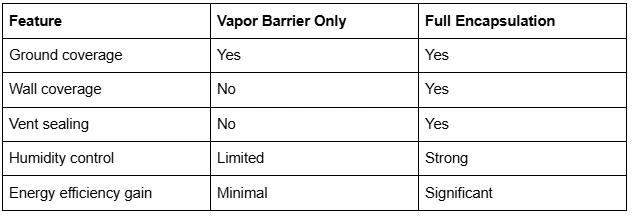
Encapsulation is more comprehensive than laying down a simple vapor barrier. A barrier covers only the ground, while encapsulation creates a full enclosure of the crawl space. The result is better control over moisture, temperature, and air quality.
Why Moisture Control Matters in Crawl Spaces
Uncontrolled moisture in a crawl space can create serious property issues. Excess humidity encourages mold growth, wood rot, and pest activity. It also raises indoor humidity, which increases heating and cooling costs.
Structural and Indoor Risks
Moisture buildup can weaken floor joists, beams, and subflooring. Mold spores often spread into the living space above, triggering health concerns for occupants. Termites and other pests are also more likely to infest damp environments.
Energy Efficiency Impact
An unsealed crawl space lets humid air seep into the home or building. HVAC systems must work harder to maintain comfortable indoor conditions. Encapsulation and dehumidification reduce this strain, lowering monthly utility bills.
Step-by-Step Crawl Space Encapsulation Process
Encapsulation is not a one-step task. Each stage builds on the previous to create a sealed and controlled environment.
Step 1: Inspection and Preparation
Before sealing begins, the crawl space must be inspected for water intrusion, structural damage, or existing mold. Any issues are addressed before moving forward.
Step 2: Ground and Wall Sealing
A reinforced vapor barrier is installed across the soil and secured to the walls. Seams are taped and sealed to prevent leaks.
Step 3: Vent and Gap Closure
All external vents, cracks, and penetrations are sealed to stop outside air from entering.
Step 4: Insulation and Thermal Control
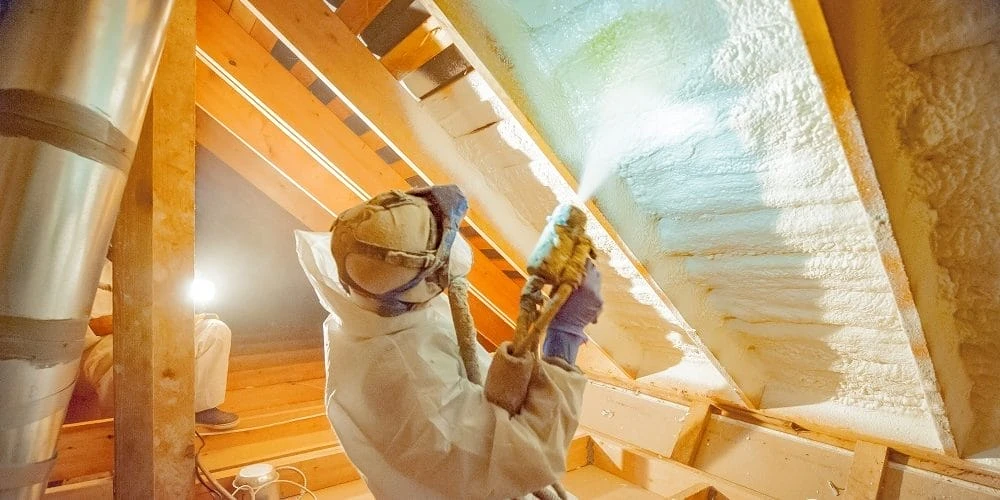
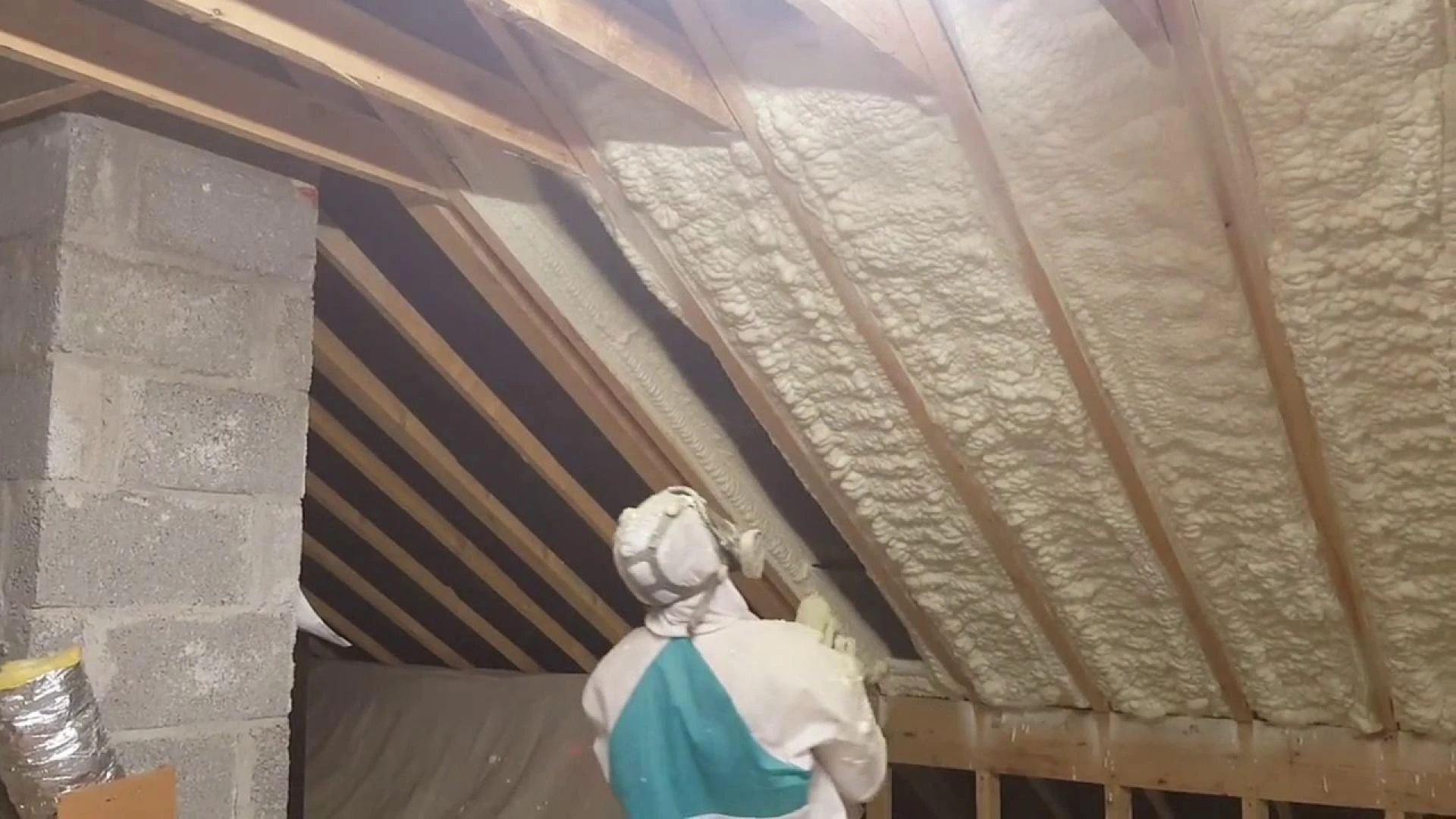
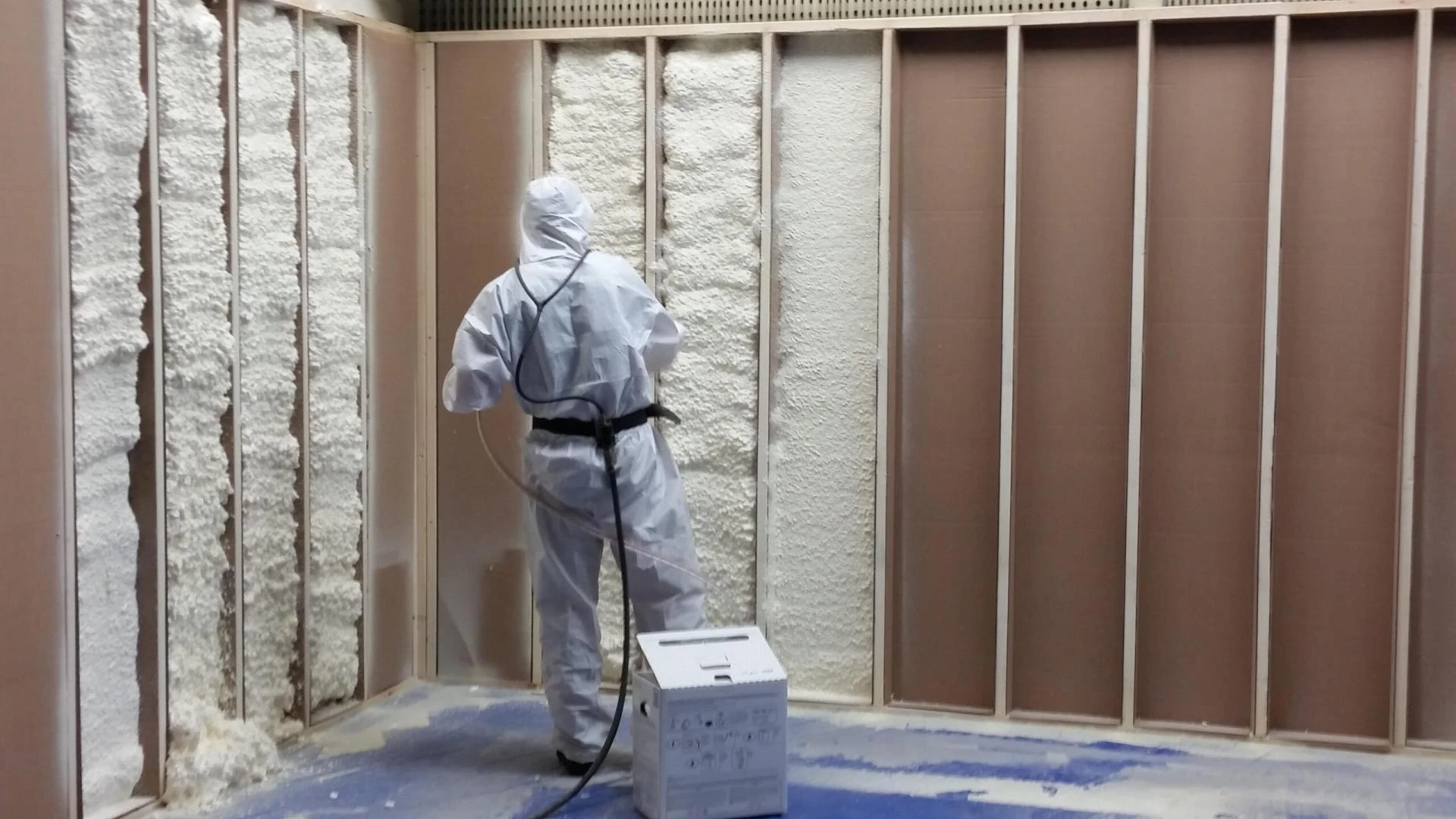
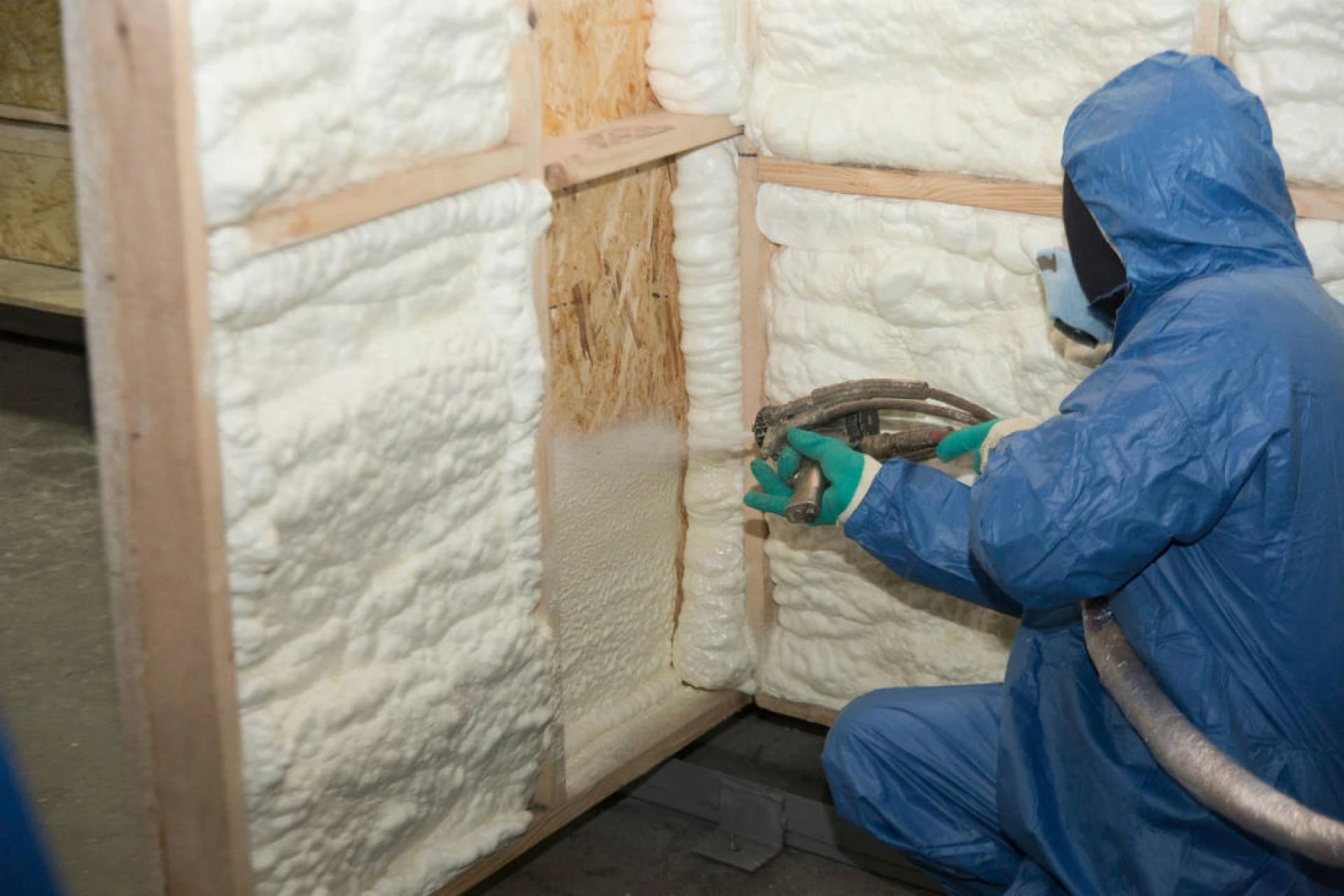
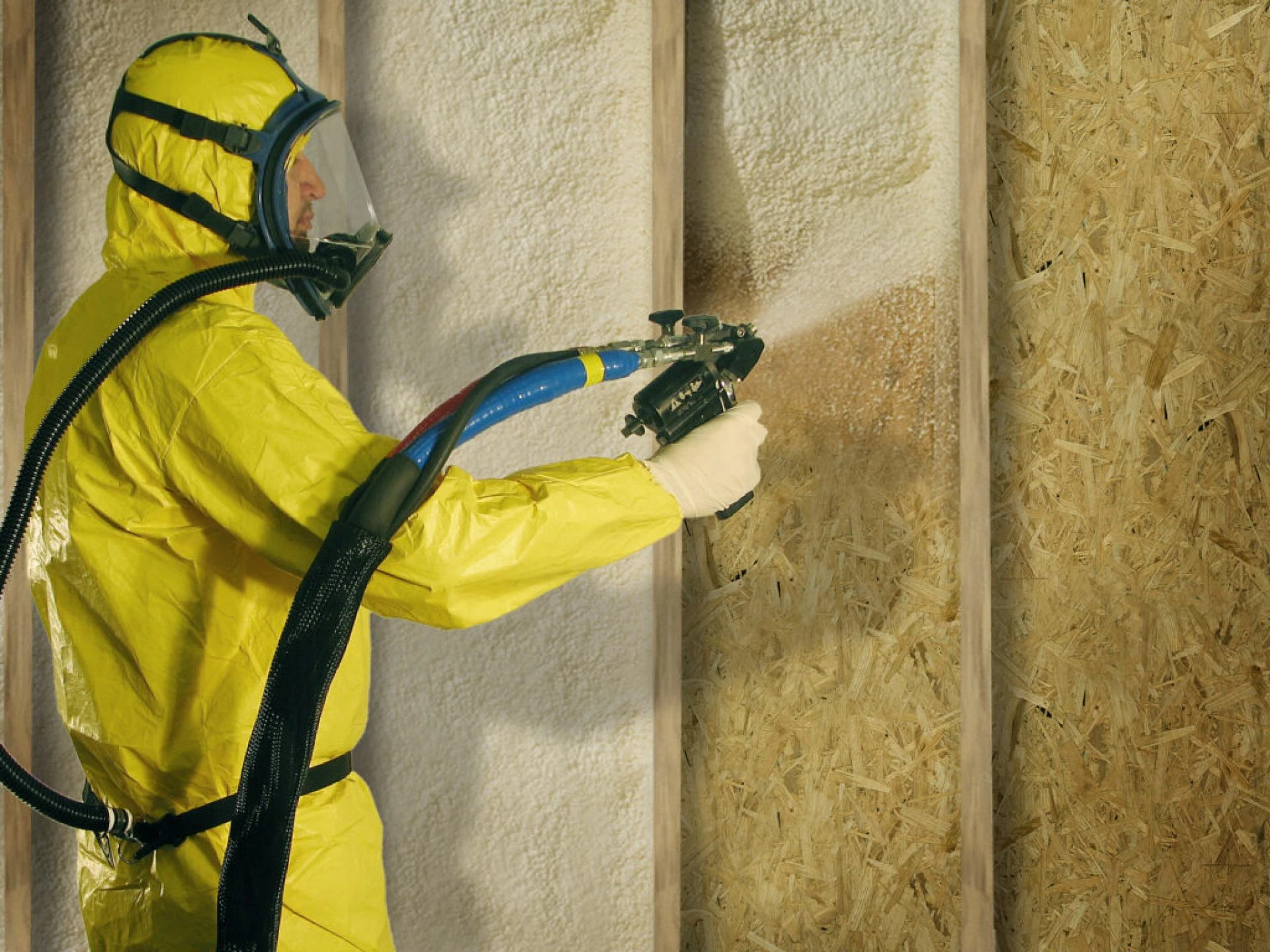
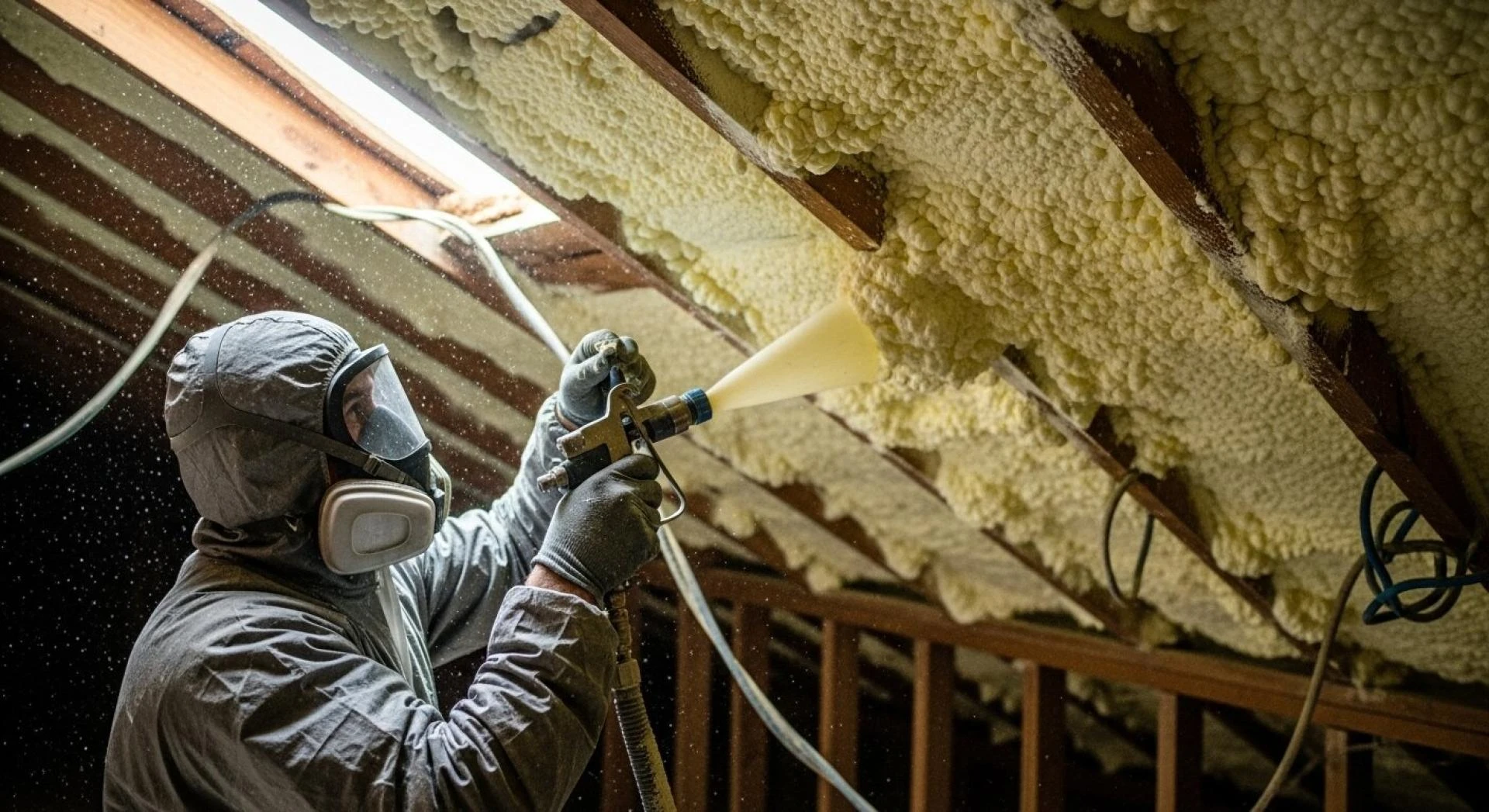
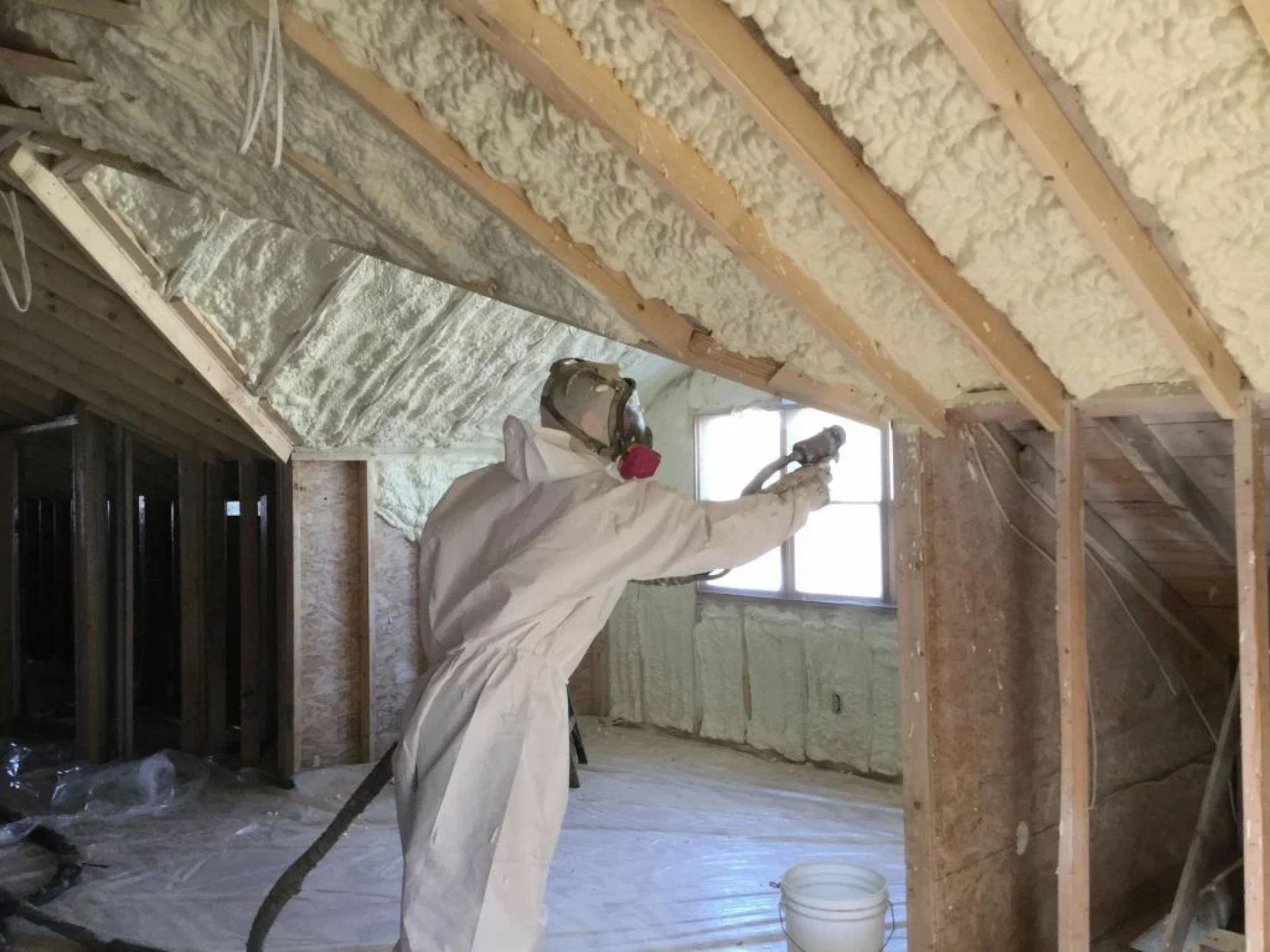
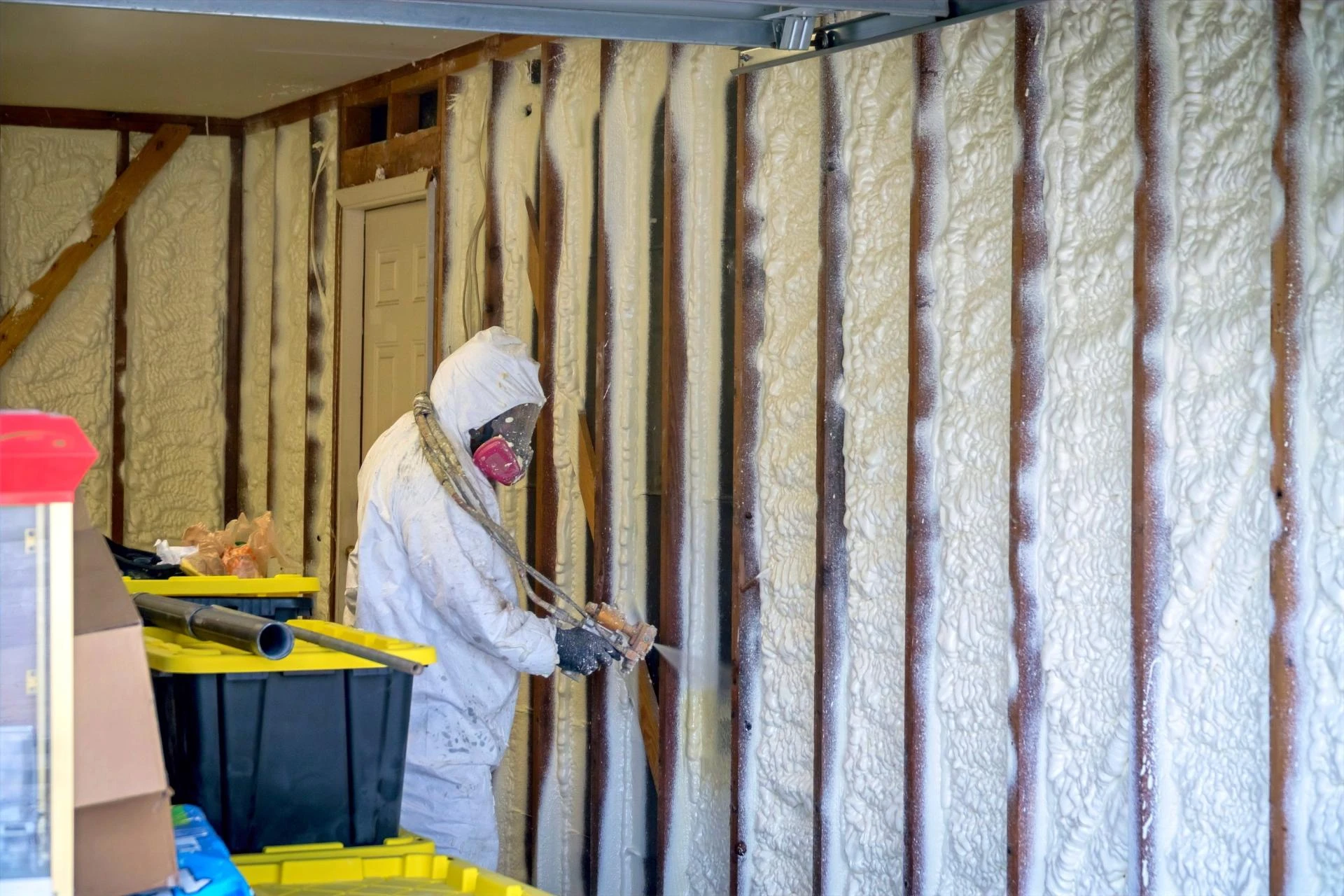
Rigid foam or spray foam insulation may be applied to walls to improve energy efficiency. This step reduces heat loss through the crawl space.
Step 5: Moisture and Humidity Regulation
A dehumidifier or drainage system is often installed to keep the space dry year-round.
Long-Term Benefits of Encapsulation and Moisture Control
The investment in encapsulation offers both immediate and long-lasting value.
Improved Indoor Air Quality
Since nearly half of indoor air can originate from a crawl space, sealing it prevents mold spores and allergens from circulating into living areas.
Stronger Structural Integrity
Dry conditions slow the decay of wooden beams and flooring systems, extending the lifespan of the structure.
Energy Cost Reduction
By stabilizing humidity and temperature, HVAC systems use less energy, creating measurable savings on utility bills.
Increased Property Value
Properties with encapsulated crawl spaces are more attractive to buyers, as the upgrade signals preventative care and lower maintenance risks.
Common Misconceptions About Encapsulation
There are several misunderstandings about crawl space treatments. Clarifying them helps property owners make informed decisions.
Encapsulation Traps Moisture Inside
When paired with a dehumidifier, encapsulation removes excess moisture rather than trapping it.
Crawl Spaces Need Ventilation, Not Sealing
Older building codes required vents, but modern building science shows vents often increase humidity. Sealing and conditioning provide better results.
A Simple Vapor Barrier is Enough
While vapor barriers help, they do not fully address humidity, airflow, or energy inefficiency. Full encapsulation creates a more reliable solution.
Conclusion
Crawl space encapsulation with proper moisture control creates lasting protection for both residential and commercial properties. By sealing walls, floors, and vents, adding insulation, and regulating humidity, property owners reduce mold risks, improve air quality, and increase structural longevity. The investment delivers both immediate comfort and long-term cost savings when completed by a trusted spray foam insulation company.
Whether for a single-family home or a large commercial building, encapsulation is a proven method for keeping crawl spaces dry and functional. Proper planning, installation, and ongoing humidity control make the difference between a temporary fix and a permanent improvement.
FAQs
What is the main purpose of crawl space encapsulation?
Encapsulation prevents outside air and ground moisture from entering a crawl space. This keeps the area dry, reduces mold risks, and stabilizes indoor air quality.
Does crawl space encapsulation prevent mold growth?
Yes. By controlling humidity and sealing the environment, encapsulation reduces the conditions mold needs to develop. Adding a dehumidifier makes the protection stronger.
How does encapsulation affect energy efficiency?
Sealed crawl spaces prevent humid air from infiltrating the building. HVAC systems run more efficiently, leading to lower heating and cooling costs.
Is crawl space encapsulation permanent?
With quality materials and proper installation, encapsulation lasts many years. Maintenance includes checking seals, inspecting the vapor barrier, and servicing dehumidifiers.
Can commercial buildings benefit from encapsulation?
Yes. Large properties gain the same benefits as homes: lower moisture levels, improved indoor air quality, and stronger structural protection.
Author: Wil Perkins is the founder of Peninsula Insulation and a long-time resident of Easton, Maryland. With a hands-on approach and nearly five years in the insulation business, Wil leads a team known for professional service and quality work. He’s committed to providing the best spray foam insulation solutions and lasting results for every project.
Reviewer: Emily Martinez has 12 years of experience in spray foam insulation. She reviewed this article and suggested ways to make the content more useful for contractors looking to grow their customer base.


























Sign in to leave a comment.