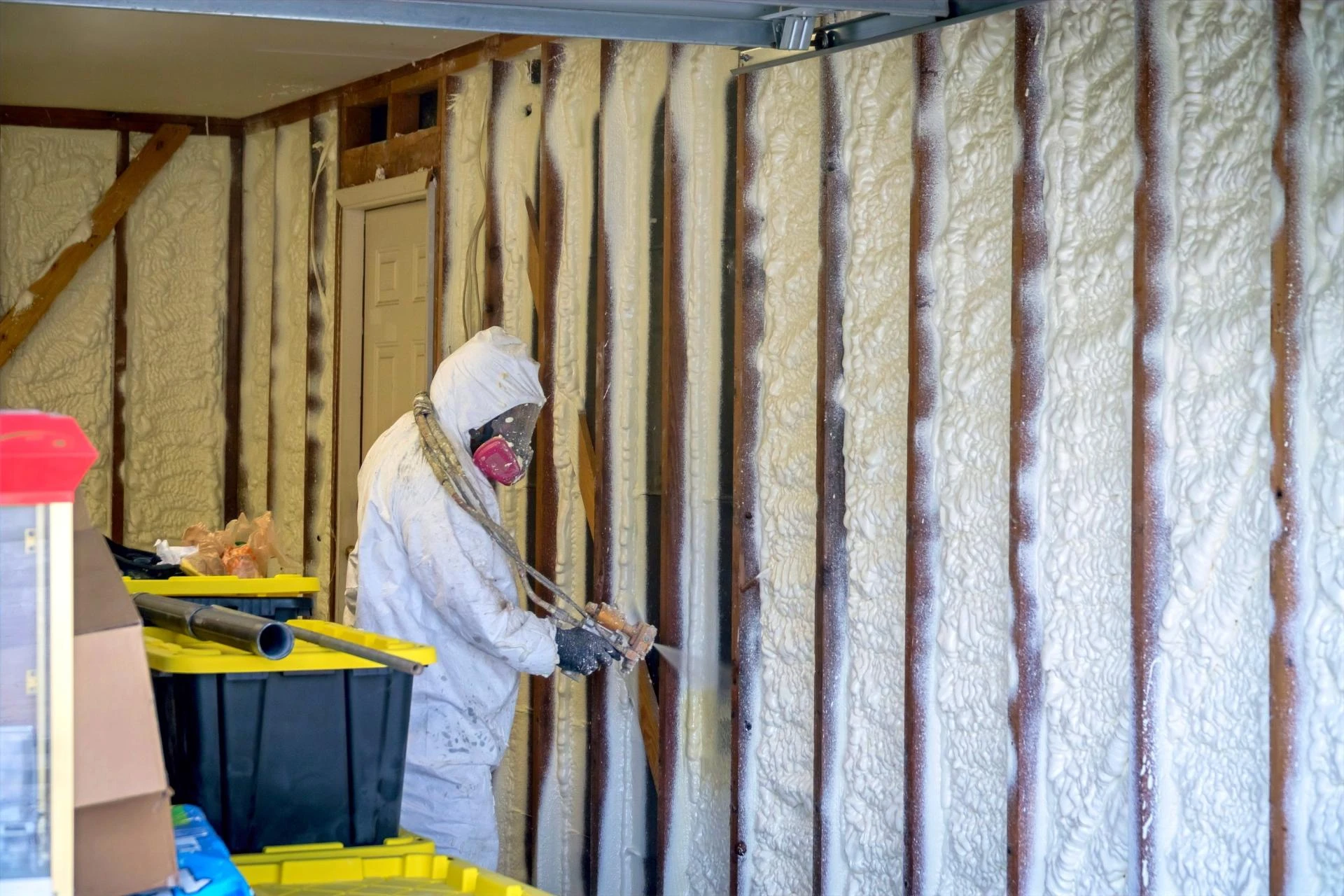
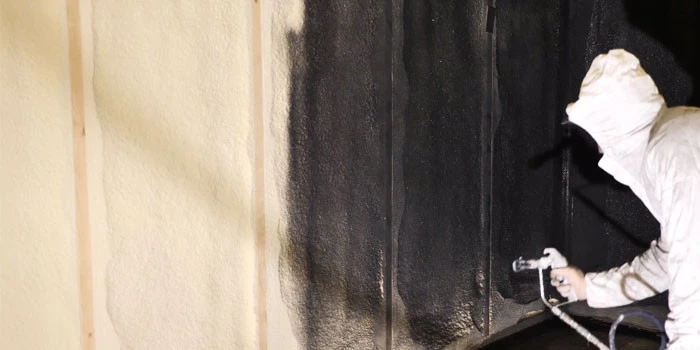
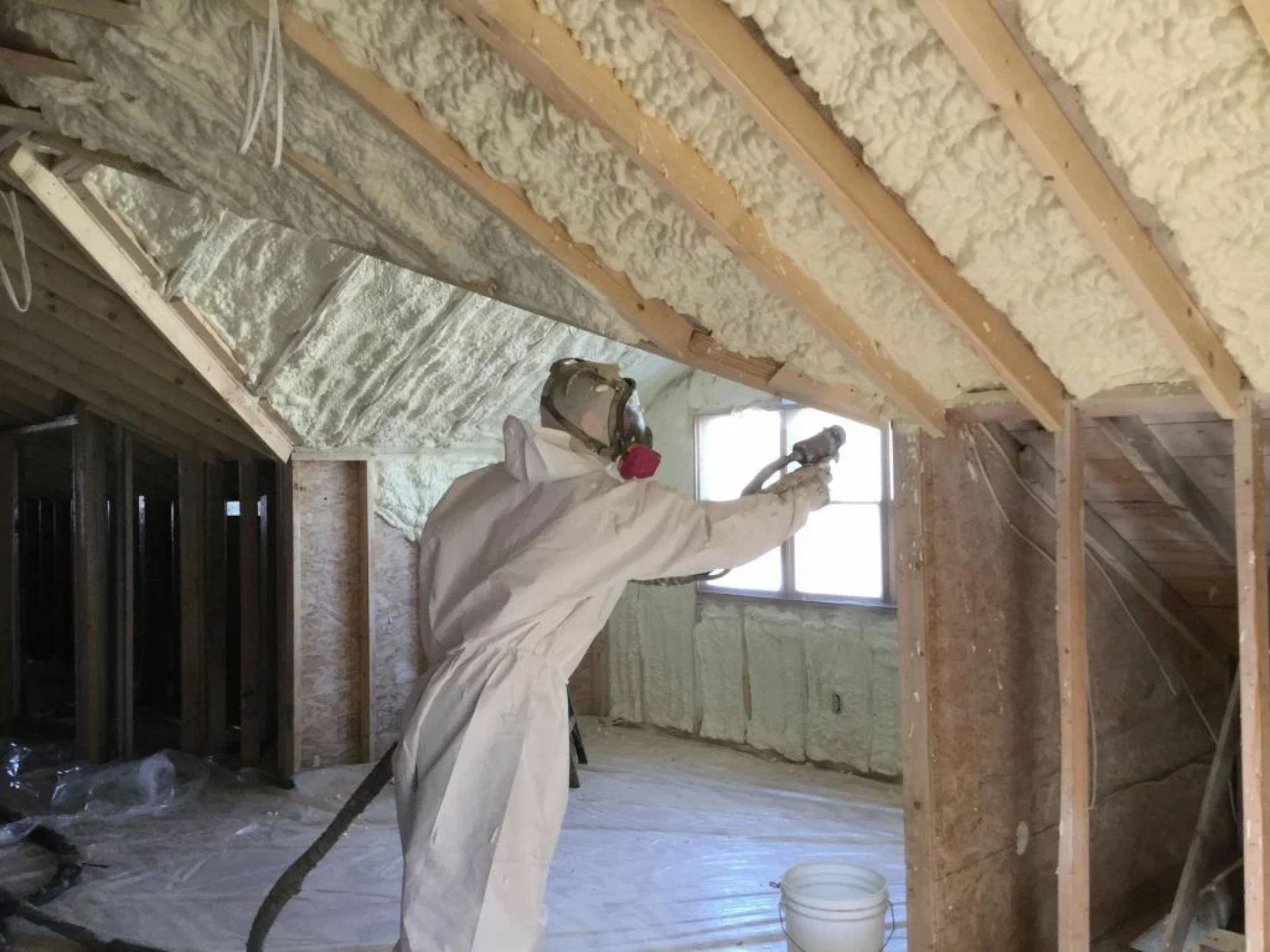
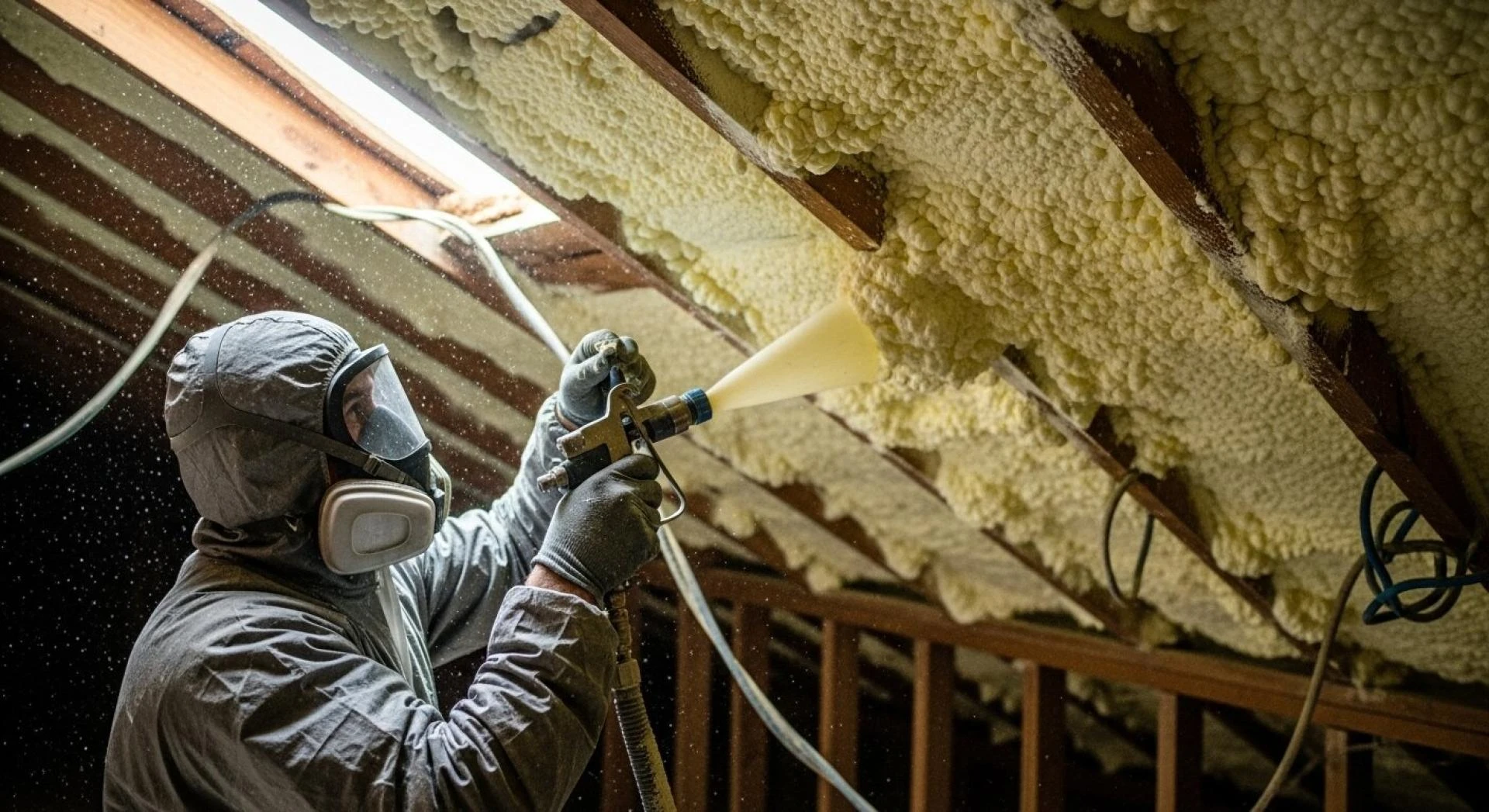
Homeowners in Glen Burnie often deal with high humidity and shifting seasonal temperatures, which put a lot of strain on their cooling and heating systems. Spray foam insulation services in Glen Burnie, MD provide an airtight barrier that stops outside air from entering through small cracks in the attic or crawl space. This material expands to fill every corner, making it much more effective at stopping drafts than older fiberglass or cellulose insulation.
Local experts find that this type of sealing creates a more stable indoor environment while also protecting the physical structure of the building. Because the material bonds directly to surfaces, it helps keep moisture and outdoor pollutants from sneaking into living areas. This level of coverage is particularly helpful for residents living near the water who face constant dampness and salt air throughout the year.
Environmental Factors Affecting Glen Burnie Homes
The climate in Anne Arundel County brings a mix of freezing winters and sweltering, muggy summers that can wear down a house over time. High humidity levels often lead to moisture getting trapped inside walls, which can cause wood to rot or paint to peel prematurely. Professional installers use spray foam insulation to create a shield that blocks this humid air from settling in sensitive areas like the basement or roofline.
Building data shows that nearly 40 percent of a home's energy loss occurs because of air leakage through the ceiling and floors. By addressing these leaks with an expanding foam product, property owners can see a noticeable drop in their monthly utility bills. These services also help reduce the strain on HVAC systems, allowing them to last longer without needing expensive repairs or replacements.
Managing High Coastal Humidity
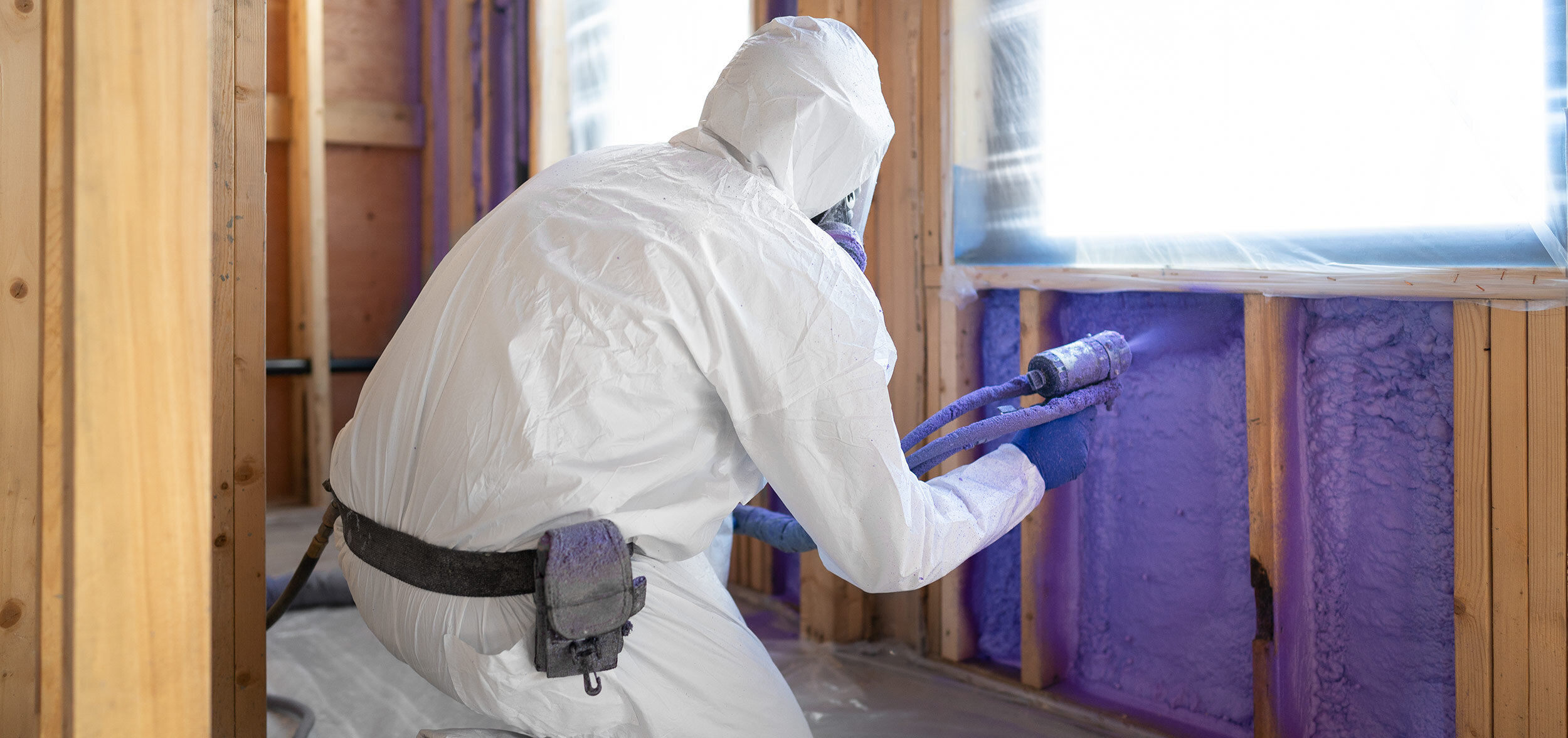
Proximity to the Patapsco River and the Chesapeake Bay means that Glen Burnie residents often struggle with high dew points during the summer months. When warm, moist air meets the cooler surfaces inside a home, it creates condensation that can damage drywall and insulation. Closed-cell foam acts as a vapor barrier that prevents this moisture from moving through the wall cavity and causing hidden damage.
- The material does not absorb water like fiberglass batts, so it will not lose its effectiveness if a small leak occurs in the roof or plumbing.
- By sealing the gaps where pipes and wires enter the home, the foam prevents insects and small pests from finding an easy way inside the house.
- The airtight seal also helps block outdoor allergens and dust from blowing into the rooms, which can lead to better air quality for the family.
- Because the foam stays in place once it cures, it will not sag or settle over time, meaning the protection stays consistent for the life of the building.
Preventing Condensation in Walls
When the temperature outside drops quickly at night, the air inside wall cavities can cool down and release moisture. This hidden condensation often leads to the growth of mold or mildew behind the scenes, which can affect the health of everyone in the house. Specialized foam products fill these voids completely, leaving no room for air to circulate and dump its moisture on the studs or sheathing.
Professional Installation Tip
Experienced spray foam insulation contractors often suggest that property owners look at their attic floor and rim joists as the first priority for sealing. These areas are the biggest culprits for air exchange, where the "stack effect" pulls cold air in from the bottom and pushes warm air out through the top. Starting in these spots provides the fastest return on the investment by stopping the most aggressive air leaks immediately.
Regional Weather Considerations
Maryland weather is unpredictable, with heavy rain and wind being common during the spring and fall seasons. Houses that are not sealed properly can feel drafty and uncomfortable even when the thermostat is set to a high temperature. Using a material that provides both a thermal break and an air seal ensures that the house stays cozy regardless of what is happening outside.
| Feature | Spray Foam | Traditional Materials |
|---|---|---|
| Air Sealing | Built-in complete seal | Requires extra tape or caulk |
| Moisture Resistance | High resistance to water | Low resistance and can mold |
| Expected Lifespan | Decades without settling | Often sags or needs topping off |
| Application Speed | Fast application in tight spots | Can be difficult to fit in gaps |
Structural and Moisture Benefits
Beyond just keeping the house warm or cool, spray foam actually adds a level of physical strength to the walls and roof. Closed-cell options are quite dense and bond the rafters and wall studs together, which can help a home better withstand high winds during coastal storms. This added rigidity is a major benefit for older homes in the area that might have slightly weakened framing or older construction styles.
Market research suggests that well-insulated homes can see an increase in resale value ranging from 2 to 6 percent. Buyers are often looking for properties that have modern upgrades and lower operating costs, making this a smart long-term financial move. Many professional teams, such as those at Peninsula Insulation, focus on these structural benefits to help homeowners protect their largest financial investment.
Blocking Outdoor Noise
Another advantage that people often overlook is the way foam can dampen sound coming from the street or neighbors. Glen Burnie has many busy roads and residential areas where car engines and lawnmowers can be a daily distraction. The foam's thick, dense nature helps absorb these sound waves, making the home's interior feel much quieter and more private.
Things to Consider Before Making a Decision
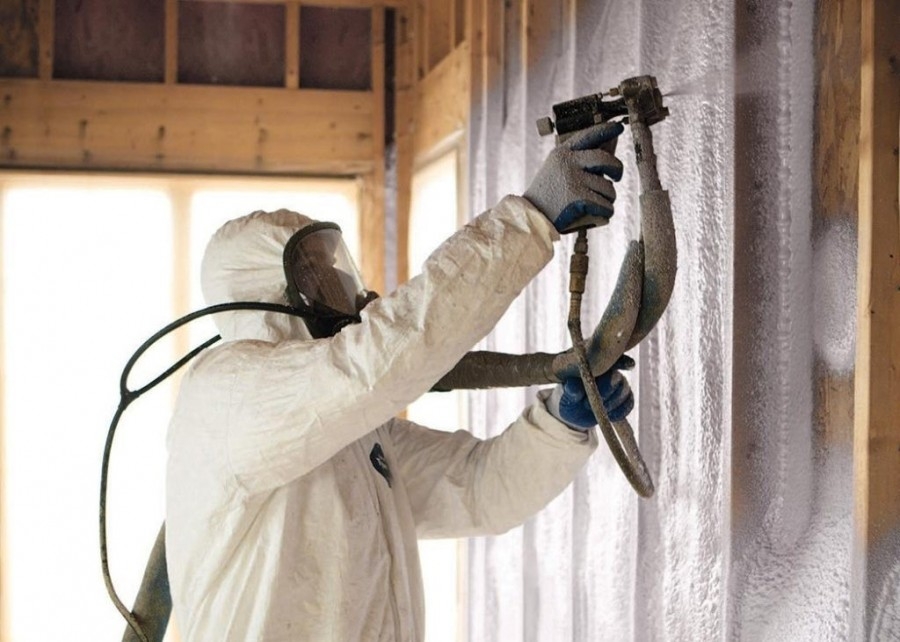
Choosing the right type of insulation requires looking at several factors beyond just the initial price tag of the service. Homeowners should think about the specific problems they are trying to solve, such as cold floors or high summer cooling costs. It is also important to verify that the people doing the work have the right equipment to ensure the product is applied at the correct temperature and thickness.
- Evaluate whether open-cell or closed-cell foam is better for the specific location, as each has different strengths regarding moisture and cost.
- Check the ventilation in the home to ensure that the air stays fresh once the building is sealed tight against outside drafts.
- Look for contractors with a deep understanding of Maryland building codes and local weather patterns to achieve the best results.
- Consider the long-term energy savings, which often pay for the cost of the professional installation within a few years of regular use.
Final Thoughts on Protecting Your Home
Investing in quality insulation is one of the most effective ways to improve the comfort and durability of a house in Glen Burnie. By creating a total seal against the elements, homeowners can avoid the common issues of mold, high energy bills, and uncomfortable drafts. It is always a good idea to have an expert look at the property to determine where the biggest leaks are occurring and which type of foam will offer the best protection.
Getting Professional Help for Your Project
For those ready to improve their home's efficiency, reaching out to a local specialist is the best next step. They can provide a detailed look at the attic or crawl space and explain how different solutions will work for your specific house layout. Residents in the area often turn to the team at Peninsula Insulation for their expertise in handling coastal Maryland weather. You can contact them directly by calling (410) 770-2624 or by sending an email to [email protected] to discuss your project needs. Taking action now can lead to a more comfortable and cost-effective home for many years to come.
Questions About Home Insulation
Does spray foam ever need to be replaced?
Unlike fiberglass, which can settle or get dusty over time, spray foam is designed to last for the life of the home. It remains stuck to the surfaces where it was applied and does not shrink or lose its shape under normal conditions.
Can it be installed in an existing home?
Yes, it is very common to add this to older attics, crawl spaces, and even wall cavities through small holes. This makes it an excellent choice for renovations where the homeowner wants to improve comfort without tearing down all the drywall.
Will it help reduce my air conditioning costs in the summer?
Absolutely, because it keeps the hot, humid Maryland air from entering the attic, which is often the hottest part of the house. By keeping the attic cooler, the air conditioner does not have to work nearly as hard to keep the rest of the rooms comfortable.
Is it safe for the environment and my family?
Once the foam has fully cured, which usually happens within 24 hours, it is an inert material that does not release gases. It also helps the environment by significantly reducing the amount of fuel or electricity needed to heat and cool the building.
Does it stop pests from entering?
While it is not a pesticide, the hard surface and airtight seal make it very difficult for mice, spiders, and insects to find a way inside. They cannot squeeze through the tiny cracks that the foam has filled, which naturally keeps the home cleaner.
Author: Wil Perkins is the founder of Peninsula Insulation and a long-time resident of Easton, Maryland. With a hands-on approach and nearly five years in the business, Wil leads a team known for professional service and quality work.
Reviewer: Emily Martinez has 12 years of experience in spray foam insulation. She reviewed this article and suggested ways to make the content more useful for property owners looking to improve their home's performance.
























Sign in to leave a comment.