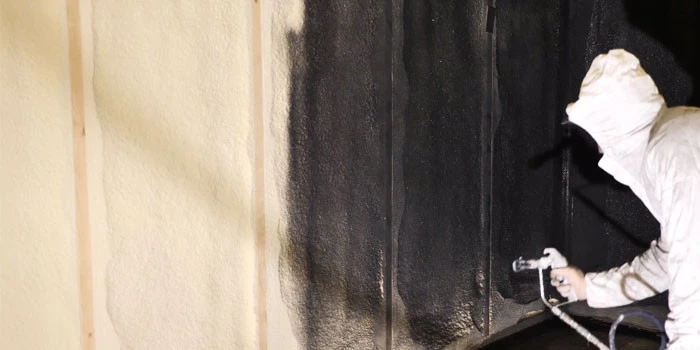

The most overlooked part of a thermal barrier system is air sealing continuity. Many buildings have insulation, but they still lose energy because air moves around and through that insulation. When air is not controlled, thermal performance drops fast.
Quick answers that matter most
- Insulation without air sealing cannot perform as designed.
- Small gaps can cause large energy and moisture losses.
- Continuous air control improves comfort, durability, and efficiency.
Insulation Without Air Control = Energy Loss
A thermal barrier system only works when heat flow and air movement are both controlled. Many homes focus on insulation thickness but ignore how air moves through the building shell.
Air carries heat and moisture. When it leaks through walls, attics, or rim joists, it bypasses insulation. This reduces R-value in real-world conditions.
According to guidance from the U.S. Department of Energy, air leakage can account for up to 30 percent of heating and cooling energy loss in homes. That loss happens even when insulation levels look adequate.

Why Air Sealing Gets Missed
Air leaks are hidden. They sit behind drywall, above ceilings, and below floors.
Common reasons they are overlooked include:
- Insulation is visible, air leaks are not.
- Traditional materials do not stop airflow.
- Builders focus on R-value instead of system performance.
The outcome is predictable. Higher bills. Uneven comfort. Shorter equipment life.
What Part of a Thermal Barrier Fails First?
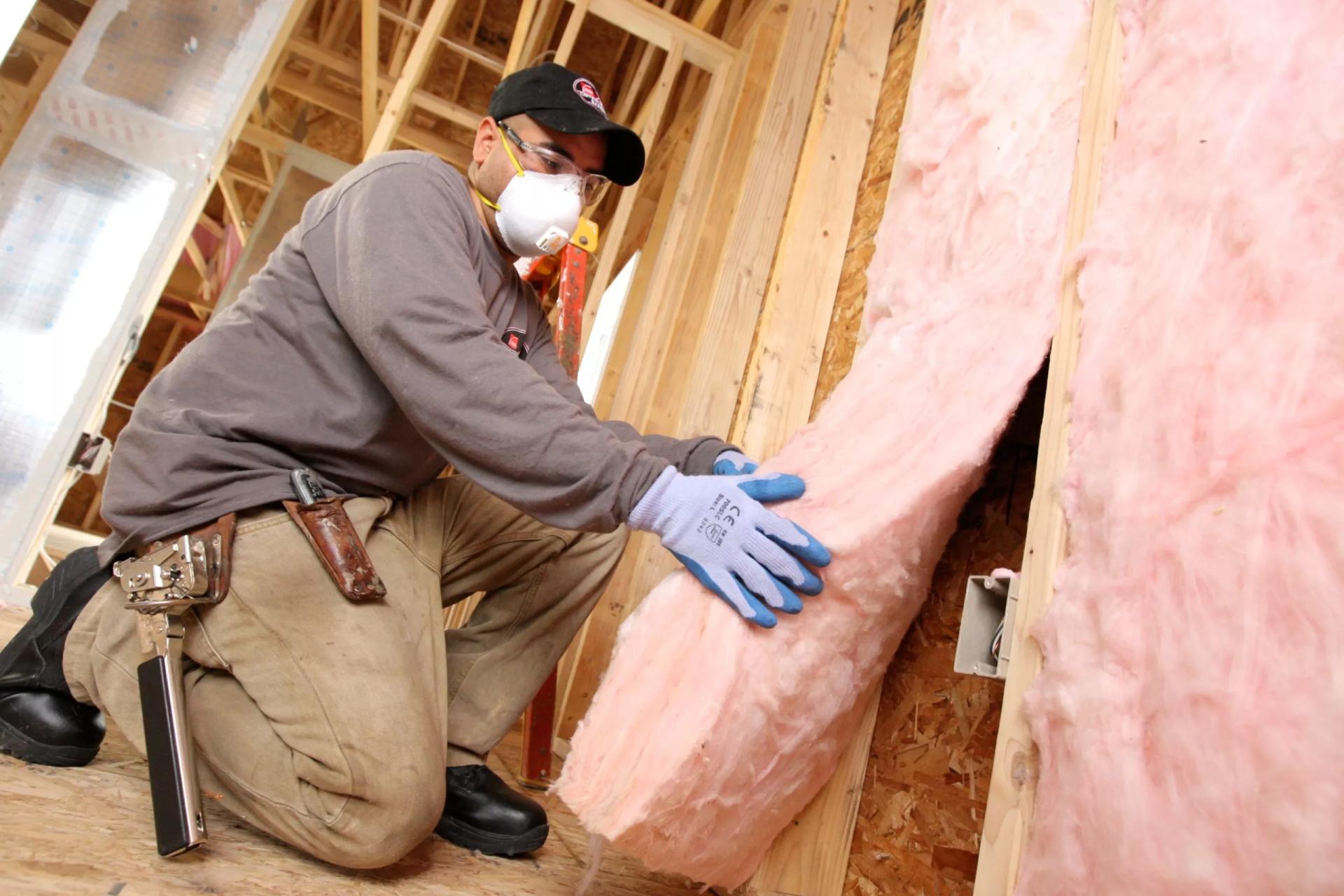
Air control usually fails before insulation does. Fiberglass and cellulose can remain in place, but air moves right through them.
This failure shows up as drafts, hot and cold rooms, and moisture problems. These symptoms often get blamed on windows or HVAC systems.
The U.S. Environmental Protection Agency explains that sealing air leaks is one of the fastest ways to improve comfort and energy efficiency because it reduces uncontrolled airflow through the building envelope.
Where Air Leaks Break the Thermal Barrier
Air leakage concentrates in predictable locations.
High-risk areas include:
- Attic penetrations around wiring and duct chases.
- Rim joists where floors meet exterior walls.
- Top plates and wall intersections.
If these areas are not sealed, the thermal barrier is incomplete.
Why Spray Foam Changes Performance
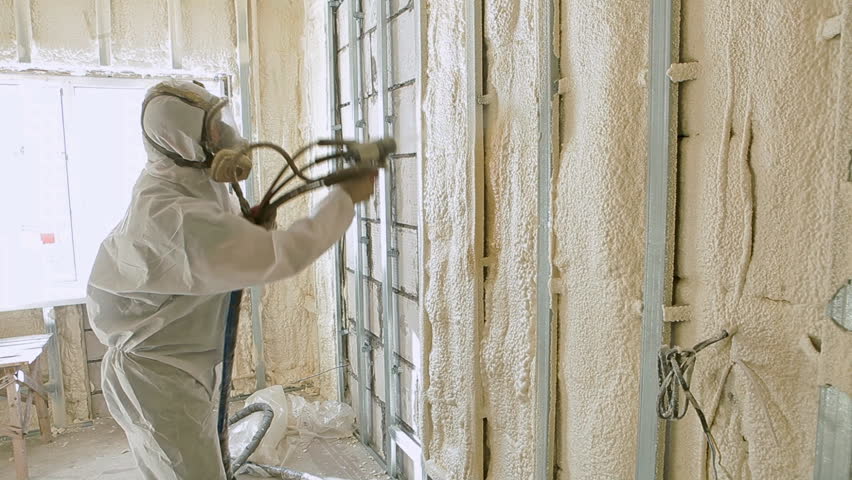
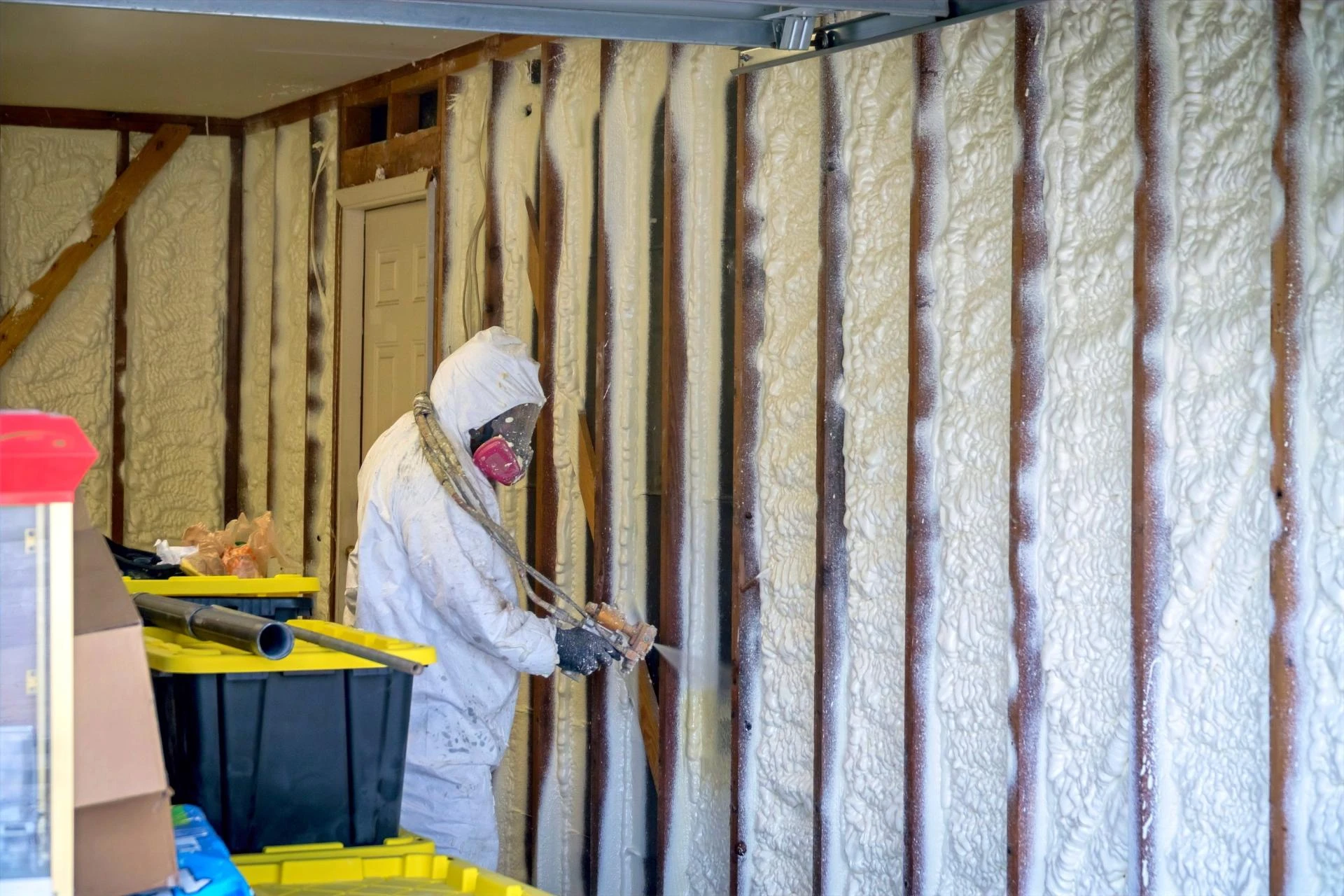
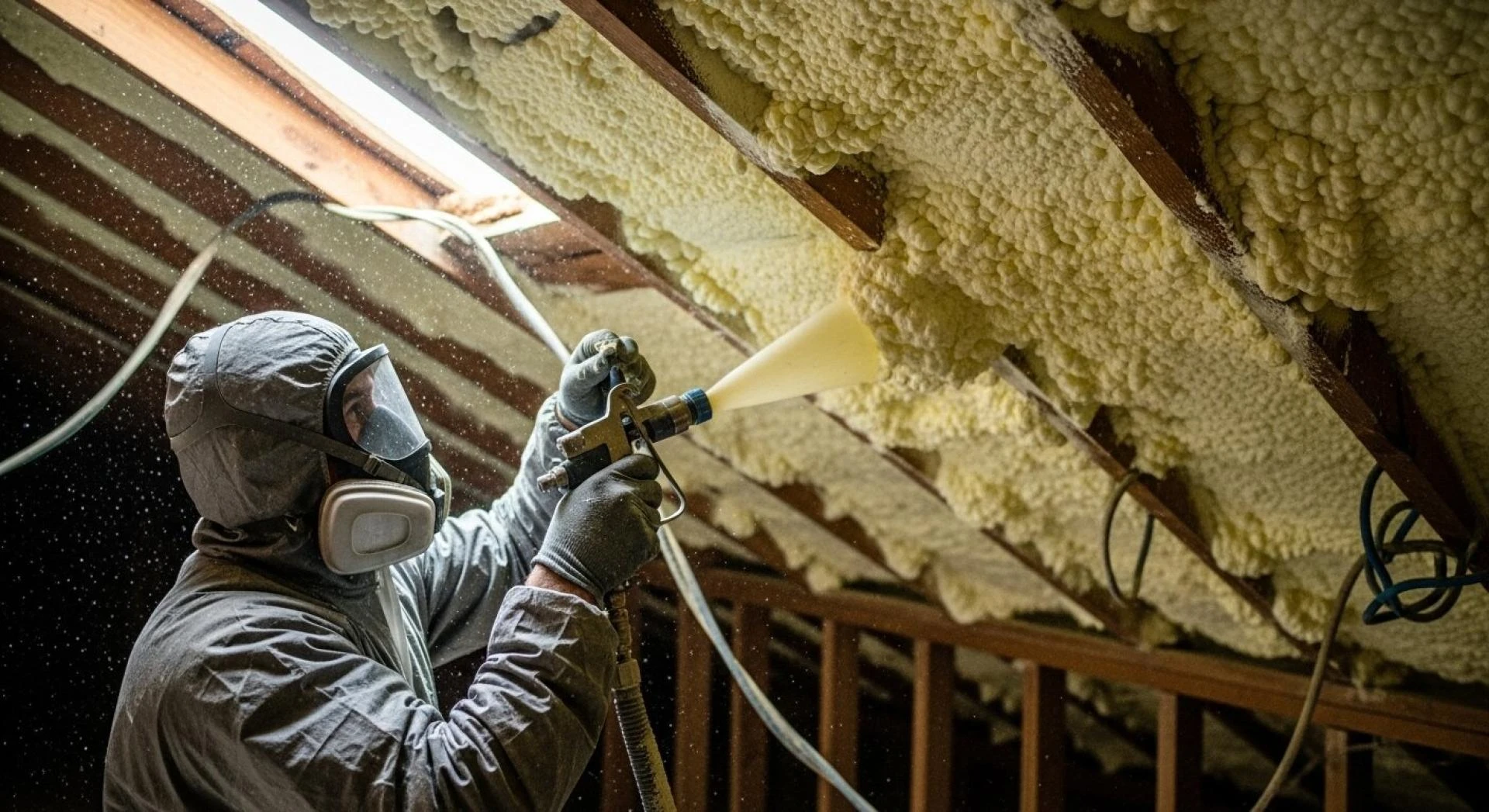
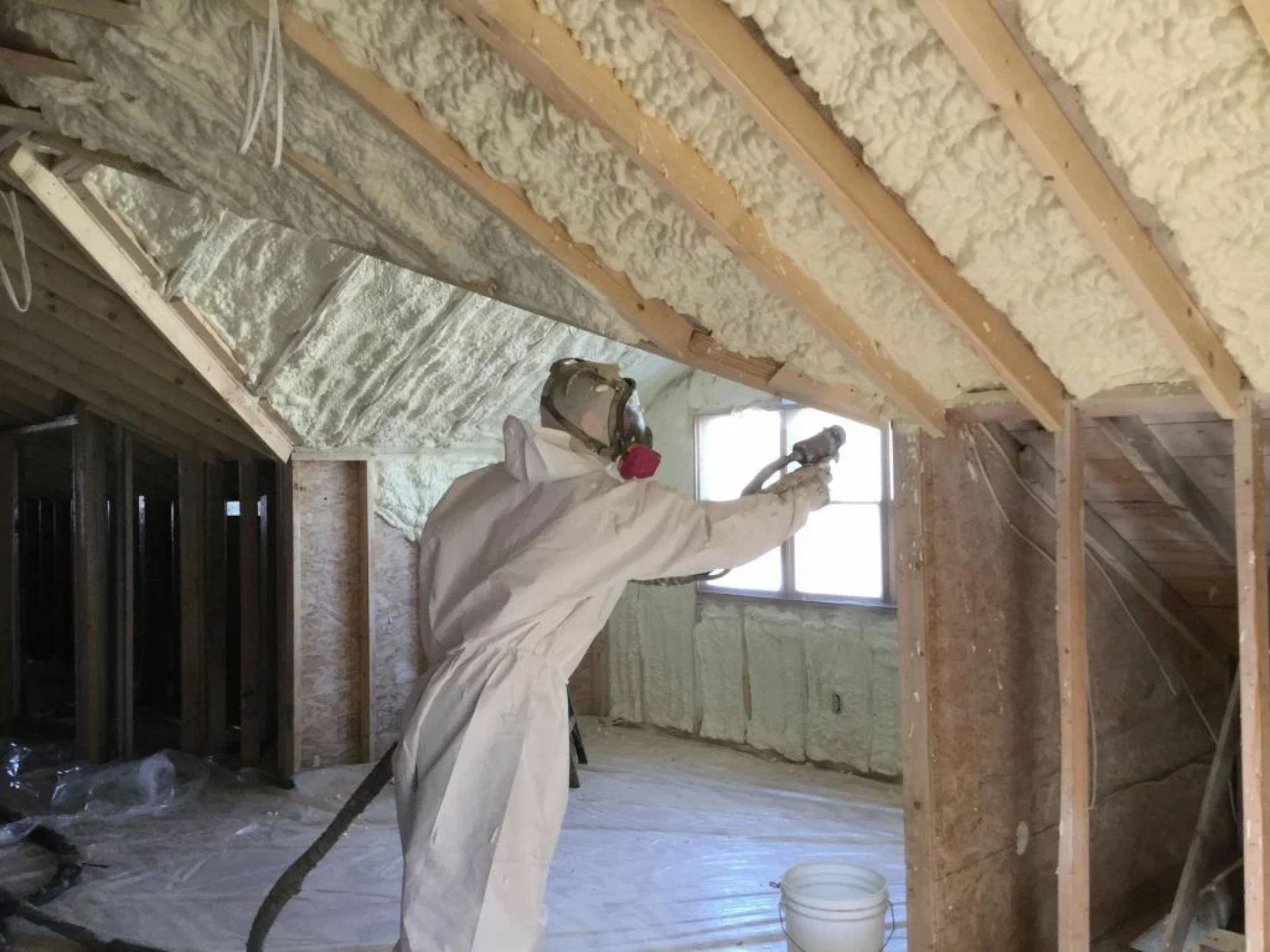
Spray foam insulation expands and adheres to surfaces. This allows it to insulate and seal air at the same time.
Once cured, it blocks airflow through cracks and joints. This restores continuity to the thermal barrier.
The Role of Moisture in Thermal Barrier Failure
Air movement and moisture are linked. When warm, humid air enters wall or roof cavities, it can condense on cooler surfaces.
This leads to mold growth and material decay. Insulation alone cannot stop this process if air continues to move.
Research from Building Science Corporation shows that controlling air movement is critical for managing moisture and protecting long-term building durability.
Thermal Barrier Material Comparison
| System Component | Air Control | Moisture Risk | Long-Term Performance |
|---|---|---|---|
| Fiberglass Only | Low | High | Declines over time |
| Cellulose + Air Sealing | Moderate | Medium | Variable |
| Spray Foam System | High | Low | Stable |
This comparison shows why air control determines real-world outcomes.
Bonus Tips From Field Experience
- Seal first, then insulate. Order matters.
- Focus on continuity, not just coverage.
- Inspect hidden areas before upgrades begin.
Real-World Results From Coastal Maryland
Homes near the Eastern Shore often struggle with humidity. Projects that added spray foam at rim joists and attic planes showed steadier indoor temperatures and fewer moisture complaints.
These results came from stopping air movement, not adding insulation thickness alone.
Why Thermal Barrier Continuity Matters Long Term
A broken thermal barrier forces HVAC systems to run longer. This increases energy use and wear.
Over time, moisture damage raises repair costs. Comfort issues lower occupant satisfaction.
A continuous thermal barrier reduces these risks by limiting heat and air transfer. This improves performance across seasons.
Conclusion
The most overlooked part of a thermal barrier system is air sealing continuity. Insulation without air control cannot deliver expected performance.
Managing airflow protects energy efficiency, moisture control, and long-term durability. Spray foam insulation addresses this gap by sealing and insulating in one step.
Peninsula Insulation supports performance-focused projects by helping property owners strengthen the weakest part of their thermal barrier.
Get Guidance From Peninsula Insulation
Spray foam insulation helps complete the thermal barrier by stopping air leaks and stabilizing indoor conditions. Peninsula Insulation applies proven methods based on real building behavior, not assumptions.
For project guidance or evaluations, contact Peninsula Insulation at (410) 770-2624 or email [email protected].
FAQs
What Is a Thermal Barrier System
A thermal barrier system controls heat flow through walls, roofs, and floors. It includes insulation and air control layers working together.
Why Does Insulation Fail Without Air Sealing
Air moves heat and moisture. When air bypasses insulation, performance drops even if R-value is high.
Is Spray Foam an Air Barrier
Yes. Spray foam seals gaps and cracks while insulating, which helps maintain continuity.
Can Air Leaks Cause Moisture Problems
Yes. Moist air can condense inside building cavities and lead to mold or rot.
Where Should Air Sealing Be Prioritized
Attics, rim joists, and major penetrations should be addressed first.
Does Better Air Sealing Reduce Energy Bills
Yes. Reduced air leakage lowers heating and cooling demand.
Author Wil Perkins is the founder of Peninsula Insulation and a long-time resident of Easton, Maryland. With a hands-on approach and nearly five years in the insulation business, Wil leads a team known for professional service and quality work. He’s committed to providing the best Spray Foam Insulation solutions and lasting results for every project.
Reviewer Emily Martinez has 12 years of experience in spray foam insulation. She reviewed this article and suggested ways to make the content more useful for contractors looking to grow their customer base.




















Sign in to leave a comment.