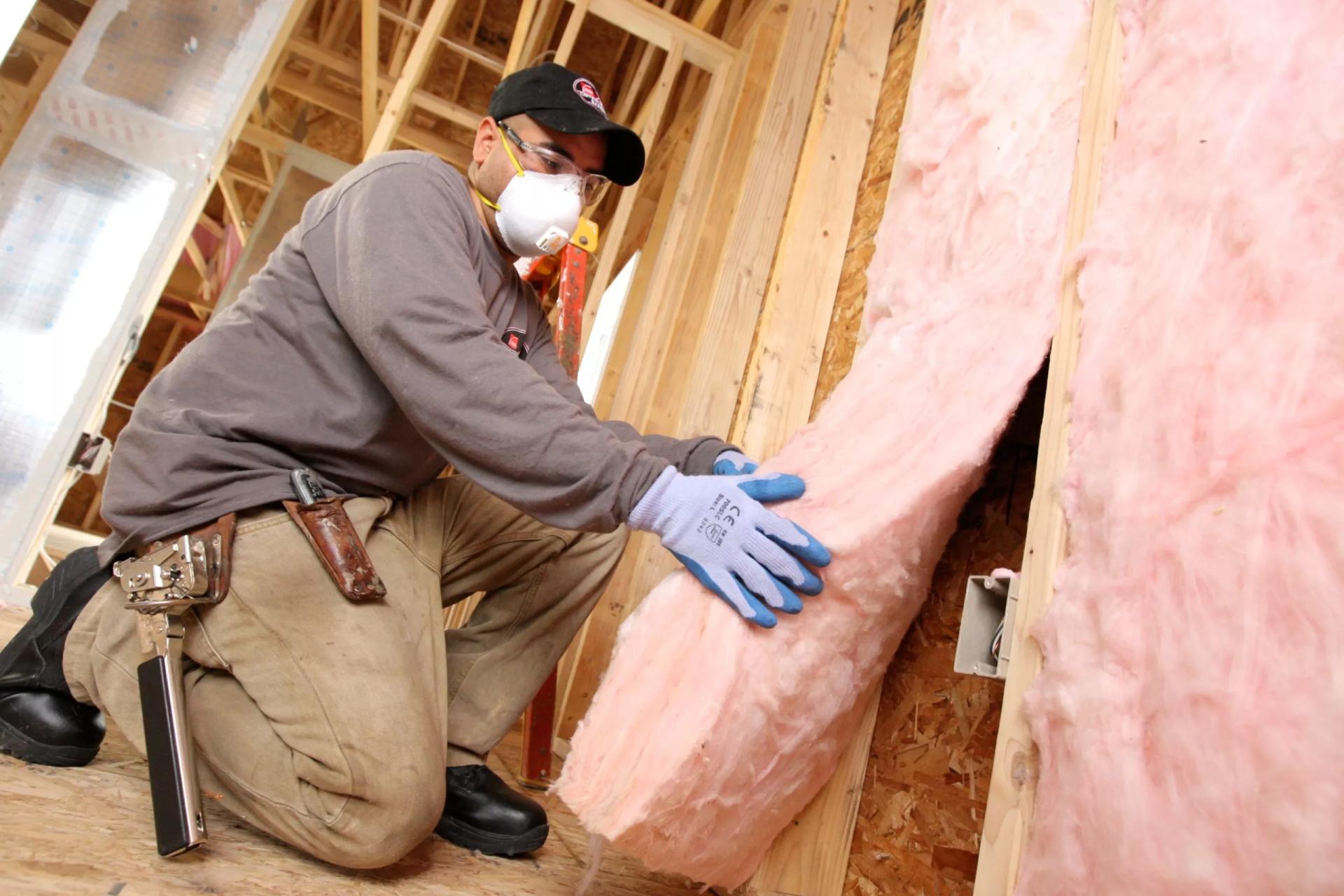

Fiberglass insulation feels itchy because it is made of tiny glass fibers that can irritate skin, eyes, and airways when they come into contact. This matters now because many homeowners still handle or live with exposed fiberglass in attics, crawlspaces, and walls. Over time, that irritation connects to comfort, air quality, and long-term performance choices.
Quick answers that matter most
- Fiberglass itches because loose glass fibers stick into the skin and cause surface irritation
- Air movement can spread fibers into living spaces through gaps and leaks
- Sealed insulation systems reduce contact, dust, and ongoing discomfort
Loose Fibers = Skin Irritation
Fiberglass insulation is formed by spinning molten glass into very fine strands. Those strands are lightweight and stiff enough to lodge into the outer layer of skin. Once embedded, they trigger itching, redness, and a burning feeling.
According to guidance from the Centers for Disease Control and Prevention, fiberglass exposure commonly causes mechanical irritation rather than chemical burns. The fibers do not dissolve on contact. They stay in place until washed or rubbed out.
This irritation increases when fiberglass is disturbed. Cutting batts, moving storage, or air flowing through gaps can release more fibers into the space.

Why Air Leaks Make It Worse
Fiberglass itself does not stop airflow. It slows heat transfer but allows air to move through it. That airflow carries loose fibers and dust into living areas.
The U.S. Department of Energy air sealing guidance explains that gaps around wiring, framing, and attic access points let air bypass insulation. When that air passes through fiberglass, it can pull fibers along with it.
The result is not just itchiness during handling. Fibers can settle on surfaces, circulate through HVAC systems, and contribute to long-term comfort complaints.
Does Fiberglass Cause Long-Term Health Problems?
Skin And Eye Contact Effects
For most people, fiberglass irritation is temporary. The itch usually fades once fibers are removed from the skin. Still, repeated exposure can make the reaction feel worse over time.
The Environmental Protection Agency insulation overview notes that fiberglass can irritate eyes and skin during installation or disturbance. Proper covering and sealing reduce these effects significantly.
Breathing Concerns
Loose fibers can become airborne. When inhaled, they may irritate the nose and throat. This is more common in unfinished attics and crawlspaces with poor air control.
Modern building practices focus on limiting fiber movement rather than relying on protective gear alone.
How Sealed Insulation Systems Reduce Irritation
This section explains why many property owners move away from exposed fiberglass in key areas.
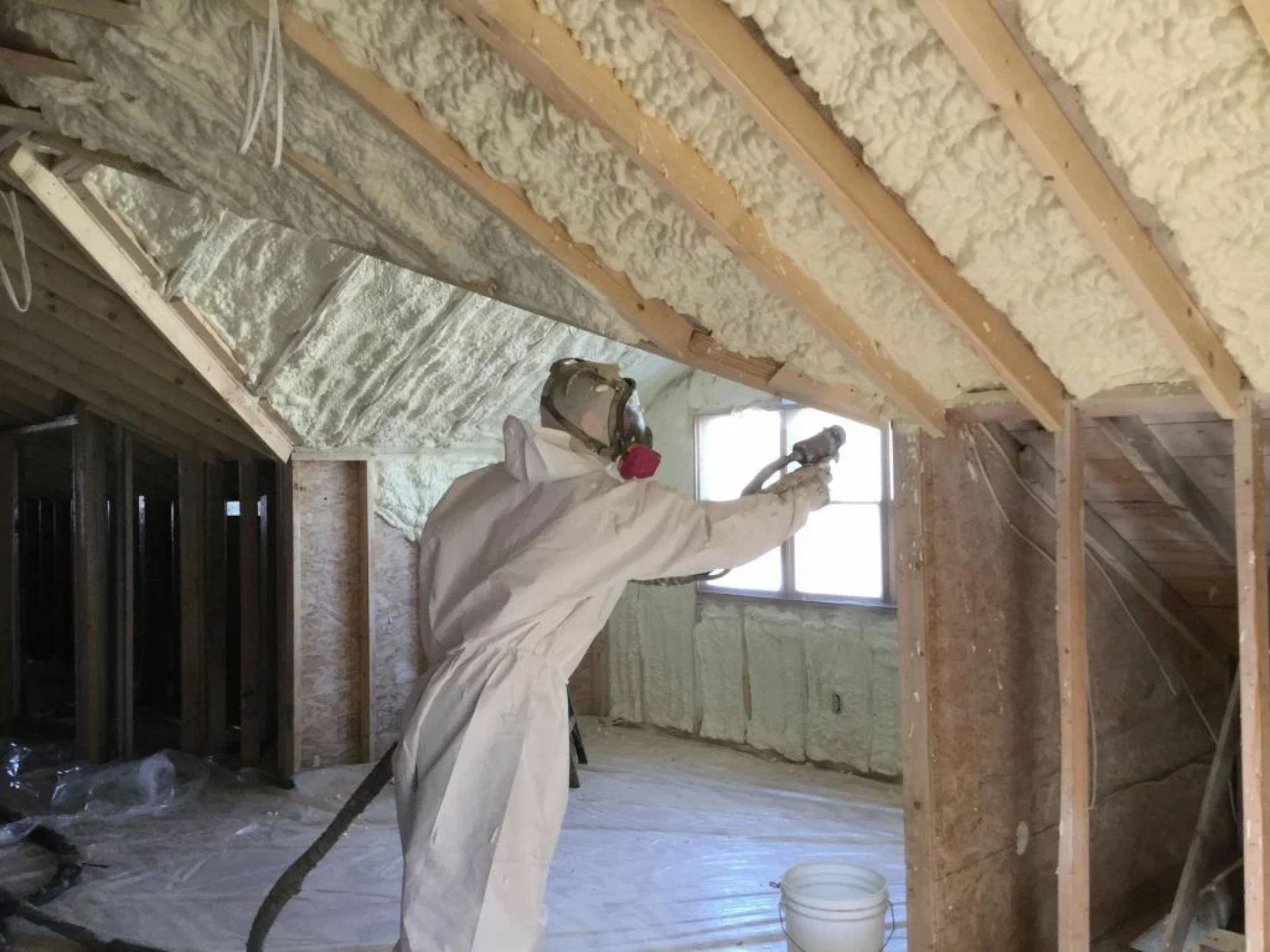
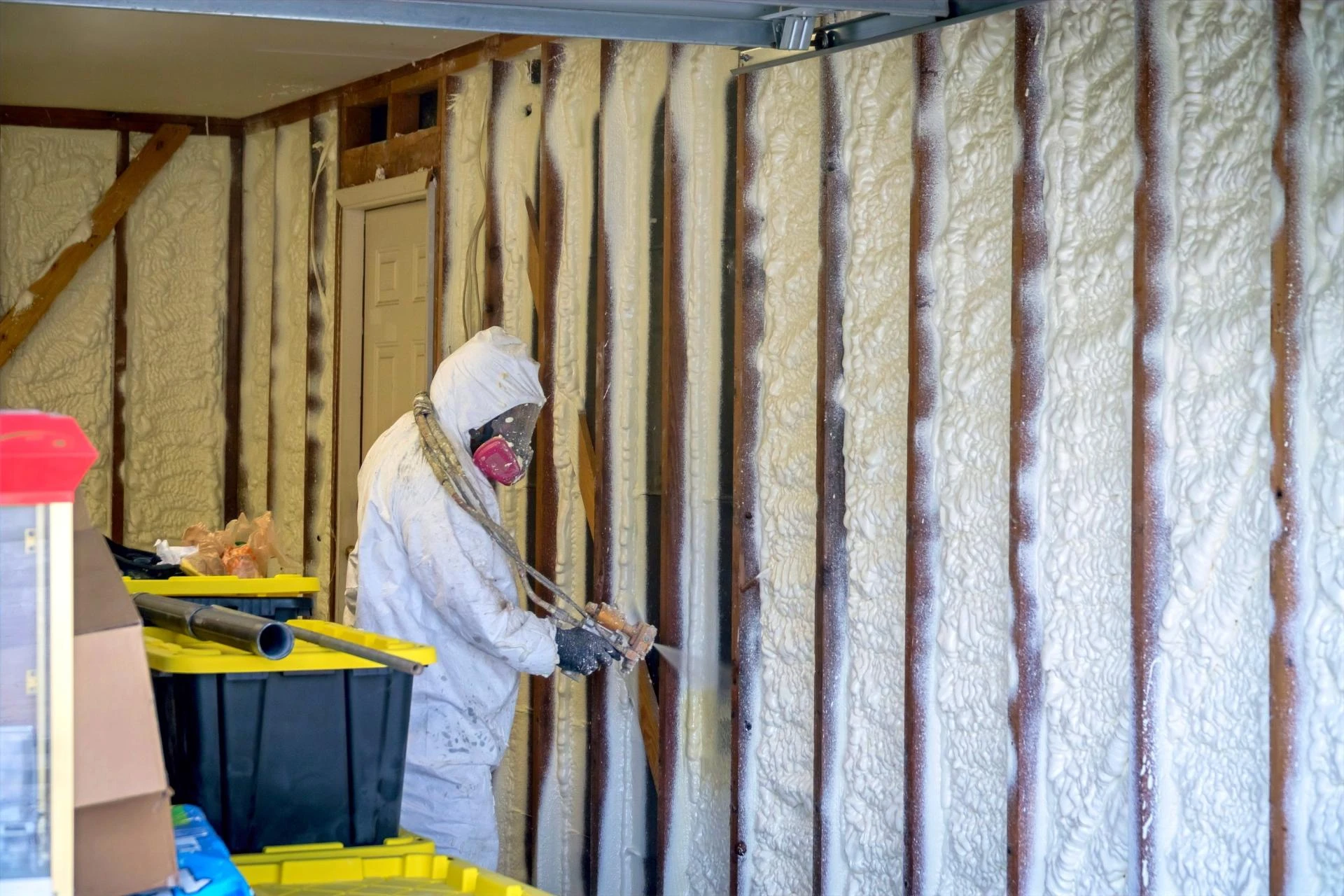
Sealed insulation systems work by locking insulation in place and stopping air movement. That combination limits fiber release and improves comfort at the same time.
Spray Foam Versus Fiberglass Performance
Material Comparison Table
| Feature | Fiberglass Insulation | Spray Foam Insulation |
|---|---|---|
| Fiber Exposure | Loose fibers can contact skin | No loose fibers |
| Air Sealing | Allows air movement | Blocks air leaks |
| Moisture Control | Can trap moisture | Resists moisture movement |
| Long-Term Comfort | Declines with air flow | Stays consistent |
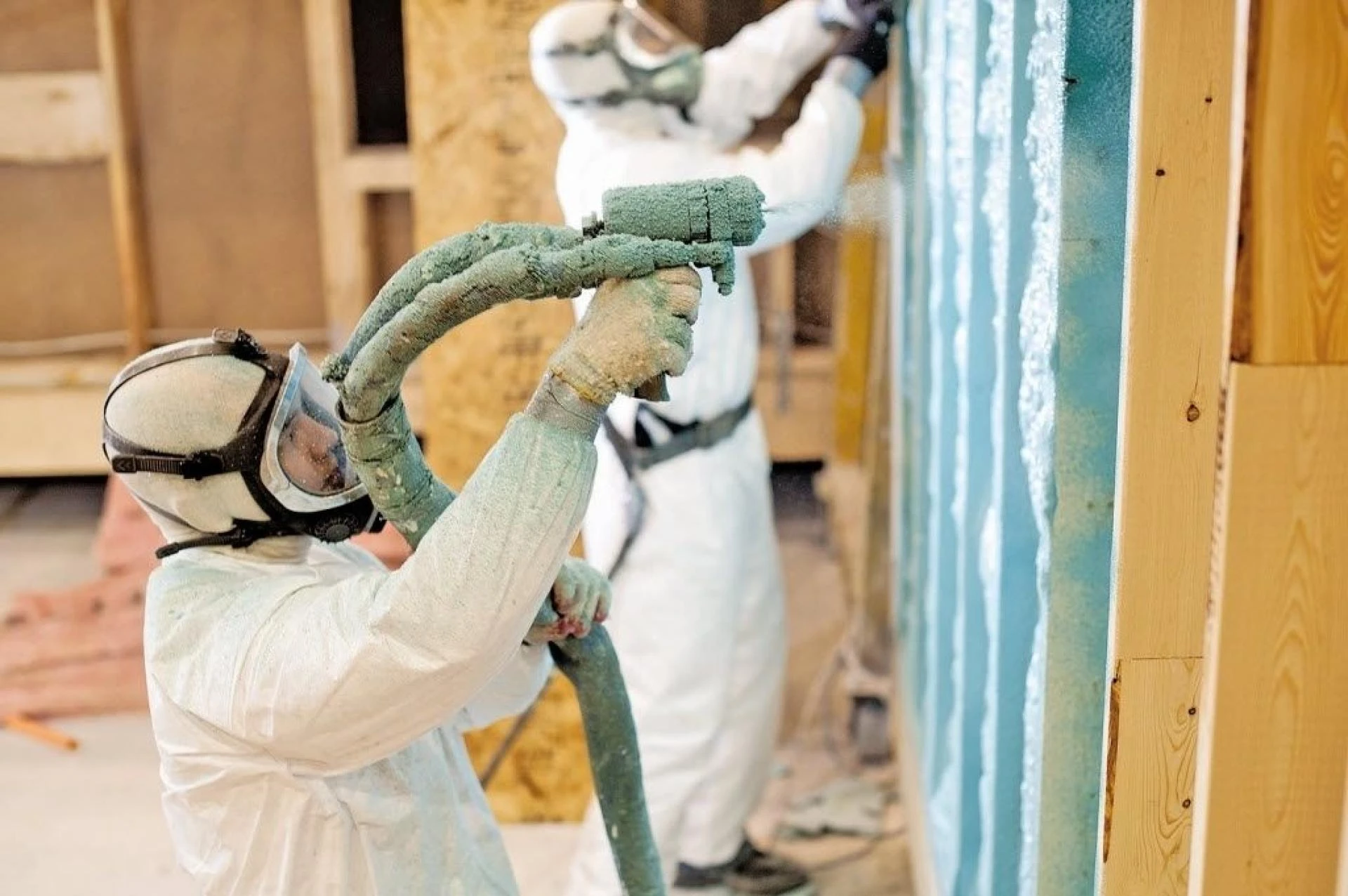
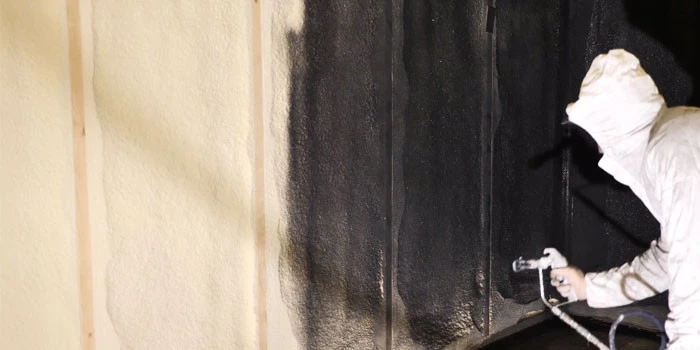
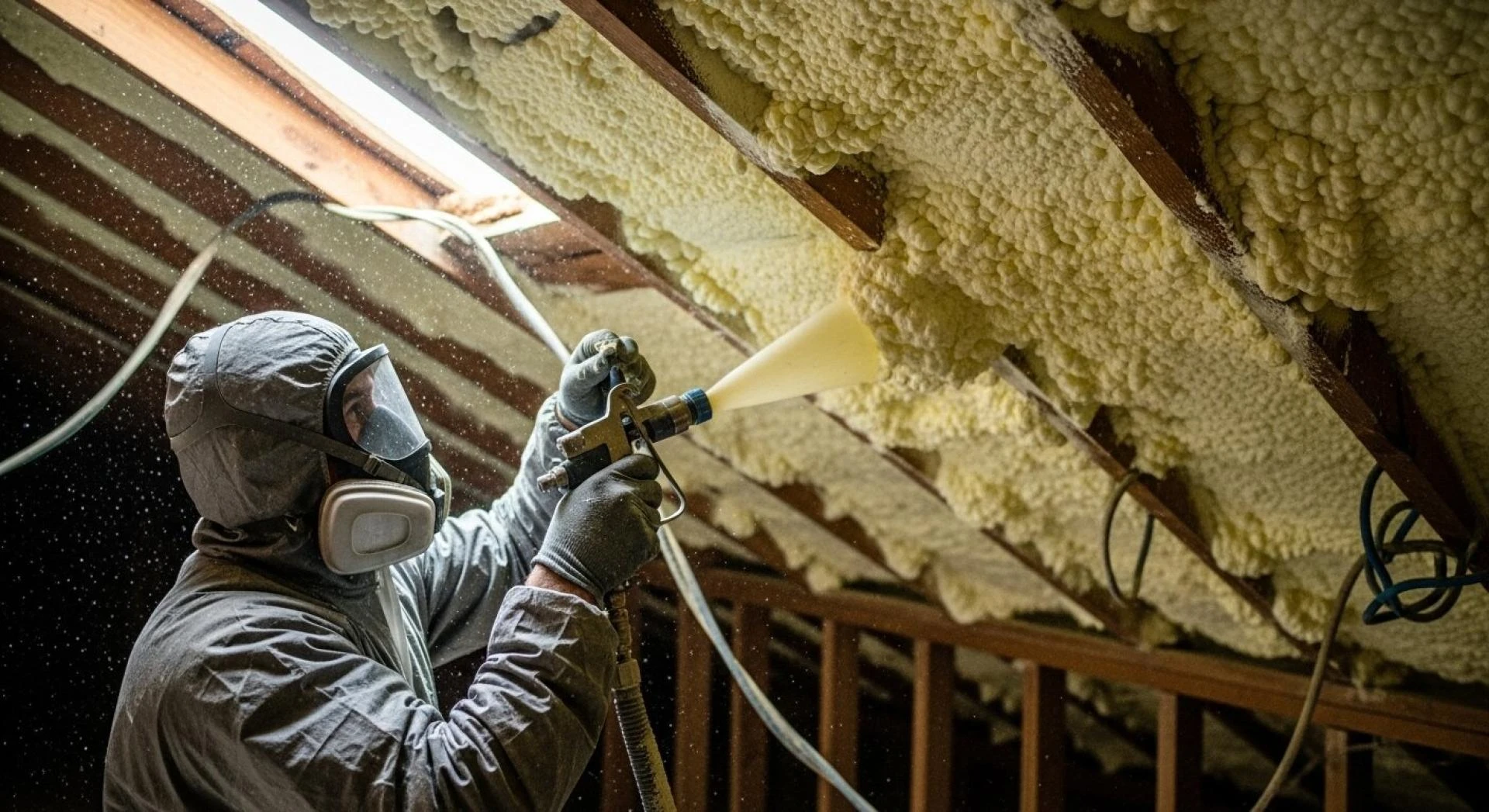
Spray foam cures into a solid barrier. Once set, it does not shed particles. That alone removes the source of itching.

Why Itching Signals A Bigger Performance Problem
Itchiness is often the first sign that insulation is exposed or failing. When fibers reach skin, air is already moving where it should not.
Air leaks increase heating and cooling demand. The U.S. Energy Information Administration residential energy data shows that heating and cooling account for the largest share of home energy use. Poor air control pushes that number higher.
Stopping fiber movement usually means stopping air movement too. That improves comfort and energy stability together.
Is Fiberglass Still Used In Homes?
Yes. Fiberglass remains common because it is affordable and widely available. It performs best when fully enclosed, sealed, and left undisturbed.
Problems start when:
- Batts are left exposed in attics or crawlspaces
- Vapor barriers are missing or damaged
- Air sealing is skipped during installation
In those cases, itchiness is not a minor nuisance. It is feedback that the system is not working as intended.
Bonus Tips
- Always wash exposed skin with cool water first to remove fibers before using soap
- Avoid rubbing itchy areas since that pushes fibers deeper
- Cover exposed fiberglass with proper barriers to limit future contact
Case Studies
Energy audits on older homes often show reduced dust and irritation complaints after exposed fiberglass is sealed or replaced. Homes that combine air sealing with encapsulated insulation report steadier temperatures and fewer comfort issues year-round.
Conclusion
Fiberglass insulation feels itchy because its loose glass fibers irritate skin and move with air leaks. That discomfort points to larger issues with air control and insulation performance.
Sealed insulation systems reduce fiber exposure, improve comfort, and limit energy loss. Understanding why materials behave the way they do helps property owners make better long-term choices.
Peninsula Insulation supports performance-focused insulation upgrades by addressing air movement, comfort, and durability together.
Talk With Peninsula Insulation About Better Options
Reducing itchiness often starts with better insulation choices. Sealed systems improve comfort, limit exposure, and stabilize energy use. Peninsula Insulation helps property owners evaluate existing insulation and identify upgrades that make sense for real conditions.
For more information, they can be reached at (410) 770-2624 or [email protected].
Questions Professionals Ask About Fiberglass Irritation
Does new fiberglass itch less than old fiberglass?
Newer products may shed slightly less, but loose fibers still irritate skin. Air movement remains the main issue.
Can fiberglass dust spread through HVAC systems?
Yes. Air leaks near returns or ducts can pull fibers into circulation if insulation is exposed.
Does covering fiberglass stop the itch completely?
Covering and sealing greatly reduce contact. Full air sealing delivers the best results.
Is irritation worse in humid spaces?
Moisture can weigh fibers down, but it also degrades performance and creates other problems.
Why do crawlspaces cause more irritation complaints?
Crawlspaces often combine exposed fiberglass with air movement, which increases fiber spread.
Author: Wil Perkins is the founder of Peninsula Insulation and a long-time resident of Easton, Maryland. With nearly five years in the insulation business, they lead teams focused on durable, real-world solutions.
Reviewer: Emily Martinez has 12 years of experience in spray foam insulation. They reviewed this article and suggested improvements to make it more practical for professionals.


























Sign in to leave a comment.