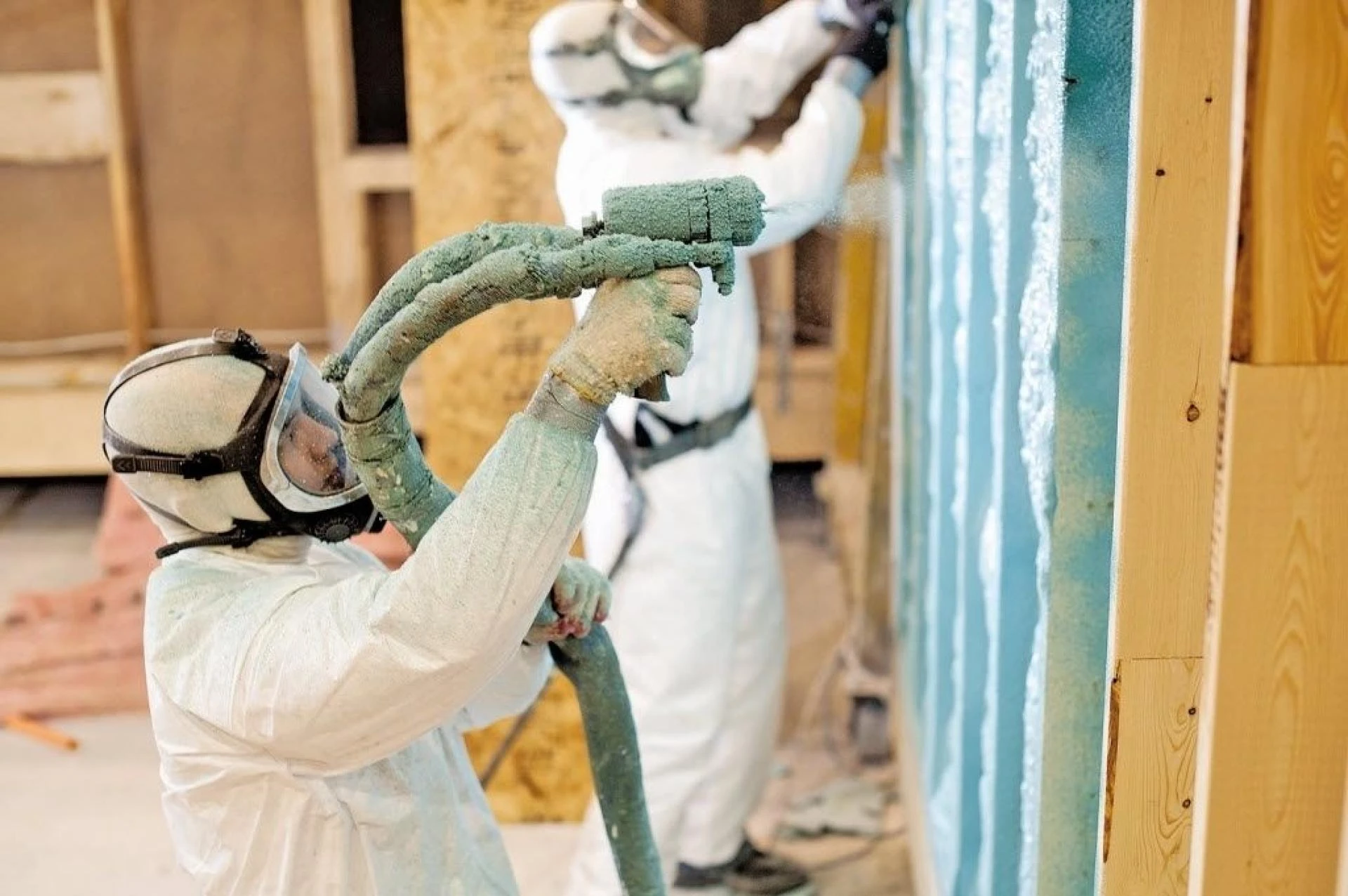

Reliable spray foam companies distinguish themselves through rigorous site preparation, precise temperature monitoring during application, and comprehensive post-application safety checks. They prioritize the integrity of the building envelope over speed, ensuring the chemical reaction proceeds perfectly to avoid off-gassing or structural issues. A proper installation results in a continuous thermal barrier that significantly reduces energy consumption and improves indoor comfort for decades.
This article explores the non-negotiable standards that define professional insulation services. Industry veterans understand that the difference between a durable, energy-efficient home and a costly retrofit lies in these critical procedural details. Experienced contractors know that cutting corners during the application process inevitably leads to failure, so they adhere to strict protocols that protect both the property and the owner's investment.
Rigorous Site Preparation and Safety Protocols
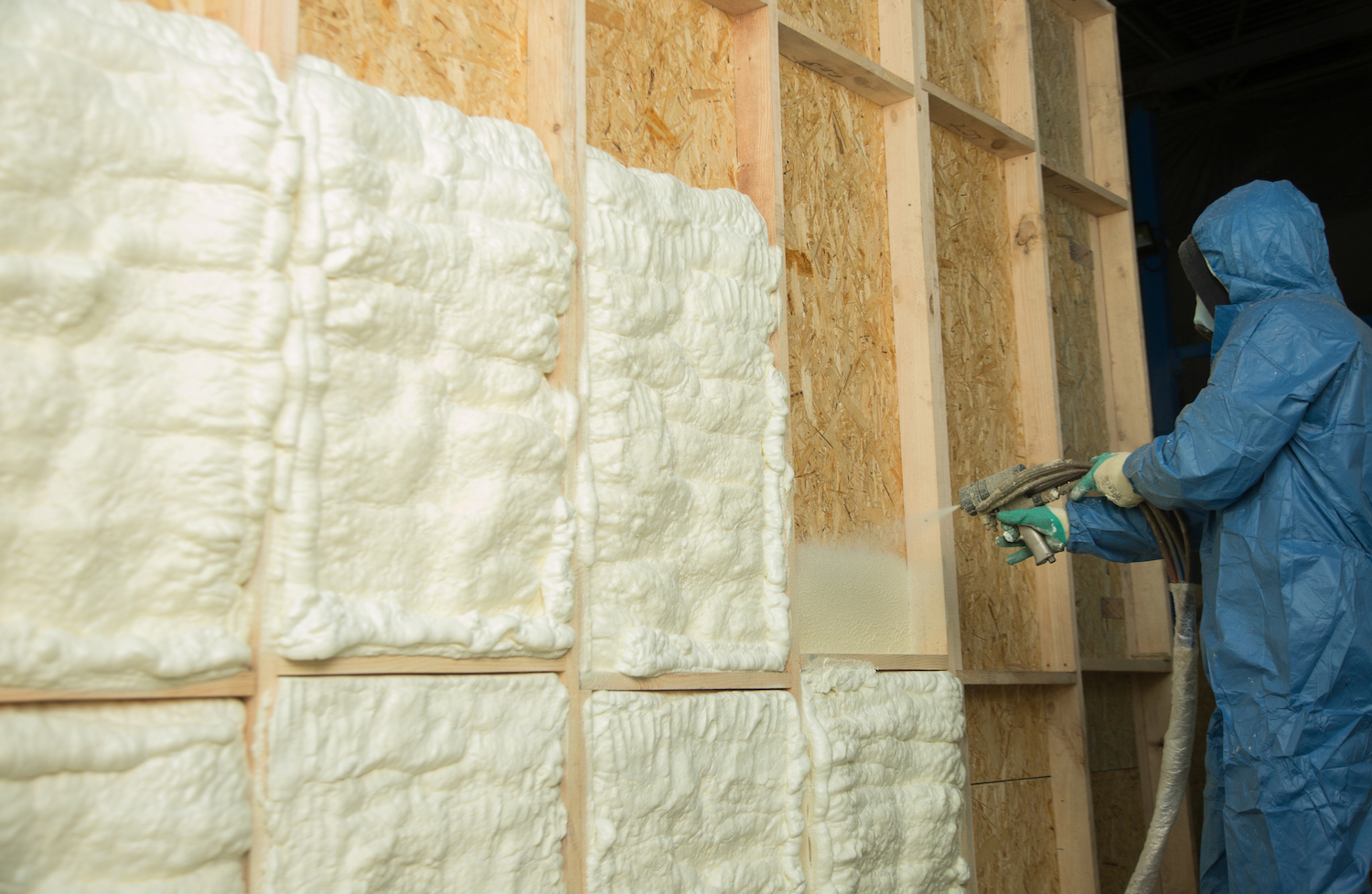
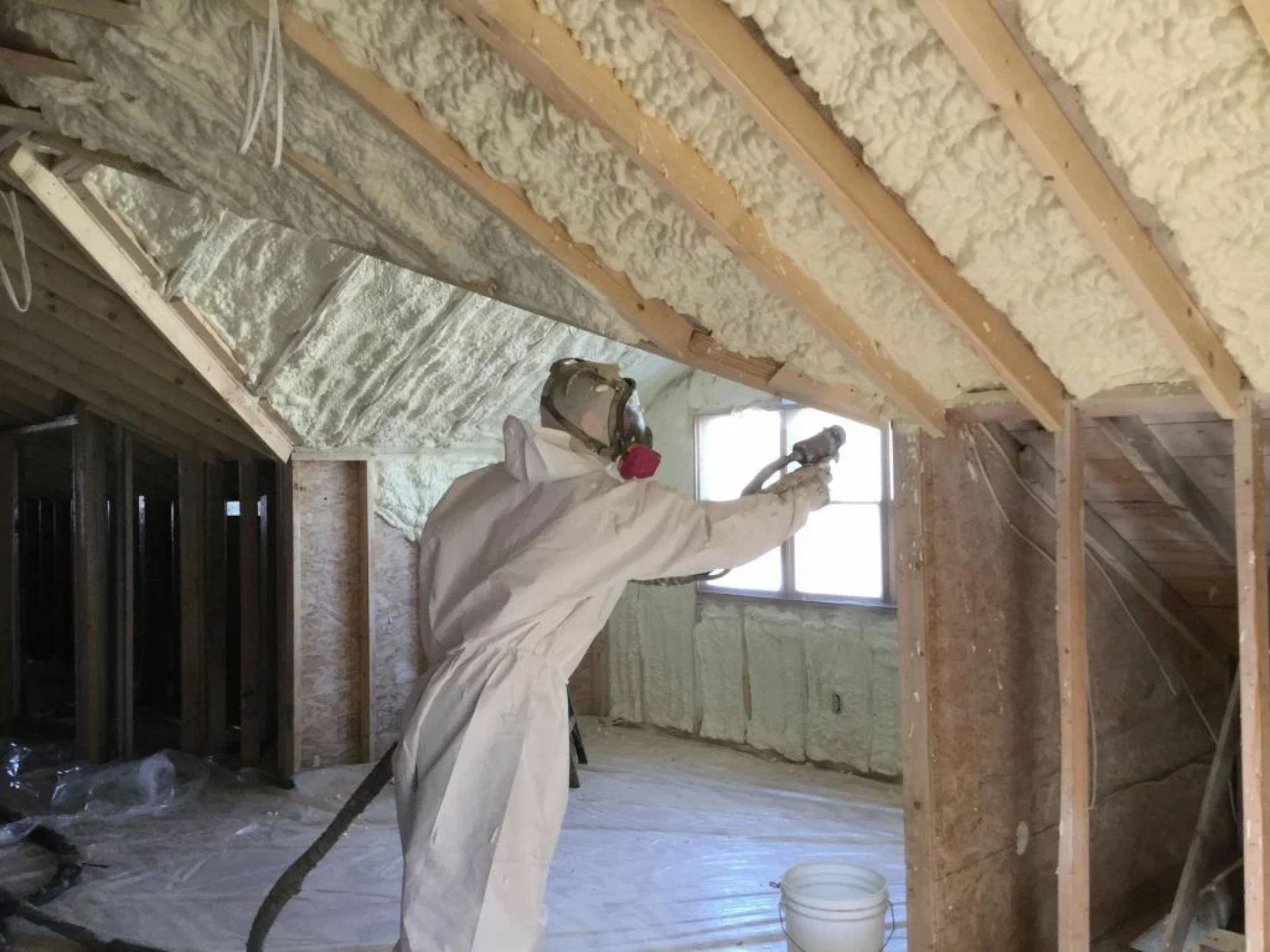
Before a single drop of foam is sprayed, professional teams spend significant time prepping the area. This stage is critical for protecting the property and ensuring the foam adheres only where it is intended. Skipping this step often leads to property damage, laborious cleanup, and poor adhesion to the substrate. A dedicated crew treats the preparation phase with as much importance as the actual spraying.
Protecting Surfaces and Ventilation
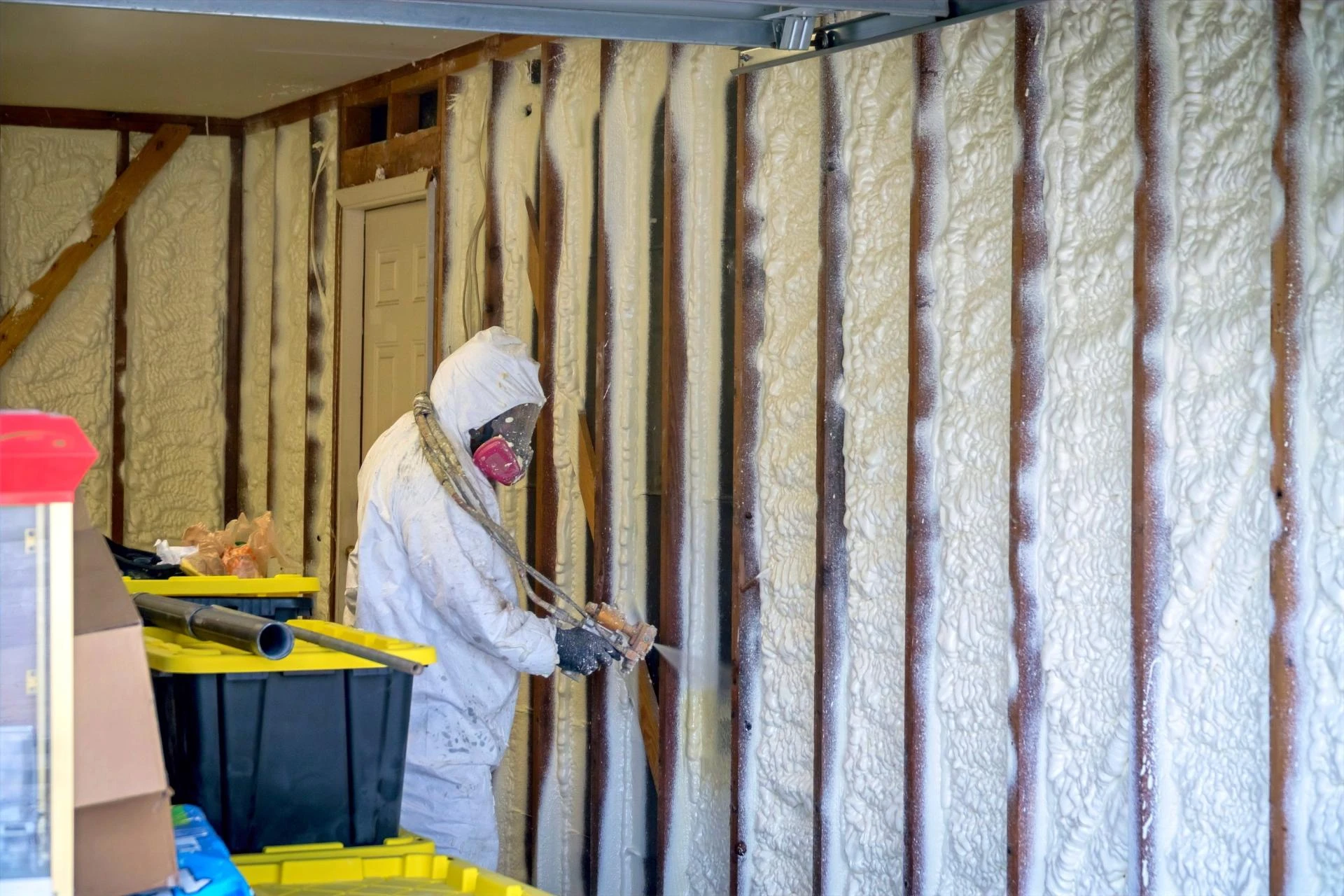
The spray foam's expansion rate poses a genuine overspray risk that must be managed. Professionals mask off windows, doors, and floors to prevent fine mist from settling on finished surfaces. They also establish airflow systems that keep fresh air moving through the workspace while exhausting chemical fumes to the outside. This attention to detail prevents damage to personal property and ensures the safety of the installation team.
- Covering all non-target surfaces with heavy-duty plastic sheeting prevents overspray damage that is nearly impossible to remove later.
- Setting up negative-pressure ventilation exhausts safely removes fumes from the building, maintaining air quality.
- Taping off electrical outlets and junction boxes maintains future accessibility for electricians and other trades.
- Removing or covering personal items and furniture prevents contamination from foam particles during application.
Moisture Assessment Protocols
Water and polyurethane foam do not mix well, and spraying onto damp surfaces causes immediate delamination. Technicians use moisture meters to verify that the wood substrate has a moisture content below 18 percent. If the framing is too wet, they will postpone the job rather than risk a failed application that could trap rot inside the wall cavity.
Bonus Tip
Homeowners should request to see the moisture meter reading on the framing lumber before the crew begins spraying. This simple verification step prevents major structural issues down the road.
Technical Precision in Chemical Application
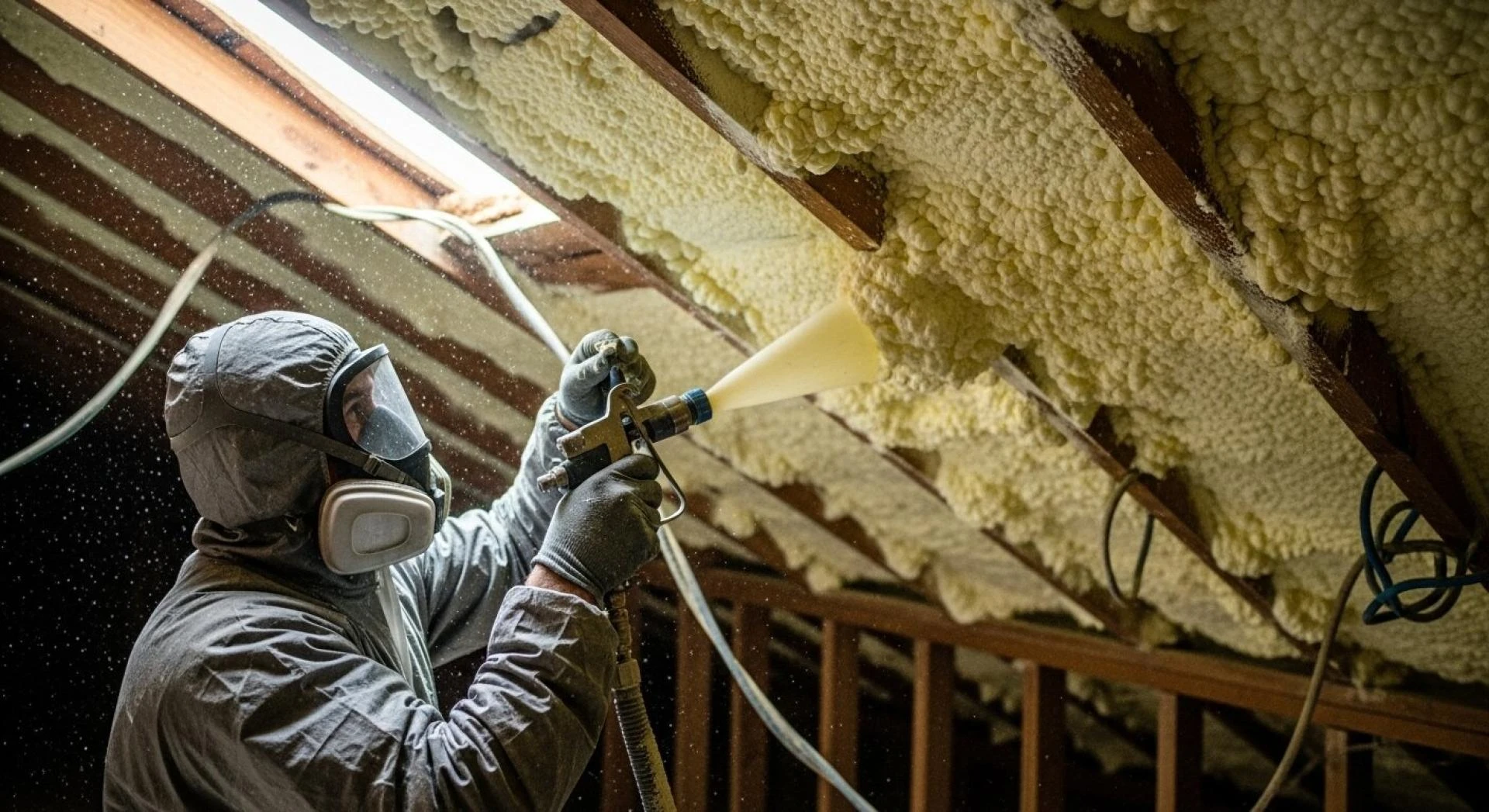
Spray foam is a unique building product because it is effectively manufactured on the job site. The installer acts as a chemist, monitoring pressure and temperature to ensure the two liquid components mix exactly one-to-one. Imbalanced foam can shrink, pull away from studs, or produce lingering odors, which is why technical precision is non-negotiable for reputable companies.
Temperature and Pressure Management
The chemical reaction that creates foam is exothermic and highly temperature-sensitive. High-quality companies use heated hoses and drum heaters to keep materials within a specific range, typically 110-130 degrees Fahrenheit. If the chemicals are too cold, the foam will not expand fully; if they are too hot, the reaction occurs too quickly. This balance requires constant vigilance and high-end equipment.
Layering and Thickness Control
Installers must apply the foam in consistent passes to avoid overheating the substrate. Spraying too much material at once can generate excessive heat, potentially charring the foam or posing a fire risk during curing. Experienced sprayers understand the product's "lift" limits and build up the required R-value in safe, controlled layers.
Equipment Maintenance
A clean spray gun is essential for a consistent mix. Professionals disassemble and clean their equipment regularly to prevent clogs that could throw off the chemical ratio. This disciplined maintenance routine ensures that the foam applied at the end of the day is just as high-quality as the foam used in the morning.
Validating Performance Through Testing
The job is not done when spraying stops; the best companies verify their work with diagnostic tools. Reputable companies verify their work to demonstrate that the air seal is complete and the insulation meets the promised specifications. This verification process separates amateurs from professionals who stand by their results, guaranteeing the customer gets what they paid for.

Blower Door Tests and Thermal Imaging
Visual inspection is often insufficient to catch small air leaks in complex framing assemblies. Contractors use blower door tests to depressurize the house and infrared cameras to see temperature differences in the walls. These tools reveal invisible gaps where air is still infiltrating, allowing the crew to touch up the work immediately.
- Conducting blower door tests quantifies the reduction in air leakage rates and validates the efficiency improvement.
- Using thermal imaging cameras, identify cold spots or gaps in insulation coverage that the naked eye misses.
- Physically probing the foam depth ensures it meets the specified R-value requirements across the entire surface.
- Inspecting rim joists and corners addresses areas where air leaks frequently persist despite visual coverage.
Standard Comparison Table
Property owners can easily spot the difference between high-quality service and subpar workmanship by looking for specific indicators.
| Feature | Professional Standard | Subpar Contractor |
|---|---|---|
| Site Prep | Complete masking, ventilation setup | Minimal masking, no air exchange |
| Moisture Check | Tested with meter (<18%) | Visually estimated or ignored |
| Old Insulation | Removed and disposed of | Sprayed over (in some cases) |
| Testing | IR camera & depth probe | Visual check only |
| Cleanup | Shaved flush, swept clean | Rough surface, debris left |
| Warranty | Lifetime adhesion/product | Limited or non-existent |
Things to Consider Before Making a Decision
Selecting a contractor involves more than just looking at the bottom-line price on a quote. Property owners must evaluate the long-term implications of the warranty and the company's track record in the specific climate zone. A low bid often reflects a lack of insurance, inferior materials, or insufficient certification.
Insurance and Licensing Verification
Spray foam installation carries risks, and legitimate businesses carry proper liability and workers' compensation insurance. This protects the property owner from lawsuits if a worker is injured on-site or if accidental damage occurs. Verifying these documents is a standard part of the due diligence process for any significant home improvement project.
Climate-Specific Knowledge
In regions like Maryland, where humidity varies drastically between summer and winter, the choice between open-cell and closed-cell foam matters. A knowledgeable contractor understands vapor drive and will recommend the product that prevents condensation issues. They design the insulation system to handle local weather patterns effectively.
Bonus Tip
Request proof of training certificates for the specific foam manufacturer being used. Manufacturers often certify installers, and this document proves the crew knows how to handle that particular chemical brand.
Questions People Ask About High-Quality Insulation Services
Is off-gassing normal after installation?
Off-gassing is a regular part of the curing process, but it should only last a short time. Re-occupancy is typically safe after 24 hours when the area is adequately ventilated. A persistent odor after this period usually indicates an improper chemical mix or poor ventilation during the application.
Can spray foam be applied to wet wood?
No, spray foam should never be applied to wood with a moisture content above 18 percent. Moisture prevents the foam from bonding to the studs, creating a pocket where mold can grow. Professional installers always measure moisture levels before starting the work.
Does spray foam insulation shrink over time?
Properly mixed and applied spray foam is dimensionally stable and should not shrink. Shrinkage is a sign that the chemical ratio was incorrect or that the application temperature was too low. High-quality companies warrant their work against this specific defect.
Does spray foam add structural support to the building?
Closed-cell spray foam is rigid and can add significant racking strength to walls and roofs. Open-cell foam is soft and flexible, so while it insulates well, it does not contribute to the building's structural integrity. The choice depends on the project's specific needs.
What happens if I need to access wires later?
Open-cell foam is easy to cut through or pull out if new wiring needs to be run. Closed-cell foam is much more difficult to remove and requires more effort, so professionals recommend installing conduit pipes for future wiring before the foam is applied.
Ensuring Long-Term Property Protection
A high-quality spray foam installation is an investment in a property's longevity and efficiency. By adhering to strict preparation standards, managing chemical precision, and validating results through testing, professional companies deliver superior value. Property owners should look for these indicators of quality to ensure their building remains comfortable and energy-efficient for years to come.
Connect With Reliable Insulation Experts
For property owners, Peninsula Insulation offers professional spray foam services grounded in industry best practices. They provide detailed assessments and execute projects with the technical precision required for lasting results. Their team focuses on clear communication and technical accuracy to improve building performance.
Contact Peninsula Insulation Phone: (410) 770-2624 Email: [email protected]
Author: Wil Perkins is the founder of Peninsula Insulation and a long-time resident of Easton, Maryland. With a hands-on approach and nearly five years in the insulation business, Wil leads a team known for professional service and quality work. He’s committed to providing the best Spray Foam Insulation solutions and lasting results for every project.
Reviewer: Emily Martinez has 12 years of experience in spray foam insulation. She reviewed this article and suggested ways to make the content more useful for contractors looking to grow their customer base.

























Sign in to leave a comment.