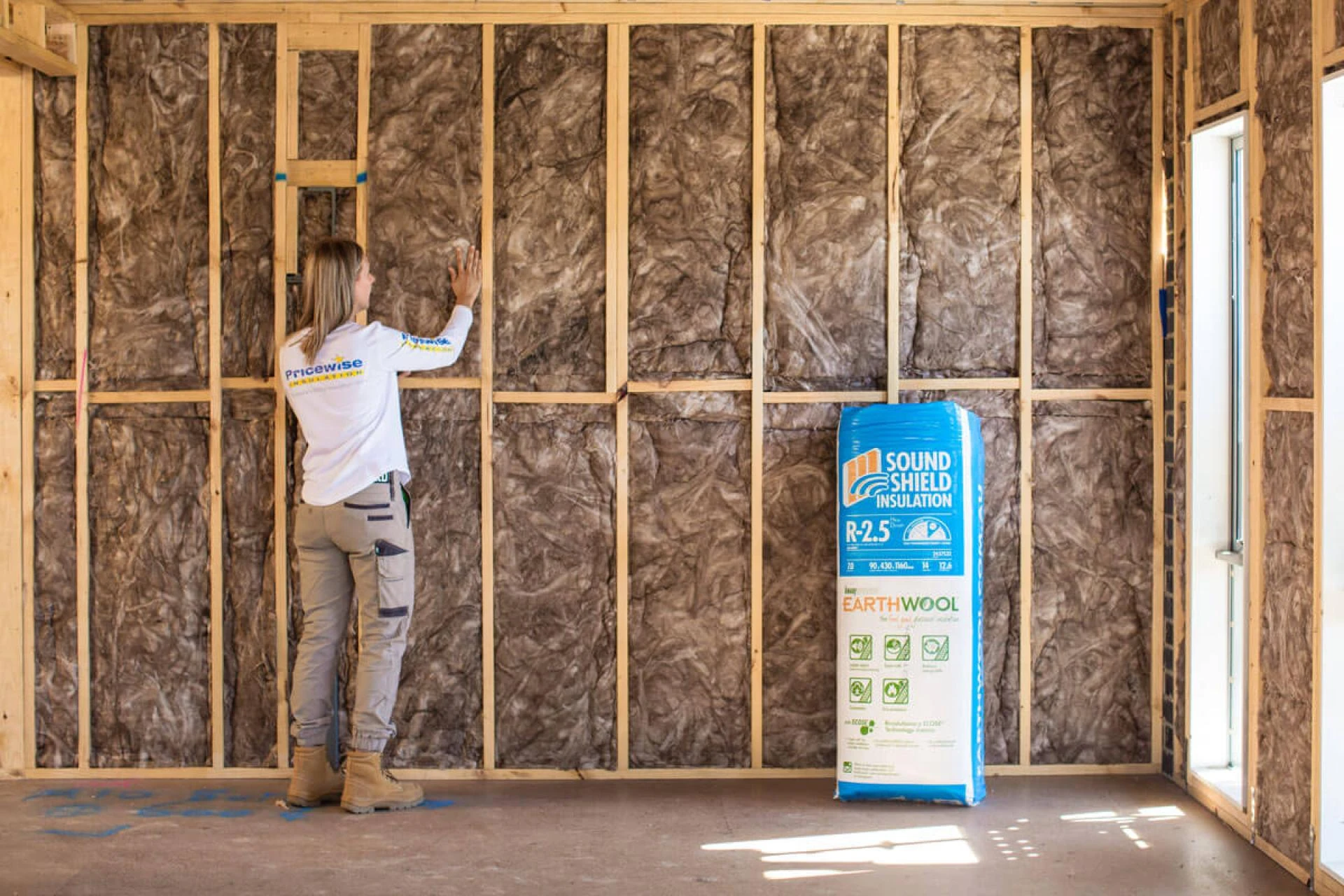
Homeowners often view renovations as the perfect opportunity to upgrade aesthetics and functionality, yet one critical step frequently gets omitted from the scope of work. Skipping air sealing during a renovation undermines the performance of new insulation and HVAC systems, as well as the overall durability of the structure. Without a proper air barrier, expensive heated or cooled air escapes through thousands of tiny cracks, while moisture and pollutants infiltrate the living space freely.
Industry professional air sealing understand that insulation must work in tandem to create an effective building envelope. When air sealing is neglected, the insulation acts like a wool sweater on a windy day; it offers some protection, but the wind cuts right through it. This oversight leads to persistent comfort issues, higher monthly utility bills, and potential long-term damage that can ruin the very improvements the renovation aimed to achieve.
The Invisible Cost of Energy Loss
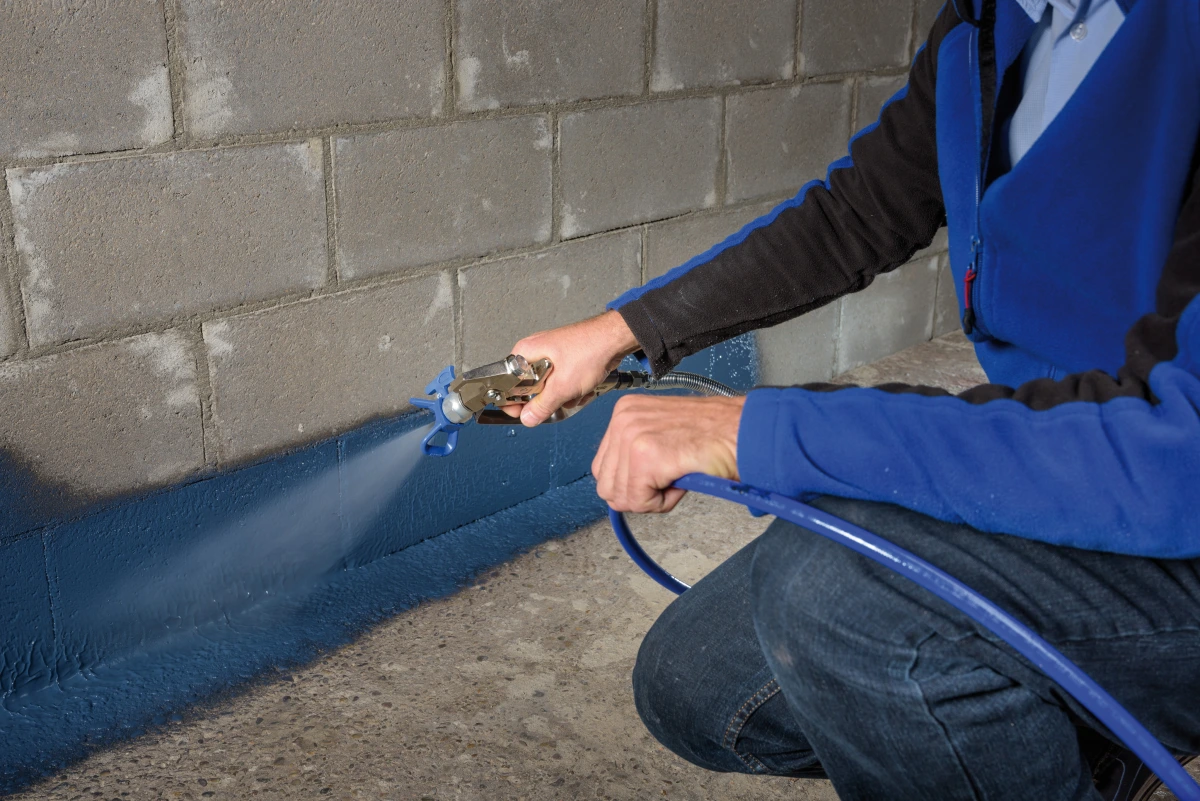
The primary consequence of ignoring air leaks is a direct hit to the household budget through wasted energy. Market data indicate that air leakage can account for 25% to 40% of the energy used for heating and cooling in a typical American home. When a house cannot hold its temperature, the HVAC system runs longer and works harder to compensate for the loss.
Understanding the Stack Effect
This phenomenon occurs when warm air rises inside the home and escapes through gaps in the ceiling or attic. This escape creates a vacuum at the lowest level of the house, drawing in cold, unconditioned air through the foundation and rim joists. Without sealing these entry and exit points, the cycle continues indefinitely, forcing the heating system to heat the same air over and over.
Strain on Mechanical Systems
New HVAC equipment installed during a renovation will fail to operate at its rated efficiency if the building envelope remains leaky.
- Reduced Lifespan: Constant cycling wears out parts faster.
- Warranty Issues: Some manufacturers may void warranties if equipment is installed in a substandard envelope.
- Inconsistent Temperatures: The system cannot keep up with the rate of leakage in extreme weather.
Bonus Tip: Recessed Lighting Leaks
One of the most common leakage points homeowners miss is around recessed lighting fixtures (can lights). Standard fixtures have vents that allow attic air to pour into the living room. Replacing these with IC-rated, air-tight fixtures or sealing them with covers during the renovation significantly reduces energy waste.
Micro-Leakage Accumulation
While a single crack around a window might seem insignificant, the cumulative effect of hundreds of small leaks is substantial. Building scientists compare the total area of these micro-leaks in an average home to leaving a medium-sized window wide open 24 hours a day, 365 days a year.
Moisture Risks and Structural Decay
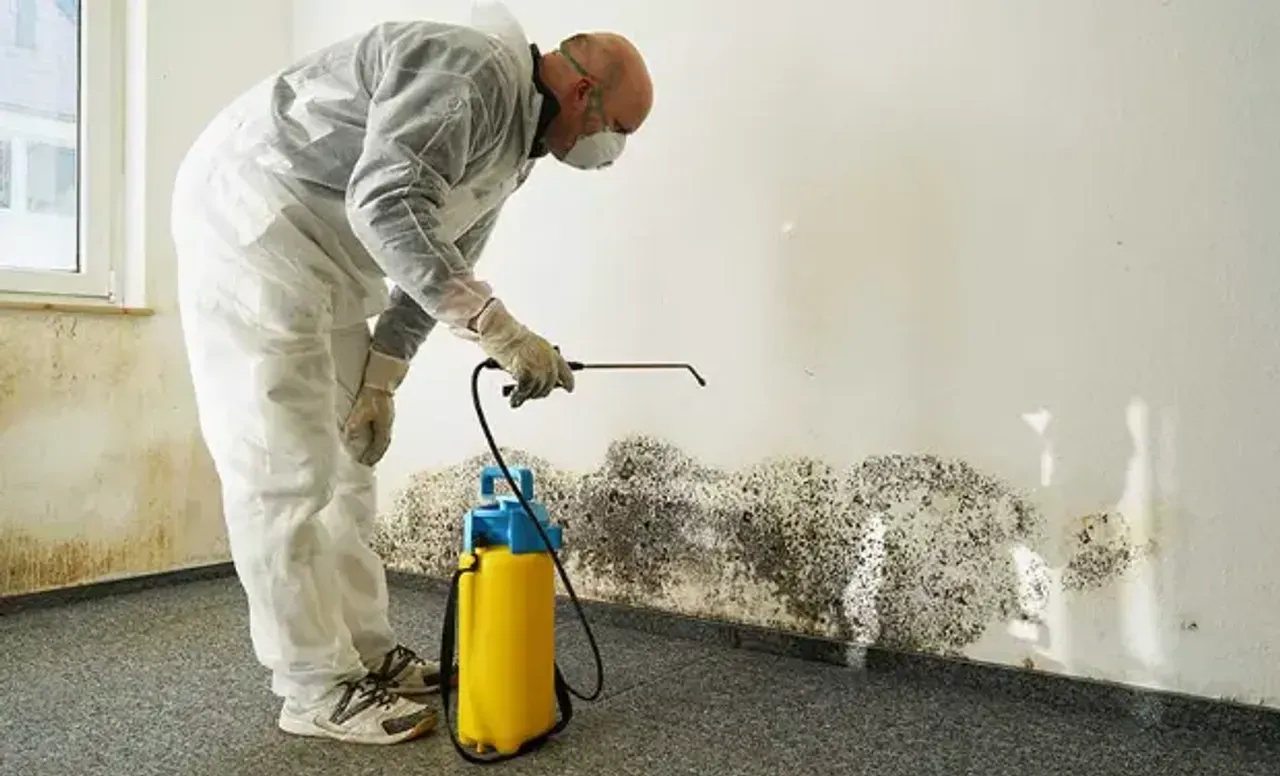
In humid climates like the Eastern Shore of Maryland, air sealing primarily serves as a moisture management strategy. Air carries water vapor, and when that air moves through wall cavities, it deposits moisture on cool surfaces. Over time, this condensation creates an environment where mold and rot can thrive, threatening the home's structural integrity.
The Path to Mold Growth
Mold needs three things to grow: a food source (wood or drywall), a temperature range (which humans also like), and moisture. We cannot eliminate the first two, so controlling moisture is the only defense.
- Condensation Points: Leaky walls allow warm, humid air to hit cold sheathing in winter.
- Hidden Damage: Rot often occurs inside the walls, where it remains undetected for years.
- Health Hazards: Mold spores circulate through the home, triggering allergies and respiratory issues.

Comparing Renovation Outcomes
The table below illustrates the long-term differences between a project with air sealing and one without.
| Factor | Renovation With Air Sealing | Renovation Without Air Sealing |
|---|---|---|
| Energy Bills | Lower (15-30% savings) | High (Continued waste) |
| HVAC Performance | Optimal efficiency | Overworked / Short cycling |
| Indoor Comfort | Consistent temperatures | Drafty / Hot & Cold spots |
| Moisture Risk | Low (Vapor movement controlled) | High (Condensation in walls) |
| Indoor Air Quality | High (Pollutants blocked) | Low (Dust/Pollen infiltration) |
| Pest Control | Entry points blocked | Easy access for insects/mice |
Comfort and Environmental Quality
A renovated home should look good and feel good, but skipping air sealing often results in a space that feels drafty and uncomfortable. Uncontrolled air movement creates temperature stratification, where floors remain cold while heat collects at the ceiling. Furthermore, air leaks serve as highways for outdoor pollutants, dust, and allergens to enter the home, degrading the indoor air quality.
Pollutant Infiltration
When air enters a home through a crawl space or attic, it brings contaminants with it. This can include fiberglass particles, insulation dust, rodent waste, and agricultural chemicals from outside. Sealing the boundary between the living space and these unconditioned areas forces air to enter through the HVAC filter, ensuring a cleaner breathing environment for the family.
Things to Consider Before Making a Decision
Homeowners planning a renovation must decide on the scope of work before the walls are closed up. Once new drywall and paint are applied, accessing critical leakage points becomes difficult and expensive.
- Timing: The best time to air-seal is during the "rough-in" phase, when framing is exposed.
- Budget: Air sealing materials are relatively cheap; the cost is primarily labor, which pays for itself in savings.
- Professional Testing: A blower door test can pinpoint where leaks are before renovations begin.
Conclusion
Neglecting to air seal during a renovation is a missed opportunity that often leads to regret. While granite countertops and new flooring offer visual appeal, the building envelope's performance determines the home's long-term livability. Skipping this step results in higher costs, reduced comfort, and an increased risk of moisture damage that can shorten the building's lifespan.
Homeowners who prioritize the "invisible" upgrades alongside the visible ones protect their investment and ensure their renovated space performs as beautifully as it looks. A sealed home is efficient, durable, and healthy. It represents the difference between a cosmetic update and an actual home improvement.
Taking the Next Step
For residents in Easton and the surrounding areas, Peninsula Insulation provides expert guidance to ensure renovations achieve maximum efficiency. Their team assesses projects during critical planning stages to identify air-sealing opportunities others might miss. They focus on delivering comprehensive solutions that protect the home from energy loss and moisture intrusion.
To discuss an upcoming renovation or schedule an assessment, interested parties can contact the company directly. Reach out via email at [email protected] or call (410) 770-2624 to speak with a knowledgeable representative. The team is ready to help build a more comfortable and durable future for your home.
Questions People Ask About Air Sealing
Is air sealing essential if I have sound insulation?
Yes, insulation is like a blanket, while air sealing is like a windbreaker. You need both to stay warm. Insulation filters air but does not stop it; air sealing stops the movement of air so the insulation can hold the heat effectively.
Can I air-seal my home after the renovation is complete?
It is possible, but much more difficult and less effective. You can seal accessible areas in the attic and basement, but leaks inside the walls or between floors will likely remain permanently inaccessible once the renovation is complete.
Does air sealing cause moisture problems?
On the contrary, air sealing prevents moisture problems. Most moisture enters wall cavities through air movement. However, a very tight house requires mechanical ventilation (like an ERV) to ensure fresh air exchange and remove internal humidity from cooking and showering.
How much does air sealing cost?
The cost varies based on the home's size and the scope of work. However, it is generally one of the lowest-cost improvements with the highest return on investment regarding energy savings and comfort.
Will air sealing help with sound?
Yes, sealing air gaps also blocks sound pathways. Air sealing helps reduce noise from outside traffic, neighbors, and the weather, contributing to a quieter, more peaceful indoor environment.
Author: Wil Perkins is the founder of Peninsula Insulation and a long-time resident of Easton, Maryland. With a hands-on approach and nearly five years in the insulation business, Wil leads a team known for professional service and quality work. He’s committed to providing the best Spray Foam Insulation solutions and lasting results for every project.
Reviewer: Emily Martinez has 12 years of experience in spray foam insulation. She reviewed this article and suggested ways to make the content more useful for contractors looking to grow their customer base.






















Sign in to leave a comment.