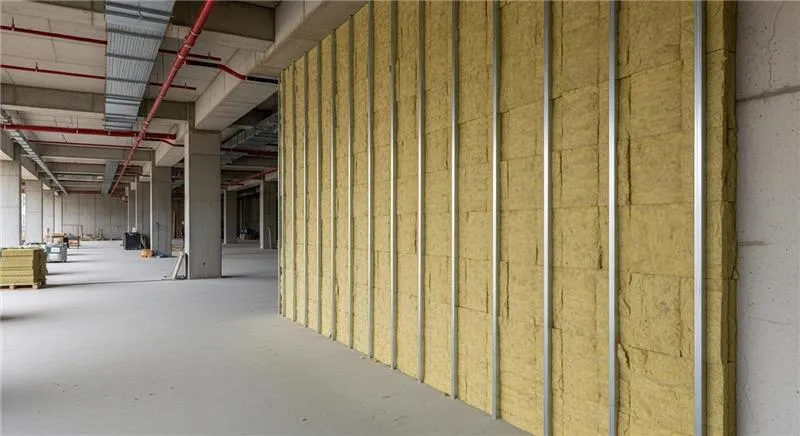
Mineral wool stands out as a premier choice for property owners seeking to upgrade their thermal envelope using materials derived from the earth. Produced from spun volcanic rock or recycled steel slag, this insulation type offers a density that lighter materials cannot match. The heavy, fibrous structure effectively slows heat transfer, keeping indoor spaces warmer in winter and cooler in summer without relying on synthetic blowing agents.
The natural composition of this material appeals to those seeking sustainable building solutions that do not compromise performance. Unlike foam products that degrade over time or fiberglass that can sag, mineral wool insulation maintains its shape and R-value for decades. Industry experts often recommend this solution for its ability to handle the dual challenges of temperature regulation and moisture control in a single product.
The Mechanism Behind Stone Wool Performance
The primary mechanism that makes mineral wool effective is its ability to trap stagnant air within a complex matrix of stone fibers. Because the material is naturally dense, it resists heat conduction more effectively than low-density fiberglass products. This physical property ensures that the temperature inside a home remains stable regardless of the weather conditions outside.
High-Density and Thermal Mass Benefits
Thermal mass refers to a material's ability to absorb and store heat, helping regulate temperature fluctuations throughout the day. Mineral wool has a higher mass than standard batts, allowing it to buffer the interior against rapid outdoor temperature changes. This stability reduces the frequency of heating and cooling cycles, leading to lower energy bills.
Preventing Convective Air Loops
Inside low-density insulation, air can sometimes circulate in small loops when there is a significant difference between indoor and outdoor temperatures. These convective loops can strip heat from the drywall and transfer it to the exterior sheathing, thereby reducing the wall assembly's effective R-value. Mineral wool is thick enough to stop internal air movement completely, maintaining its full insulating power even during the coldest nights.
Bonus Tip: Friction Fit Installation
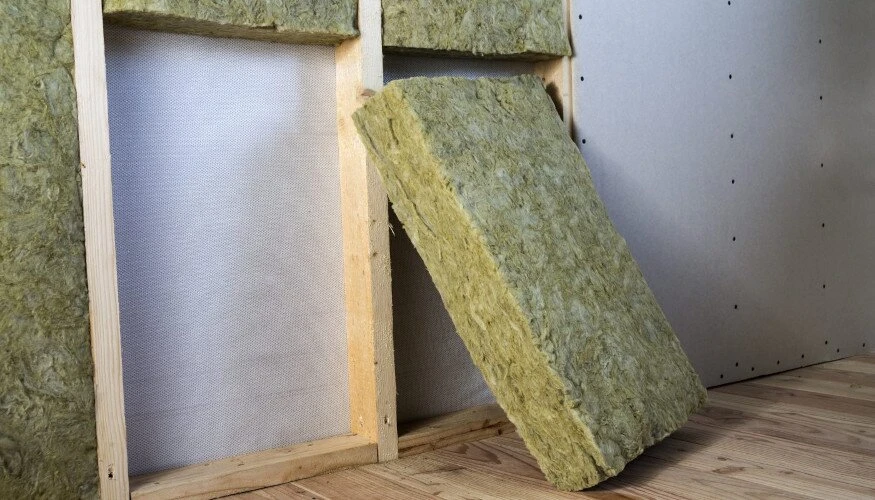
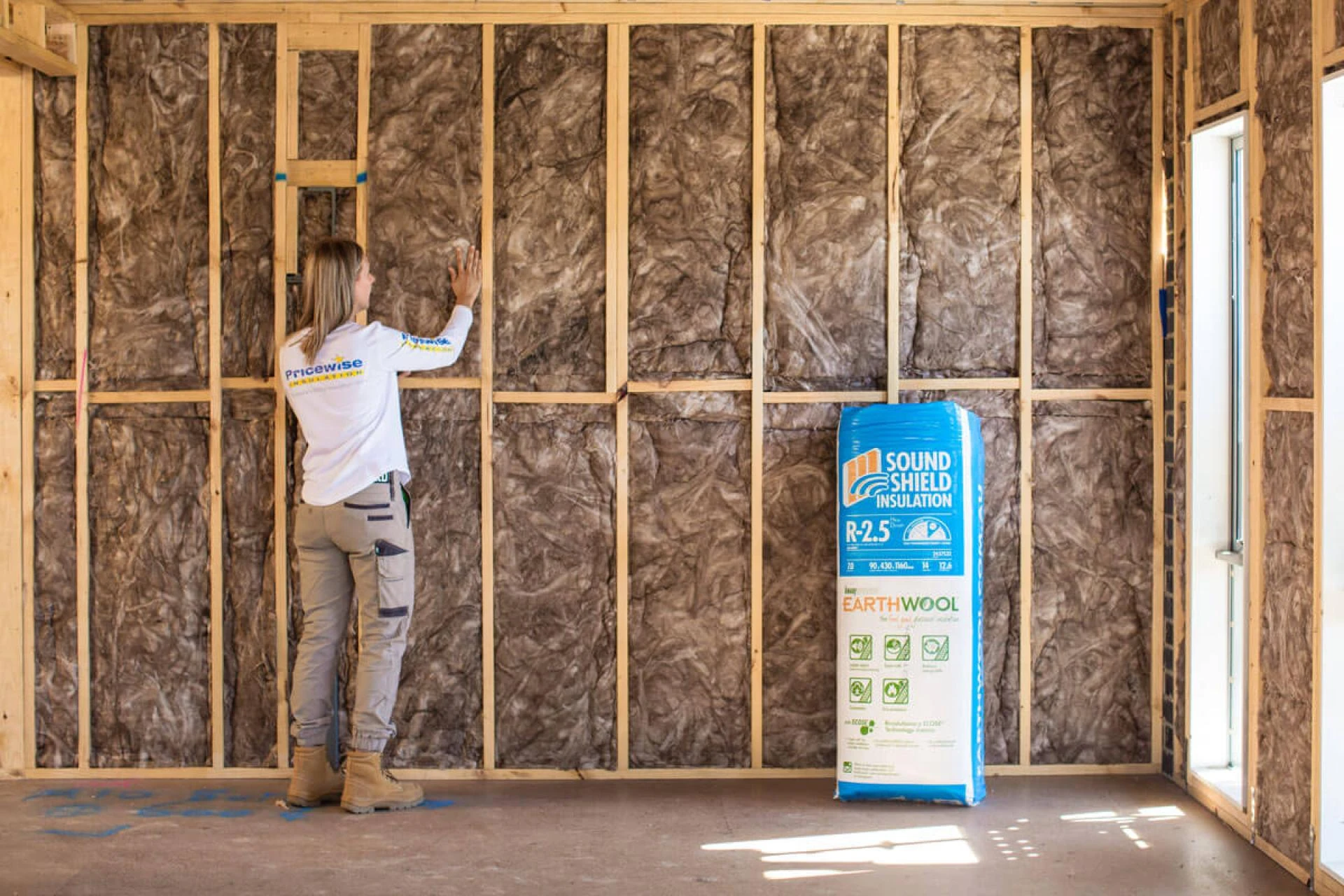
One practical advantage of mineral wool is that it cuts cleanly and holds its shape due to its structural rigidity. Installers can cut the batts slightly larger than the stud bay to create a tight friction fit that stays in place without staples or wires. This tight fit eliminates gaps along the edges of the studs where heat often escapes in other types of batt installations.
Understanding Specific Density Metrics
Technical specifications often list insulation density in pounds per cubic foot, a metric that indicates quality and performance. Standard mineral wool typically weighs around 2.5 pounds per cubic foot, compared to just 0.5 to 1.0 pounds for fiberglass. This extra weight confirms the presence of additional material to block heat flow and effectively dampen sound vibrations.
Moisture Management and Durability
Beyond temperature control, managing moisture is a necessary function of any building envelope, especially in humid regions like the Eastern Shore. Mineral wool is naturally hydrophobic, meaning it repels water rather than absorbing it. This characteristic prevents the material from sagging or losing its R-value if it gets damp from a minor leak or high humidity.
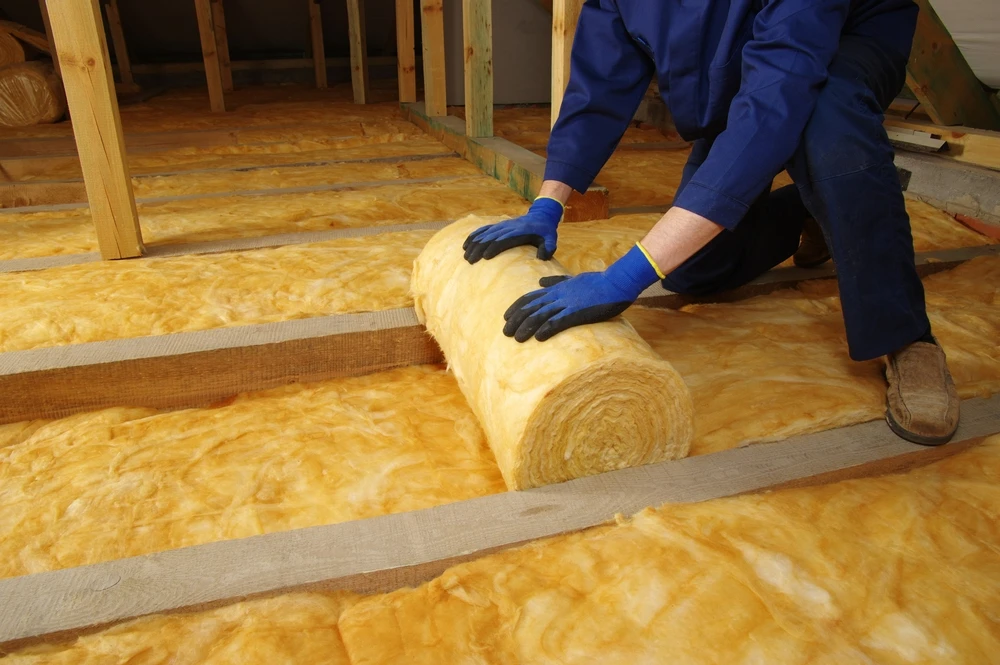
Comparing Insulation Materials
Choosing the right material requires a clear understanding of how different products perform in real-world scenarios involving heat, fire, and water. The table below outlines the key performance differences to help property owners make an informed choice for their specific needs.
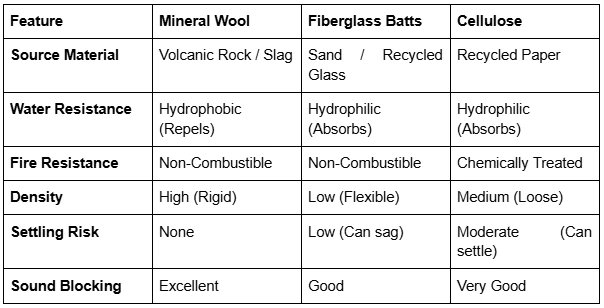
Things to Consider Before Making a Decision
While the benefits are significant, installing mineral wool requires planning and an understanding of the installation process. The material is heavier and more complex to cut than softer alternatives, often requiring a serrated knife or a saw for precise fitting. Property owners should weigh these installation factors against the long-term performance gains they expect.
- Weight Load: Ensure the ceiling drywall is securely fastened to support the heavier batts without sagging.
- Installation Effort: Cutting stone wool takes more time and effort than slicing through lighter fiberglass rolls.
- Protective Gear: The fibers can be irritating to the skin, so proper clothing and masks are necessary during handling.
- Cost Factor: Mineral wool often costs more per square foot upfront but offers better longevity and fire protection.
Conclusion
Mineral wool insulation offers a robust solution for improving thermal efficiency through natural materials and superior physics. Its ability to manage heat, resist fire, and repel water makes it a wise investment for long-term home performance. By choosing a material that stays in place and performs consistently, property owners secure lasting comfort and energy savings.
Evaluating a building's specific needs often leads to mineral wool as the preferred choice for those who value durability and safety. When installed through expert insulation services, it transforms standard walls into high-performance barriers against the elements. The result is a home that operates efficiently and provides a haven for its residents
Taking the Next Step
For residents in Easton and the surrounding Maryland areas, Peninsula Insulation provides expert guidance on selecting the right materials for any project. Their team understands the local climate challenges and offers professional installation services that maximize the benefits of mineral wool. They focus on delivering high-quality results that improve the safety and efficiency of every home they service.
To learn more about how mineral wool can benefit a specific property, interested parties can contact the company directly. Reach out via email at [email protected] or call (410) 770-2624 to speak with a knowledgeable representative. The team is ready to answer questions and help plan a successful insulation upgrade.
Questions People Ask About Mineral Wool
Many homeowners have specific concerns regarding the safety and practicality of using rock-based insulation in their living spaces. Addressing these common inquiries helps clarify why this material is a safe and effective option for modern construction.
Is mineral wool fire-resistant?
Yes, mineral wool is non-combustible and can withstand temperatures exceeding 2,000 degrees Fahrenheit without melting. It acts as a fire barrier, delaying the spread of flames and providing valuable time for occupants to evacuate during an emergency.
Does it contain recycled materials?
Most mineral wool products contain a significant percentage of recycled content, often steel slag, which is a byproduct of metal manufacturing. This use of industrial byproducts makes it a responsible choice for environmentally conscious building projects.
Will it settle over time like loose fill?
Mineral wool batts are rigid and dense, so they do not settle or slump in wall cavities over time. This stability ensures that the top of the wall remains insulated for the life of the building, unlike some blown-in products.
Does mineral wool block sound?
The material's high density makes it excellent for soundproofing between rooms and blocking outside noise. It effectively absorbs sound waves, creating a quieter, more peaceful indoor environment compared to standard insulation.
Is it resistant to mold growth?
Since the fibers are made from inorganic rock and steel, they do not provide a food source for mold or bacteria. Additionally, the material drains water freely, helping keep the wall cavity dry and resistant to fungal growth.
Author: Wil Perkins is the founder of Peninsula Insulation and a long-time resident of Easton, Maryland. With a hands-on approach and nearly five years in the insulation business, Wil leads a team known for professional service and quality work. He’s committed to providing the best Spray Foam Insulation solutions and lasting results for every project.
Reviewer: Emily Martinez has 12 years of experience in spray foam insulation. She reviewed this article and suggested ways to make the content more useful for contractors looking to grow their customer base.























Sign in to leave a comment.