Blown-in insulation offers a high-performance solution for homes needing improved energy efficiency, yet it remains one of the most misunderstood products in the construction industry. Many property owners hesitate to choose this material because of outdated information about its durability, safety, and effectiveness. The reality is that loose-fill insulation, when installed correctly, provides superior coverage by filling irregular gaps and voids that traditional batt insulation often misses.
Separating fact from fiction helps homeowners make informed decisions that impact their comfort and utility bills for years. Industry experts recognize that the technology behind fiberglass and cellulose loose-fill products has advanced significantly, addressing past concerns about settling and fire resistance. This article examines the most persistent myths surrounding blown-in insulation experts and provides the technical facts needed to evaluate its actual value.
Myths Regarding Performance and Coverage
One of the primary concerns for any insulation project is whether the material will maintain its R-value over time. Skeptics often claim that loose-fill materials degrade quickly or fail to provide a consistent thermal barrier. However, field data shows that blown-in insulation actually outperforms rolled batts in many scenarios because it creates a seamless blanket across the attic floor or wall cavity.
Myth: Blown-In Insulation Settles and Loses Value
Many people believe that loose-fill insulation will compress over time, leaving gaps in walls or reducing attic R-value. While some settling is natural, modern products are designed to remain stable. Cellulose and fiberglass now follow strict density standards, and proper installation ensures the insulation maintains its effectiveness for years.
- Minimal Settling: Advances in manufacturing reduce compression compared to older products.
- Density Standards: Products meet specific requirements to maintain consistent performance.
- Proper Installation: Following guidelines ensures even coverage and long-term effectiveness.
- Reliable R-Value: Modern blown-in insulation retains its thermal performance over time.
- Peace of Mind: Homeowners can trust that loose-fill insulation continues to provide energy efficiency.
The Truth About Modern Settling
Manufacturers account for the "settling factor" on the coverage charts printed on every bag of insulation. Professional installers blow the material to a calculated thickness slightly higher than the target depth. This ensures that even after the material reaches its final resting density, the thermal resistance remains at or above the specified R-value for the life of the home.
Bonus Tip: Installing Depth Rulers
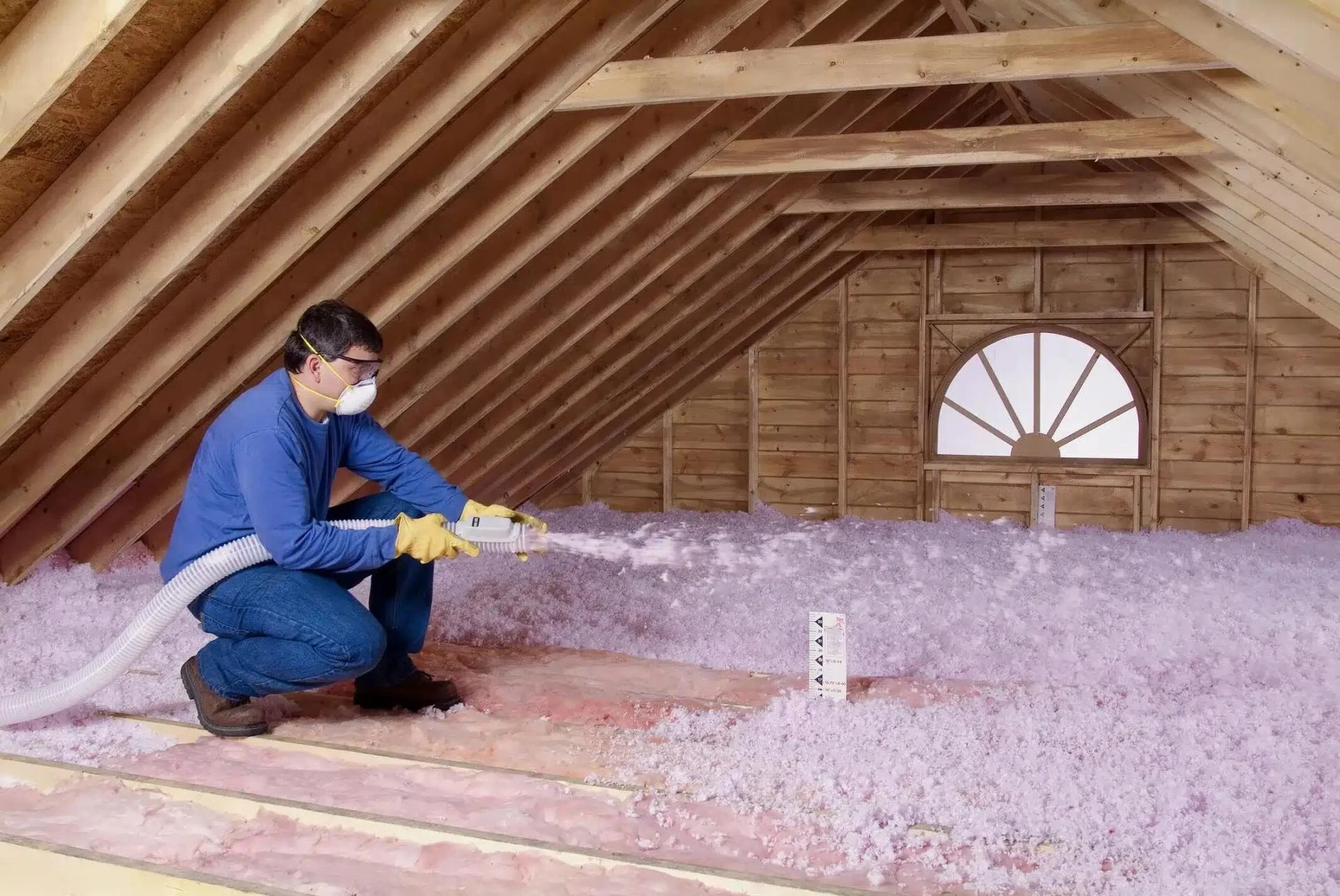
To monitor performance over time, installers staple cardboard rulers to the attic joists before spraying. These markers allow homeowners to visually verify that they received the correct amount of material during installation. It also provides a simple way to check insulation levels annually without specialized equipment.
Understanding Dense Packing
In wall applications, contractors use a technique called "dense packing," where the material is injected under high pressure. This method compresses the insulation so tightly that it cannot settle over time. It turns the loose fibers into a dense, semi-rigid block that resists airflow and stays in place permanently.
Myths About Safety and Material Composition
Safety concerns often arise regarding the flammability of cellulose or the health impact of fiberglass particles. These myths frequently deter people from using materials that are actually among the safest and most eco-friendly options available. Understanding the chemical treatments and physical properties of these products reveals a different story.
Myth: Cellulose Insulation is a Fire Hazard
Since cellulose is made primarily from recycled paper, many assume it poses a significant fire risk. In reality, cellulose insulation is treated with borates, a class of mineral salts that act as powerful fire retardants. This treatment is so effective that in demonstration burns, a house insulated with cellulose often stands longer than one insulated with untreated materials because the dense fiber blocks the spread of oxygen.
Myth: Blown-In Material Attracts Pests
Another persistent rumor suggests that the soft, fluffy texture of blown-in insulation makes an ideal nesting ground for mice and insects. The same borate treatment that prevents fire also acts as a pest deterrent. The chemical composition is irritative to insects and rodents, making treated cellulose a hostile environment for unwanted guests rather than a welcoming home.

Things to Consider Before Making a Decision
Before choosing blown-in insulation, property owners should evaluate the existing condition of their attic or walls. If the space has significant air leaks, such as around light fixtures or plumbing stacks, blowing insulation over them without sealing them first will reduce efficiency. A proper installation plan always includes air sealing as a preliminary step to stop drafts.

Ventilation Requirements
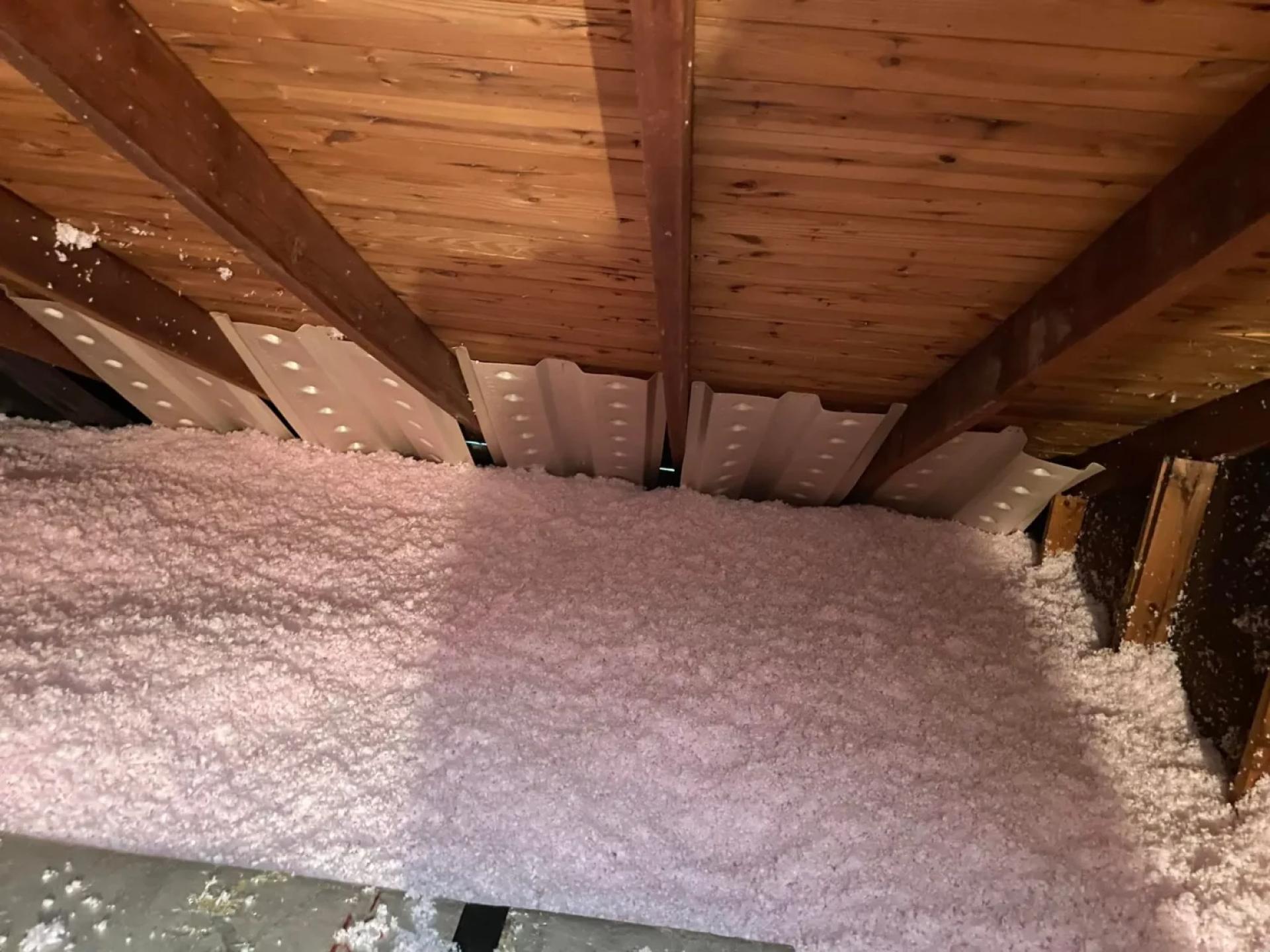
Adding a thick layer of insulation to an attic floor can inadvertently block the soffit vents, which provide the airflow needed to the roof deck. It is essential to install baffles or rafter vents to ensure fresh air can still circulate along the underside of the roof. Without this step, trapped moisture can lead to roof rot and mold growth, regardless of the insulation type used.
Conclusion
Dispelling the myths surrounding blown-in insulation reveals a product that is safe, effective, and economically smart for modern homes. Far from being a fire hazard or a settling liability, treated cellulose and fiberglass provide robust thermal protection that adapts to the unique shape of any structure. The key lies in professional insulation services that ensure proper installation, accounting for density, air sealing, and ventilation.
By filling the gaps that rolled batts miss, this method reduces heat loss more effectively and helps maintain a consistent indoor temperature. Evaluating the facts allows for a confident decision that improves home value and comfort.
Taking the Next Step
For residents on the Eastern Shore looking to improve their home's efficiency, Peninsula Insulation offers expert assessments and installation services. Their team understands the specific requirements for installing blown-in insulation correctly to maximize performance and longevity. They take the time to inspect the property and recommend the right solution for each unique situation.
To discuss an insulation project or schedule a consultation, interested parties can contact the company directly. Reach out via email at [email protected] or call (410) 770-2624 to speak with a knowledgeable representative. The team is ready to answer questions and provide the professional guidance needed for a successful upgrade.
Questions People Ask About Blown-In Insulation
Can blown-in insulation be installed over old insulation?
Yes, in most cases, fresh blown-in material can be added directly on top of existing fiberglass batts or older loose-fill. This is a cost-effective way to increase the R-value without the expense of removal.
Does blown-in insulation make the house dusty?
During installation, there will be some dust, but professional equipment uses vacuums and seals to minimize the mess. Once the material is in place and the access points are closed, it does not contribute to household dust. In fact, it can help filter air moving through the attic.
Is blown-in insulation cheaper than spray foam?
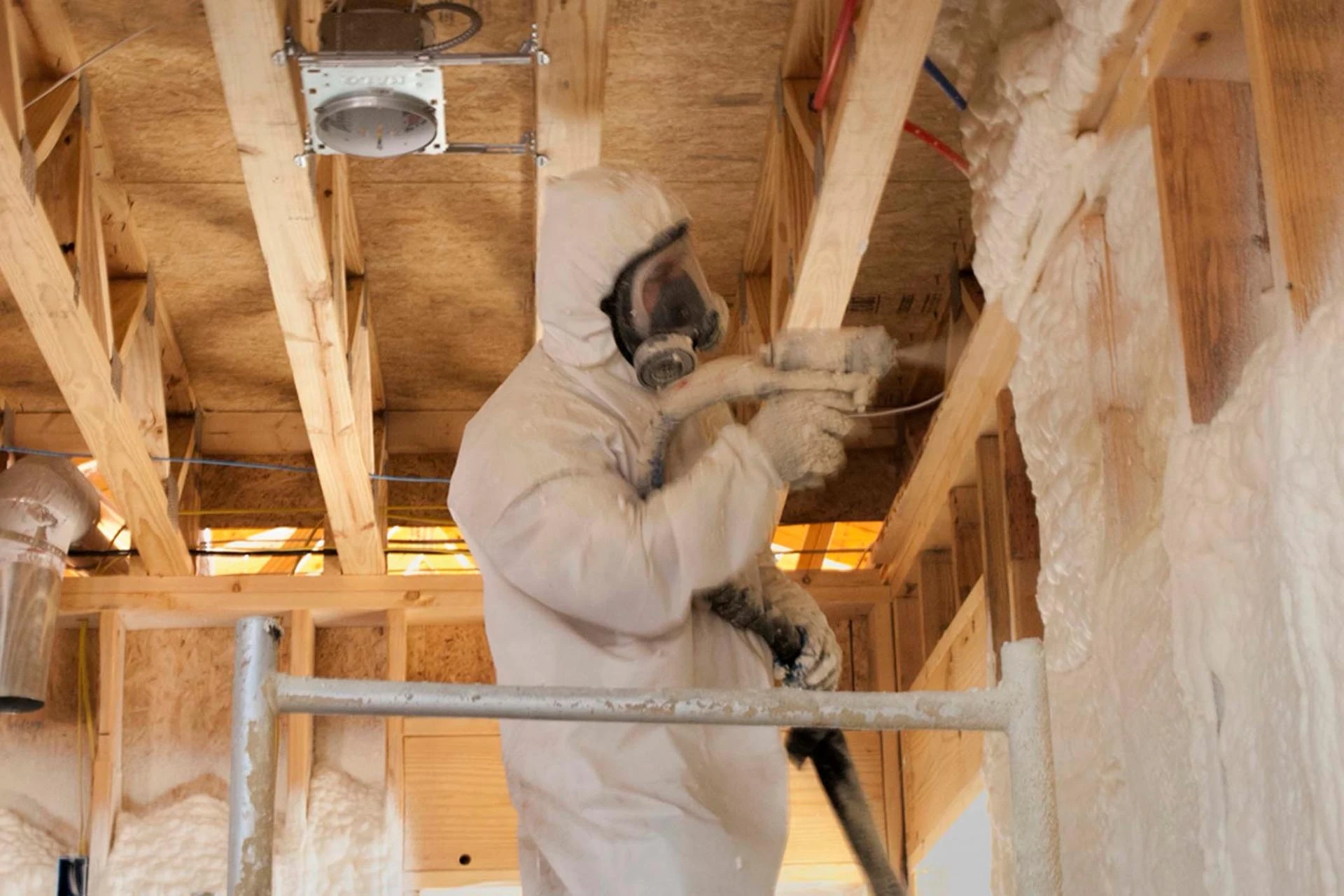
Market data consistently shows that blown-in insulation is significantly less expensive upfront than spray foam. While spray foam offers superior air sealing and higher R-values per inch, blown-in remains the most cost-effective method for insulating accessible attics and achieving quick energy savings.
How long does blown-in insulation last?
When undisturbed, blown-in fiberglass and cellulose can last for the life of the building, typically exceeding 30 to 50 years. It does not decay or break down on its own. The only reasons to replace it are water damage, heavy pest infestation, or renovations that disturb the thermal layer.
Does blown-in insulation help with soundproofing?
Yes, the density of blown-in cellulose makes it an excellent sound absorber. When densely packed into interior walls or floor systems, it significantly reduces sound transmission between rooms. It creates a quieter indoor environment compared to empty wall cavities or standard batts.
Author: Wil Perkins is the founder of Peninsula Insulation and a long-time resident of Easton, Maryland. With a hands-on approach and nearly five years in the insulation business, Wil leads a team known for professional service and quality work. He’s committed to providing the best Spray Foam Insulation solutions and lasting results for every project.
Reviewer: Emily Martinez has 12 years of experience in spray foam insulation. She reviewed this article and suggested ways to make the content more useful for contractors looking to grow their customer base.
























Sign in to leave a comment.