

Closed-cell spray foam is widely recommended for both homes and offices because it functions as an all-in-one insulation and structural solution. Unlike any other single product, it combines a high R-value thermal insulator, a nearly perfect air barrier, a robust moisture and vapor barrier, and it even adds structural strength to the building assembly. This multi-functionality makes it an exceptionally durable and effective choice for creating energy-efficient, comfortable, and resilient buildings, whether for living or working.
While the primary goal of spray foam is to save on energy costs, closed-cell spray foam insulation services offer a unique set of integrated benefits that protect the building's long-term health and improve the indoor environment. This guide explores the specific properties that make closed-cell foam a preferred choice for a wide range of applications, from residential crawl spaces to commercial steel-framed walls. The information presented is based on established building science principles and has been reviewed for technical accuracy by industry experts, including Emily Martinez, who brings over 12 years of hands-on experience.
Unmatched Thermal Performance
The first and most well-known benefit of closed-cell spray foam is its exceptional thermal resistance.
High R-Value in a Slim Profile
Closed-cell foam has one of the highest R-values per inch of any commercially available insulation, typically ranging from R-6 to R-7 per inch. This high performance comes from its unique structure. The foam is composed of millions of tiny, sealed cells filled with a trapped, non-conductive gas. This gas is a much poorer conductor of heat than air, which gives the foam its superior insulating capability.
This high R-value is a major advantage in construction, where space is often limited. To meet modern energy codes, a builder using traditional insulation in a 2x4 wall might struggle to achieve the required R-value. With closed-cell foam, they can easily meet or exceed the code in the same space. This is equally true for commercial steel stud construction, where thermal bridging through the steel makes high-performance spray foam insulation a necessity. The demand for such high-efficiency materials continues to grow as building energy codes become more stringent.
An Integrated Air and Moisture Barrier
Beyond its thermal performance, closed-cell foam’s ability to control air and moisture movement is what truly sets it apart.
Creating an Airtight Seal
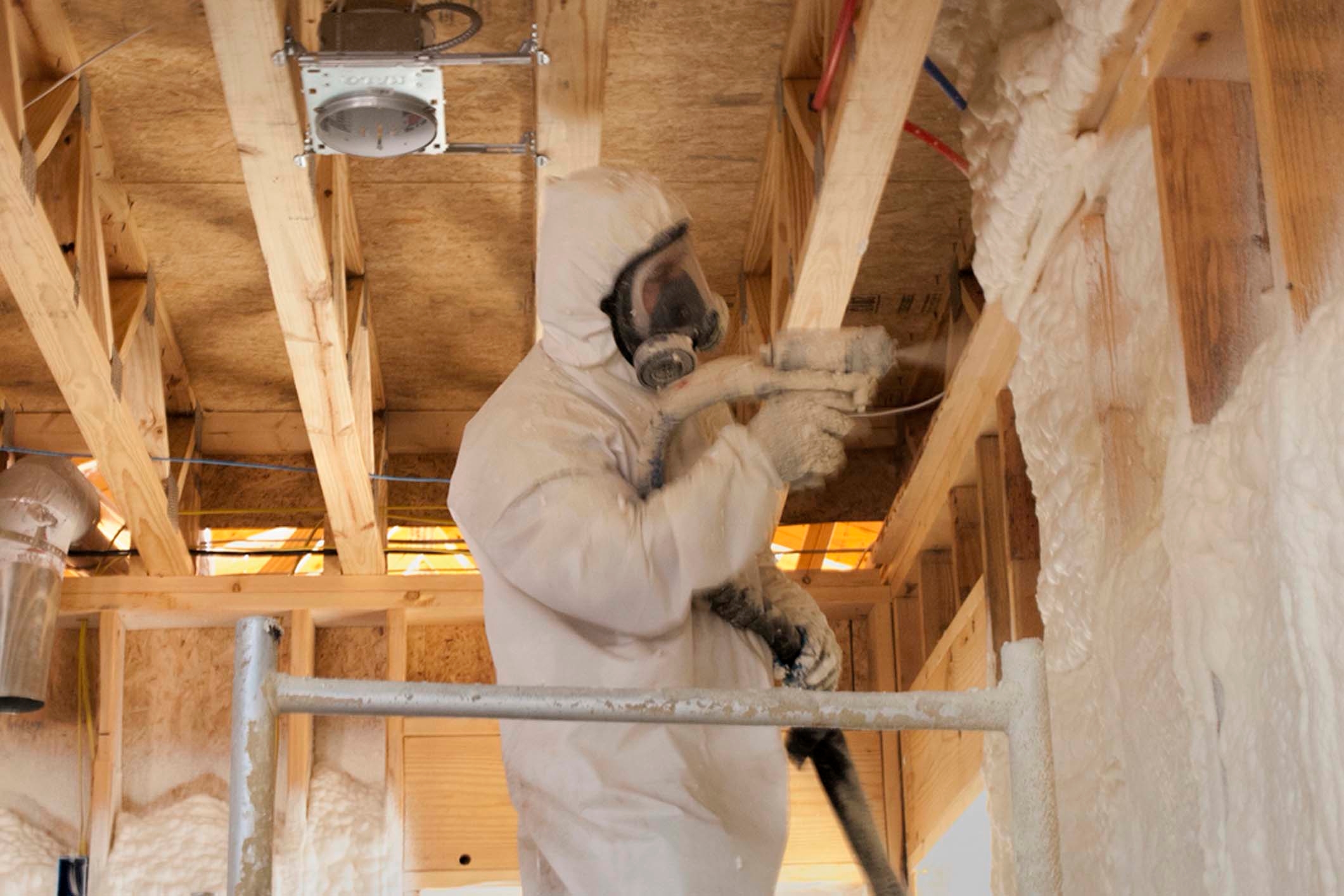
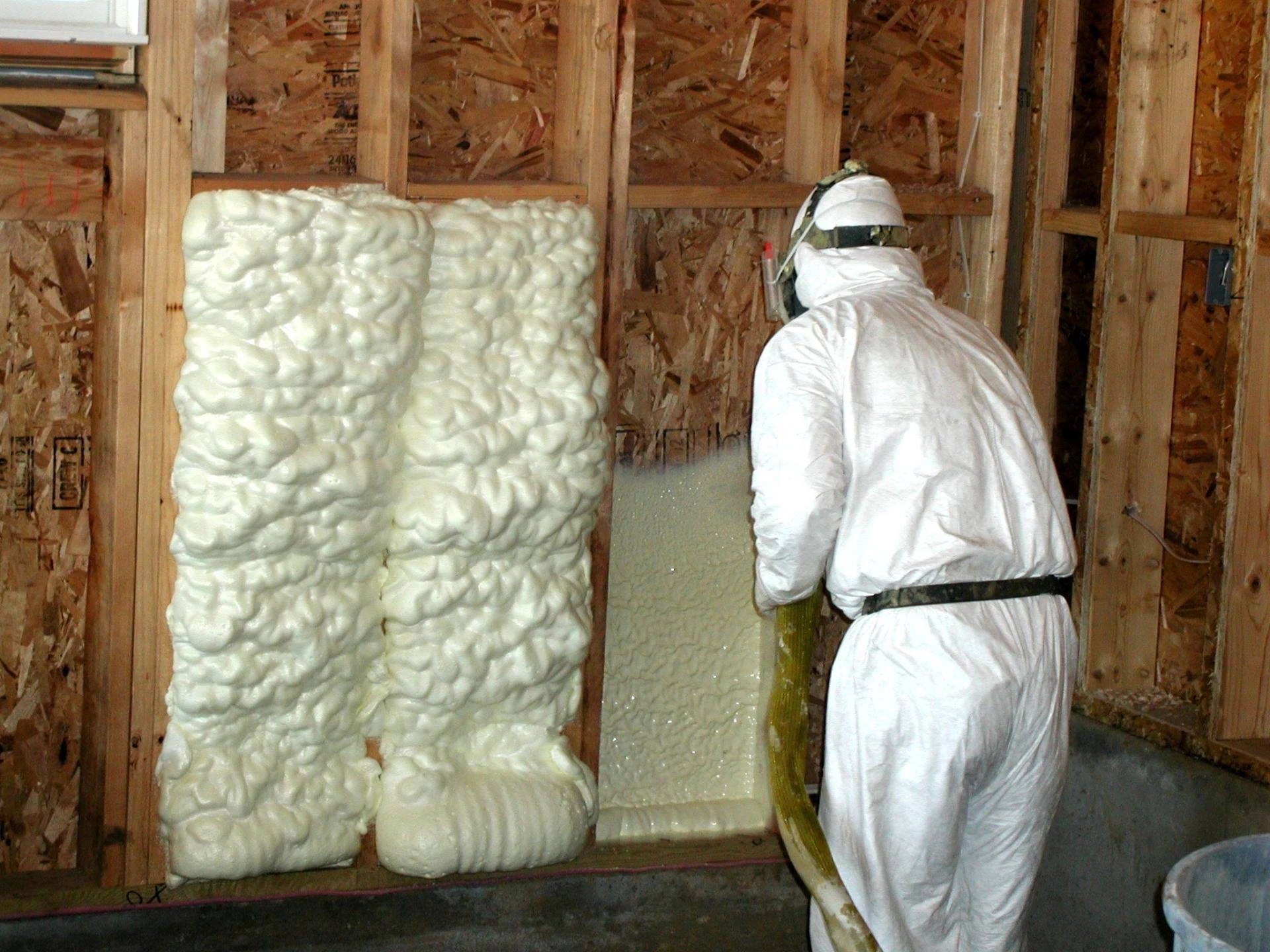
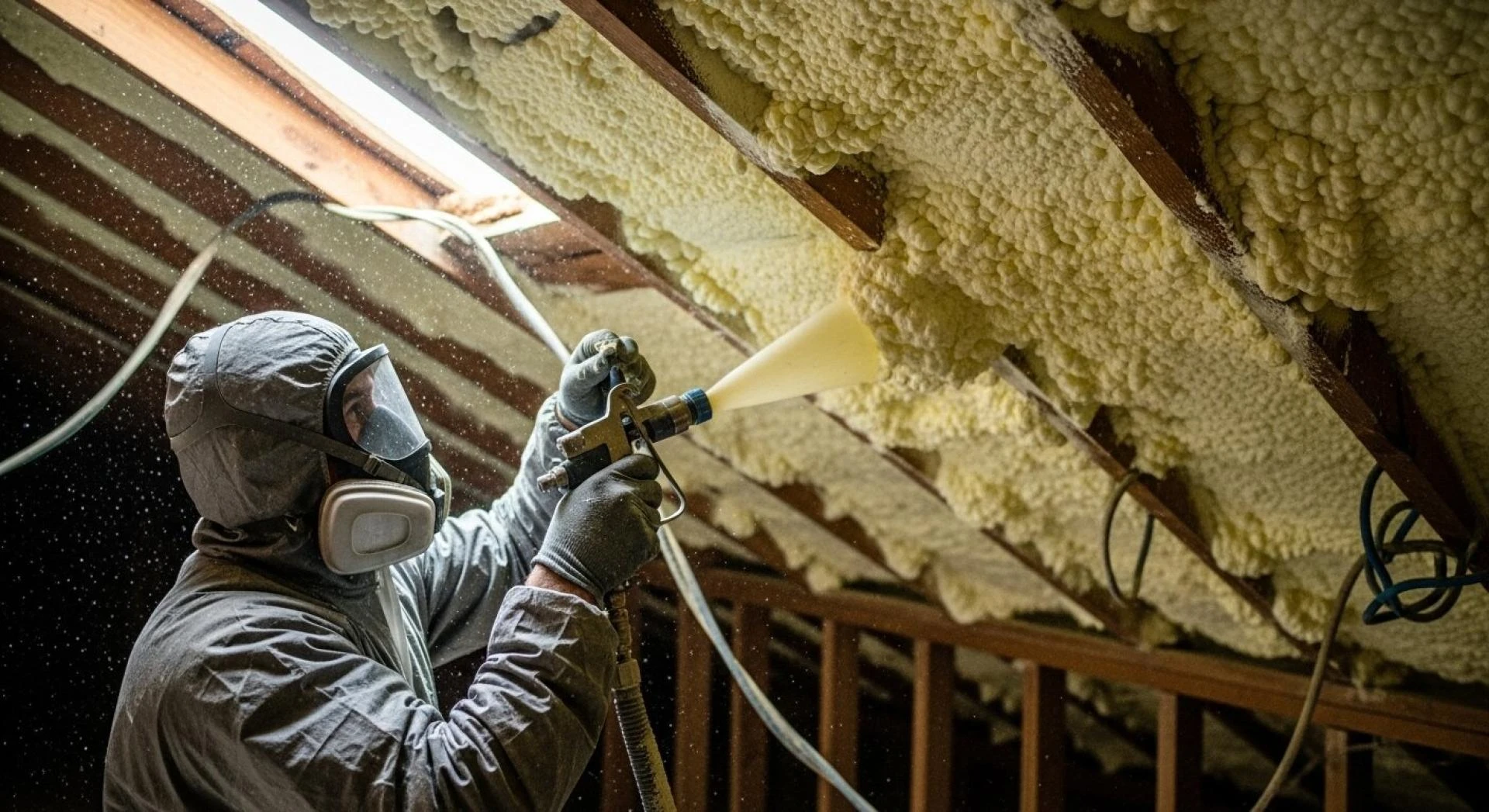
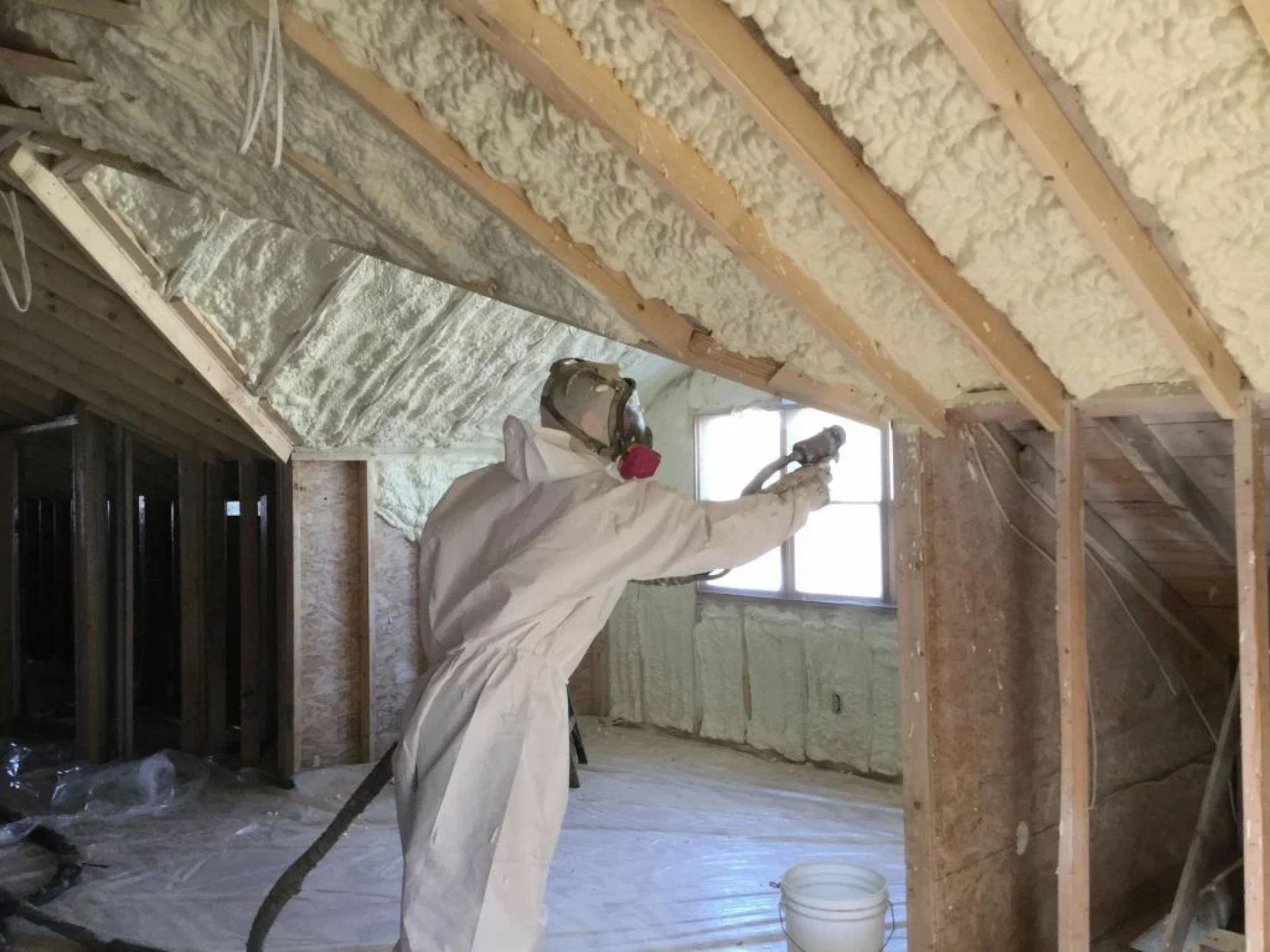
Closed-cell spray foam is applied as a liquid and expands to fill every crack and crevice, creating a continuous and seamless air barrier. This is critical because uncontrolled air leakage can account for a massive amount of energy loss and comfort problems. By stopping drafts and air infiltration, closed-cell foam ensures that the building's heating and cooling system can operate efficiently, without constantly fighting against outside air. For an office, this also means better control over indoor air quality by preventing outdoor pollutants and allergens from entering the workspace.
A Powerful Defense Against Moisture
The dense, sealed-cell structure of this foam makes it essentially waterproof. It will not absorb water, and when applied at a sufficient thickness (typically around 1.5 to 2 inches), it acts as a Class II vapor retarder. This means it blocks the movement of water vapor through the building assembly.
Regional Guidance: For homes and offices, this moisture-blocking capability is invaluable. The humid, salt-laden air from the Chesapeake Bay can wreak havoc on traditional building materials, leading to mold, mildew, and rot. Closed-cell spray foam provides a powerful defense, especially in vulnerable areas like crawl spaces and foundation walls, by preventing this moisture from ever entering the structure.
Adding Strength and Durability
A unique benefit of closed-cell spray foam is its ability to add significant structural integrity to a building.
When it cures, closed-cell foam becomes a very dense, rigid plastic. Because it adheres so strongly to the surfaces it's sprayed on, it effectively "glues" the framing members of a wall or roof together. This turns a collection of individual pieces of wood or steel into a single, solid, composite panel. Independent lab tests have consistently shown that applying closed-cell foam in a wall assembly can increase its racking strength, or its ability to resist being pushed out of square by lateral forces like wind, by up to 300 percent.
For homeowners, this means a house that feels more solid and is quieter and less prone to creaks and groans. For a commercial building owner, it means a more durable structure that is better able to withstand the long-term stresses of weather and use.
Bonus Tip: In commercial applications with large, flat roofs, closed-cell spray foam is often applied to the exterior of the roof deck. This creates a continuous, waterproof, and insulated membrane that protects the building and adds rigidity to the roof structure.
How Closed-Cell Compares to Other Insulation
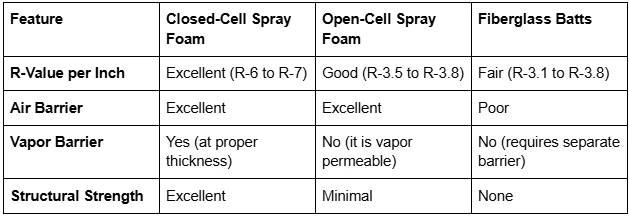
To put these unique benefits into context, the following table provides a quick comparison of the key features of closed-cell foam against other common insulation types.

Things to Consider Before Choosing Closed-Cell Foam
While its benefits are numerous, there are a few important considerations for any home or business owner.
- Application is Key: The performance of closed-cell spray foam is entirely dependent on a professional installation. The chemical ratio, temperature, and application technique must be perfect. An improper installation can result in a failed product.
- Intended Use: It is a premium product, and while it's an excellent choice for many applications, it may not be necessary for all of them. For example, for soundproofing an interior wall, the less expensive open-cell foam is often a better choice.
- Upfront Cost: Closed-cell spray foam has a higher initial cost than other insulation materials. It should be viewed as a long-term investment in a multi-functional product that adds durability, energy efficiency, and moisture protection to the building.
Your Top Questions About Closed-Cell Foam Answered
Why is closed-cell foam recommended for basements and crawl spaces?
Because these areas are below ground, they are highly susceptible to moisture from the surrounding soil. Closed-cell foam's ability to act as a complete moisture and vapor barrier makes it the ideal material to insulate and protect these spaces from dampness, mold, and rot.
Is closed-cell foam a fire hazard?
Like many building materials, spray foam is a plastic and is combustible. However, it is treated with a fire retardant. Building codes require that, in most applications, spray foam must be covered by a 15-minute thermal barrier, such as half-inch drywall, to ensure it is safe in the event of a fire.
Does the R-value of closed-cell foam decrease over time?
There can be a small, initial drop in R-value in the first year or two as some of the blowing agent escapes the cells and is replaced by air. This is a known phenomenon called "thermal drift." After this initial period, the R-value stabilizes and will remain constant for the life of the building. Reputable foam manufacturers account for this in their long-term aged R-value ratings.
Can it be used in an office with metal studs?
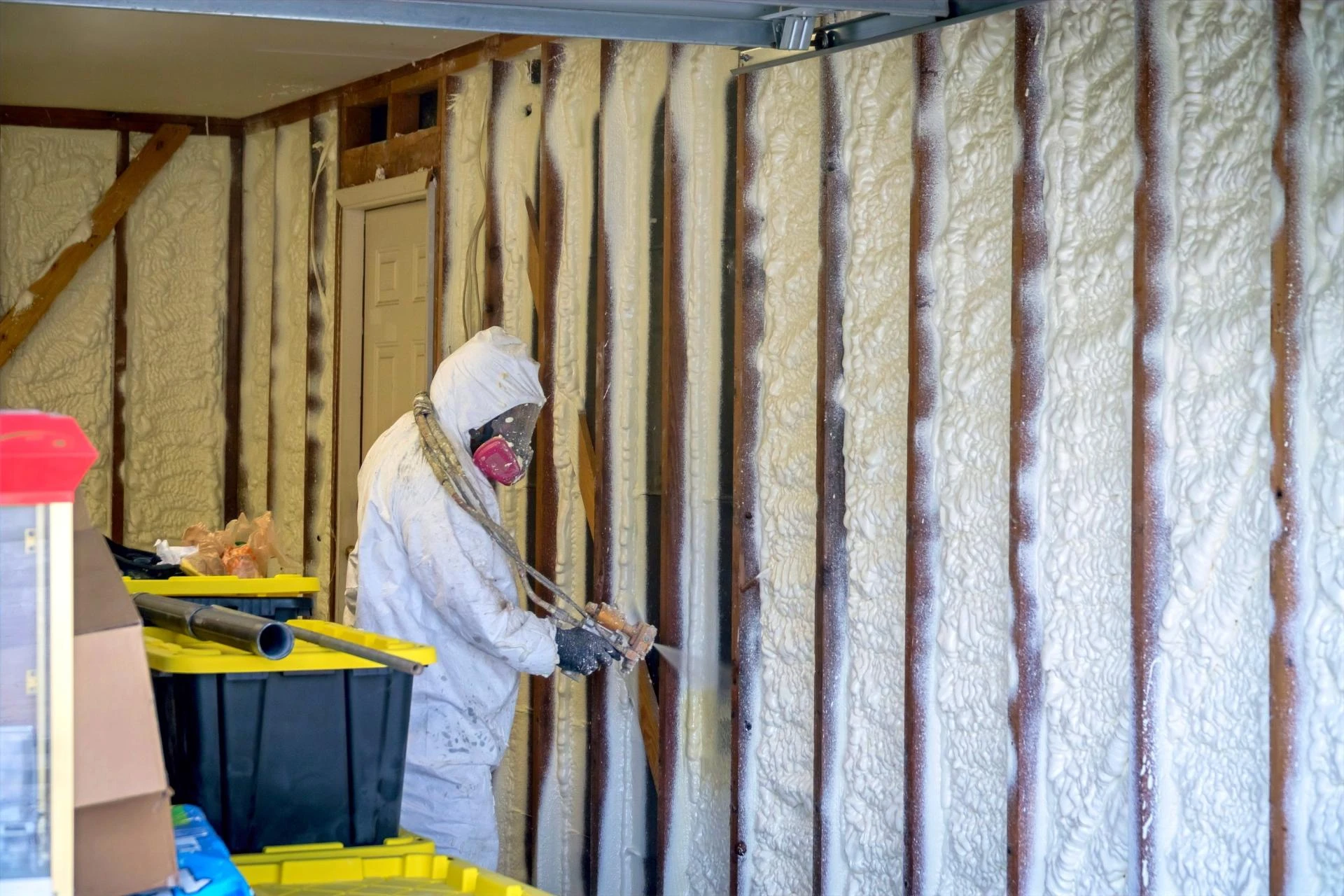
Yes, it is an excellent choice for commercial construction with steel framing. The high R-value helps to offset the thermal bridging effect of the conductive steel studs, and its air-sealing capability is a major benefit for maintaining indoor air quality and energy efficiency in a large commercial space.
A Final Word on This High-Performance Product
Ultimately, closed-cell spray foam is recommended for homes and offices because it addresses several building performance needs in a single application. By combining thermal control, air sealing, moisture management, and structural reinforcement, it delivers comprehensive results. For property owners seeking a long-term, durable, and highly effective solution, professionally installed closed-cell spray foam represents a sound investment in a building’s overall performance and longevity.
Getting a Professional Consultation for Your Property
To determine if closed-cell spray foam is the right solution for your specific project, a consultation with an experienced local professional is the best course of action. They can assess your property's needs and explain the benefits in the context of your goals and budget. For homeowners and business owners, companies like Peninsula Insulation offer this level of expertise. They can be reached for a detailed evaluation by calling (410) 770-2624 or by sending an email to [email protected].
Author: Wil Perkins is the founder of Peninsula Insulation and a long-time resident of Easton, Maryland. With a hands-on approach and nearly five years in the insulation business, Wil leads a team known for professional service and quality work. He’s committed to providing the best Spray Foam Insulation solutions and lasting results for every project.

























Sign in to leave a comment.