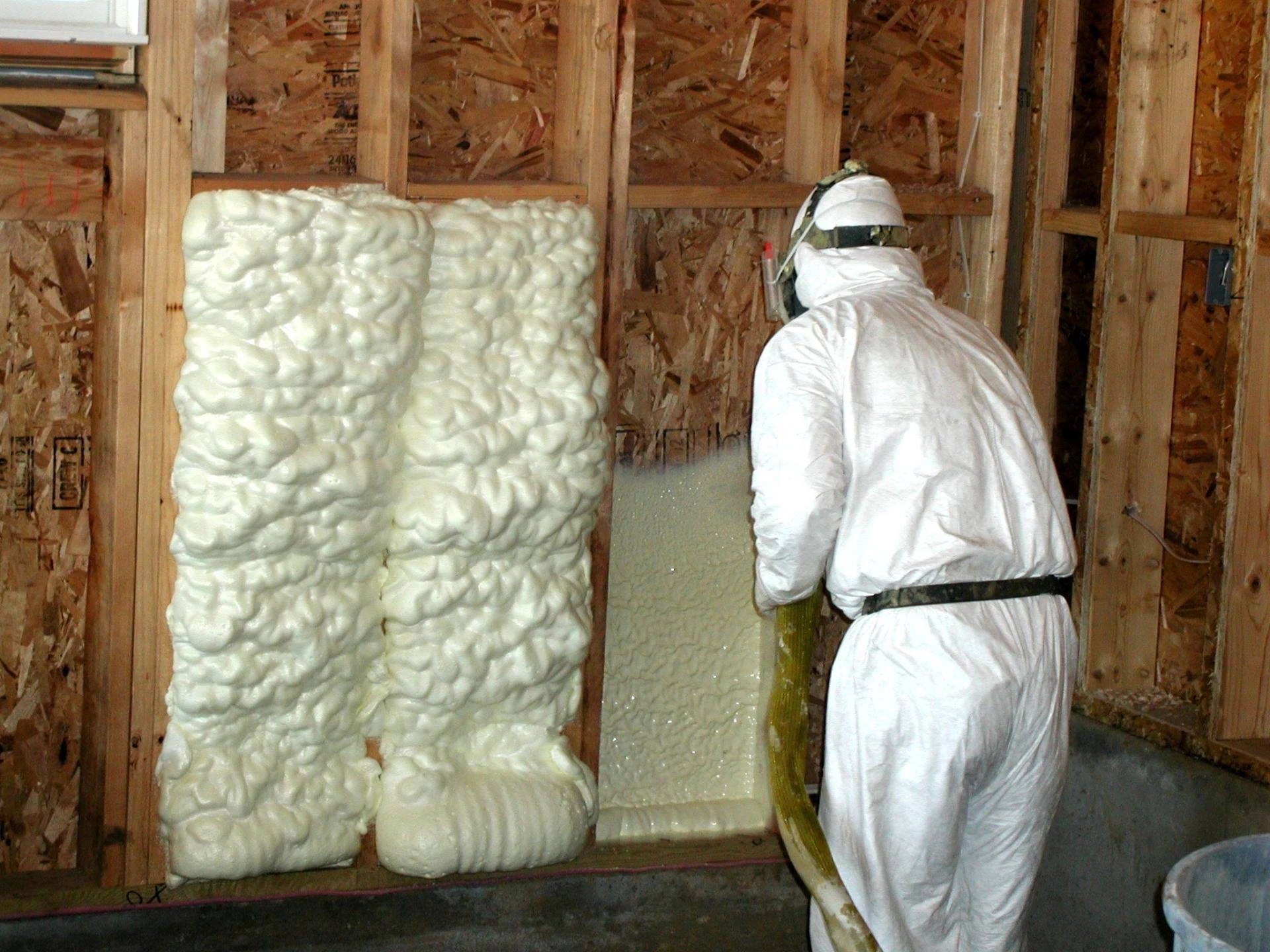
Modern insulation is a smart choice for homeowners because it does much more than just keep a house warm or cool. Unlike older materials that simply slow the transfer of heat, today’s modern spray foam insulation systems create a complete air barrier that traditional options can’t match. This seal stops air leakage—one of the biggest sources of energy waste and discomfort in a home. By controlling airflow, this advanced insulation directly leads to lower utility bills, more consistent indoor temperatures, and better overall air quality.
This article will explore the practical differences between old and new insulation technologies, the real-world benefits they offer, and what homeowners should consider before making an upgrade. The insights are drawn from industry professionals who work with these materials daily, offering a clear guide to making a home more comfortable and efficient.
The Evolution of Home Insulation
For decades, the standard for insulation was materials like fiberglass batts or blown-in cellulose. These products work by trapping pockets of air, which slows down the movement of heat through conduction. They do a decent job at this, and their effectiveness is measured by their R-value. However, they have a significant weakness: they don’t stop air from moving through and around them.
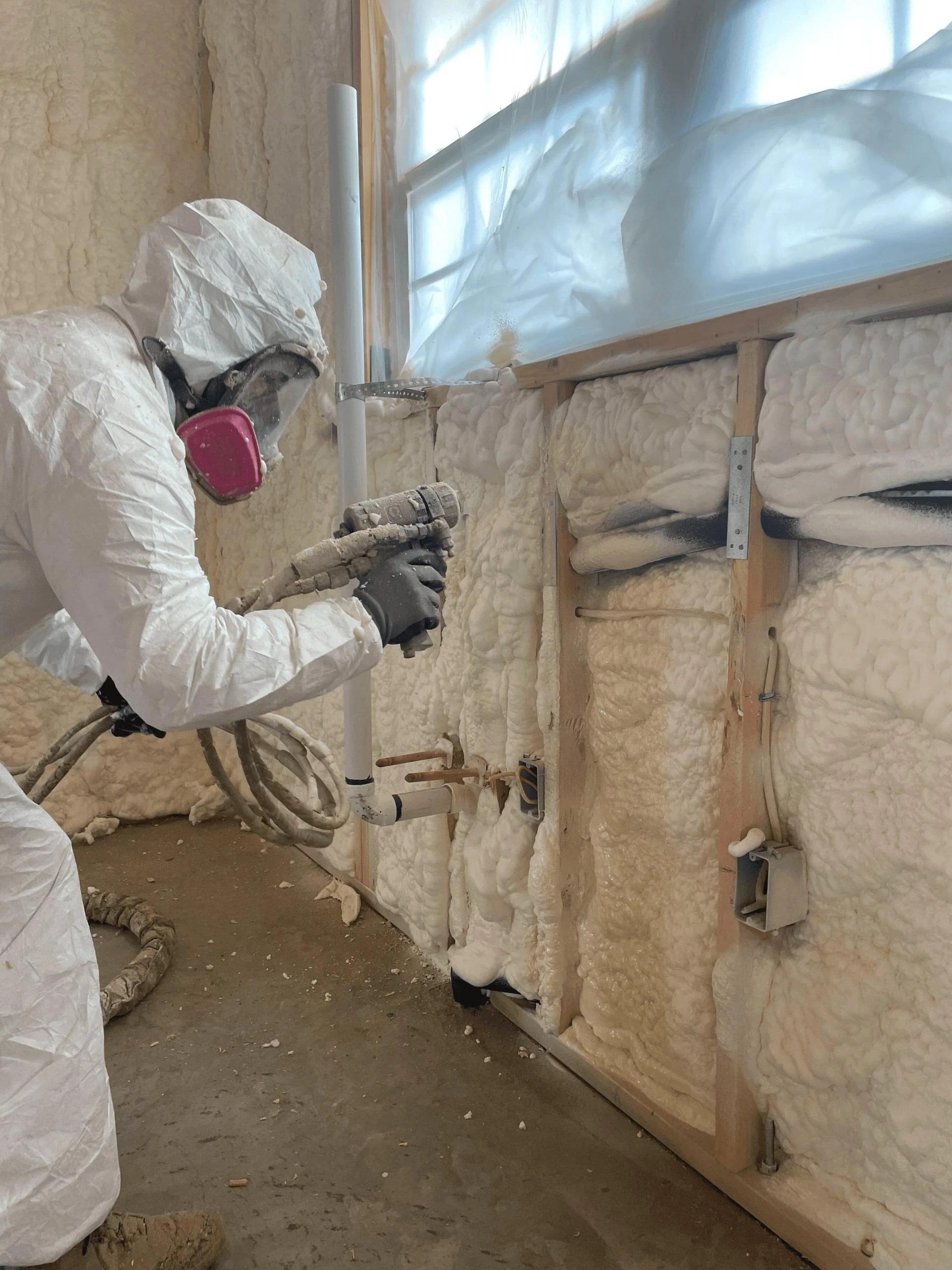
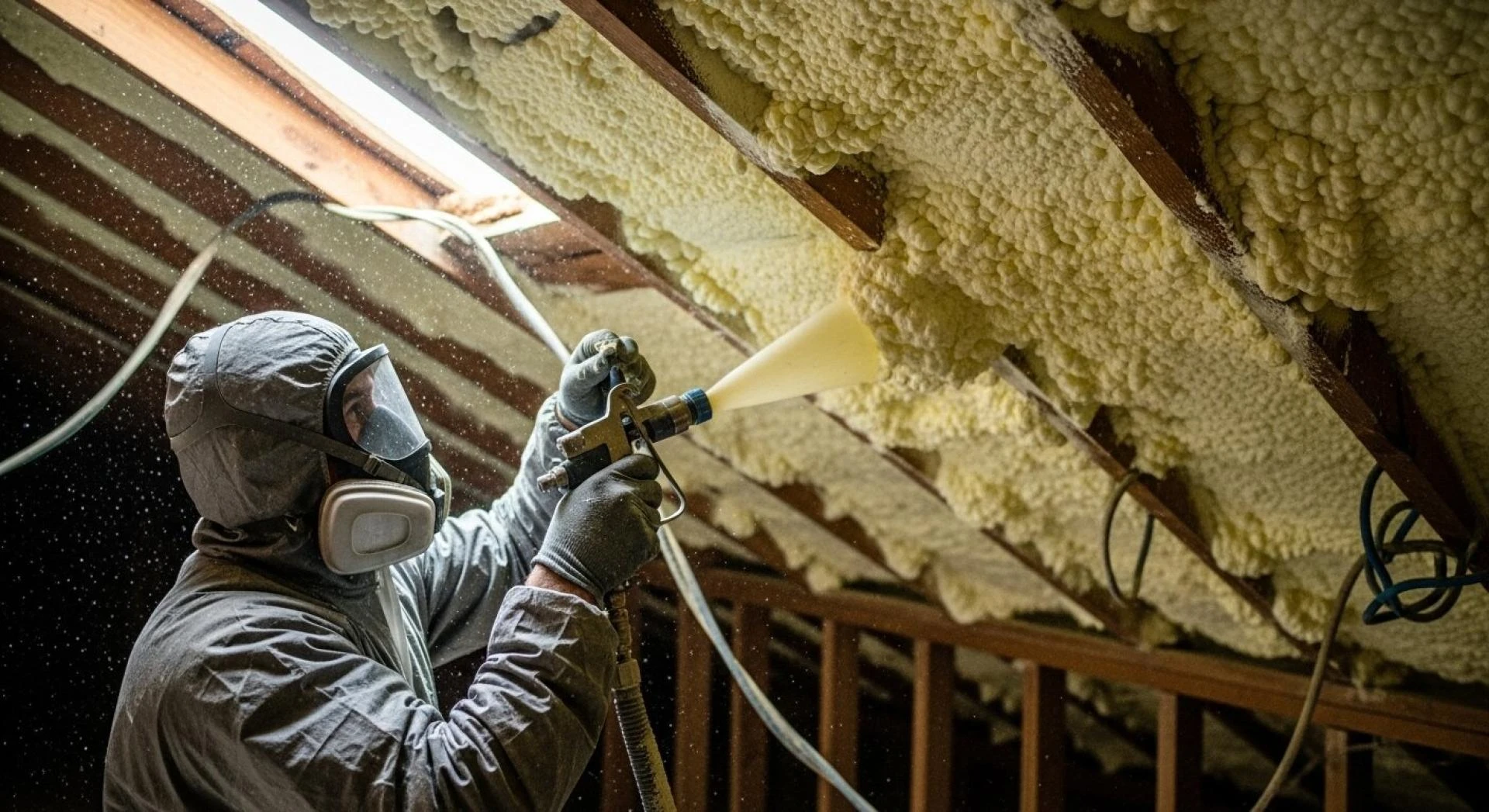
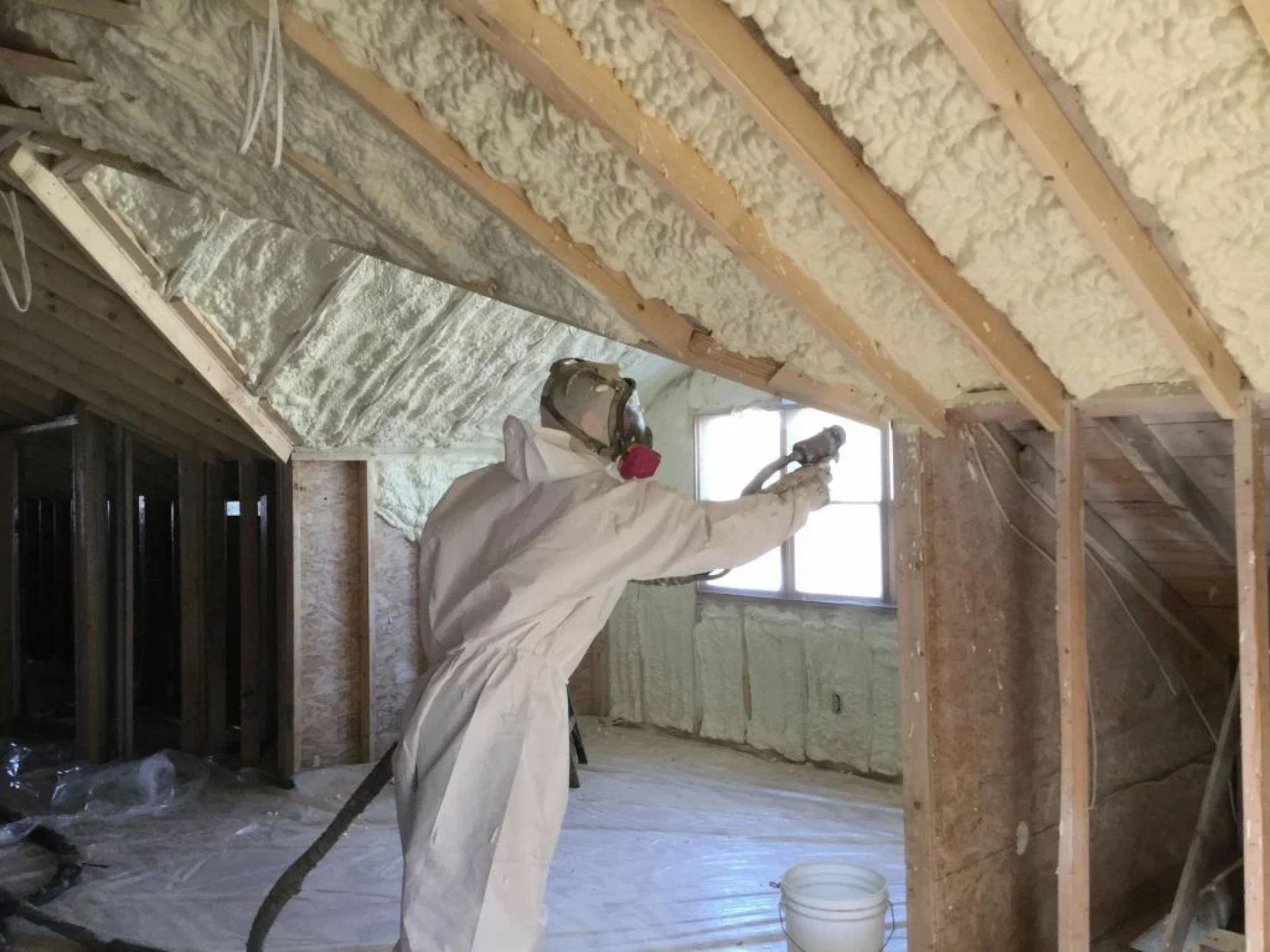
Modern insulation, especially spray polyurethane foam (SPF), addresses this problem head-on. When installed, it expands to fill every crack, gap, and crevice in a wall or ceiling, creating a continuous, solid barrier. This approach tackles the three ways heat moves:
- Conduction: By having a high R-value, it resists heat transfer through solid materials.
- Convection: By creating an air seal, it stops heat transfer through air movement.
- Radiation: Some foam products with foil facings can also block radiant heat.
By managing all three, modern insulation provides a much more complete thermal solution for a home’s building envelope.
A Quick Comparison of Insulation Types
Choosing the right insulation depends on the project goals, budget, and the specific area of the house. Here’s how modern spray foam stacks up against more traditional options.
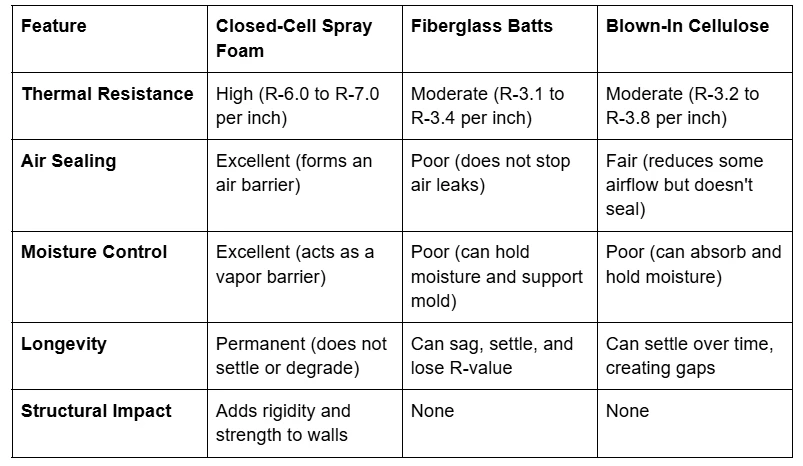
This comparison shows that while fiberglass and cellulose are effective insulators, they rely on a separate air barrier to perform optimally. Spray foam, on the other hand, serves as both insulation and an air barrier in a single application.
The Practical Payoffs of an Upgrade
Switching to a modern insulation system isn't just about technical specs; it produces noticeable improvements in daily life.
Significant Energy Savings
The Department of Energy estimates that air leaks can account for up to 40% of the energy used for heating and cooling a home. By creating an airtight seal, spray foam dramatically reduces this waste. This means HVAC systems don't have to work as hard or run as long to maintain the desired temperature, leading to immediate and long-term savings on utility bills.
Bonus Tip: In new construction, building a very airtight home with spray foam can sometimes allow for the installation of a smaller, less expensive HVAC system, saving money on both the equipment and future energy costs.
A More Comfortable Living Space
The most immediate benefit homeowners feel is enhanced comfort. An air-sealed home is free of drafts and cold spots. Temperatures are consistent from room to room and even between floors. The house stays warmer in the winter and cooler in the summer, creating a more stable and pleasant indoor environment year-round.
Healthier Indoor Air
The barrier created by spray foam also improves indoor air quality. It prevents dust, pollen, and other outdoor pollutants from infiltrating the home through tiny cracks in the building envelope. This can be especially helpful for people with allergies or respiratory issues. Additionally, closed-cell spray foam is waterproof and does not absorb moisture, which is key to preventing mold and mildew growth in damp areas like crawl spaces or basements. This is particularly relevant in areas with high humidity.
Things to Consider Before Making a Decision
Before you decide to upgrade your insulation, it’s wise to think through a few key factors to ensure you get the best results.
Where to Insulate for Maximum Impact
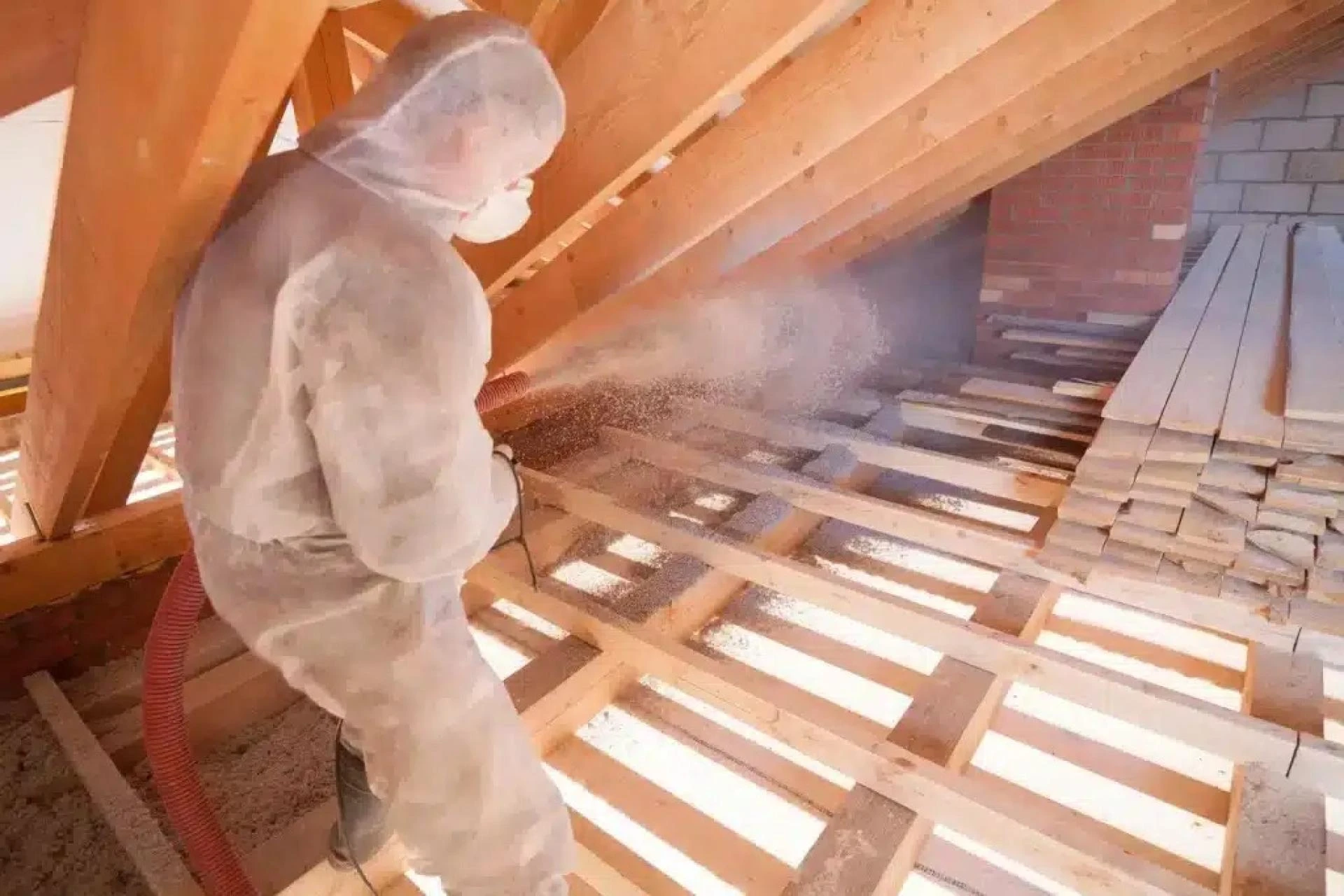
Not all insulation upgrades are created equal. The biggest energy losses in a typical home occur through the attic and the foundation (basement or crawl space).
- The Attic: Insulating the attic floor or the underside of the roof deck is often the most cost-effective way to improve a home's efficiency.
- Crawl Spaces and Basements: Sealing and insulating rim joists and foundation walls stops cold air from entering the home from below and helps control moisture.
Bonus Tip: Before investing in new insulation, consider a professional energy audit. An auditor can use tools like a blower door and an infrared camera to pinpoint exactly where your home is losing the most energy, ensuring your investment is targeted for maximum impact.
Choosing the Right Kind of Spray Foam
If you decide on spray foam, you’ll need to choose between two types:
- Open-Cell Foam: This type is lighter, less dense, and more flexible. It’s a great sound absorber and is often used in interior walls and unvented attics, although it is permeable to water vapor.
- Closed-Cell Foam: This type is dense, rigid, and has a higher R-value per inch. It acts as a vapor barrier, making it the ideal choice for crawl spaces, basement walls, and any area where moisture is a concern.
The Need for a Qualified Professional
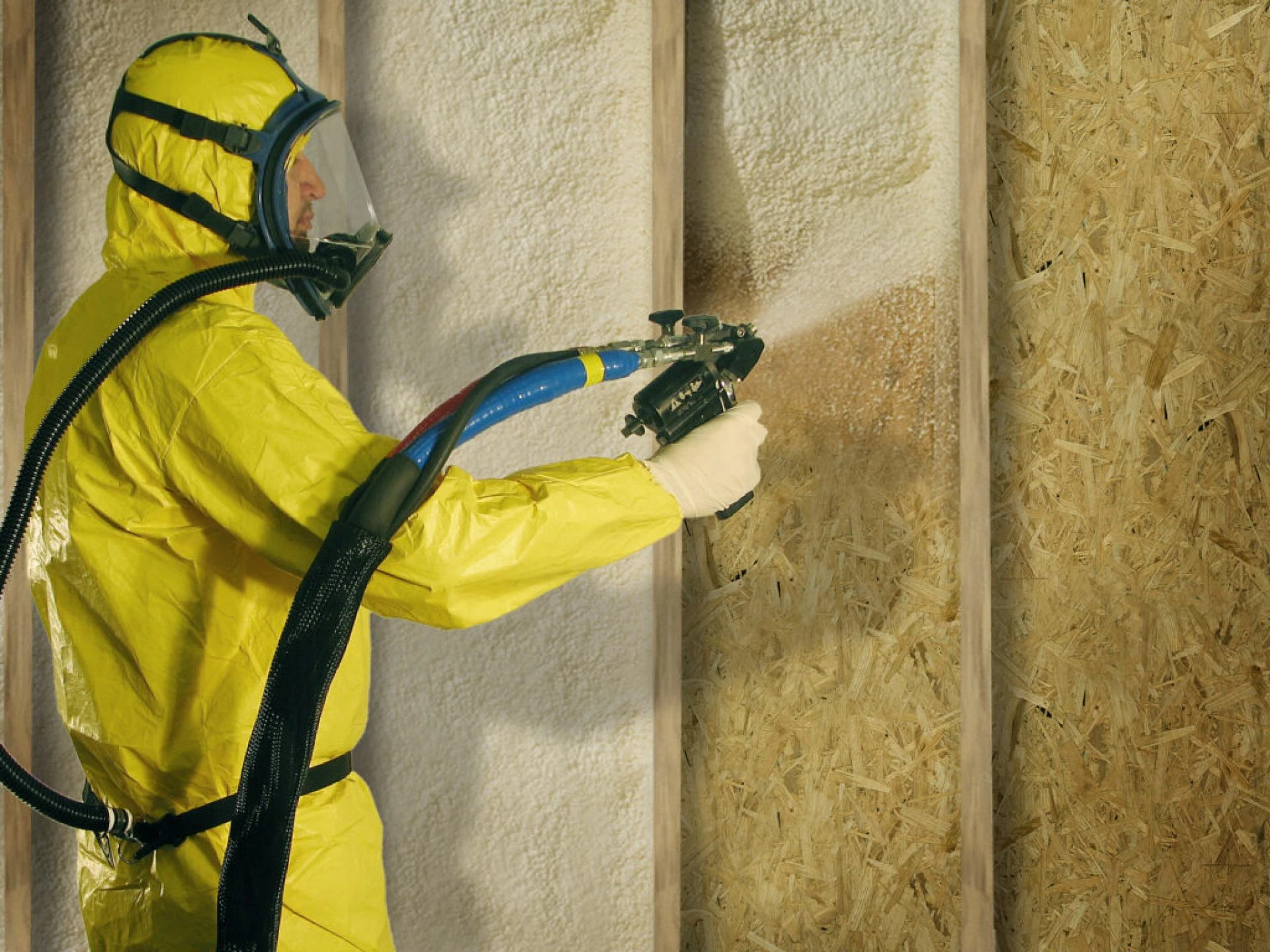
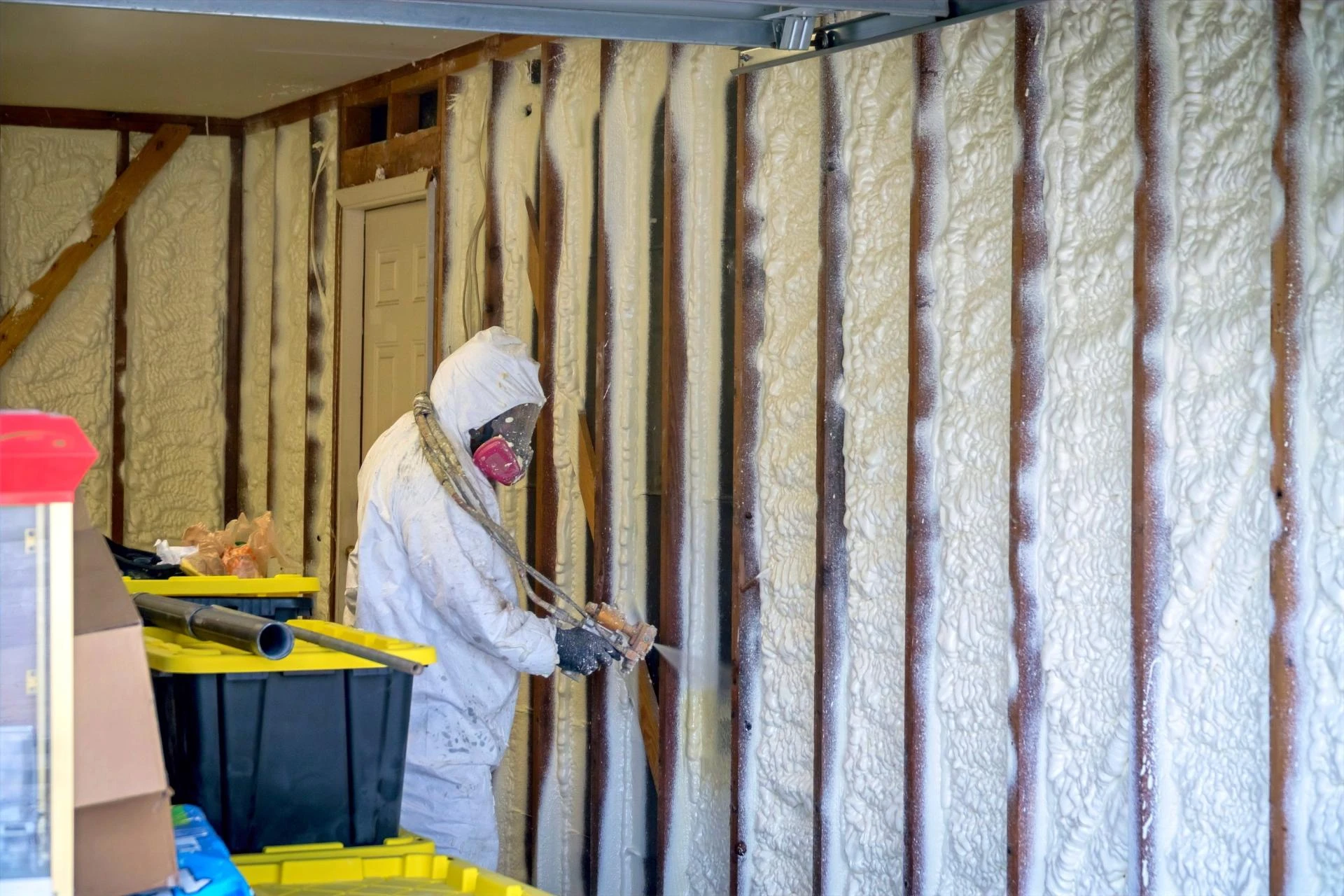
The performance of spray foam insulation is completely dependent on the quality of its installation. It’s a chemical product that is manufactured on-site, and a trained technician is needed to ensure the two components are mixed at the correct ratio and temperature. Hiring a certified, insured, and experienced contractor is the most important step in the process.
Questions People Ask About Modern Insulation
Here are a few common questions homeowners have when considering an insulation upgrade.
Can modern insulation be installed in an older home?
Yes. Modern insulation solutions like spray foam are very effective in older homes, which are often drafty and poorly insulated. It can be applied in attics, crawl spaces, and open wall cavities during a remodel. A specialized "injection foam" can even be installed in finished walls.
Is spray foam insulation a fire hazard?
Like many building materials, spray foam is combustible. However, building codes require it to be covered by a 15-minute thermal barrier, such as half-inch drywall or a special intumescent paint, in any living or storage areas. When properly installed, it meets all residential fire safety standards.
Does spray foam have an odor?
There is a distinct odor during the application and for a short period afterward. Professional installers use powerful ventilation systems to manage this. Once the foam has fully cured, typically within 24 hours, it is stable and odorless.
How does the cost compare to traditional insulation?
The upfront cost of spray foam is higher than fiberglass or cellulose. However, its long-term value is often greater when you factor in the energy savings over the life of the home. It’s an investment in efficiency that pays for itself over time.
Will sealing my house too tightly cause problems?
A very airtight home does need a way to get fresh air. Modern building science recommends pairing an air-sealed home with a mechanical ventilation system, such as an energy recovery ventilator (ERV). This ensures a constant supply of fresh air without wasting energy.
A Lasting Improvement for Your Home
Upgrading to modern insulation is one of the smartest investments a homeowner can make. It provides a comprehensive solution for energy efficiency and comfort that lasts for the life of the building. Taking the time to understand the options and working with a skilled professional is the key to creating a home that is less expensive to operate, more comfortable to live in, and healthier for your family.
Getting a Professional Assessment
To determine the best insulation strategy for your home, it’s often best to consult with experts who understand building science. For homeowners looking for professional guidance, the team at Peninsula Insulation provides detailed assessments to identify problem areas and recommend effective solutions. They can be contacted for a consultation at (410) 770-2624 or by sending an email to [email protected] to discuss your project.
Author: Wil Perkins is the founder of Peninsula Insulation and a long-time resident of Easton, Maryland. With a hands-on approach and nearly five years in the insulation business, Wil leads a team known for professional service and quality work.
Reviewer: Emily Martinez has 12 years of experience in spray foam insulation. She reviewed this article for technical accuracy to ensure it provides homeowners with reliable information.

























Sign in to leave a comment.