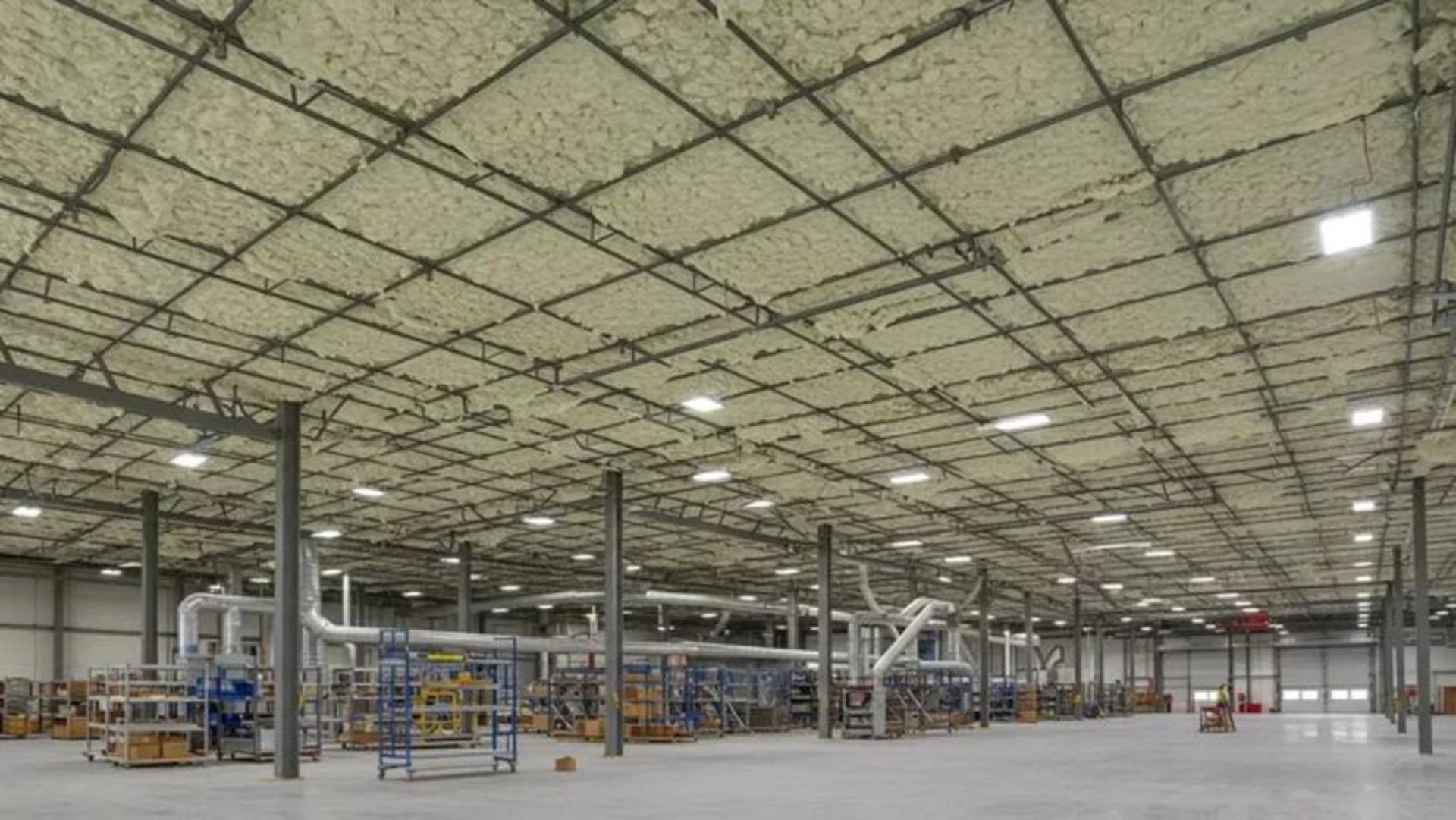
For any commercial building, long-term performance hinges on a correctly installed spray foam insulation system. The promised benefits of dramatic energy savings, moisture control, and improved structural integrity are only realized when the application is handled by a team with specific commercial expertise. The scale, substrates, and building codes associated with commercial projects are fundamentally different from residential jobs. An improperly applied system can lead to catastrophic failures, including roof delamination, code violations, and massive financial losses that far exceed the initial cost of the project.
Securing the long-term return on investment from commercial spray foam insulation is not about the material itself, but about the science and skill of its application. This article, based on extensive experience in the building performance industry, will detail the technical reasons why professional service is non-negotiable. It will cover the unique challenges of commercial structures, the consequences of a failed application, and what building owners and facility managers must know to ensure their project succeeds for decades to come.
The Unique Demands of Commercial Buildings
Applying spray foam to a commercial structure is a far more complex undertaking than insulating a home. The materials, building systems, and performance requirements are on a completely different level.
Scale and Substrate Complexity
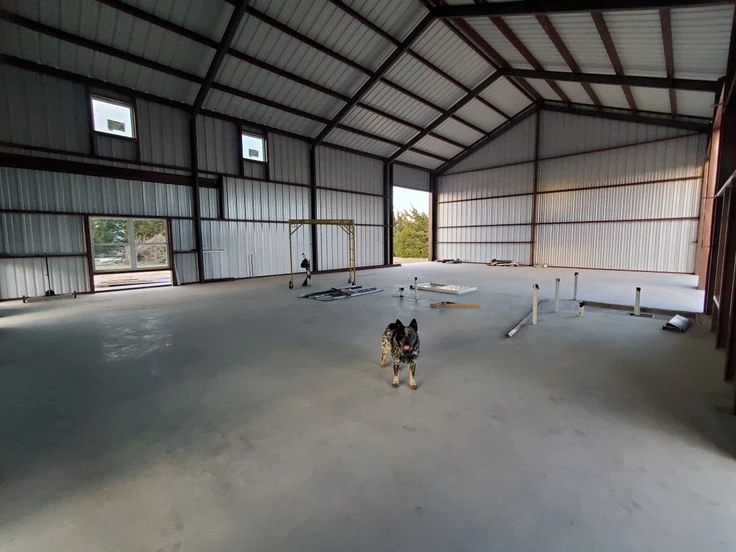
Commercial buildings often feature vast expanses of metal roofing, concrete tilt-up walls, or cinder block construction. These substrates behave very differently from the wood framing found in residential homes.
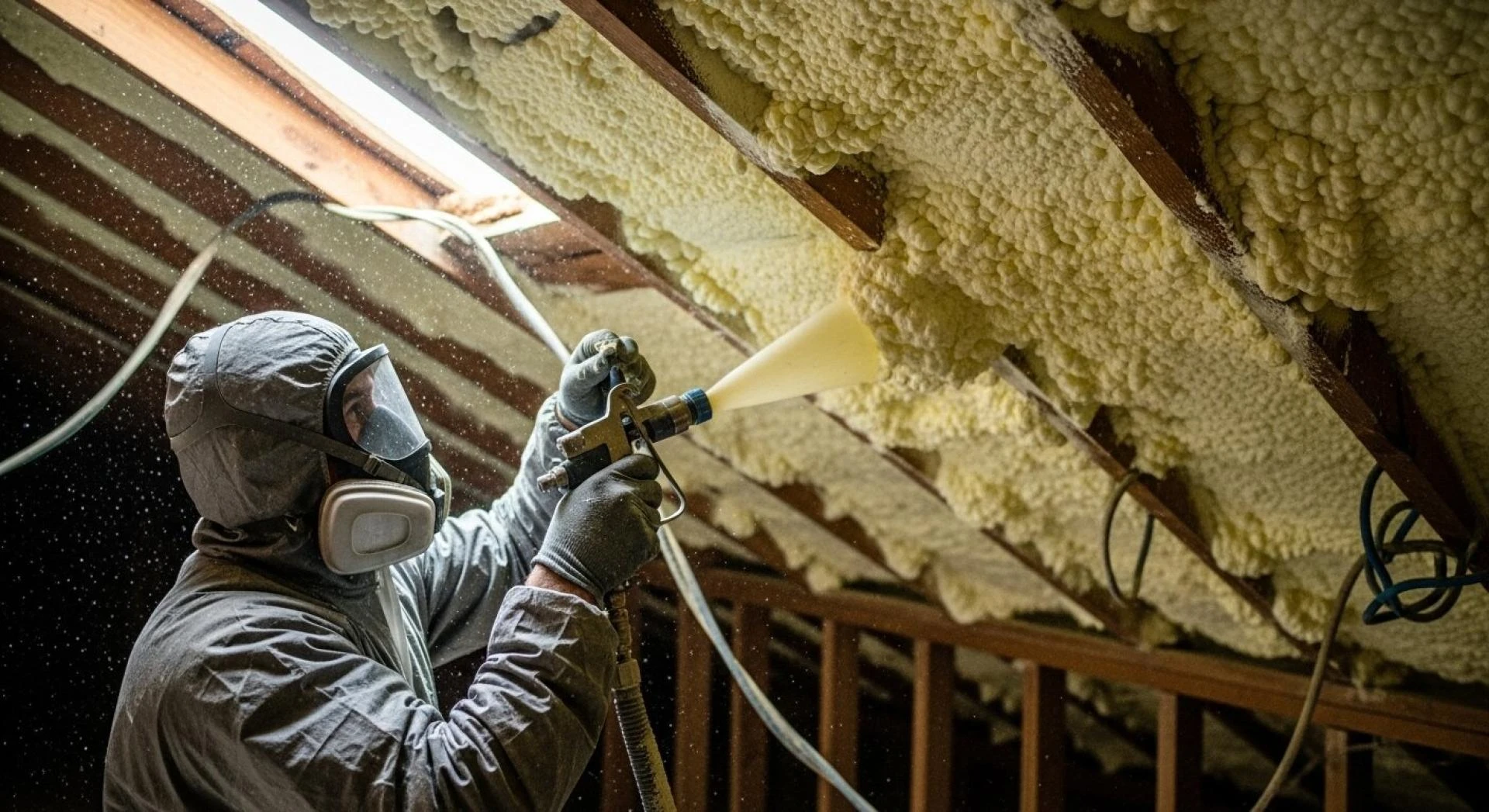
- Metal Surfaces: Steel and aluminum require meticulous surface preparation. Any rust, oil, or moisture will prevent the foam from adhering properly, leading to delamination over time. Professional crews know how to properly clean and prime these surfaces to ensure a permanent bond.
- Concrete and Masonry: These materials can hold a lot of moisture. A contractor must test the moisture content of the substrate before application. Spraying foam over damp concrete can trap moisture, leading to product failure and potential damage to the wall assembly.
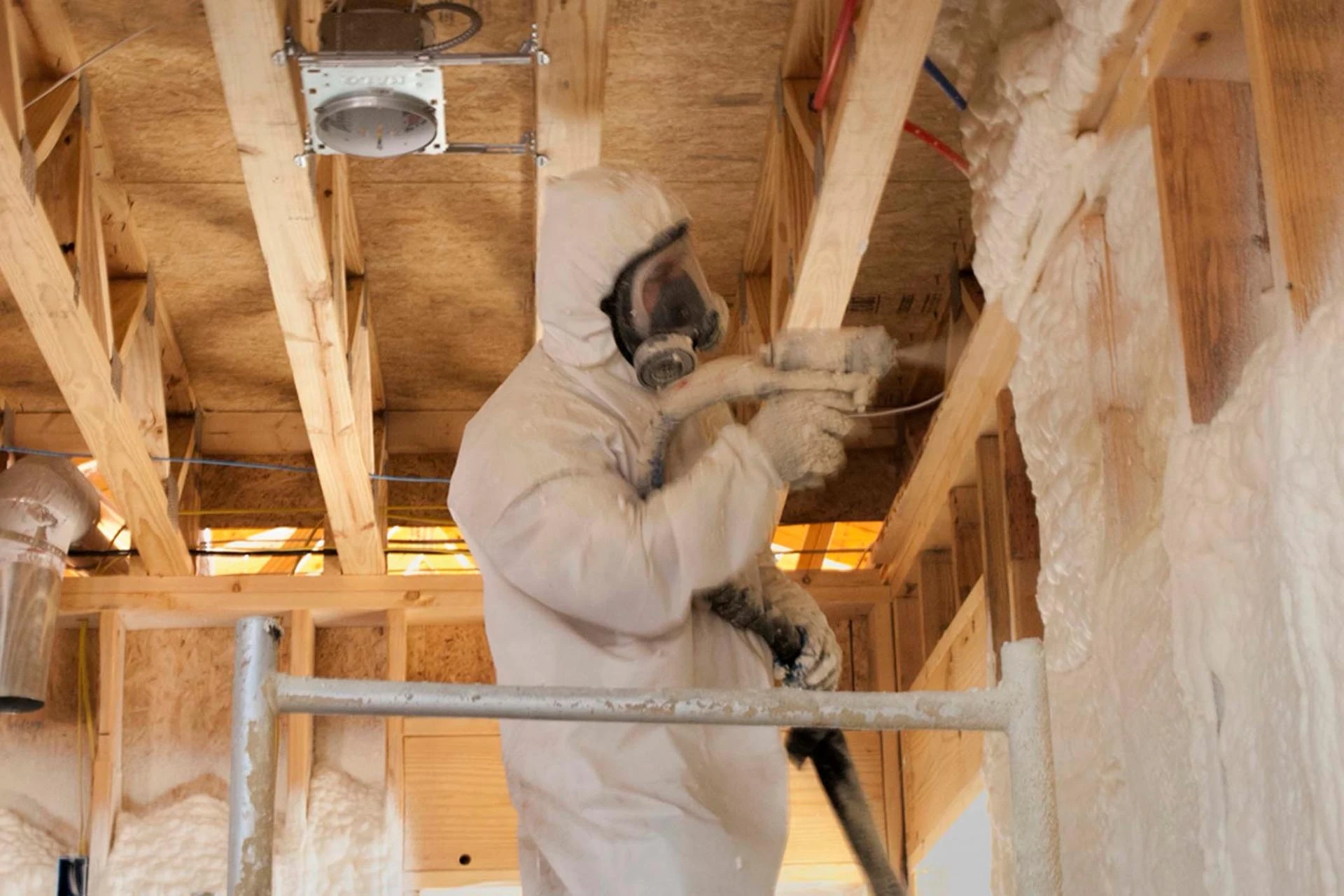
The sheer scale of these projects also requires powerful, high-volume equipment capable of maintaining consistent temperature and pressure over thousands of square feet. Standard residential rigs are not designed for this kind of continuous, high-output work.
Interaction with Complex Building Systems
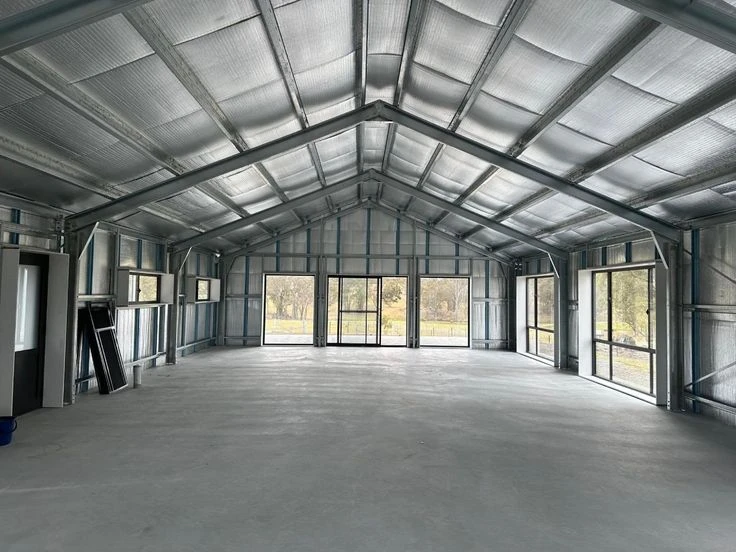
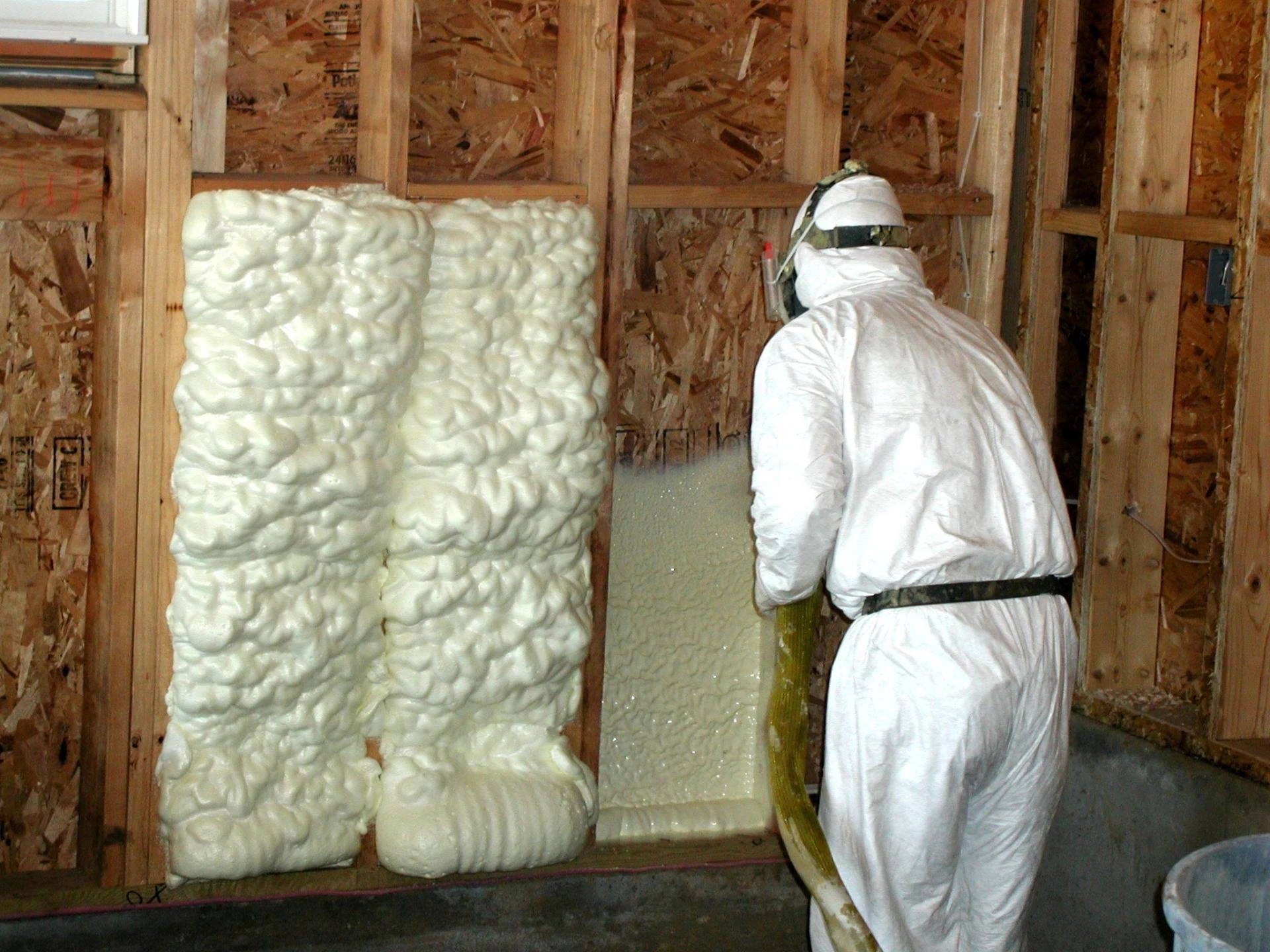
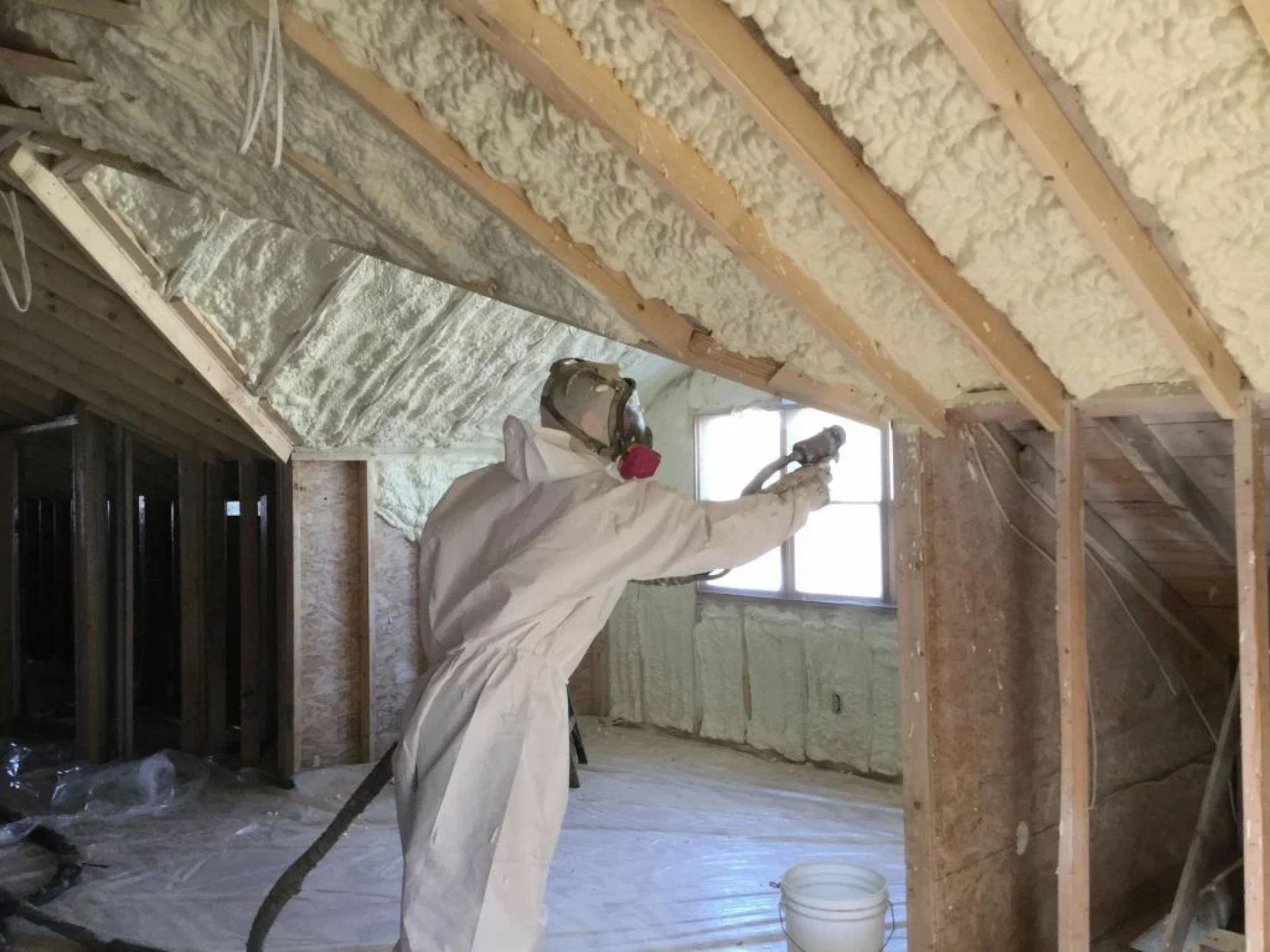
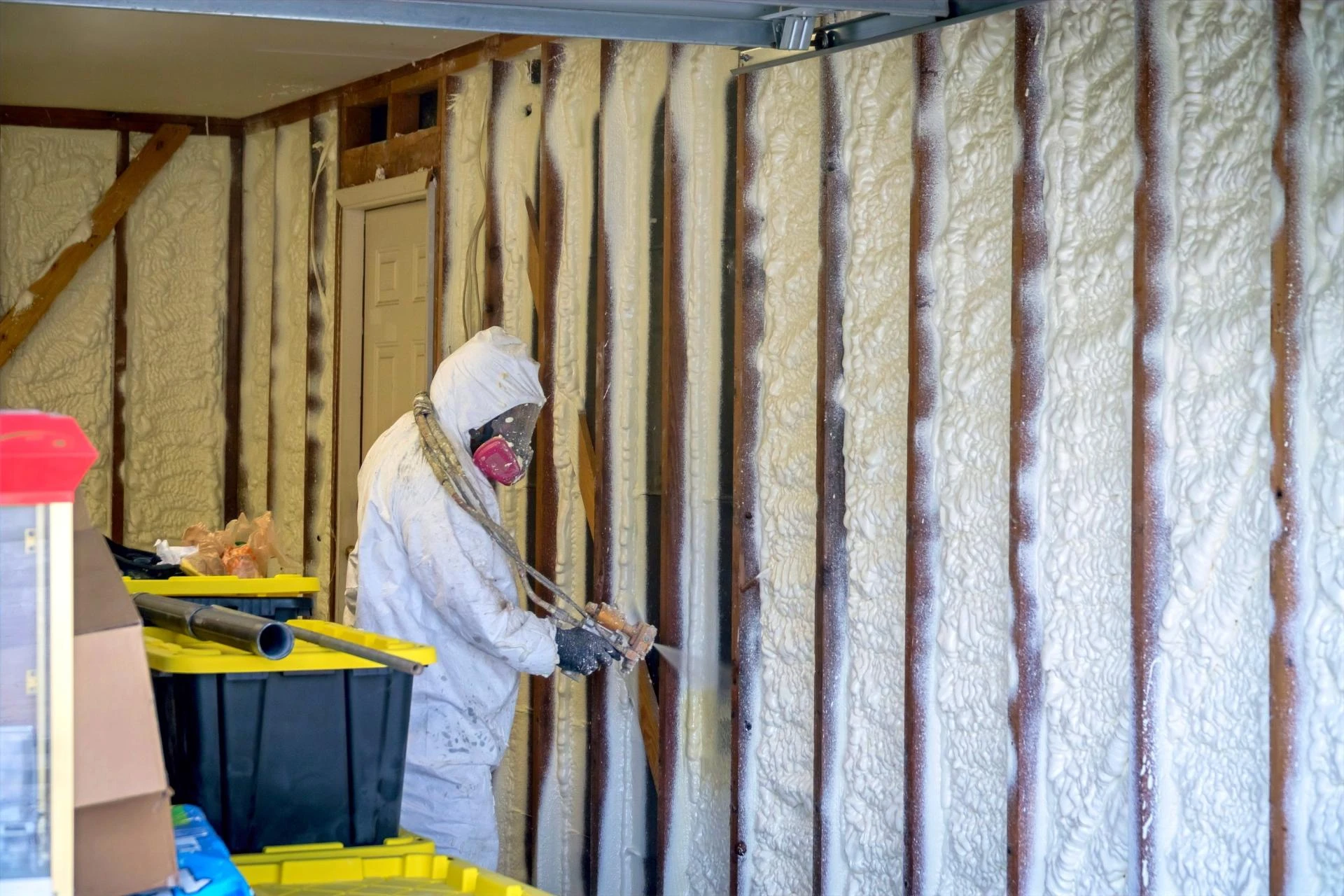
Commercial buildings have intricate networks of HVAC, electrical, and plumbing systems, along with specialized fire suppression equipment. A professional spray foam contractor understands how to work around these systems without compromising their function. They know which areas to mask off and the proper clearance needed around high-heat elements like lighting ballasts or motors. An inexperienced applicator might spray over critical components, creating a maintenance nightmare or a serious safety hazard.
- Bonus Tip: Before work begins, a professional crew will conduct a thorough site walk-through with the facility manager to identify and flag all sensitive mechanical and electrical systems. This planning step is critical for a smooth and safe installation.
The Technical Execution of a Professional Job
The difference between a successful 30-year application and one that fails in five years comes down to technical precision. This is where a professional team’s training and equipment become indispensable.
Adherence to Strict Building and Fire Codes
Commercial buildings are subject to much stricter fire codes than residential structures. Most spray foam insulation is a combustible plastic and must be separated from the interior space by an approved thermal or ignition barrier. This could be drywall, but in many commercial applications like warehouses or manufacturing facilities, a specialized intumescent coating is required. A professional commercial contractor is well-versed in these codes and knows which products and assemblies are approved for different types of building occupancies. Failure to meet these codes can result in a failed inspection, forcing a costly tear-out and re-installation.
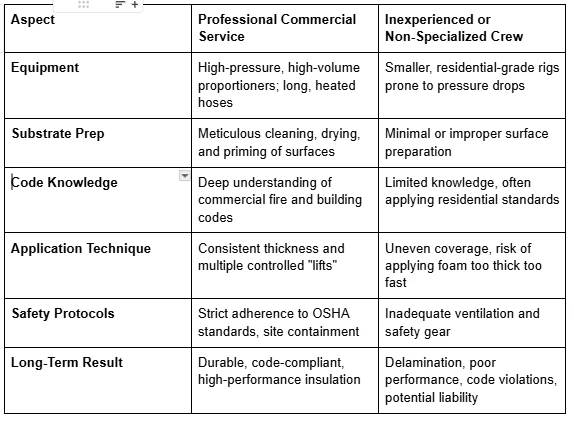
Comparing Professional vs. Inexperienced Application
The gap between a qualified commercial team and a less experienced one is significant. This table shows some of the key differences in their approach and the likely outcomes.
Things to Consider Before Starting a Commercial Project
For building owners and managers, making the right decision upfront is the key to avoiding long-term problems.
Evaluating the Building’s Primary Use
The intended use of the building dictates the type of foam and the specific application method.
- Warehouse/Storage: The main goals are often condensation control and basic thermal performance. A standard application of closed-cell foam on the roof deck and walls is common.
- Office Space: Here, air quality and sound control are more important. The plan might include sealing the full building envelope and using open-cell foam in interior walls for sound attenuation.
- Conditioned Agriculture/Food Processing: These facilities require precise climate control and have strict sanitation requirements. The insulation must create a seamless, washable surface and act as a complete vapor barrier.
Assessing the Condition of the Building Envelope
The existing condition of the roof and walls is a major factor. A professional contractor should conduct a thorough inspection before providing a quote. If a metal roof has significant rust or failing seams, these issues must be repaired before foam can be applied. Spraying foam over a failing substrate is a recipe for disaster.
Questions People Ask About Commercial Spray Foam
Can spray foam be used on a flat commercial roof?
Yes, but it's a specialized application. High-density roofing foam is sprayed on the exterior of the roof deck, not the interior. This foam is then covered with a durable, waterproof elastomeric coating to protect it from UV rays and weather. This creates a seamless, insulated, and fully adhered roofing system.
How does spray foam affect a commercial building’s insurance?
A properly installed system, including all required thermal and ignition barriers, is widely accepted by insurance carriers. In fact, by strengthening the roof deck against wind uplift and eliminating seams that can lead to leaks, it can sometimes have a positive impact on premiums. A non-compliant installation, however, could create serious coverage issues.
What is the typical ROI for a commercial spray foam project?
While it varies by climate and energy costs, many building owners see a payback period of 3 to 7 years from energy savings alone. This doesn't include savings from reduced HVAC maintenance or the long-term value of protecting the building structure from moisture.
Does the installation process cause significant business interruption?
Professional contractors work to minimize downtime. They can often schedule work during off-hours or weekends. They also use extensive containment measures to section off the work area, preventing dust and overspray from affecting ongoing business operations.
How does spray foam handle building movement and expansion?
Commercial buildings, especially those with large metal roofs, experience significant expansion and contraction with temperature changes. Spray foam is flexible enough to handle this movement without cracking or pulling away, maintaining its air and thermal seal through all seasons.
Protecting Your Commercial Asset for the Long Term
Investing in spray foam insulation for a commercial property is a decision that can deliver value for decades. However, that value is directly tied to the quality of the installation. The technical complexities, strict code requirements, and unforgiving nature of commercial substrates mean there is no room for error. Choosing a professional service with a proven track record in commercial applications is the only way to ensure the project is a long-term success that protects the building and delivers a genuine return.
Get an Expert Consultation for Your Commercial Property
For business owners or property managers considering a spray foam insulation project, the first step is a thorough assessment by a qualified expert. A team that specializes in commercial buildings can analyze the property's specific needs and develop a plan that ensures safety, code compliance, and long-term performance. The professionals at Peninsula Insulation have experience with a wide range of commercial applications. To discuss a project, they can be reached at (410) 770-2624 or by emailing at [email protected].
Author: Wil Perkins is the founder of Peninsula Insulation and a long-time resident of Easton, Maryland. With a hands-on approach and nearly five years in the insulation business, Wil leads a team known for professional service and quality work.
Reviewer: Emily Martinez has 12 years of experience in spray foam insulation. She reviewed this article and suggested ways to make the content more useful for contractors looking to grow their customer base.

























Sign in to leave a comment.