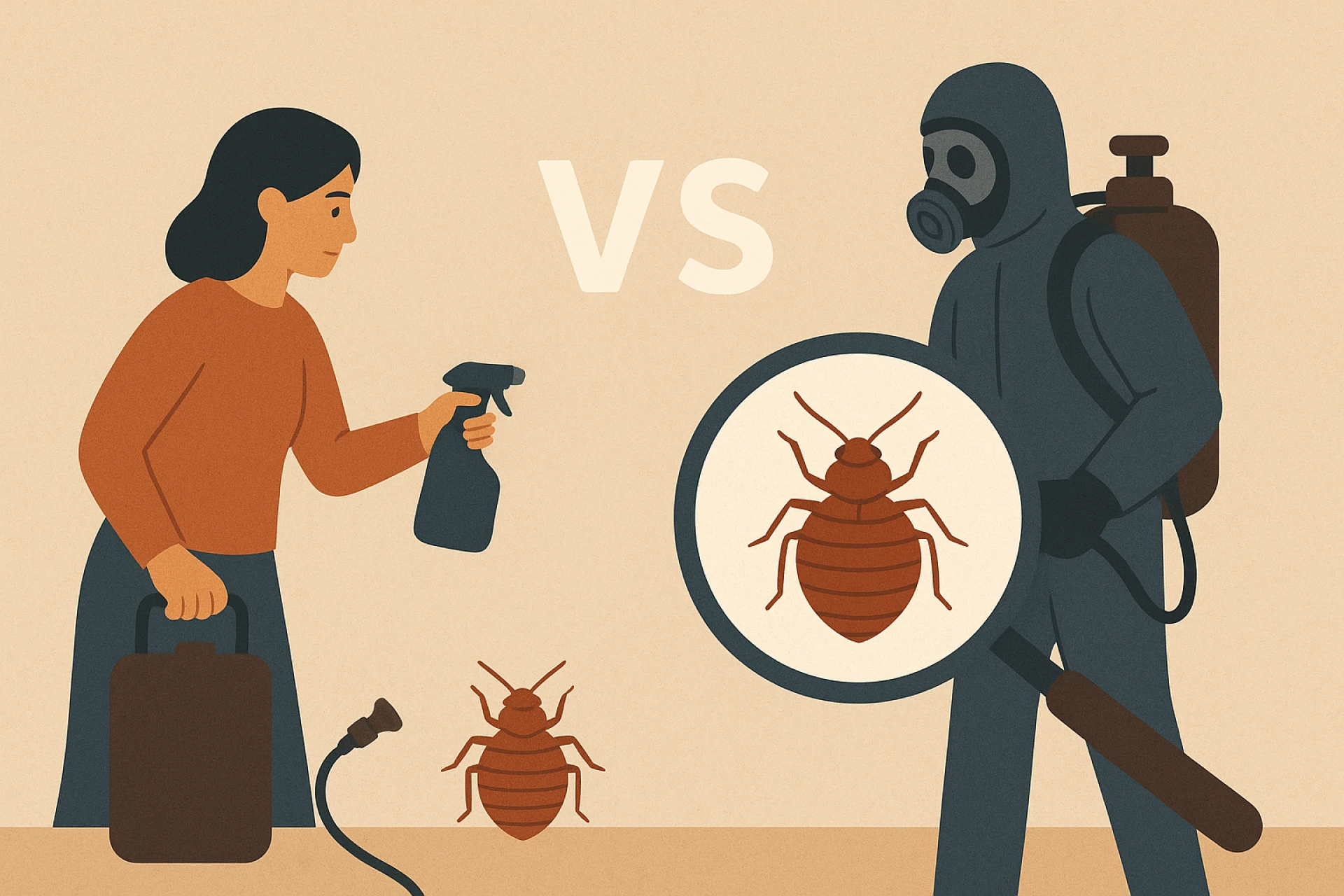
Bed bugs are one of the most stubborn pests to eliminate, and deciding between a do-it-yourself (DIY) approach and hiring a professional can greatly impact the outcome. While DIY methods may seem cheaper at first, they often fail to address the root of the problem. Professional bed bug control, on the other hand, combines advanced techniques, specialised equipment, and expert knowledge to deliver long-lasting results. Understanding the key differences will help you choose the most effective solution for your home or business.
1. Inspection Accuracy
DIY bed bug inspections rely on visual checks, which can easily miss early-stage infestations or hidden eggs. Bed bugs are masters at concealing themselves in tiny cracks, mattress seams, and behind wall coverings. Professionals use advanced detection tools, trained inspection skills, and sometimes canine scent detection to locate all infestation points—ensuring no hiding spot is overlooked.
2. Treatment Methods
Homeowners often turn to store-bought sprays, vacuuming, or heat from hairdryers for DIY bed bug removal. These methods may kill some bugs but rarely eliminate entire colonies. Professional bed bug exterminator use integrated pest management (IPM), combining targeted insecticides, heat treatments, and physical removal to ensure every life stage—eggs, nymphs, and adults—is destroyed.
3. Effectiveness and Long-Term Results
DIY treatments tend to provide only temporary relief because they usually fail to kill hidden or resistant bugs. Surviving pests can quickly repopulate, leading to recurring infestations. Professionals focus on complete eradication, with follow-up visits and preventive measures to ensure bed bugs don’t return. This long-term effectiveness often makes professional treatment more cost-efficient in the end.
4. Safety Considerations
Many DIY solutions involve chemicals that can be harmful if used incorrectly. Overapplication or misuse can pose risks to children, pets, and even your own health. Professional pest control experts are trained to handle insecticides safely, choosing products that are effective against bed bugs while being safe for your household. They also ensure treatments comply with local regulations and industry standards.
5. Time and Effort Required
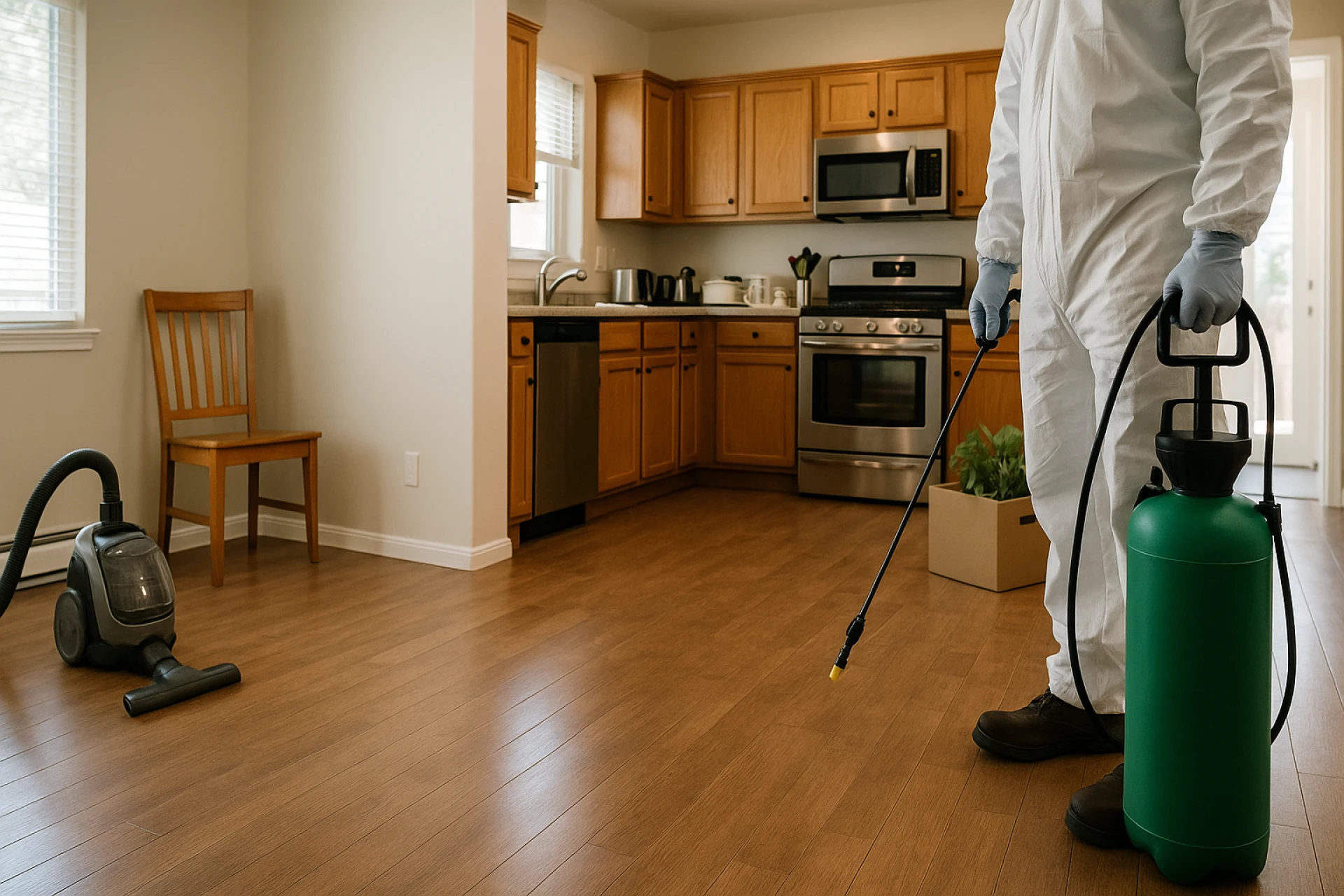
DIY bed bug control can be time-consuming and physically exhausting, requiring repeated treatments, constant monitoring, and deep cleaning. Professionals streamline the process, often completing the initial treatment in a single visit with minimal disruption to your routine. This efficiency is especially valuable for large infestations or multi-unit buildings.
6. Cost Comparison
At first glance, DIY appears cheaper because you avoid professional service fees. However, repeated failed attempts often mean purchasing multiple products and tools, adding up to a higher total cost over time. Professional treatment may require a larger upfront investment but typically resolves the issue in fewer visits, preventing ongoing expenses.
7. Guarantee and Peace of Mind
Most reputable pest control companies offer guarantees or warranties on their work. This means if bed bugs reappear within a certain timeframe, they’ll return at no extra cost. DIY methods offer no such assurance—you’re solely responsible for the outcome. The added security of a professional guarantee gives homeowners greater confidence in the results.
While DIY bed bug control might seem like a quick, low-cost fix, it often results in incomplete treatment and recurring infestations. Professional services provide a comprehensive solution, using proven methods, safe practices, and follow-up visits to ensure long-term success. By weighing the pros and cons, you can make an informed decision that protects your home, health, and peace of mind. When dealing with a pest as persistent as bed bugs, expert intervention is often the smartest choice.
























Sign in to leave a comment.