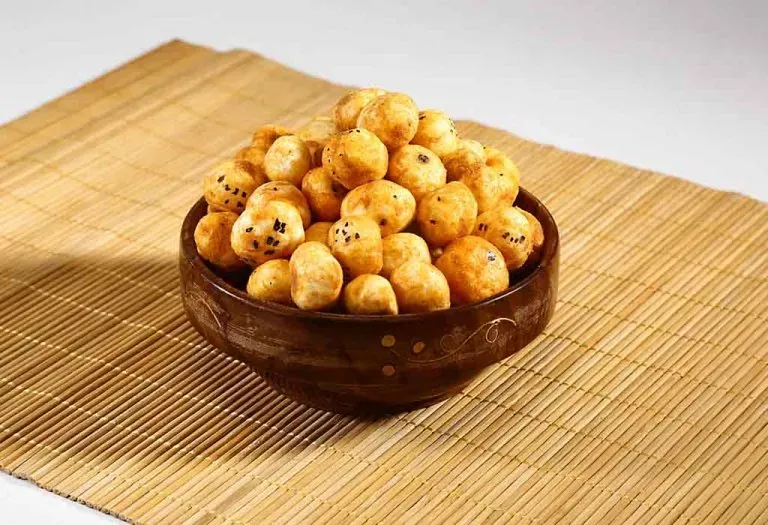
If you have ever opened a pack of makhana and felt something was just... off — the taste flat, the texture chewy, or the colour dull — you are not imagining things. Not all makhana is created equal, and once you know what separates good from bad, you will never go back to buying blindly.
Whether you are picking up raw makhana from a local shop or looking to buy makhana online in Pune, understanding quality markers can save you money and, more importantly, protect your health.
Why Quality Difference Exists in the First Place
Makhana, also called fox nuts or lotus seeds, goes through multiple stages before it reaches your hands — harvesting, drying, roasting, sorting, and packaging. At every single stage, something can go wrong. Poor drying leads to moisture retention. Improper storage causes staleness. Low-grade sorting means you get broken, uneven pieces with no nutritional consistency.
This is why two packs of makhana sitting side by side on a shelf can be completely different products inside.
How to Tell If Your Makhana Is Actually Good Quality
1. Look at the colour
Good quality makhana should be creamy white to off-white. If it looks yellowish, grey, or has dark spots, that is usually a sign of age, poor processing, or damp storage. Fresh raw makhana has a clean, natural appearance — nothing artificially whitened, nothing discoloured.
2. Check the texture before cooking
Pop one in your mouth raw. It should be light and have a mild crunch. If it feels rubbery, too hard, or has a stale aftertaste, moisture has likely set in. The best quality makhana always has a consistent, airy texture throughout the batch.
3. Size and uniformity matter more than you think
Good makhana is sorted by grade. Larger, uniform-sized pieces are Grade A — they roast evenly and taste better. If your pack is full of broken bits, powdery pieces, and mixed sizes, you are likely dealing with a low-grade or poorly processed batch.
4. Smell it
Fresh makhana has almost no odour — very faint and neutral. A musty or earthy smell is a red flag. That smell usually means the batch was stored improperly or is older than it should be.
5. How it roasts
When you dry roast good makhana in a pan, it puffs up quickly and evenly. Low quality makhana either burns fast, stays chewy, or does not puff at all. This is actually one of the easiest tests you can do at home.
Also Read : What Is the Difference Between Raw Makhana and Flavoured Makhana?





















Sign in to leave a comment.