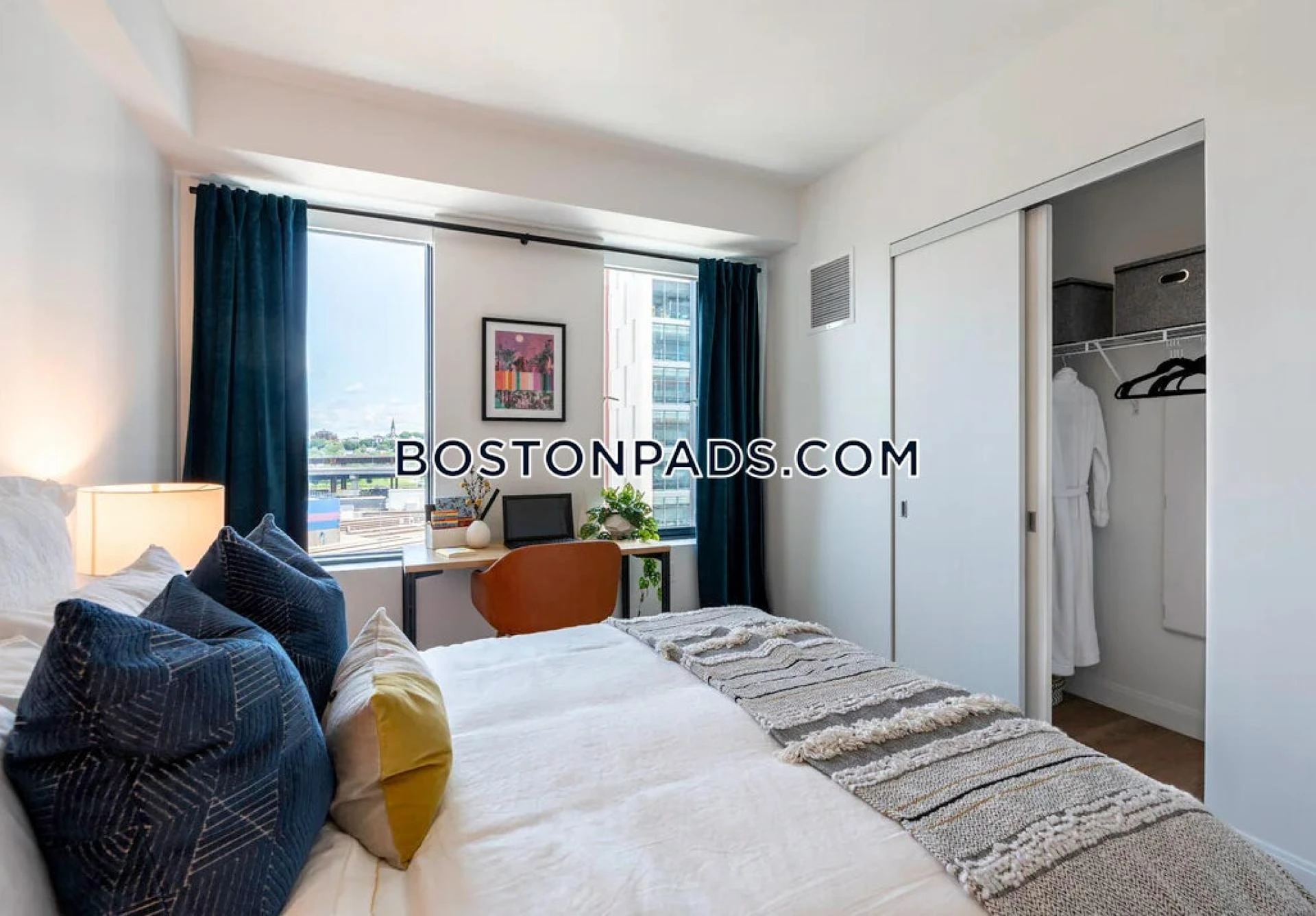

Tufts off-campus housing doesn’t look or feel the same from one block to the next. That’s one of the very first things that stands out when traveling through both Medford and Somerville. For example, one street may be lined with triple-deckers with tilting porches, another with shiny new brick buildings that still smell like fresh mortar. Somewhere in between, a cluster of century-old homes sits quiet under tall trees, their mailboxes marked by layers of paint. The mix isn’t planned, it just happened that way. Part history, some necessity, and a whole lot of timing.
Triple-Deckers and Multi-Family Homes
Triple-decker homes are one of the most recognizable property types near Tufts University. In essence, they are three-story structures that provide separate living levels typically with private entries, kitchens, and common areas on each floor. A plethora have been updated with modern utilities and exterior improvements while maintaining their traditional layouts. Some include additional yard space or rear access points that support multi-unit living. These buildings are an enduring feature of the Medford and Somerville landscape and continue to represent a large portion of Tufts off-campus housing.
Converted Houses That Keep Their Quirks
Many single-family houses located a short distance from Tufts have been converted into multi-unit residences. These properties typically retain their exterior design while converting the interiors to meet present-day housing needs. These properties may include multiple kitchens, renovated bathrooms, and reconfigured floor plans designed for flexible use. Some conversions are divided into upper and lower units, while others utilize a shared entry with separate interior sections. These houses keep the neighborhood’s architectural history intact while expanding the number of available units available on the rental market.
Mid-Rise Buildings and Street Activity
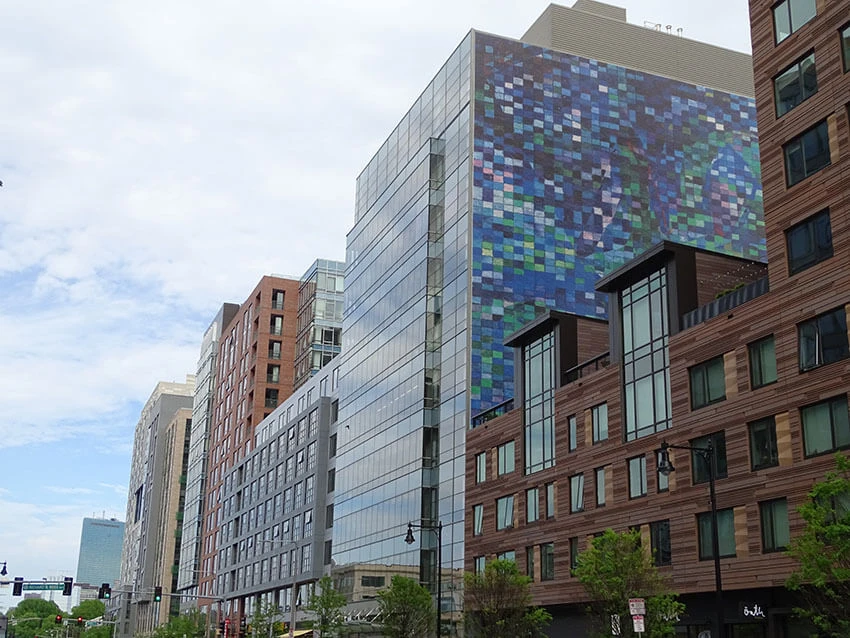
Along both Boston Avenue and College Avenue newer mid-rise apartment buildings have become part of the housing mix. These buildings tend to combine residential levels with ground-floor commercial space. This adds convenience by having small stores and local services within the same building. Residential rentals in these developments typically feature updated systems, efficient layouts, and accessibility features. The combination of residential and retail use brings year-round activity to nearby blocks while remaining consistent with the area’s overall look and feel
New Additions by the Green Line
Construction near the Medford/Tufts Green Line station has introduced new Tufts off-campus housing options to the surrounding area. These modern developments include energy-efficient buildings that were designed with sustainability standards at the forefront. Units tend to feature open layouts, large windows, and secure access points. The properties are located close to nearby public transit routes providing practical access throughout Boston and surrounding areas. These projects occupy parcels that previously held smaller commercial buildings or vacant lots, strengthening local infrastructure and improving housing availability within a short distance of the university.
Shared Houses and Adapted Spaces
Multiple larger homes near the Tufts University campus have been re-configured as shared housing, with individual bedrooms and common kitchens or living areas. These units typically provide affordable options while still maintaining close proximity to campus. In essence, it is a rent by the room situation. Other dwellings operate as furnished short-term rentals or extended-stay units. A limited number of older commercial or industrial structures have been adapted into multi-unit residences, creating a wider mix of housing options in regards to both size and layout. Each addition supports a more diverse and flexible local housing market.
A Look at Some Utilities and Amenities Included with the Rent
When utilities and amenities are part of the rental fee it can save both time and money. For example, 50% of studio apartments in Medford and Somerville include hot water as part of the rent. 35% of one-bedrooms offer heat as part of the package. 45% of two-bedrooms are pet friendly. 65% of five-bedrooms have dishwashers.
The included utilities and amenities figures are low at this time of year due to the end of the September 1st leasing cycle. The bottom line is that there are currently fewer units available for rent right now. In turn there are fewer options with utilities and amenities included with the monthly rent.
A Neighborhood Defined by Variety in Tufts Off-Campus Housing
Many of the neighborhoods that surround Tufts University include structures from multiple time periods. This represents an even balance between historic preservation and current development. Triple-deckers, converted homes, modern mid-rises, and new construction all share the same streets in a way that reflects the area’s ongoing evolution. The result is a market that offers consistent options in both style and scale. Tufts off-campus housing demonstrates how different building eras can function together across a compact area, creating long-term stability and dependable housing availability near one of Greater Boston’s most active university communities.



























Sign in to leave a comment.