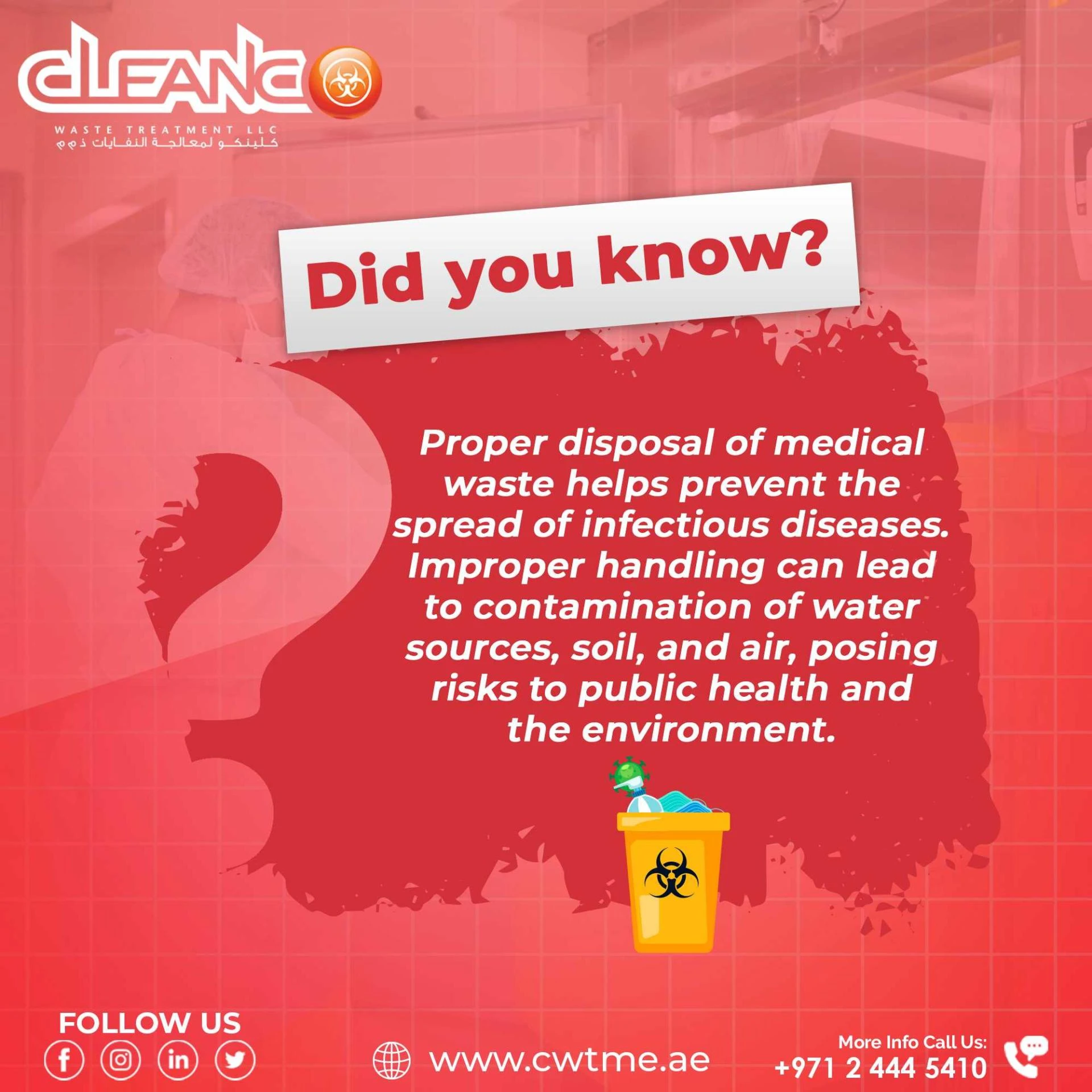

Waste management is becoming a vital component of preserving the sustainability and health of the ecosystem. Proper waste management disposal is not just about tossing trash into bins; it involves a strategic approach that minimizes harm to the environment, conserves resources, and promotes public health.
So, in this guide, Cleanco Waste Management provides comprehensive tips on the dos and don’ts of effective waste disposal.
The Importance of Waste Management
Before delving into the specific dos and don’ts, it’s essential to understand why waste management is crucial. Proper waste disposal:
Reduces Pollution: Proper waste management practices prevent harmful substances from contaminating the air, soil, and water.Conserves Resources: Recycling and reusing materials help in conserving natural resources, reducing the need for new raw materials.Supports Public Health: Proper disposal methods mitigate health risks associated with hazardous waste and prevent disease outbreaks.Promotes Sustainability: Effective waste management practices contribute to sustainable development by minimizing environmental impact.Dos of Waste Management Disposal
1. Segregate Waste Properly
One of the fundamental dos of waste management is proper waste segregation. Separate your waste into categories such as organic, recyclable, and hazardous. Therefore, this not only makes disposal more efficient but also enhances the recycling process.
2. Use Appropriate Disposal Methods
Observe proper disposal procedures for every kind of waste. For instance, organic waste should go into compost bins, recyclables in recycling bins, and hazardous waste like batteries and chemicals. All these should be taken to designated disposal centers.
3. Reduce and Reuse
Adopt practices that minimize waste generation. Reduce the use of single-use items and opt for products with minimal packaging. Reuse items whenever possible, such as using glass jars for storage instead of buying new containers.
4. Recycle Responsibly
Recycling is a key component of waste management. Make sure to clean and sort recyclable items properly before disposing of them. Moreover, follow your local recycling guidelines to ensure that your recyclables are processed correctly.
5. Compost Organic Waste
Managing organic waste is made much easier with composting. It not only reduces the amount of waste sent to landfills but also produces nutrient-rich compost that can be used to enhance soil quality.
6. Educate and Involve the Community
Raise awareness about the importance of waste management in your community. Moreover, organize workshops, distribute informational materials, and encourage community participation in waste reduction and recycling programs.
7. Use Certified Disposal Services
For hazardous and bulk waste, use certified waste disposal services. These services have the expertise and equipment to handle and dispose of waste safely and in compliance with environmental regulations.
8. Stay Informed
Keep yourself updated with the latest waste management practices and regulations. Additionally, being informed helps in making better disposal choices and staying compliant with local laws.
9. Label Hazardous Waste Clearly
If you need to dispose of hazardous waste, make sure it is clearly labeled. Additionally, proper labeling prevents accidents and ensures that the waste is handled correctly.
10. Support Eco-Friendly Products
Opt for products that are biodegradable or have eco-friendly packaging. Moreover, supporting such products can significantly reduce the amount of non-recyclable waste.
Don'ts of Waste Management Disposal
1. Don’t Mix Waste Types
Avoid mixing different types of waste. Mixing recyclables with organic or hazardous waste can contaminate the entire batch, making it unsuitable for recycling and posing environmental risks.
2. Don’t Dispose of Hazardous Waste in Regular Bins
Never dispose of hazardous waste, such as chemicals, batteries, or electronic waste, in regular trash bins. Therefore, this can lead to environmental contamination and pose health risks.
3. Don’t Burn Waste
Burning waste, especially plastics and hazardous materials, releases toxic fumes and pollutants into the air. Also, always use designated disposal methods for such waste.
4. Don’t Overfill Bins
Avoid overfilling waste bins. Bins that are overfilled may leak and bring pests. Therefore, ensure that lids can close properly to contain the waste.
5. Don’t Ignore Local Regulations
Each locality has specific waste management regulations. Ignoring these rules can result in fines and contribute to environmental harm. Also, always follow local disposal guidelines.
6. Don’t Waste Food
Food waste is a significant issue. Plan your meals to minimize leftovers, and consider donating excess food to shelters or food banks.
7. Don’t Use Plastic Bags for Organic Waste
Plastic bags do not decompose and can contaminate organic waste intended for composting. Moreover, use compostable bags or bins for organic waste instead.
8. Don’t Dispose of E-Waste Improperly
Electronic waste contains harmful substances. So, always dispose of e-waste through proper recycling programs or take-back schemes offered by manufacturers.
9. Don’t Flush Non-Biodegradable Items
Avoid flushing items like wipes, sanitary products, or plastics down the toilet. These can cause blockages and environmental damage. Therefore, dispose of them properly in the trash.
10. Don’t Be Complacent
Waste management is an ongoing responsibility. Don’t become complacent or neglectful about proper disposal practices. Therefore, consistent efforts are necessary to maintain an effective waste management system.
Conclusion
Effective waste management is a collective responsibility that requires awareness, dedication, and proper practices. We, Cleanco Waste Management, are in the waste management business, follow these do’s and don’ts, and contribute to a cleaner, healthier, and more sustainable environment.
So, always keep in mind that little things can have a huge impact. Let’s work together to manage waste responsibly and protect our planet for future generations.


























Sign in to leave a comment.