

In the early days of the internet, IPv4 addresses were viewed strictly as technical plumbing. Today, they are increasingly discussed as high-value economic assets. With the original pool of available addresses exhausted, these 32-bit numerical identifiers have entered a new era characterized by scarcity, secondary markets, and rising valuations.
Scarcity and the Birth of a Market
The IPv4 protocol is limited to approximately 4.3 billion addresses. Because a large portion of these are reserved or unusable, the usable supply is significantly tighter. As the "free" pool from Regional Internet Registries (RIRs) ran dry, a secondary market emerged to facilitate transfers.
Currently, IPv4 blocks trade at prices ranging from $50 to $60 per address. This price appreciation has led analysts to compare IPv4 to "digital real estate." Much like physical land, the supply is fixed, and those who hold blocks can see significant capital appreciation as demand from network operators and cloud providers continues to grow.
Is IPv4 Truly an "Asset Class"?
While the price trends mirror those of commodities, classifying IPv4 as a formal investment asset class remains a point of contention. Several structural hurdles prevent it from functioning like traditional financial instruments:
- Liquidity Constraints: While the total value of the IPv4 market is massive, the actual volume of yearly transfers is relatively low. This lack of liquidity can make price discovery difficult and complicates the process for investors looking for a quick exit.
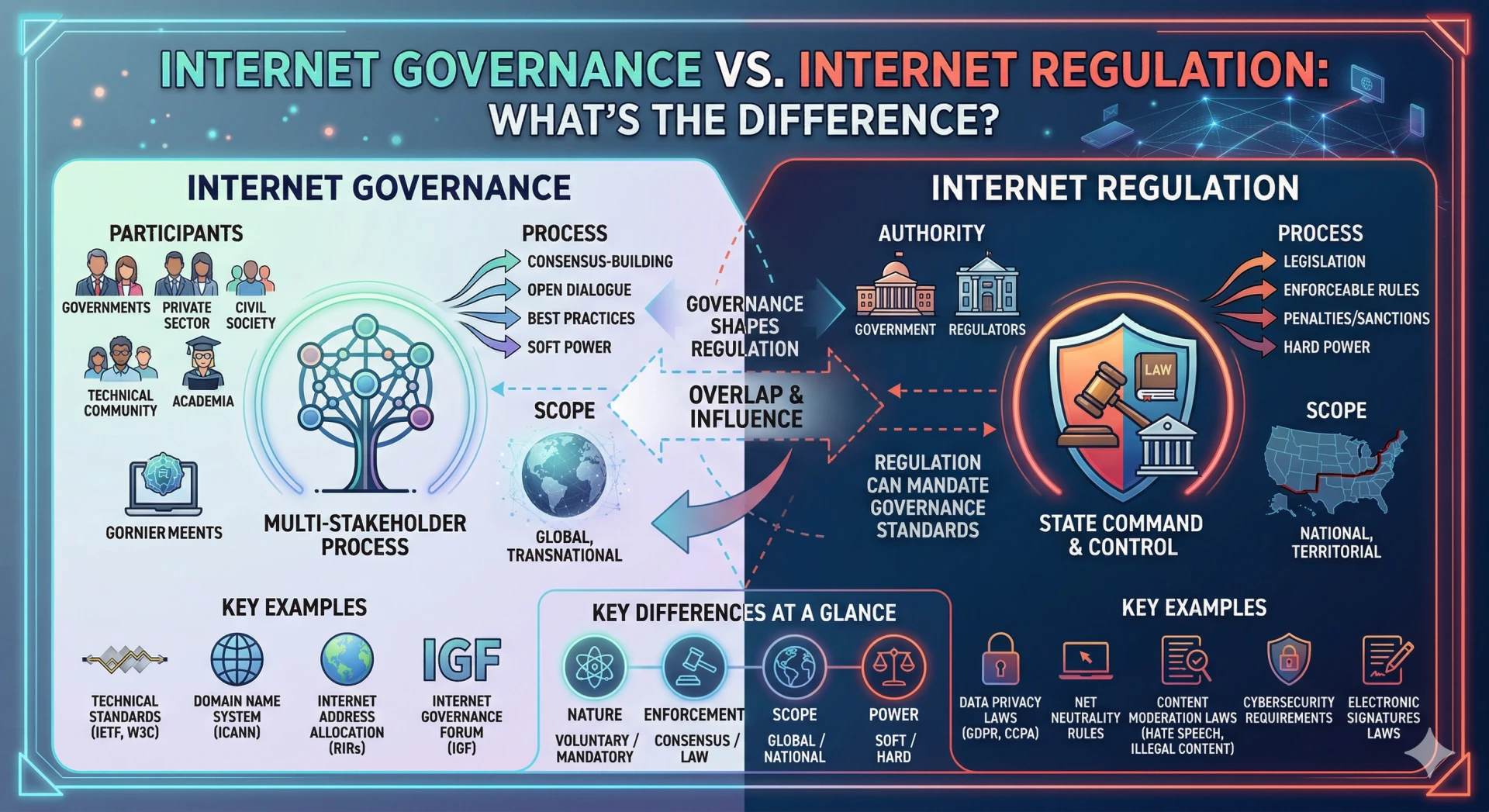
- Regulatory Barriers: RIRs, such as ARIN or RIPE, operate under community-driven policies rather than open-market principles. Many registries require buyers to demonstrate a "justified need" for the addresses or enforce mandatory holding periods to discourage speculative flipping.
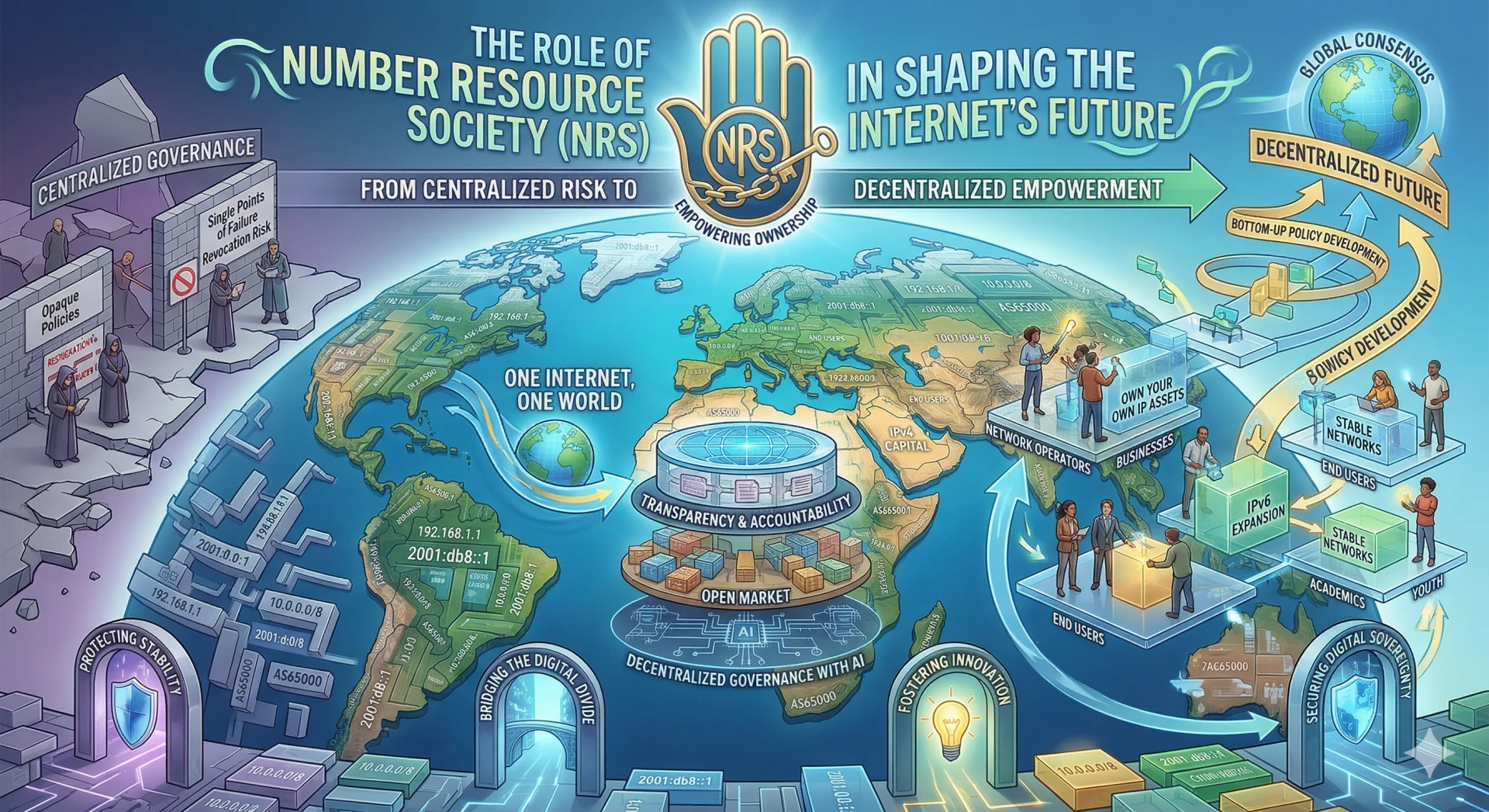
- The Ownership Paradox: From a legal standpoint, "owning" an IP address is different from owning a stock or a piece of land. RIRs generally grant rights of use based on policy compliance rather than absolute private property rights. This ambiguity can be a red flag for institutional investors.
The IPv6 Shadow
The long-term value of IPv4 is also tied to the adoption of its successor, IPv6. While IPv4 remains essential for legacy infrastructure and current global connectivity, the gradual shift toward IPv6—which offers an almost infinite address space—poses a long-term risk to IPv4 valuations. If the industry reaches a "tipping point" where IPv4 is no longer a requirement for global reach, the market for these addresses could face a sharp correction.
Conclusion: Operational Utility vs. Speculative Gain
IPv4 addresses undeniably hold significant economic value, but they currently function more as specialized operational assets than mainstream financial instruments.
For the time being, the market is driven primarily by network operators and ISPs with immediate connectivity needs. Whether IPv4 can transition into a true speculative asset depends on future policy reforms and how the industry balances the need for technical stewardship with the reality of a multi-billion dollar secondary market.
Read more here:https://btw.media/all/it-infrastructure/ipv4-as-an-investment-asset-upper-potential/




























Sign in to leave a comment.