

Homeowners facing worn wood features inevitably confront a financial decision. Restore what's there or replace it with something new. The answer isn't always obvious because the comparison involves more than just upfront costs. Long term value, property impact, and hidden expenses all factor into which option makes better financial sense.
Understanding True Replacement Costs
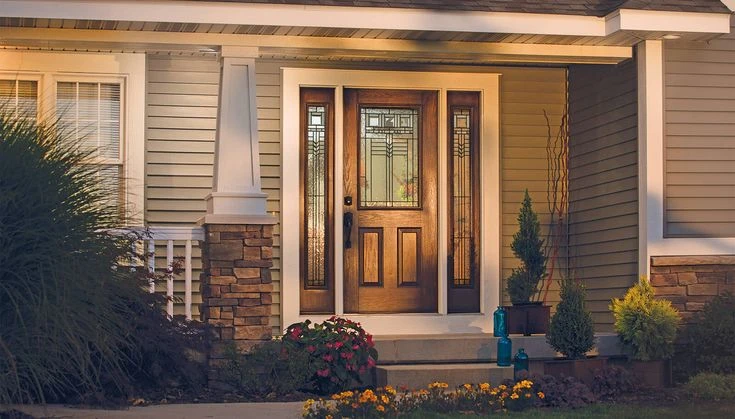
When homeowners price replacement, they often focus only on the material cost. A new solid wood door might be quoted at three thousand dollars. That seems expensive until you realize it's only part of the total expense.
Complete replacement costs include:
- The door itself
- Hardware (hinges, locksets, weatherstripping)
- Delivery charges
- Removal of old door
- Disposal fees for old materials
- Installation labor
- Frame modifications if new door sizing differs
- Finishing or painting if door arrives unfinished
- Potential drywall repair around frame
- Trim work to match existing woodwork
By the time everything is added up, that three thousand dollar door becomes a six to eight thousand dollar project. And that's for a single door.
Refinishing Cost Reality
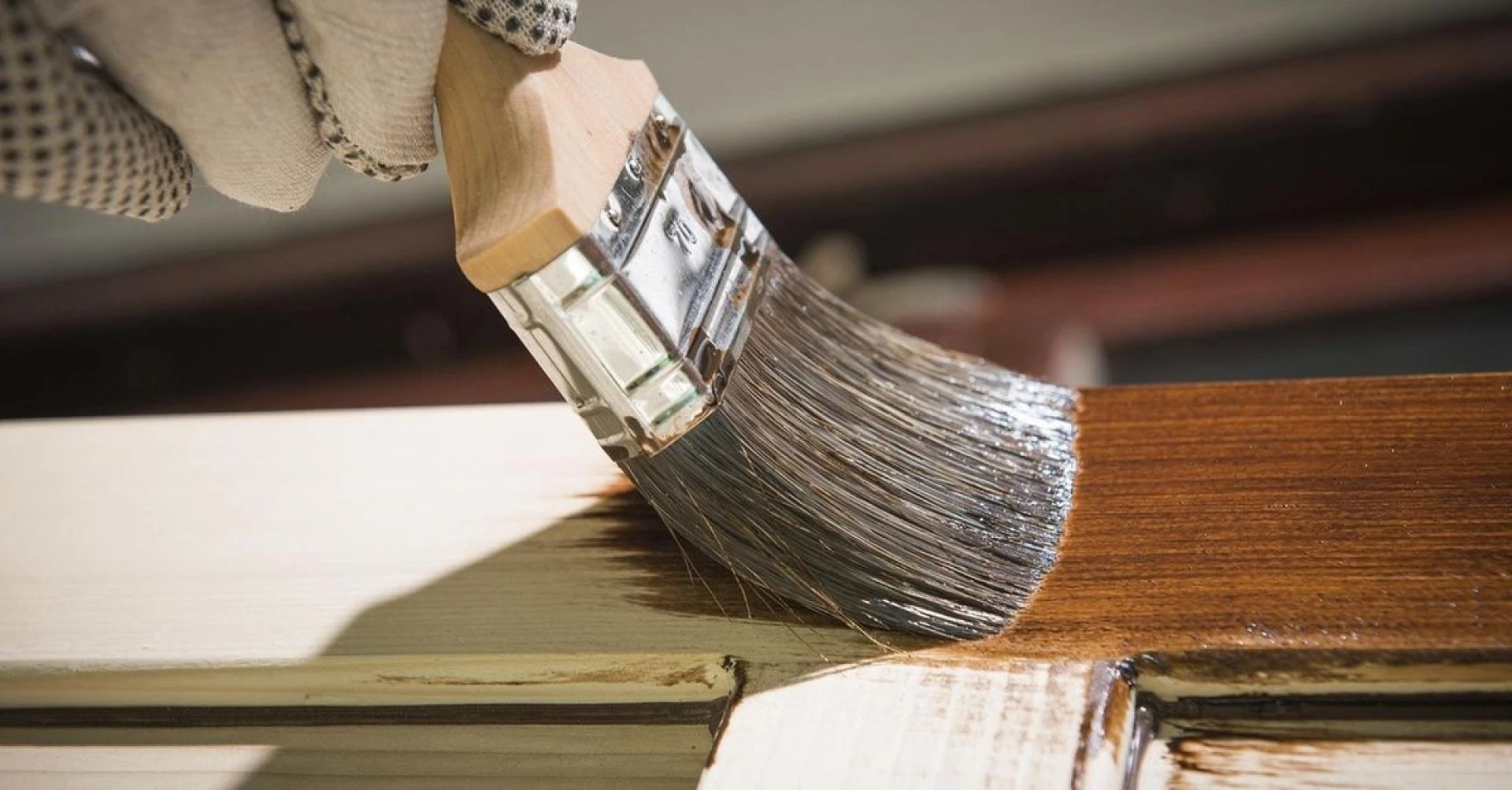
Professional door refinishing typically costs one third to one half of replacement, depending on the door's condition and complexity. This includes complete stripping, repairs, custom stain matching, and protective finishing with modern products.
Refinishing project costs cover:
- Complete finish removal
- Wood repairs and stabilization
- Professional sanding
- Custom color matching
- Multiple coats of protective finish
- Hardware cleaning and reinstallation
- Service that preserves original craftsmanship
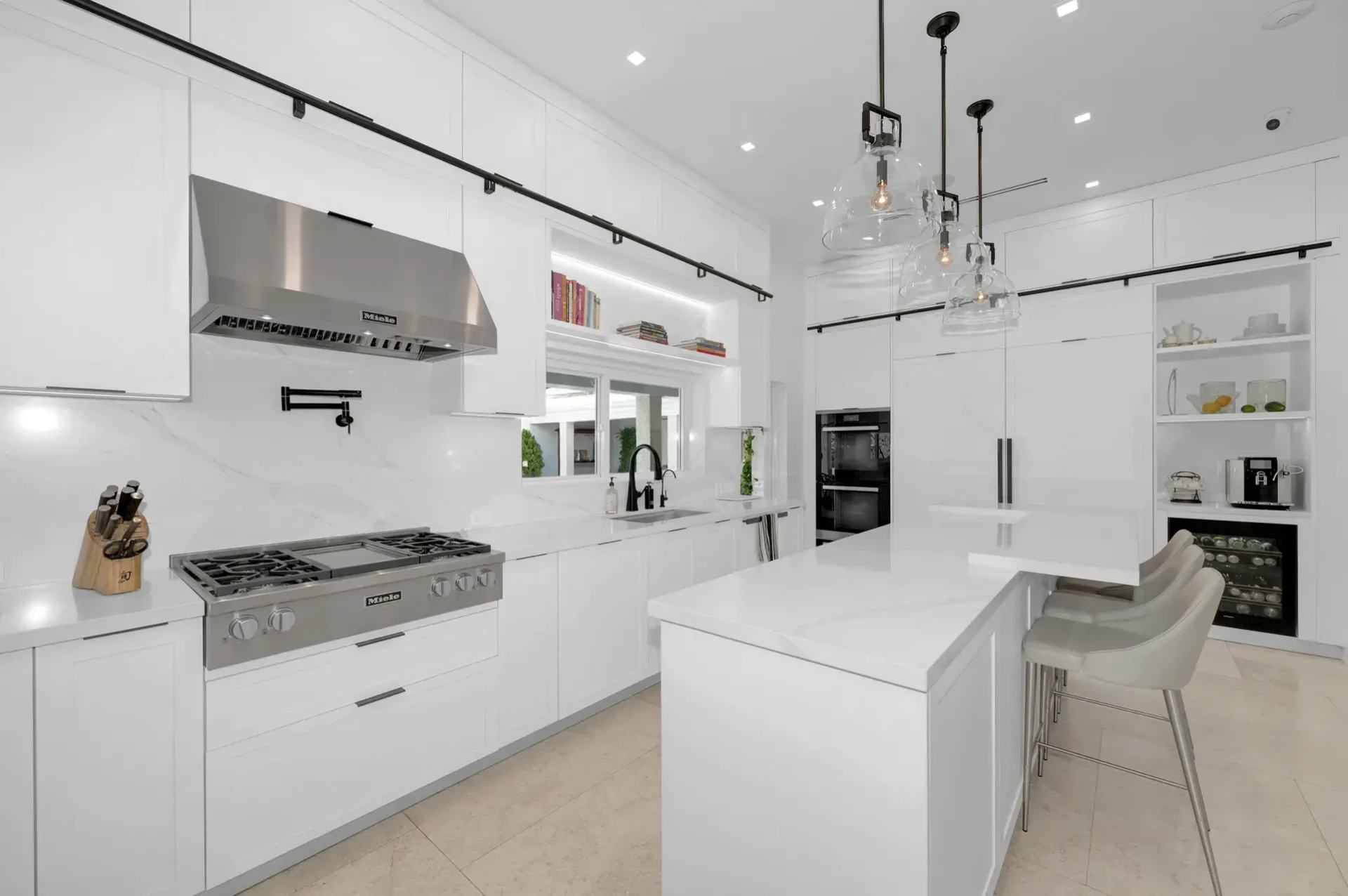
The price difference between refinishing and replacement becomes more dramatic when considering multiple features. A kitchen with twenty cabinet doors and ten drawer fronts might cost forty to sixty thousand dollars to replace with quality cabinets. The same kitchen can be refinished for eight to twelve thousand dollars.
The Quality Differential
Here's what many homeowners don't realize. The original wood in older homes is often superior to what's available new:
Advantages of original wood:
- Old growth lumber with tighter grain
- Denser wood that's more stable
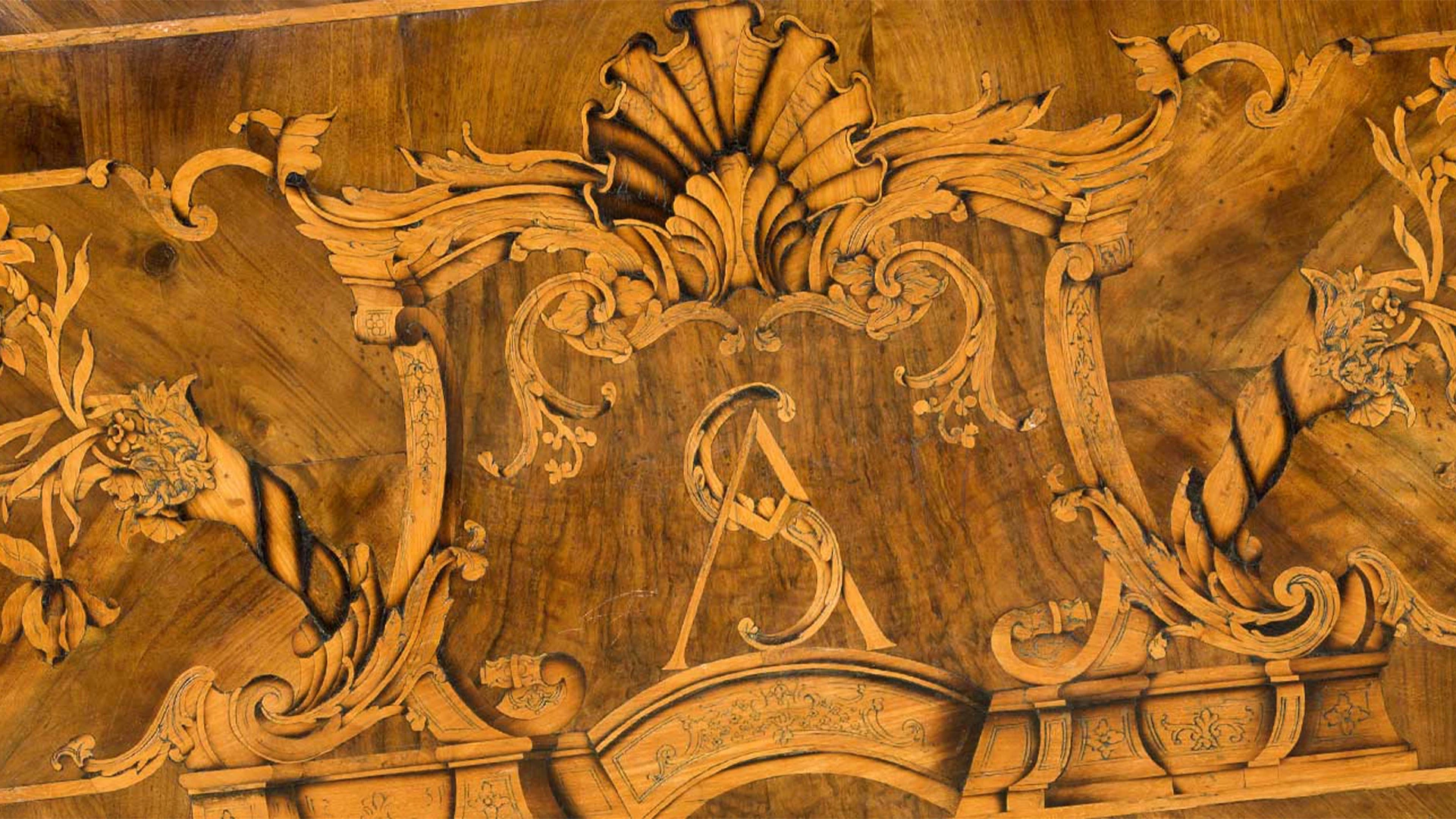
- Better joinery techniques
- Solid wood construction rather than veneers
- Hardware mounting designed for longevity
Modern cabinet manufacturers use engineered materials, veneers over particleboard, and construction methods that prioritize speed over durability. You're not comparing apples to apples. In many cases, refinishing preserves quality that replacement actually downgrades.
Property Value Considerations
Real estate values in Southern California depend heavily on condition and authenticity. Homes with well maintained original features command premiums over homes where original elements have been replaced with modern alternatives.
How refinishing affects property value:
- Maintains historic character buyers seek
- Demonstrates quality maintenance
- Preserves architectural integrity
- Shows care and attention to detail
- Avoids jarring modern elements in period homes
This matters most in neighborhoods like South Pasadena, Altadena, and parts of Glendale where Craftsman and historic homes define the character. Buyers in these areas actively seek authentic features and will pay more for them.
The Disruption Factor
Replacement projects create significant household disruption. Cabinet replacement means a kitchen that's unusable for weeks. The entire room gets torn apart, creating dust, noise, and chaos. Door replacement requires access for contractors, delivery trucks, and disposal services.
Refinishing disruption is comparatively minimal:
- Doors are removed but openings remain functional
- Cabinets remain in place during much of the work
- Kitchen maintains partial functionality
- Timeline is typically shorter
- Less dust and noise
- Cleaner process overall
For households where daily routines matter, this difference in disruption has real value, even if it's hard to quantify in dollars.
Longevity and Service Life
Both refinished and new wood require eventual maintenance. The question is how long before that maintenance is needed.
Refinishing service life expectations:
- Exterior doors: 8 to 12 years before next refinishing
- Interior doors: 15 to 25 years
- Cabinets: 12 to 20 years
- Floors: 10 to 20 years depending on traffic
New product service life:
- Quality new doors: Similar to refinished, 8 to 15 years
- Budget doors: May need attention in 5 to 10 years
- New cabinets: Finish quality varies dramatically
- New floors: Comparable to refinished floors
The service life is roughly equivalent, which means the lower cost option provides similar longevity. This makes refinishing the economically superior choice.
Environmental Economics
There's a growing recognition that environmental costs have economic value. Landfill fees continue to increase. Carbon footprints matter for property values. Sustainable practices attract buyers.
Refinishing environmental advantages:
- No landfill disposal costs
- No transportation of heavy new materials
- No manufacturing energy consumption
- Reduced carbon footprint
- Alignment with sustainability values
As California's environmental regulations evolve, these factors may have increasing economic impact through fees, incentives, and market preferences.
The DIY Temptation
Some homeowners consider DIY refinishing to save money. The hardware store rents sanders, sells stripping products, and offers staining supplies. How hard can it be?
Why DIY rarely saves money:
- Rented equipment is inferior to professional grade
- Mistakes require professional correction
- Products available to consumers are lower quality
- Results often need redoing within years
- Time investment is enormous
- Physical labor is demanding
The apparent savings disappear when DIY results need professional correction or when finishes fail prematurely. Professional refinishing done once costs less than DIY followed by professional redo.
Hidden Costs of Replacement
Beyond the obvious expenses, replacement carries hidden costs that refinishing avoids:
Additional replacement expenses:
- Matching new elements to existing woodwork often impossible
- May trigger cascade of updates to maintain consistency
- Disposal of functional materials wastes their remaining value
- Potential for discovering problems during demolition
- Risk of damage to surrounding areas
- Adaptation period for different hardware or layout
These hidden costs are real even though they're hard to quantify precisely.
The Break Even Analysis
When does replacement make more economic sense than refinishing? The calculation involves several factors:
Consider replacement when:
- Wood damage is extensive beyond reasonable repair
- Fundamental design change is desired
- Functionality needs complete overhaul
- Original construction quality was poor
- Historical value is minimal
For most solid wood features in well built homes, refinishing wins the economic comparison. Only when the wood itself is compromised or when layout needs to change does replacement make financial sense.
Long Term Property Stewardship
Many California homeowners view their properties as long term holdings. These aren't houses to flip but homes to maintain for decades or generations. This perspective changes the economic calculation.
Long term refinishing advantages:
- Lower cost per year of service life
- Maintains value of original investment
- Builds equity through quality maintenance
- Creates maintenance history that buyers value
- Avoids repeated replacement cycles
Over a thirty year homeownership period, refinishing original wood features two or three times costs substantially less than replacing them once or twice, while maintaining superior quality throughout.
Making the Financially Sound Choice
For most homeowners with solid wood features showing finish wear, professional refinishing represents the financially sound choice. Lower upfront costs, preservation of quality materials, maintenance of property value, and reduced disruption all favor restoration over replacement.
The key is working with someone who delivers refinishing results that truly last, not surface treatments that fail quickly. That's where 38 years of specialization makes the difference. Quality refinishing costs more than amateur work but delivers decades of service, making it the genuine economic value.
Contact Romani Restoration to discuss the economics of refinishing vs replacement for your specific project.























Sign in to leave a comment.