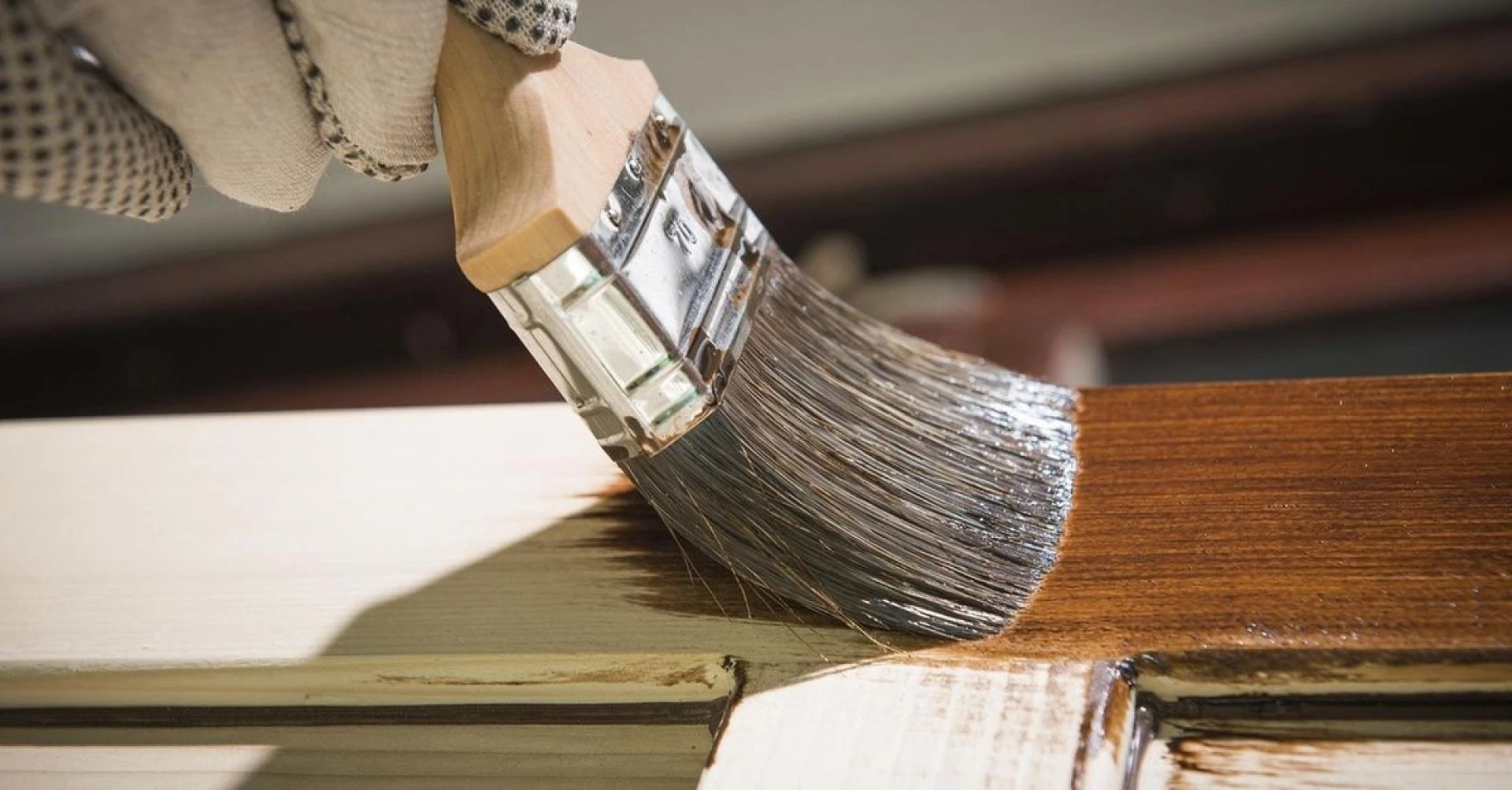

California's climate is wonderful for outdoor living but challenging for wood. The combination of intense sun, low humidity, and temperature swings creates conditions that age wood faster than in most other parts of the country. Understanding these challenges helps homeowners protect their investment in wood doors, floors, and cabinetry.
The UV Damage Problem
Southern California receives some of the most intense sunlight in the continental United States. UV rays do more than fade colors. They break down the chemical bonds in wood finishes, causing them to crack, peel, and lose their protective qualities.
How UV affects wood:
- Breaks down chemical bonds in finishes
- Causes cracking and peeling
- Penetrates to wood itself once finish fails
- Bleaches out natural color
- Breaks down lignin that binds wood fibers
South and west facing doors receive the most UV exposure. A door facing southwest with no porch overhang for protection might need refinishing every five to eight years. The same door facing north with a deep porch might go twelve to fifteen years between refinishing.
Modern UV inhibitors in finishing products help tremendously. These additives absorb or reflect UV before it reaches the wood, extending the life of both the finish and the underlying material. Professional exterior door refinishing includes these advanced protective elements.
The Low Humidity Challenge
California's dry air, especially during summer months and Santa Ana wind conditions, pulls moisture from wood. As wood dries, it shrinks. This shrinkage creates problems:
- Cracks at joints
- Warping in panels
- Gaps in floor boards
- Loose hardware mounting
The cycle repeats with seasonal changes. Winter brings slightly higher humidity, causing wood to expand. Then summer dries it out again. These repeated cycles stress wood and finishes, accelerating deterioration.
Solutions for low humidity damage:
- Wood conditioners restore flexibility during refinishing
- Proper sealing locks moisture in wood
- Quality finishes prevent excessive moisture loss
- Regular maintenance catches problems early
Temperature Swings and Thermal Stress
California's daily temperature range can be dramatic. A winter morning might be 45 degrees, with afternoon temperatures reaching 75. Summer swings can be even larger. Wood expands and contracts with these temperature changes, stressing both the wood and its finish.
Exterior doors face the greatest thermal stress:
- Direct sun heats surfaces to temperatures much higher than air temperature
- Night brings rapid cooling
- Daily cycles stress wood structure
- Finishes must remain flexible through these changes
Professional refinishing uses finishes formulated for thermal flexibility. They expand and contract with the wood rather than cracking under stress.
Coastal vs Inland Considerations
California's climate isn't uniform. Coastal areas have higher humidity and more moderate temperatures but face salt air exposure. Inland areas have lower humidity, greater temperature swings, and more intense sun but no salt corrosion.
Coastal area challenges:
- Salt air corrodes hardware and can penetrate wood
- Higher humidity reduces some drying stress
- Marine grade finishes are essential
- Hardware selection matters significantly
Inland area challenges:
- Extreme dryness requires extra conditioning
- Temperature swings demand flexible finishes
- UV exposure is more intense
- Dust and wind add abrasion
The refinishing approach needs to account for these regional differences. A door in Pasadena needs different treatment than one in Santa Monica, even though they're only thirty miles apart.
Preventive Measures Homeowners Can Take
While professional refinishing addresses damage once it occurs, homeowners can slow deterioration between refinishing cycles:
Simple protective steps:
- Install awnings or overhangs to shade south and west facing doors
- Apply furniture wax to high touch areas annually
- Clean wood surfaces with gentle soap and water, never harsh chemicals
- Inspect for finish damage twice yearly
- Address small problems before they become large ones
When to Call for Professional Help
Some warning signs indicate refinishing can't wait:
- Finish peeling or flaking
- Wood grain raising and becoming rough
- Color fading dramatically
- Cracks appearing in wood
- Water spots that won't clean off
- Doors sticking or not closing properly due to warping
Addressing these issues promptly prevents more extensive damage. Wood that's been exposed without finish protection deteriorates quickly in California's climate.
The Role of Quality Products
Not all finishing products perform equally in California conditions. Hardware store products are formulated for average national conditions, not the specific challenges of intense sun and low humidity.
Professional grade products offer:
- Higher UV inhibitor concentrations
- Greater flexibility for thermal movement
- Better moisture vapor transmission properties
- Longer service life
- More durable surface protection
This is why professional wood floor refinishing delivers results that last years longer than DIY attempts. The products themselves are superior, beyond just the application technique.
Climate Appropriate Maintenance Schedules
In milder climates, wood might go fifteen to twenty years between refinishing. In California, particularly for exterior applications, the schedule needs to be more aggressive:
Recommended maintenance intervals:
- Exterior doors with full sun exposure: 6 to 10 years
- Exterior doors with shade protection: 10 to 15 years
- Interior doors in sunny rooms: 15 to 20 years
- Interior doors in low light areas: 20 to 30 years
- Wood floors in sunny areas: 10 to 15 years
- Wood floors in protected areas: 15 to 25 years
These are guidelines, not absolute rules. Actual timing depends on specific exposure, finish quality, and how well the wood has been maintained.
The Long Term Value Proposition
Regular refinishing isn't just about appearance. It's about protecting the investment you've made in quality wood features. A solid wood door costs several thousand dollars. Refinishing every eight to ten years costs a fraction of replacement. Over thirty years, you might refinish three or four times for less than the cost of one replacement.
The same logic applies to floors and cabinetry. Cabinet refinishing every fifteen to twenty years maintains their appearance and function indefinitely, at far less cost than periodic replacement.
Working With California's Climate
You can't change California's sun intensity or humidity levels. But you can work with climate realities through appropriate product selection, proper application techniques, and realistic maintenance schedules. That's exactly what 38 years of specialization in California wood refinishing provides.
Understanding how climate affects wood, recognizing warning signs of damage, and knowing when to act all contribute to preserving your home's wood features for decades. The alternative, neglect followed by costly replacement, costs more in every way.
For wood refinishing that accounts for Southern California's unique climate challenges, contact Romani Restoration to discuss your project.






















Sign in to leave a comment.