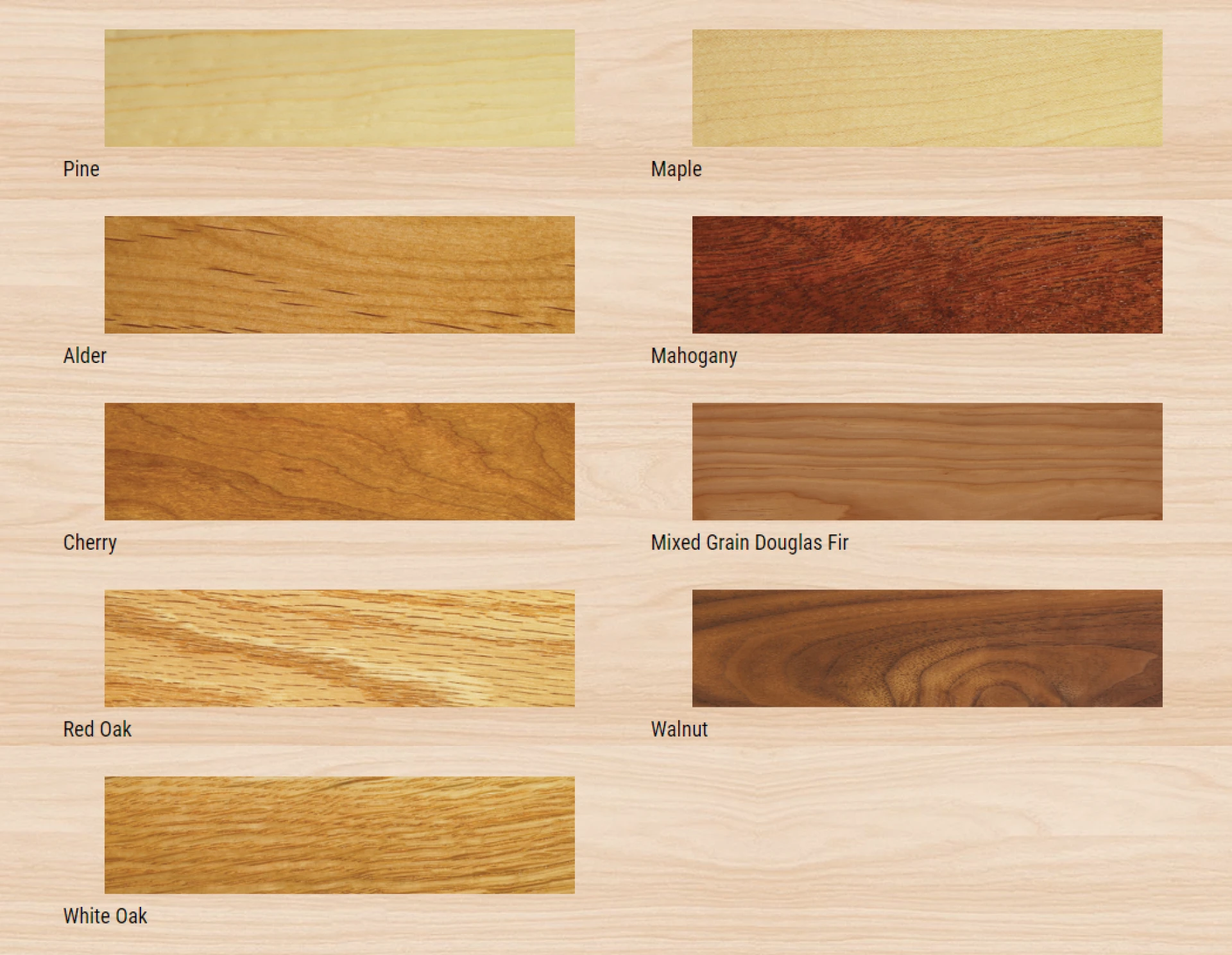

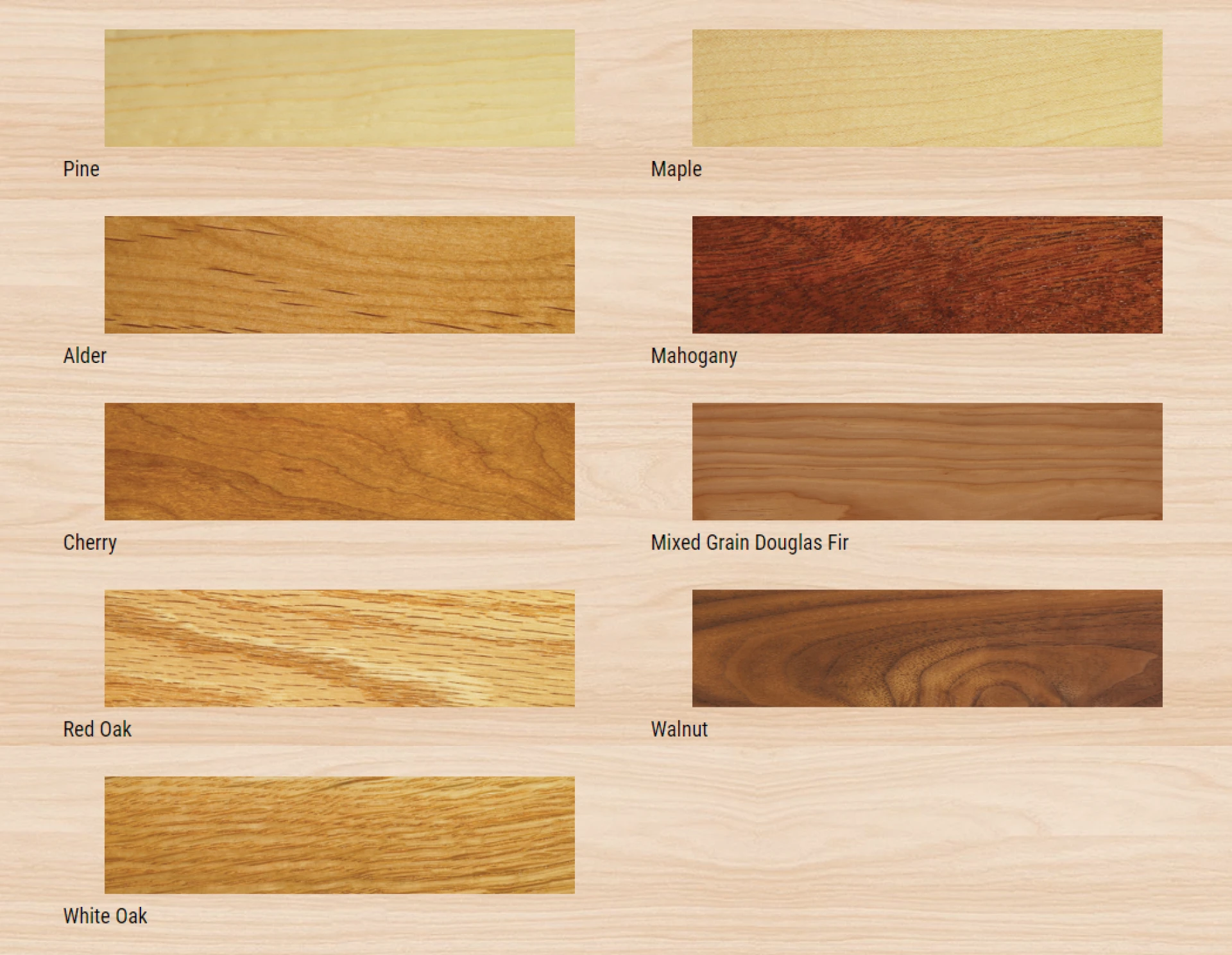
 Wood is not a uniform material. Every species behaves differently when stripped, sanded, stained, and sealed. This matters enormously for homeowners considering refinishing projects because the approach that works beautifully on oak can produce disappointing results on maple or cherry.
Oak: The Forgiving Hardwood
Oak dominates older homes throughout Southern California, particularly in Craftsman architecture. Both red oak and white oak were popular choices for doors, floors, and trim. Oak's open grain structure accepts stain readily and evenly. This makes it relatively forgiving for refinishing work. The prominent grain pattern becomes more dramatic with darker stains and more subtle with lighter tones.
White oak, slightly denser than red oak, was often chosen for exterior applications because of its natural resistance to moisture. Red oak, with its warmer undertones, was preferred for interiors where its reddish hue complemented other design elements.
Key considerations for oak refinishing:
- The deep pores can be left open for a rustic appearance or filled for a smoother finish
- Professional refinishing allows homeowners to choose based on overall aesthetic goals
- Both red and white oak respond well to a wide range of stain colors
Mahogany: The Luxury Choice
Mahogany doors and trim signal quality. This imported hardwood was expensive even when these homes were built, reserved for prominent features like front doors or formal room woodwork. Mahogany has a tighter grain than oak and natural oils that make it resistant to rot and insects.
Refinishing mahogany requires understanding these natural oils:
- Stain penetration is different than with domestic hardwoods
- Too aggressive with sanding removes the characteristics that make mahogany desirable
- Too light and old finish remains in the grain
- The balance comes from experience working specifically with this species
Mahogany's natural color deepens to a rich reddish brown as it ages. Many homeowners want to preserve this mature color rather than lightening it back to the orange tone of new mahogany. Custom stain mixing allows this kind of nuanced color work.
Walnut: The Sophisticated Option
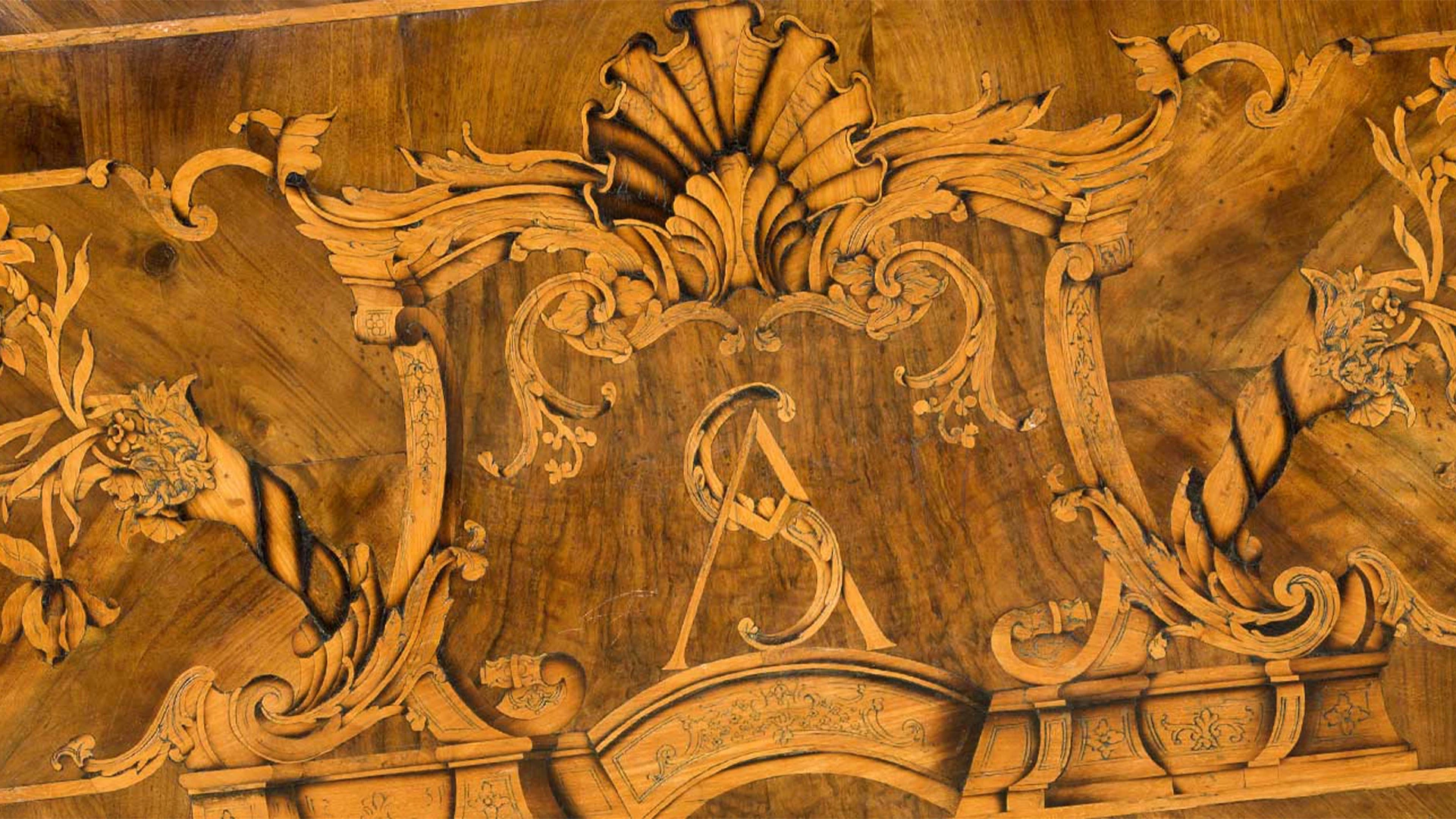
Black walnut and claro walnut appear in higher end homes, often as accent pieces or in custom built ins. Walnut's chocolate brown color with occasional lighter sapwood creates natural contrast. The wood is moderately hard, machines beautifully, and takes finish well.
Refinishing walnut presents specific challenges:
- Color matching when repairs are needed requires careful wood selection
- Heartwood and sapwood vary dramatically in tone
- Replacing damaged sections means selecting wood with similar color variation and grain pattern
- Staining can help blend repairs, but starting with well matched wood is essential
Walnut also darkens with age and light exposure. A walnut door that's been in place for decades will be much darker than fresh walnut. This matters when sourcing wood for repairs or additions.
Cherry: The Color Changing Wood
Cherry is beloved for its smooth grain and the way it changes color over time. New cherry is relatively light, almost pink. With exposure to light, especially sunlight, it darkens to a deep reddish brown. This transformation happens over years and is one of cherry's defining characteristics.
Cherry refinishing considerations:
- Wood may have darkened unevenly over time
- Areas covered by rugs or furniture will be lighter than exposed areas
- Professional refinishing can minimize differences through careful stain selection
- Application technique matters significantly
Cherry is also softer than oak or mahogany, which means it dents more easily. Surface preparation must be thorough enough to remove dents and scratches but not so aggressive that it creates low spots or changes the wood's contours.
Maple: The Challenging Beauty
Maple's fine, tight grain creates a smooth appearance that's almost glass like when properly finished. This same characteristic makes maple challenging to stain evenly. The wood is so dense and the grain so tight that stain can sit on the surface rather than penetrating deeply.
Professional refinishing of maple requires:
- Wood conditioner to open the grain slightly
- Special attention during stain application
- Understanding of hard maple vs soft maple varieties
- More careful technique than porous woods demand
The payoff is a refined appearance that suits contemporary and traditional designs equally well. Maple demands more attention during stain application than more porous woods, but the results justify the extra care.
Pine: The Maintenance Intensive Softwood
Pine appears in older homes as trim, doors, and sometimes floors. It's affordable, readily available, and easy to work with during construction. But pine's softness means it dents and scratches easily. Refinishing often involves addressing more surface damage than with hardwoods.
Pine presents unique challenges:
- Extremely absorbent without proper conditioning
- Soaks up stain unevenly, producing dramatic color variation
- Knots are harder than surrounding wood and absorb stain differently
- Requires experience and right preparation products for even results
Some homeowners embrace pine's character with knots and variation. Others prefer more uniform appearance, which requires extra attention during finishing.
Fir: The Northwest Favorite
Douglas fir was widely used in California construction, particularly for doors and structural elements. Its straight grain and natural resistance to decay made it practical for exterior applications. Fir stains acceptably but not spectacularly compared to oak or walnut.
Fir refinishing involves decisions about:
- Whether to enhance the grain with stain
- Whether to paint over it entirely
- Realistic expectations for natural appearance
- Understanding its somewhat bland grain pattern compared to other species
For painted fir that homeowners want to return to natural wood, expectations need to be realistic about what the grain will look like once revealed.
Matching Wood for Repairs
One of the most challenging aspects of wood door refinishing is matching species when repairs are needed. A damaged oak door needs oak for repairs, not just any hardwood. But beyond species matching, grain pattern, color, and density all factor into creating invisible repairs.
Critical factors in repair wood selection:
- Species must match exactly
- Grain pattern should be similar
- Color baseline needs to be compatible
- Density affects how stain is absorbed
- How the wood was cut influences final appearance
This is where working with a craftsman who understands wood species makes the difference. Selecting the right piece of wood for a repair requires seeing hundreds of pieces and knowing what to look for.
Why Species Knowledge Matters
Homeowners sometimes ask why refinishing estimates vary so much between different projects. Part of the answer lies in wood species:
- A mahogany door requires different products and techniques than an oak door
- A maple floor demands more careful attention than an oak floor
- A cherry built in needs different color considerations than a walnut one
Professional refinishing accounts for these differences. Rather than applying the same approach to every project, the process adapts to the specific wood being refinished. This species specific expertise is what separates craftsman level work from basic refinishing.
For anyone considering wood refinishing in Pasadena, understanding what species you're working with is the first step. It influences everything from the products used to the techniques applied to the final appearance achieved. When you work with someone who brings 38 years of experience across all these species, that knowledge directly benefits your project.
Contact Romani Restoration to discuss refinishing that's tailored to your specific wood species and project needs.

























Sign in to leave a comment.