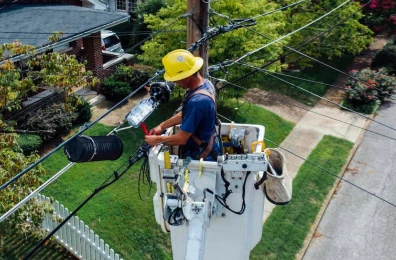

With rapid technological advancement, the electrical field stands as a testament to the transformative power of innovation. The progress we witness today is staggering, with breakthroughs altering the landscape of electrical systems at an unprecedented pace.
Within this electrifying evolution, skilled electricians emerge as indispensable architects, navigating the intricacies of modern technology to shape our electrified world. They are the linchpins, translating advancements into tangible solutions and ensuring our homes and industries remain connected, efficient, and safe.
This is what makes the exploration of technological transformation within the electrical field so fascinating. From the historical context of electrical systems to current technological advancements and the contemporary skillset required of modern electricians today—there’s a lot to decipher.
Here’s everything you need to know about how top-rated electricians navigate modern technology and the challenges it may bring.
Historical Context of Electrical Systems
Electricity, a cornerstone of modern civilization, has a compelling history rooted in innovation and progress. The journey of electrical systems began with the pioneering work of luminaries like Benjamin Franklin and Alessandro Volta. The late 19th and early 20th centuries marked a significant shift with the advent of alternating current (AC) and direct current (DC) systems, pioneered by Nikola Tesla and Thomas Edison, respectively.
Early electricians grappled with challenges like limited transmission distances, inefficiencies, and safety concerns. The development of robust electrical grids and standardized systems addressed these issues, setting the stage for widespread electrification. Subsequent decades witnessed monumental advancements, including the transistor's invention and the rise of integrated circuits, revolutionizing the very fabric of electrical engineering.
As the world moved into the digital age, electricians became integral in harnessing technologies like semiconductors and microprocessors, laying the foundation for today's interconnected world.
Technological Advancements in Electrical Systems
The landscape of electrical systems is undergoing a revolutionary transformation propelled by modern technologies. From the inception of smart homes to the rise of the Internet of Things (IoT) and the integration of renewable energy sources, a new era has emerged. Smart homes, equipped with intelligent devices and automated systems, are enhancing efficiency and convenience, optimizing energy consumption, and fostering a sustainable lifestyle.
The Internet of Things (IoT) has connected our devices, allowing seamless communication and control. Electricians are now working in an interconnected realm, adapting electrical systems to accommodate IoT, paving the way for smarter, more efficient and secure operations. Renewable energy sources, including solar and wind power, are being integrated into electrical grids, reducing reliance on traditional fossil fuels and promoting sustainability.
These technological advancements collectively impact electrical safety, efficiency, and sustainability. Safety measures are becoming more sophisticated, and energy-efficient systems are minimizing environmental impact. Understanding and navigating this rapidly evolving landscape is crucial for electricians to ensure a sustainable and safe electrical future.
The Skillset of a Modern Electrician
Electricians of today, in navigating the dynamic terrain of modern technologies, require a nuanced skillset amalgamating traditional expertise with contemporary proficiencies. The foundational skills, encompassing a deep understanding of electrical theory, wiring, and circuitry, remain fundamental. However, the advent of modern technologies demands additional proficiencies.
In the contemporary landscape, electricians need to master skills related to smart technologies, IoT integration, and renewable energy systems. Familiarity with automation systems, software applications, and digital interfaces is paramount. Furthermore, expertise in sustainability, energy efficiency, and eco-friendly practices has become indispensable.
Continuous learning and upskilling are at the core of a modern electrician's journey. Staying updated with the latest technological trends, safety protocols, and environmental regulations is crucial. Industry-specific certifications, workshops, and embracing opportunities for hands-on experience are essential aspects of honing the requisite skillset.
The modern electrician is a dynamic professional, seamlessly blending traditional expertise with cutting-edge skills, ensuring safe, efficient, and sustainable electrical solutions. The commitment to lifelong learning is not only a choice but a necessity in the ever-evolving electrical profession.
Smart Homes and IoT Integration
The rise of smart homes has dramatically reshaped the way we interact with our living spaces. Smart devices and the Internet of Things (IoT) have seamlessly woven into residential electrical systems, elevating our homes' efficiency, security, and convenience.
Electricians play a pivotal role in this integration, working at the forefront of technology. They are responsible for setting up and maintaining these smart home technologies, ensuring a seamless interconnection of devices. Their expertise in wiring, circuitry, and system configuration is fundamental to the successful implementation of IoT in homes.
The benefits of smart home integration are multifaceted, offering increased energy efficiency, remote monitoring and control, enhanced security systems, and a heightened quality of life.
However, it is not without its challenges, including interoperability issues, cybersecurity concerns, and the need for standardized protocols. Electricians are crucial in mitigating these challenges, making smart homes safer and more accessible for homeowners, ultimately contributing to a technologically advanced and efficient residential landscape.
Renewable Energy and Sustainable Practices
The surge in renewable energy sources, particularly solar and wind power, marks a significant shift towards sustainability in the electrical sector.
Electricians hold a crucial role in this transition, tasked with the installation, maintenance, and optimization of renewable energy systems. Their expertise ensures these systems are seamlessly integrated, maximizing energy production and minimizing environmental impact. The advantages are manifold, encompassing reduced greenhouse gas emissions, lower utility bills, and a move toward energy independence.
These sustainable practices not only benefit the environment but also pave the way for a future powered by clean, renewable energy sources.
So, want to start looking for reliable electrical contractors to upgrade to a modern home? Explore BiltPros to connect with top-notch electricians and electrical companies in Moreno Valley and Riverside, CA.
Give them a call for more information.
About the Author
The author of this blog is a seasoned writer and electrical enthusiast with a passion for exploring the evolving intersection of technology and electrical systems. With a keen eye on modern trends, they explore the world of electrical advancements, offering insights into the dynamic role of electricians in shaping our technologically advanced future. Their main aim is to inspire and educate, highlighting the transformative journey of electrical evolution through engaging and informative narratives.


























Sign in to leave a comment.