

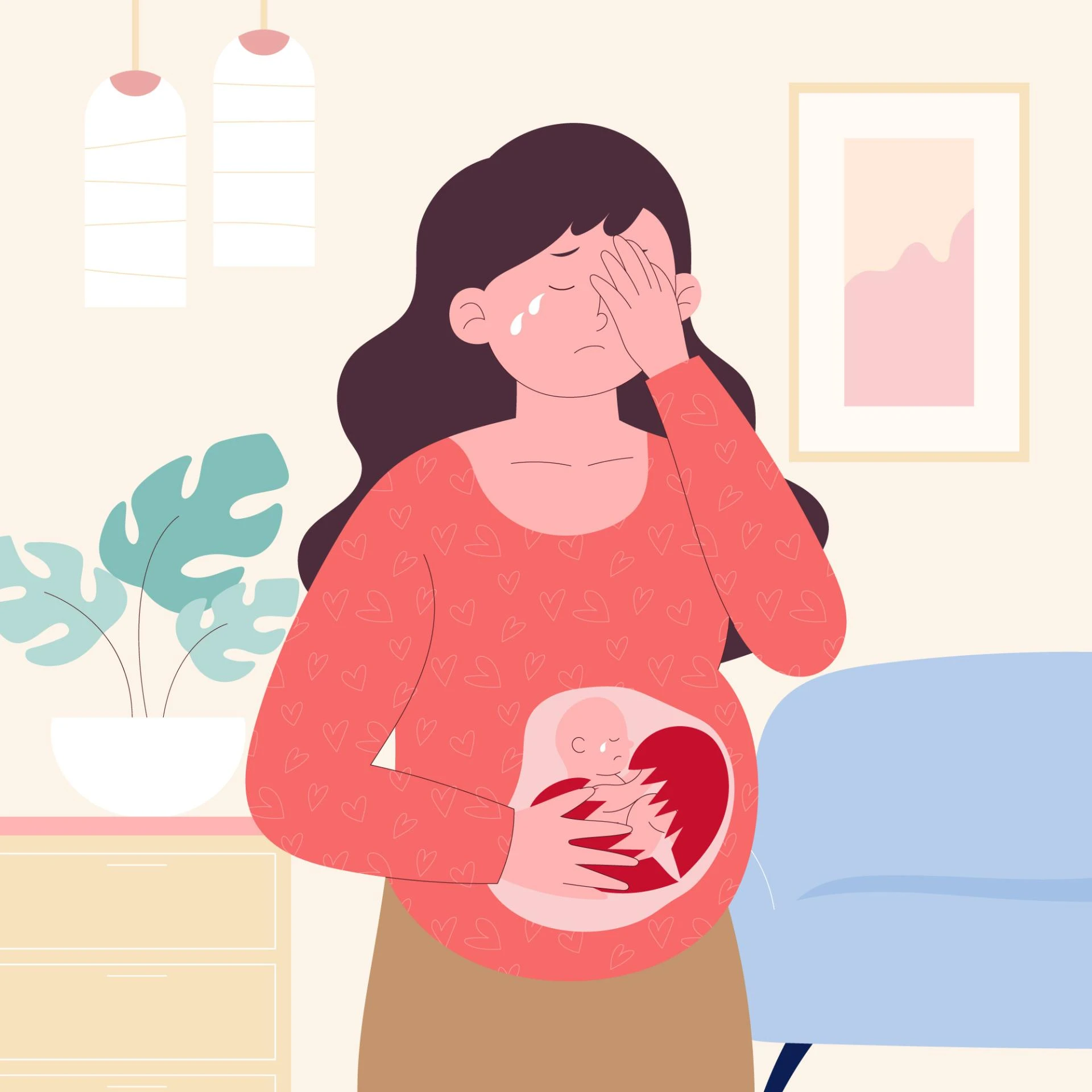
For many couples, the dream of becoming parents is one of life’s most cherished goals. But when pregnancy does not happen easily, it can bring feelings of sadness, stress, and even shame. Infertility is not only a medical challenge - it is also an emotional journey. Couples may feel pressure from family, society, and even from themselves, which makes the situation harder. The good news is that with emotional support, medical guidance, and treatments like IVF in Ahmedabad, there is always hope.
Understanding the emotional side of infertility and seeking proper support is just as important as medical treatment. With the right guidance and care, couples can face this difficult phase with strength and courage.
1. Infertility: More Than Just a Medical Issue
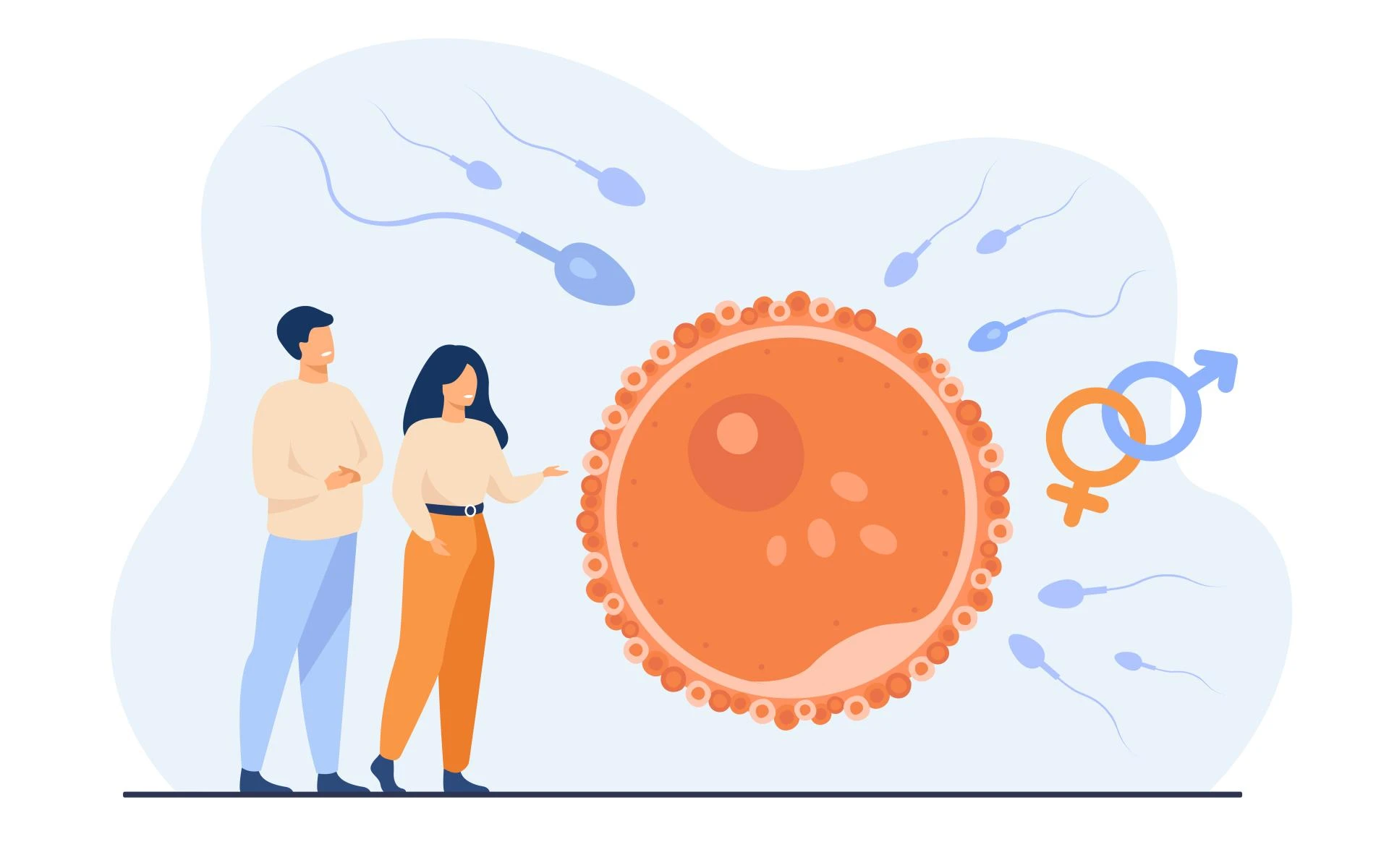
Infertility is often defined as the inability to conceive after trying for one year (or six months if the woman is above 35). But behind this definition lies a storm of emotions.
- Frustration: Every negative pregnancy test can feel heartbreaking.
- Isolation: Couples may avoid social gatherings or baby-related events.
- Guilt: Women may blame themselves if their bodies don’t conceive, while men may feel inadequate if sperm issues are involved.
- Relationship stress: The pressure of infertility sometimes creates distance between partners.
These emotions can feel overwhelming, but they are natural. Recognizing them is the first step toward healing.
2. The Psychological Impact of Infertility
Infertility often brings a rollercoaster of emotions. Some common psychological effects include:
- Anxiety and depression: Constant worry about the future, along with sadness, is common.
- Low self-esteem: Many feel “less worthy” because they cannot conceive naturally.
- Stress in relationships: Couples may argue more often, or intimacy may become stressful instead of joyful.
- Social pressure: Friends and relatives may keep asking, “When will you have children?” which adds more pain.
In some cases, emotional stress may even reduce fertility further. That’s why emotional health and medical health must go hand in hand.
3. The Importance of Emotional Support
Support is not a luxury—it is a necessity during the fertility journey. Emotional support helps couples:
- Cope with stress and disappointment.
- Maintain healthy relationships.
- Stay motivated to continue treatment if required.
- Reduce the feeling of isolation.
Support can come from different sources—partners, family, friends, fertility support groups, and professional counselors. Clinics like SnehIVF understand this balance and provide both medical solutions and emotional care.
4. How Partners Can Support Each Other
The relationship between partners is the strongest pillar of support. Couples can:
- Communicate openly: Share feelings honestly without judgment.
- Be patient: Understand that emotional reactions may differ—one partner may cry, while the other may become silent.
- Stay united: Make medical decisions together and remind each other that you are a team.
- Keep intimacy alive: Physical closeness should not only be about “trying for a baby.” Emotional bonding matters too.
When partners stand together, the journey becomes easier.
5. Role of Family and Friends
Sometimes, family and friends want to help but don’t know how. The best support they can give is:
- Listening without judging.
- Avoiding pressure or hurtful comments.
- Offering help during treatment visits.
- Encouraging healthy lifestyle changes instead of blame.
Supportive loved ones can reduce the heavy burden of infertility. The guidance of the best IVF doctor in Ahmedabad can also bring clarity to couples and reassure families that medical and emotional challenges can be managed together.
6. Professional Support and Counseling
In many cases, professional counseling is very helpful. Fertility counselors and psychologists provide:
- Safe space to express emotions.
- Guidance on stress management techniques.
- Tools to improve communication between couples.
- Hopeful outlook on treatment options.
Counseling can also prepare couples for assisted reproductive treatments, helping them manage expectations and emotions. When done in the right environment—such as the best IVF hospital in Ahmedabad—emotional support and advanced treatments go hand in hand.
7. Support Groups and Community Help
Fertility support groups are growing worldwide, both online and offline. Joining such groups allows couples to:
- Share their stories with others who truly understand.
- Learn coping strategies.
- Stay motivated by hearing success stories.
- Realize they are not alone in this journey.
Sometimes, just knowing “others are going through the same thing” brings comfort.
8. Healthy Lifestyle and Emotional Well-being
Taking care of physical health improves emotional strength too. Couples can try:
- Exercise: Yoga, walking, or gym sessions reduce stress hormones.
- Meditation and breathing exercises: These calm the mind and improve focus.
- Balanced diet: Nutritious food improves both body and mood.
- Quality sleep: At least 7–8 hours of rest restores emotional balance.
- Limiting social media: Reducing comparison with others prevents feelings of jealousy or sadness.
Even small lifestyle changes can boost emotional resilience. At the best IVF center in Ahmedabad, doctors often advise patients on lifestyle choices alongside treatment.
9. Balancing Treatment and Emotional Health
Infertility treatments like IUI, IVF, or ICSI bring hope—but they also bring stress. Couples may feel nervous before every cycle, anxious while waiting for results, and heartbroken if attempts fail.
That’s why choosing supportive clinics makes a big difference. When doctors and staff focus on both physical and emotional health, couples feel stronger and more confident in their journey.
10. Finding Strength in Hope
Every fertility journey is unique. Some couples conceive naturally after lifestyle changes, while others require medical treatments. But one thing remains constant: hope.
- Hope keeps couples motivated.
- Hope reminds them that modern science has many solutions.
- Hope helps them fight emotional stress.
Even when the road feels long, parenthood is still possible—with the right support, care, and guidance.
Conclusion
Infertility is not just about the body—it is also about the heart and mind. The sadness, stress, and emotional struggles are real, but they can be managed with proper support.
- Support from partners strengthens relationships.
- Support from family and friends reduces loneliness.
- Professional counseling and support groups provide guidance and encouragement.
- A healthy lifestyle improves both emotional and physical well-being.
If you are facing infertility, remember that you are not alone. With medical treatment, emotional care, and continuous support, the dream of parenthood can come true.
Infertility is a journey, but with love, compassion, and hope, you can walk through it with courage and strength.































Sign in to leave a comment.