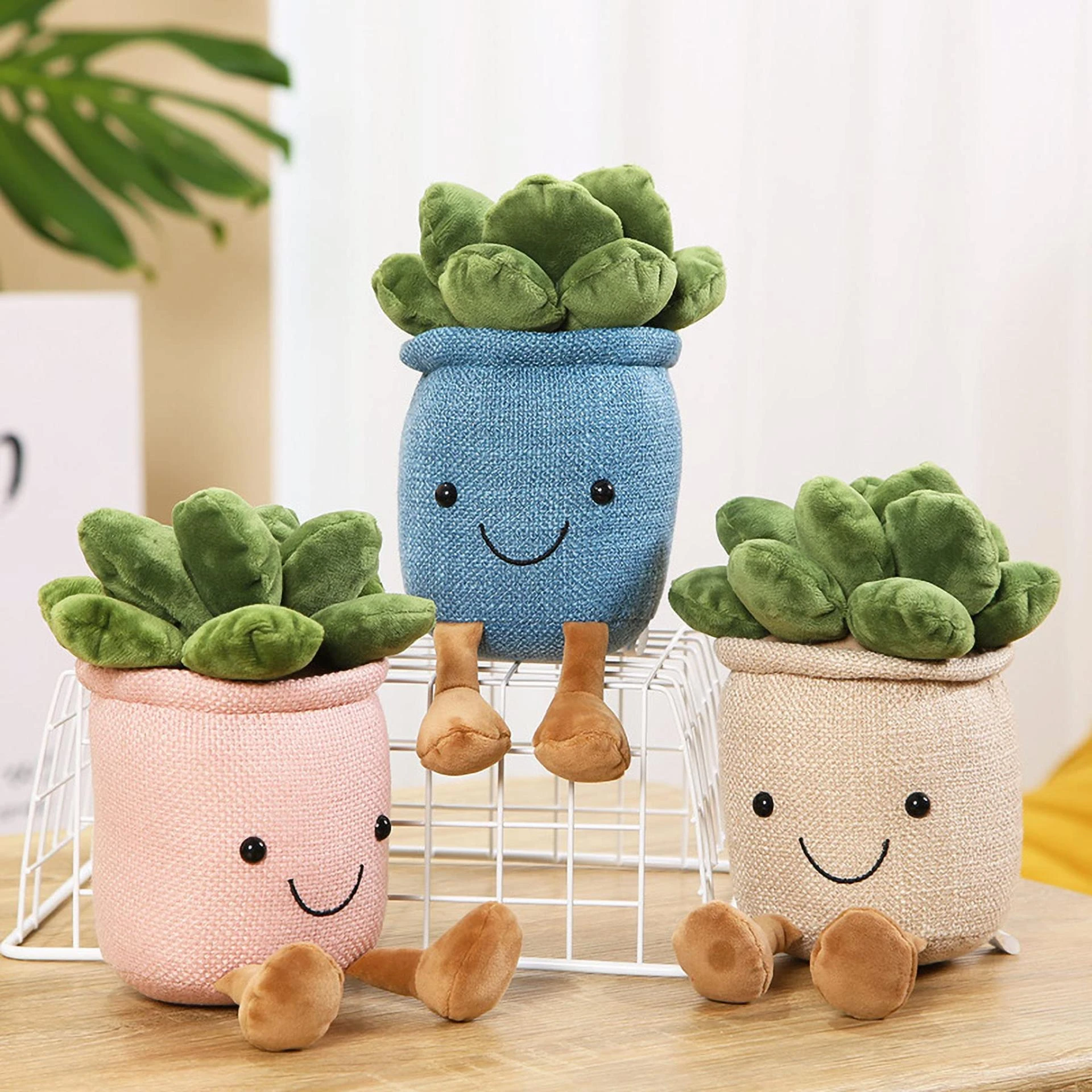
Stuffed toys have been cherished companions for generations. From classic teddy bears to the latest trendy plant plushies, these soft companions provide comfort, nostalgia, and joy to people of all ages. While once considered solely children’s toys, the role of stuffed toys has evolved to include collectors, adults seeking comfort, and those who love aesthetic home decor. Among the latest trends is the increasing popularity of plant plushies—adorable, imaginative soft toys inspired by succulents, cacti, flowers, and other botanical elements. This article explores the enduring appeal of stuffed toys, with a special focus on plant plushies, and the emotional and cultural roles they play in modern life.
A Brief History of Stuffed Toys
The history of stuffed toys dates back to the 19th century. One of the earliest and most iconic stuffed toys is the teddy bear, which originated in the early 1900s. Named after U.S. President Theodore “Teddy” Roosevelt, the teddy bear quickly became a symbol of comfort and companionship for children. Over the decades, stuffed animals diversified in form, including animals, fantasy creatures, cartoon characters, and more.
These toys served as bedtime companions, comfort objects, and playmates. Stuffed toys became essential to child development, aiding in emotional growth, empathy, and imagination. Parents around the world recognized their value not only as playthings but as silent friends who could provide emotional support.
The Emotional Value of Stuffed Toys
Many people, regardless of age, form strong emotional bonds with their plush toys. These soft companions can evoke a sense of safety and familiarity. For children, a favorite plushie can serve as a transitional object—something that eases anxiety during separations from parents or unfamiliar situations. For adults, stuffed toys can offer comfort during stressful times, depression, or even grief.
Psychologists have explored how plush toys fulfill emotional needs. Hugging or holding a stuffed toy can reduce cortisol levels (the stress hormone) and release oxytocin, often called the "cuddle hormone." This soothing effect has made plush toys popular beyond childhood, particularly in adult mental health spaces.
Aesthetic and Therapeutic Appeal
As society grows more aware of mental health, the role of comforting objects like plushies is being reevaluated. Many adults now openly collect stuffed animals and plushies for both therapeutic and aesthetic purposes. Social media platforms like Instagram, TikTok, and Pinterest have been flooded with plushie photography, cozy room tours, and “self-care corner” setups featuring cute stuffed toys.
One growing trend is the use of plushies in therapy rooms, classrooms, and offices to create a more relaxed and approachable environment. Therapists often keep a few plush toys in their practice for clients who benefit from tactile comfort. Similarly, educators may offer plush toys to students who experience anxiety or sensory overload.
The Rise of Plant Plushies
While animal plushies have always dominated the market, a new player has recently bloomed in popularity: plant plushies. Inspired by the rising trend of indoor gardening and plant ownership, plant plushies bring the natural world indoors in a soft, whimsical way. These plush toys may resemble real plants like succulents, aloe vera, or cacti, or be entirely fictional botanicals with big eyes and smiles.
What makes plant plushies particularly appealing is their fusion of nature and cuteness. They don’t require watering, sunlight, or soil—just hugs and admiration. These plushies are especially loved by urban dwellers who might not have the time or space to care for real plants but still want a green touch in their homes.
Symbolism and Sentiment
Like stuffed animals, plant plushies often hold symbolic meanings. A plush cactus might represent resilience or protection, while a flower plushie might symbolize growth or new beginnings. This emotional symbolism makes them popular gifts for milestones like graduation, recovery from illness, or even as get-well-soon presents.
In addition, plant plushies often come with names, stories, and even personalities, much like collectible figurines or cartoon characters. Brands like Squishmallows, Jellycat, and other boutique plush designers are creating entire “plant plushie families” with bios and unique designs, increasing their emotional value and collectibility.
Stuffed Toys in Popular Culture
From movies like Toy Story to global merchandise brands like Sanrio (creator of Hello Kitty), stuffed toys have become powerful cultural icons. These characters often reflect deeper themes—loneliness, friendship, bravery—that resonate with both children and adults. Today’s plant plushies, though newer to the scene, are following the same path by blending cute designs with storytelling and character.
Social media has played a key role in this cultural shift. Influencers often feature plushies in their content, promoting “plushcore” or “soft aesthetics.” This has also opened up markets for small businesses and handmade creators on platforms like Etsy, who craft unique plant plushies with distinct styles.
Eco-Friendly and Sustainable Plushies
As consumer awareness of environmental impact grows, the toy industry is shifting toward sustainable production. Many plant plushies are now made from organic cotton, recycled materials, or biodegradable fabrics. Some brands emphasize environmentally friendly packaging and partner with reforestation efforts or environmental nonprofits.
This synergy between eco-consciousness and the plant theme makes plant plushies especially appealing to environmentally-minded consumers. A cute plush aloe vera made from recycled fibers isn't just adorable—it’s a statement about sustainable living.
The Collector’s Market
Beyond casual ownership, there is a thriving community of plushie collectors. Online forums and marketplaces host trades, resale, and showcase galleries where enthusiasts share their finds. Limited-edition plant plushies, particularly those from well-known brands or independent artists, can become highly sought-after items.
Collectors often display their plant plushies as home decor. Lined on bookshelves, nestled in planters, or used in seasonal displays, plant plushies offer a playful alternative to traditional interior design. They bridge the gap between home decor and personal expression.
Conclusion: Soft, Sentimental, and Growing in Popularity
Stuffed toys have come a long way since the first teddy bear. They remain an essential part of human life, offering comfort, companionship, and creativity. The rise of plant plushies represents an exciting fusion of nature, design, and emotional connection.
Whether it’s a smiling cactus perched on your desk or a floppy flower plushie lying on your bed, these charming companions remind us to slow down, care for ourselves, and find joy in the small things. As society continues to embrace comfort and mindfulness, stuffed toys—especially the green and growing variety—will undoubtedly stay rooted in our hearts.























Sign in to leave a comment.