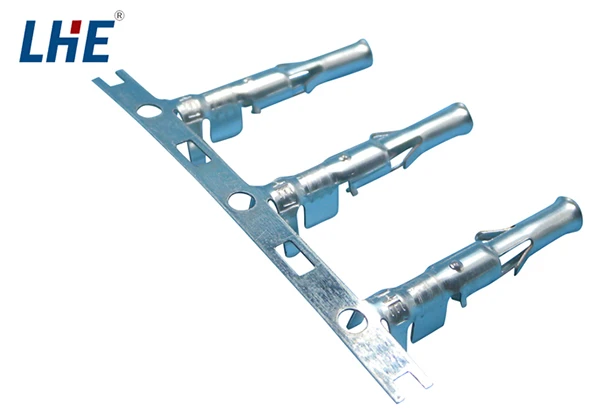

Electrical crimp connectors are indispensable components in the world of electrical engineering and electronics. They provide a secure and reliable means of joining wires and cables, ensuring efficient and safe electrical connections.
This article delves into the various types of electrical crimp connectors, their applications, the benefits they offer, and best practices for their use.
Understanding Electrical Crimp Connectors
An electrical crimp connector is a type of connector used to join electrical wires by compressing (or "crimping") a metal sleeve around the wire to create a secure mechanical and electrical connection.
This process is typically performed using a specialized crimping tool designed to apply precise pressure to form a solid and reliable connection.
Types of Electrical Crimp Connectors
Ring Terminals: These are used to connect a wire to a screw or stud-type connection. They feature a ring-shaped end that fits around the screw, ensuring a secure connection.
Spade Terminals: Also known as fork terminals, spade terminals have a forked end that allows easy connection and disconnection from screw-type terminals. They are commonly used in automotive and industrial applications.
Butt Connectors: These are used to splice two wires together. They have a cylindrical shape, allowing the insertion of wires from both ends which are then crimped in place.
Bullet Connectors: Bullet connectors consist of a male and female part that fit together, providing a secure but easily separable connection. They are often used in automotive and marine applications.
Quick Disconnects: These connectors, also known as fast-on connectors, allow for quick and easy connection and disconnection. They are widely used in appliances, automotive, and industrial applications.
Pin Terminals: Pin terminals are used to connect a wire to a plug or socket. They feature a pin-like end that fits into a corresponding receptacle, ensuring a secure connection.
Heat Shrink Crimp Connectors: These connectors have a heat shrink sleeve that, when heated, shrinks and provides additional insulation and protection to the connection.
Applications of Electrical Crimp Connectors
Automotive Industry: Electrical crimp connectors are extensively used in automotive applications for wiring harnesses, connecting sensors, and other electrical components. Their reliability ensures the integrity of the vehicle's electrical system.
Consumer Electronics: In consumer electronics, crimp connectors are used to connect various internal components, ensuring secure and efficient electrical connections in devices such as computers, televisions, and home appliances.
Aerospace and Defense: The aerospace and defence industries rely on crimp connectors for their robustness and reliability in harsh environments. They are used in aircraft wiring, communication systems, and military equipment.
Industrial Automation: In industrial settings, crimp connectors are essential for machinery wiring, control panels, and other electrical installations, providing durable and secure connections.
Marine Applications: The marine industry uses crimp connectors for their resistance to corrosion and reliability in wet and harsh conditions. They are used in boat wiring, navigation systems, and marine electronics.
Renewable Energy: In solar and wind energy systems, crimp connectors are used to connect panels, inverters, and other components, ensuring efficient and reliable electrical connections.
Benefits of Electrical Crimp Connectors
Reliability: Crimp connectors provide a secure and consistent connection that is less prone to loosening or failure over time, ensuring long-term reliability.
Ease of Installation: Crimping is a relatively straightforward process that can be performed quickly and efficiently, saving time and labor costs.
Durability: Properly crimped connections are highly durable and resistant to vibration, making them ideal for applications in automotive, aerospace, and industrial environments.
Cost-Effective: Crimp connectors are generally affordable and provide a cost-effective solution for creating reliable electrical connections.
Versatility: With a wide range of types and sizes available, crimp connectors can be used in a variety of applications, from small consumer electronics to large industrial installations.
Improved Safety: Crimp connectors reduce the risk of electrical shorts and failures, enhancing the safety of electrical systems.
Best Practices for Using Electrical Crimp Connectors
Select the Right Connector: Ensure you choose the correct type and size of crimp connector for the specific application and wire gauge.
Use Quality Tools: Invest in a high-quality crimping tool that provides consistent and reliable crimps. Poor-quality tools can result in weak connections that may fail.
Proper Stripping: Strip the wire to the appropriate length, ensuring that the conductor is clean and free of oxidation. Avoid nicking or damaging the wire strands.
Correct Crimping Technique: Follow the manufacturer's guidelines for the correct crimping technique, ensuring that the connector is properly compressed onto the wire.
Inspect the Connection: After crimping, inspect the connection to ensure it is secure and free of any visible defects. A good crimp should be tight, with no exposed wire strands.
Testing: Use a continuity tester or multimeter to verify that the crimped connection is electrically sound and has low resistance.
Environmental Considerations: For applications in harsh environments, consider using heat shrink or sealed crimp connectors to provide additional protection against moisture and corrosion.
Future Trends in Electrical Crimp Connectors
Miniaturization: As electronic devices continue to shrink in size, the demand for smaller and more compact crimp connectors will increase, driving innovation in connector design and materials.
Smart Connectors: The integration of smart technologies into crimp connectors, such as built-in sensors for monitoring connection integrity and performance, will enhance reliability and maintenance.
Advanced Materials: The development of new materials that offer improved conductivity, corrosion resistance, and durability will lead to the next generation of crimp connectors.
Automation in Crimping: Automated crimping machines and robots are becoming more prevalent, ensuring consistent and high-quality crimps in large-scale manufacturing processes.
Sustainability: As environmental concerns grow, the use of eco-friendly materials and recyclable connectors will become increasingly important in the design and manufacturing of crimp connectors.
Conclusion
Electrical crimp connectors are vital components in the creation of secure, reliable, and durable electrical connections. Their versatility and ease of use make them suitable for a wide range of applications, from automotive and aerospace to consumer electronics and industrial automation.
By understanding the different types of crimp connectors, their applications, and best practices for their use, engineers and technicians can ensure the integrity and performance of electrical systems.
As technology advances, the continued evolution of crimp connectors will play a crucial role in meeting the growing demands for connectivity and reliability in an increasingly interconnected world.























Sign in to leave a comment.