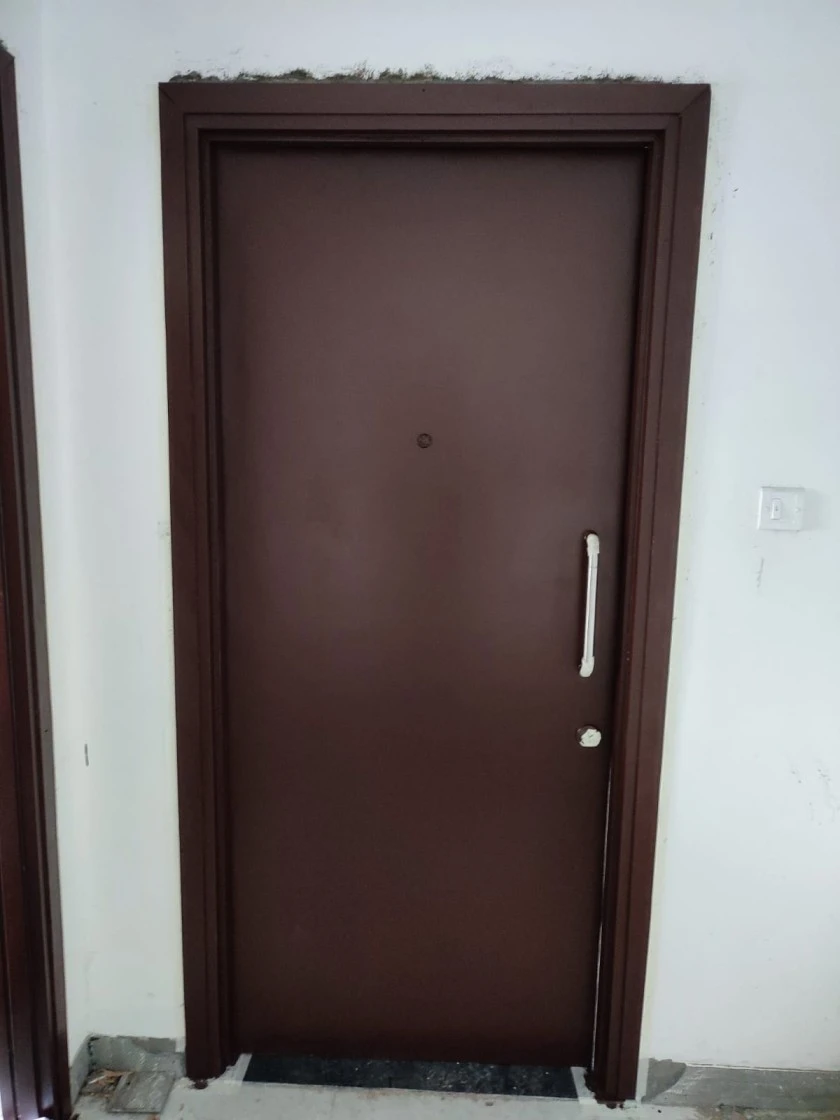

Lead lined doors are a critical component in environments where radiation protection is essential. These doors are designed to shield against harmful radiation, ensuring the safety of personnel and the public. This article explores the importance, features, and applications of lead lined doors, providing a comprehensive guide to understanding their role in modern safety protocols.
Understanding Lead Lined Doors
Lead lined doors are constructed with a layer of lead sandwiched between outer layers of materials such as wood, metal, or composite. The lead acts as a barrier to radiation, preventing its transmission through the door and into surrounding areas.
Key Features of Lead Lined Doors
Radiation Shielding: The primary function of lead lined doors is to provide effective radiation shielding, protecting people from exposure to harmful rays.
Customizable Lead Thickness: Depending on the level of radiation protection required, lead lined doors can be manufactured with varying thicknesses of lead.
Seamless Integration: Lead lined doors can be designed to blend seamlessly with the aesthetic of a facility, available in various finishes and styles.
Compliance with Standards: Certified lead lined doors meet stringent safety standards, ensuring they provide the necessary protection against radiation.
Benefits of Lead Lined Doors
Enhanced Safety: By effectively blocking radiation, lead lined doors protect the health and safety of individuals working in or around radiation-prone areas.
Regulatory Compliance: Installing lead lined doors ensures that facilities comply with radiation safety regulations and standards.
Versatile Applications: These doors are suitable for a wide range of environments, from healthcare to industrial settings.
Peace of Mind: Knowing that robust radiation protection measures are in place provides peace of mind for both facility operators and occupants.
Applications of Lead Lined Doors
Healthcare Facilities: Hospitals, clinics, and dental offices use lead lined doors in radiology departments, X-ray rooms, and nuclear medicine areas to protect patients and staff from radiation exposure.
Research Laboratories: Lead lined doors are essential in laboratories where radioactive materials are handled, ensuring safe working conditions for researchers.
Industrial Settings: Facilities involved in the manufacturing or use of radioactive materials, such as nuclear power plants and testing facilities, require lead lined doors for effective radiation shielding.
Veterinary Clinics: Lead lined doors are also used in veterinary practices where X-ray imaging is performed, safeguarding both animals and veterinary staff.
Security and Defense: In military and defense applications, lead lined doors provide protection against radiation in sensitive areas.
Choosing the Right Lead Lined Door
When selecting a lead lined door, consider the following factors:
Lead Thickness: Determine the required level of radiation protection based on the specific application and choose a door with the appropriate lead thickness.
Certification and Compliance: Ensure the door meets relevant safety standards and certifications, such as those set by the FDA, NRC, or equivalent regulatory bodies.
Material and Construction: Choose a door made from durable materials that can withstand the demands of the environment in which it will be used.
Aesthetic Considerations: Select a door that fits the design and style of the facility, available in various finishes and styles.
Installation and Maintenance: Proper installation is crucial for the effectiveness of lead lined doors. Ensure that the door is installed by professionals and regularly maintained to ensure ongoing protection.



























Sign in to leave a comment.