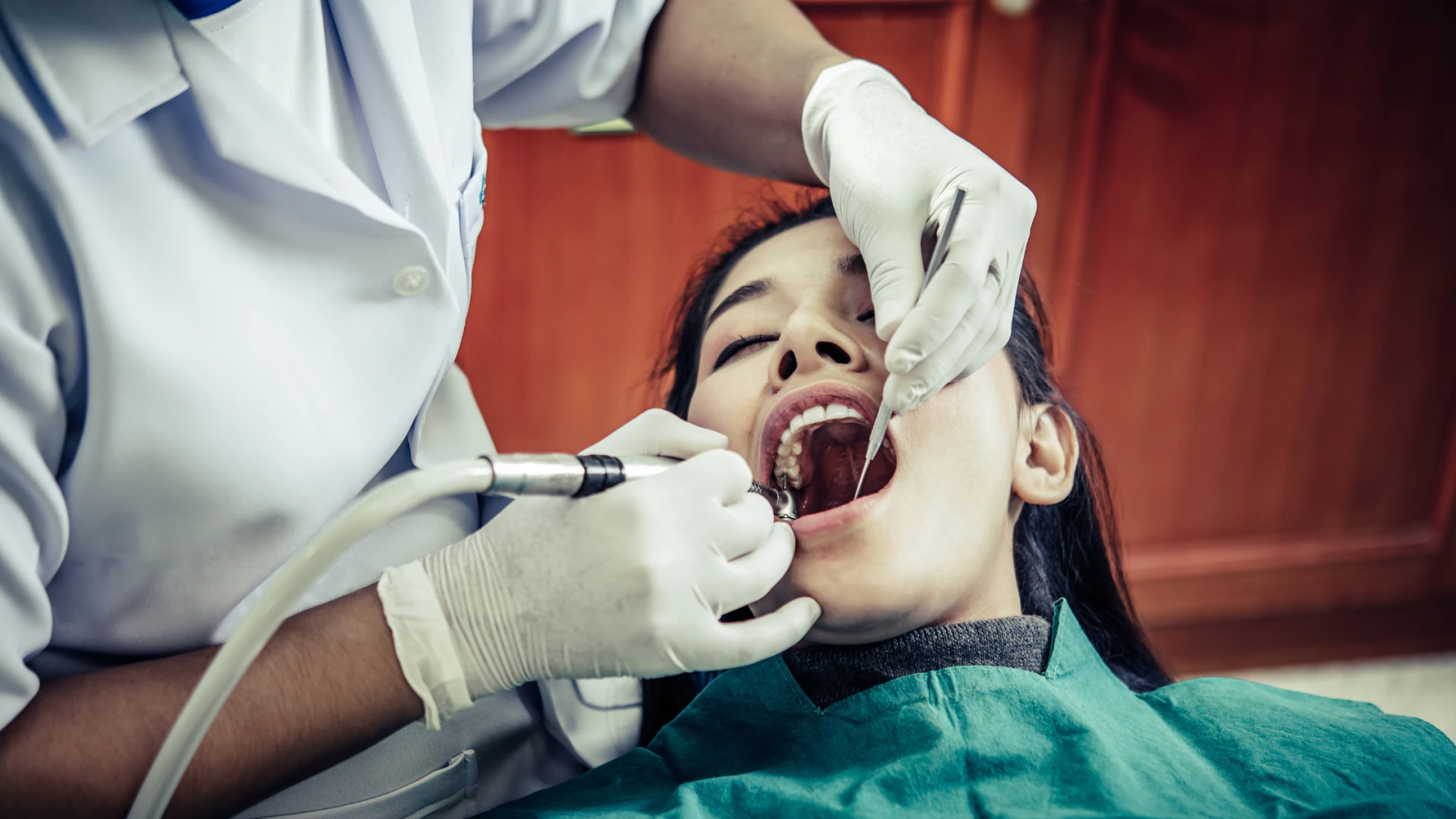
Your smile plays an important role in your everyday life - from first impressions to feeling confident while speaking or eating. But dental problems like cavities, broken teeth, or missing teeth can slowly affect both comfort and confidence. That’s where restorative dentistry makes a real difference.
For patients in South Austin, restorative dentistry focuses on repairing damaged teeth and restoring proper function - so you can smile, eat, and speak comfortably again. With modern dental solutions, restoring your smile is easier, more comfortable, and more natural-looking than ever.
What Is Restorative Dentistry?
Restorative dentistry is all about fixing teeth that are damaged, decayed, worn down, or missing. The goal is not only to improve how your teeth look, but also to ensure they function properly and stay healthy long term.
Unlike cosmetic dentistry, which mainly focuses on appearance, restorative dentistry prioritizes strength, comfort, and durability, while still maintaining a natural smile. Today’s materials and techniques allow restorations to blend seamlessly with your existing teeth.
Common Dental Problems Restorative Dentistry Can Treat
Many patients in Austin visit the dentist for issues that restorative dentistry can effectively address, such as:
- Tooth decay and cavities that weaken tooth structure
- Chipped or cracked teeth caused by accidents or grinding
- Missing teeth due to injury, decay, or gum disease
- Worn or weakened teeth from years of use
- Advanced gum problems affecting tooth stability
Treating these problems early helps prevent pain, infection, and more complex dental procedures later on.
Types of Restorative Dental Treatments
Depending on your dental needs, restorative dentistry may include one or more of the following treatments:
- Dental Fillings – Repair cavities and restore strength using natural-looking materials
- Dental Crowns – Protect and rebuild damaged or weakened teeth
- Dental Bridges – Replace missing teeth by anchoring them to nearby healthy teeth
- Dentures – Restore function and appearance when multiple teeth are missing
- Dental Implants – A long-term solution that replaces missing teeth and helps maintain jawbone health
Your dentist will recommend the most suitable option based on your oral health, lifestyle, and goals.
Why Restorative Dentistry Is Important
Restorative dentistry does more than improve your smile—it improves daily life. Some key benefits include:
- Comfortable chewing and clearer speech
- Reduced risk of future dental problems
- Better overall oral health
- Increased confidence in your smile
- Long-lasting and reliable results
For many patients, restoring their teeth also restores confidence and peace of mind.
Choosing the Right Restorative Dentist in Austin
Finding the right dentist is an important step in your care. Look for a dental office that focuses on patient comfort, clear communication, and personalized treatment plans.
Experience, modern technology, and positive patient reviews all matter. A good restorative dentist takes time to explain options, answer questions, and recommend treatments that truly fit your needs - not rushed or unnecessary procedures.
Tips to Maintain a Healthy Smile After Treatment
To protect your restored smile and overall oral health:
- Brush twice daily with fluoride toothpaste
- Floss every day to remove plaque between teeth
- Schedule regular dental checkups
- Limit sugary foods and drinks
- Drink plenty of water throughout the day
- Avoid tobacco products
These simple habits help your restorations last longer and keep your teeth healthy.
Visit Our South Austin Dental Office
If you’re looking for restorative dentistry in South Austin, our dental team is here to help you feel comfortable and confident about your smile.
Our office is conveniently located at 8700 Menchaca Rd, Suite 102, Austin, TX 78748, making it easy for patients in South Austin and nearby areas to visit us. If you’d like to learn more about your treatment options or schedule a visit, you can reach our office at 512-291-1666.
We’re always happy to answer questions and help you take the next step toward a healthier, stronger smile.
























Sign in to leave a comment.