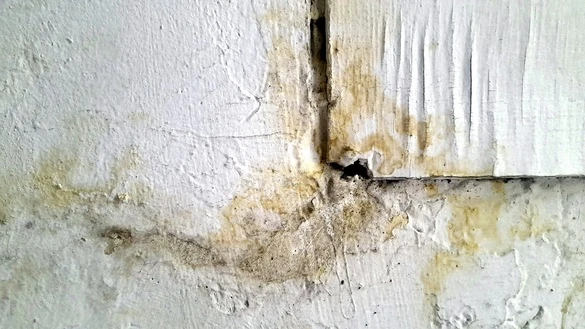

Water damage can strike at any time, wreaking havoc on homes and businesses alike. From burst pipes to natural disasters, the consequences of water damage can be devastating. However, with the right knowledge and resources, you can effectively mitigate and restore your property to its former glory. In this comprehensive guide, we'll delve into the world of water damage restoration, exploring the causes, consequences, and crucial steps to take in the event of water damage.
Understanding Water Damage:
Water damage can occur in various forms, each presenting its unique set of challenges. Common causes include burst pipes, leaky roofs, overflowing appliances, and natural disasters such as floods and storms. Regardless of the source, water damage can lead to structural issues, mold growth, and damage to belongings if not addressed promptly.
Assessing the Damage:
The first step in the water damage restoration process is to assess the extent of the damage. This involves inspecting affected areas, identifying sources of water intrusion, and evaluating the severity of structural damage. Professional restoration technicians use advanced equipment such as moisture meters and thermal imaging cameras to pinpoint hidden moisture and assess the scope of the damage accurately.
Water Extraction and Drying:
Once the assessment is complete, the next step is to remove standing water and moisture from the affected areas. Powerful pumps, wet vacuums, and dehumidifiers are employed to extract water and accelerate the drying process. It's crucial to thoroughly dry the affected areas to prevent mold growth and secondary damage.
Mold Remediation:
Mold thrives in damp environments and can quickly colonize water-damaged structures if left unchecked. Mold remediation involves removing existing mold colonies and implementing measures to prevent future growth. This may include applying antimicrobial treatments, installing ventilation systems, and sealing cracks and crevices where moisture can accumulate.
Restoration and Repairs:
With the moisture removed and mold addressed, the restoration process can begin. This may involve repairing damaged walls, floors, and ceilings, replacing compromised materials, and restoring electrical and HVAC systems. The goal is to restore the property to its pre-damage condition while ensuring structural integrity and safety.
Preventing Future Damage:
While water damage may be inevitable at times, there are steps you can take to minimize the risk and severity of damage. Regular maintenance of plumbing and appliances, proper insulation and ventilation, and installing flood detection and prevention systems can all help safeguard your property against water damage.
Choosing a Restoration Partner:
In the aftermath of water damage, choosing the right restoration partner is crucial. Look for certified, experienced professionals who specialize in water damage restoration and have a proven track record of success. Additionally, ensure that the restoration company offers 24/7 emergency services to address water damage promptly.
Conclusion:
Water damage can be a traumatic experience, but with the right approach, you can mitigate the damage and restore your property to its former glory. By understanding the causes and consequences of water damage, promptly addressing issues, and enlisting the help of experienced professionals, you can protect your property and regain peace of mind. Remember, when it comes to water damage restoration, swift action is key.

























Sign in to leave a comment.