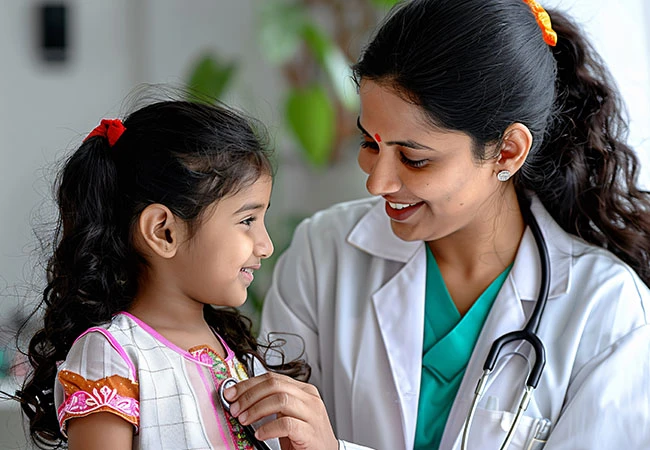

A child’s health is one of the most important concerns for any parent. From the moment a baby is born through adolescence, their body and mind go through rapid and complex changes. During this crucial period, having the right medical guidance is essential. This is where a pediatric doctor plays a vital role. More than just treating illnesses, a pediatric doctor becomes a long-term partner in ensuring your child’s overall growth, development, and well-being.
What Is a Pediatric Doctor?
A pediatric doctor, also known as a pediatrician, is a medical professional who specializes in the care of infants, children, and adolescents. Their training goes beyond general medicine to focus specifically on the unique medical needs of younger patients. Children are not simply “small adults”—they require different approaches to diagnosis, treatment, and emotional care.
Pediatric doctors are equipped to handle a wide range of health concerns, including physical health, behavioral issues, developmental milestones, and preventive care. Their expertise ensures that children receive age-appropriate and compassionate treatment at every stage of growth.
Monitoring Growth and Development
One of the most essential roles of a pediatric doctor is to track a child’s growth and development. Regular check-ups allow the doctor to monitor physical parameters such as height, weight, and head circumference, ensuring that the child is growing at a healthy rate.
Beyond physical growth, pediatricians also assess developmental milestones. These include skills like crawling, walking, speaking, and social interaction. Early identification of delays or abnormalities can make a significant difference, allowing timely interventions that can improve long-term outcomes.
For parents, these visits provide reassurance and guidance. Pediatric doctors often offer advice on nutrition, sleep habits, and behavioral patterns, helping parents make informed decisions about their child’s lifestyle.
Preventive Care and Immunizations
Prevention is always better than cure, especially when it comes to children’s health. Pediatric doctors play a critical role in preventive care by administering vaccinations and educating parents about disease prevention.
Immunizations protect children from serious and potentially life-threatening illnesses. A pediatric doctor follows a recommended vaccination schedule, ensuring that each dose is given at the right time for maximum effectiveness. They also explain the importance of vaccines and address any concerns parents may have.
In addition to vaccinations, pediatricians guide families on maintaining hygiene, proper nutrition, and healthy habits. These preventive measures reduce the risk of infections and promote long-term wellness.
Diagnosing and Treating Illnesses
Children are prone to a variety of illnesses, from common colds and fevers to more complex conditions. A pediatric doctor is trained to diagnose and treat these conditions with a child-friendly approach.
What makes pediatric care unique is the ability to understand symptoms that children may not clearly express. Younger children often cannot describe what they are feeling, so pediatricians rely on observation, experience, and communication with parents to identify issues.
Moreover, treatment plans are tailored specifically for children. Medication dosages, therapies, and procedures are adjusted according to age, weight, and overall health. This specialized care ensures safety and effectiveness.
Supporting Emotional and Behavioral Health
A child’s health is not limited to physical well-being. Emotional and mental health are equally important, especially in today’s fast-paced and demanding world. Pediatric doctors are trained to recognize signs of stress, anxiety, and behavioral challenges in children.
They can guide parents on handling issues such as tantrums, sleep disturbances, learning difficulties, and social problems. In some cases, they may recommend counseling or refer families to specialists for additional support.
By addressing emotional health early, pediatric doctors help children develop resilience, confidence, and healthy coping mechanisms.
Building a Long-Term Relationship
One of the most valuable aspects of pediatric care is the long-term relationship between the doctor, the child, and the family. Over time, the pediatric doctor becomes familiar with the child’s medical history, personality, and specific needs.
This continuity of care builds trust and comfort. Children who feel at ease with their doctor are more likely to communicate openly, making it easier to identify and address health concerns. For parents, having a trusted medical professional to turn to provides peace of mind.
Regular visits also create opportunities for ongoing education. Parents can discuss concerns, seek advice, and stay updated on the best practices for raising a healthy child.
When it comes to your child’s health, selecting the right healthcare provider is crucial. If you are searching for a reliable Pediatric Doctor In Sikar, it is important to choose a facility that offers comprehensive care, experienced professionals, and a child-friendly environment.
One such trusted name is Arihant Hospital & IVF Center, known for its commitment to quality healthcare and personalized attention for every child. With advanced medical facilities and a compassionate team, the hospital ensures that your child receives the best possible care at every stage of development.
Choosing a well-equipped healthcare center not only ensures accurate diagnosis and effective treatment but also provides peace of mind for parents.
Guidance for Parents
Parenting comes with many questions and uncertainties, especially for first-time parents. Pediatric doctors act as reliable advisors, offering practical and evidence-based guidance.
From breastfeeding and introducing solid foods to managing screen time and encouraging physical activity, pediatricians provide valuable insights. They also help parents understand what is normal and when to seek medical attention.
This support empowers parents to make confident decisions and ensures that children receive the best possible care at home.
Managing Chronic Conditions
Some children may have chronic health conditions such as asthma, allergies, or diabetes. In such cases, a pediatric doctor plays a crucial role in managing the condition and improving the child’s quality of life.
They develop personalized care plans, monitor progress, and adjust treatments as needed. Pediatricians also educate families about managing symptoms, avoiding triggers, and recognizing warning signs.
With proper guidance and care, many children with chronic conditions can lead active and fulfilling lives.
When Should You Visit a Pediatric Doctor?
Regular check-ups are essential, even when your child appears healthy. These visits help detect potential issues early and ensure that your child is on the right track.
You should also consult a pediatric doctor if your child shows symptoms such as persistent fever, unusual behavior, loss of appetite, or developmental delays. It is always better to seek professional advice rather than relying solely on home remedies or assumptions.
Conclusion
The role of a pediatric doctor extends far beyond treating illnesses. They are guardians of your child’s health, guiding them through every stage of growth and development. From preventive care and early diagnosis to emotional support and parental guidance, pediatric doctors provide comprehensive care that lays the foundation for a healthy future.
Choosing the right pediatric doctor and maintaining regular visits can make a significant difference in your child’s life. With the right support, you can ensure that your child grows up healthy, happy, and well-prepared for the challenges ahead.





























Sign in to leave a comment.