
The Internet of Things (IoT) has become a ubiquitous term, permeating conversations about technology’s future and its impact on our lives. But what exactly is the IoT market, and what forces are shaping its explosive growth? This comprehensive article delves into the intricate world of interconnected devices, exploring its current state, future potential, and the key players driving this revolution.
The Essence of the IoT Market: Connecting Everything
At its core, the IoT market revolves around the creation, deployment, and management of a vast network of physical devices embedded with sensors, processors, and software. These devices collect data from their surroundings, communicate with each other, and often with a central platform, enabling a new level of automation, efficiency, and insights across various sectors. Imagine your smart thermostat adjusting based on your preferences, your refrigerator automatically reordering groceries, or factory machines providing real-time performance data — these are just a few examples of the possibilities offered by the IoT.
Market Drivers: Fueling the Growth Engine
Several key factors are propelling the IoT market towards unprecedented heights:
- Technological Advancements: The constant improvement in chipsets, sensors, communication protocols, and cloud computing infrastructure is making it cheaper, easier, and more efficient to develop and deploy IoT solutions. Miniaturized sensors, faster wireless networks like 5G, and powerful analytics platforms are paving the way for a more interconnected future.
- Rising Demand for Connectivity: Consumers are increasingly demanding connected experiences across their daily lives. Smart homes, wearables, connected cars, and even connected clothes are gaining traction, driving the need for robust IoT solutions.
- Data-Driven Decision Making: Businesses are recognizing the immense value of data generated by connected devices. This data provides valuable insights into customer behavior, operational efficiency, and resource management, leading to improved decision-making across industries.
- Growing Security Concerns: As the attack surface expands with more connected devices, security remains a top priority. The IoT market is witnessing a surge in the development of secure protocols and data encryption solutions to protect sensitive information.
- Government Initiatives: Governments worldwide are actively supporting the development of the IoT market by investing in infrastructure, promoting research & development, and establishing regulatory frameworks. This support is crucial for fostering innovation and ensuring responsible growth.
Market Segmentation: A Spectrum of Applications
The vast landscape of the IoT market can be further segmented based on the type of application:
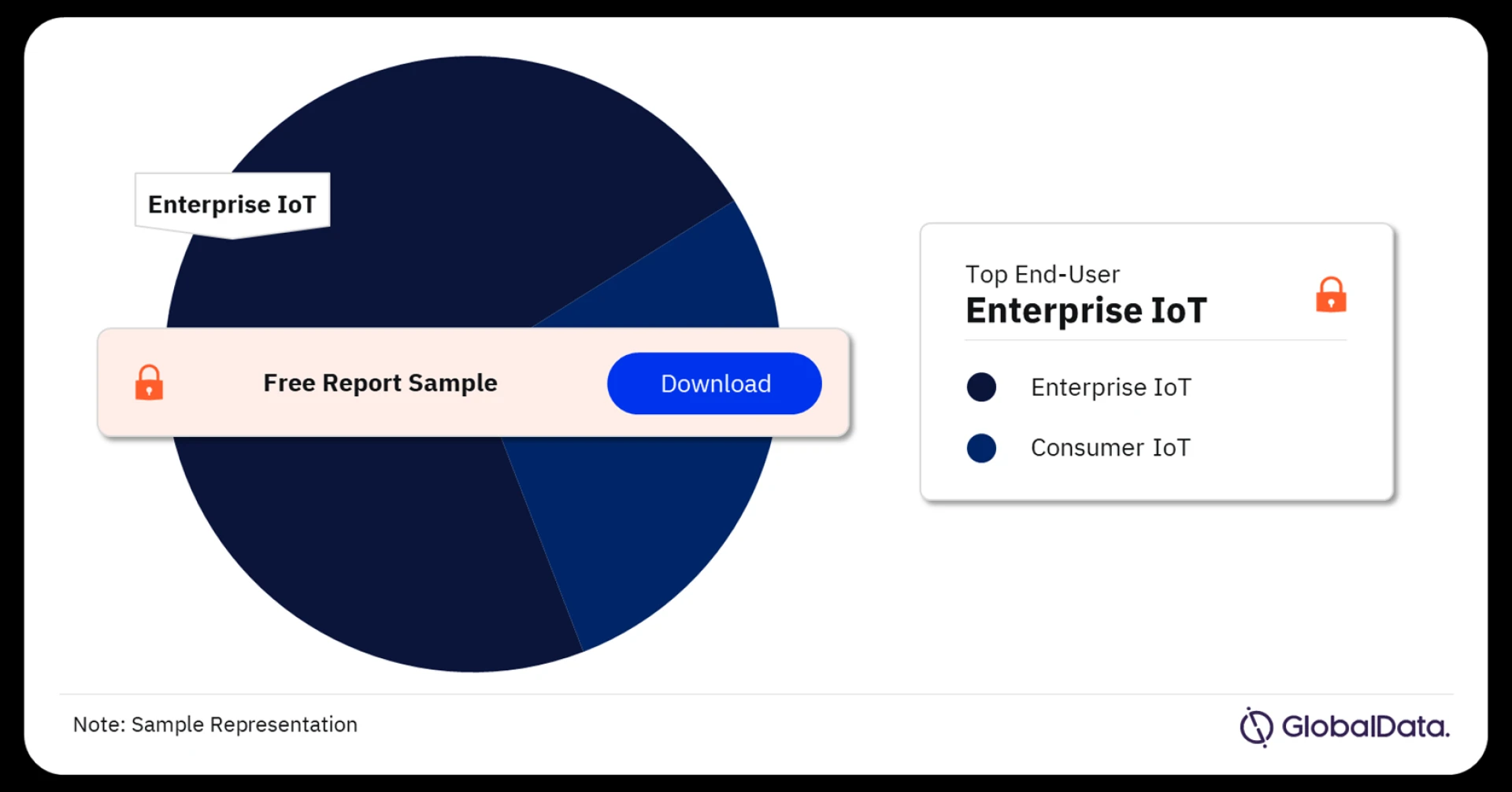
- Consumer IoT: This segment focuses on devices for personal use, including smart home appliances, wearables, connected fitness trackers, and virtual assistants. This segment is likely to see continued growth with increasing consumer demand for convenience and personalized experiences.
- Industrial IoT (IIoT): IIoT solutions target various industrial applications like predictive maintenance, remote monitoring of factory operations, and supply chain optimization. This segment is expected to witness significant growth as businesses strive for enhanced efficiency and productivity.
- Enterprise IoT: This segment utilizes IoT solutions for commercial applications in buildings, retail spaces, healthcare facilities, and transportation systems. Businesses are increasingly leveraging the power of IoT to improve energy management, asset tracking, and customer experience.
The Competitive Landscape: A Sea of Players
The IoT market is a dynamic space attracting a diverse range of players. Here’s a glimpse at some key participants:
- Semiconductor Manufacturers: Chip giants like Intel, Qualcomm, and Texas Instruments are crucial for developing the miniaturized and energy-efficient processors needed for IoT devices.
- Device Manufacturers: Companies like Samsung, LG, and Bosch are leading the charge in developing smart devices for consumers, homes, and industries.
- Cloud Service Providers: Cloud giants like Amazon Web Services (AWS), Microsoft Azure, and Google Cloud Platform (GCP) offer essential platforms for managing and analyzing data collected from IoT devices.
- Software Developers: A growing ecosystem of software developers is creating specialized applications and operating systems optimized for the unique needs of the IoT market.
- Telecom Companies: Telecommunication providers are investing heavily in infrastructure development to support the growing demand for reliable data connectivity for IoT devices.
Challenges and Opportunities: Navigating the Uncertainties
Despite its promising future, the IoT market faces several challenges:
- Security Concerns: Securing billions of connected devices remains a major challenge. The risk of hacking and data breaches necessitates robust security protocols and constant vigilance.
- Standardization Issues: The lack of universal standards for communication protocols and data formats across devices can hinder interoperability and create roadblocks for widespread adoption.
- Privacy Concerns: The ability to collect vast amounts of data from users raises privacy concerns. Regulations and ethical frameworks are needed to ensure responsible data collection and usage.
- Technological Barriers: Integration with legacy systems and ensuring the scalability of IoT solutions across large networks can pose technical challenges.
However, these challenges also present opportunities for innovation and market differentiation.
Buy the Full Report for End-User Insights in the IoT Market, Download a Free Sample Report


























Sign in to leave a comment.