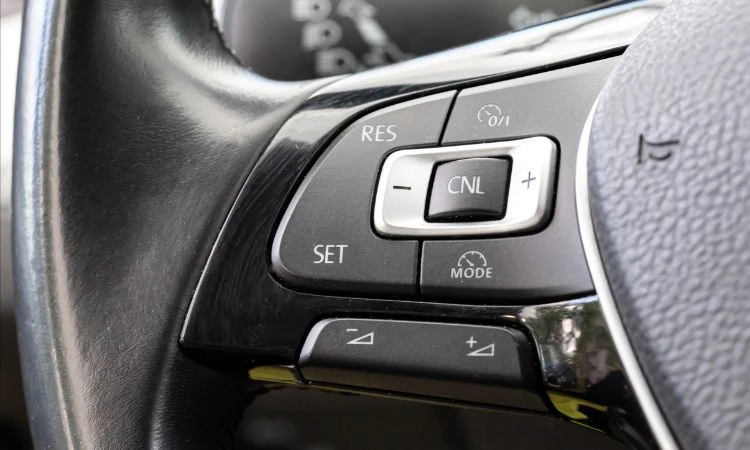

The global automotive adaptive cruise control (ACC) market size is poised for remarkable growth in the coming years. According to industry experts, the market is expected to grow at a CAGR of about 14.50% in the forecast period of 2024-2032, driven by the rapid shift toward a better lifestyle and preference for high-end cars. This statistic underscores the increasing importance and widespread adoption of ACC technology in the automotive industry. To fully appreciate this growth and its significance, it's essential to understand the evolution of ACC – from its early conceptualization to its present-day reality.
I. The Birth of the Idea
Adaptive Cruise Control, often referred to as ACC, didn't emerge overnight. It evolved over several decades, with its roots traceable back to early concepts of improving automotive safety and convenience. Researchers and engineers envisioned a system that could automatically adjust a vehicle's speed to maintain a safe following distance from the car ahead.
In the early days, ACC was a visionary concept, considered more science fiction than a practical automotive feature. Pioneers in the field of automotive technology began experimenting with the idea, albeit with significant limitations.
II. Milestones in ACC Development
The true evolution of ACC started to take shape in the 1980s when radar-based systems made their debut. These early systems were rudimentary compared to modern ACC, but they laid the groundwork for future advancements.
The 1990s witnessed a significant leap as luxury automakers started incorporating ACC into their vehicles. The technology began to gain attention as a premium feature, making driving safer and more comfortable for those who could afford it.
As we entered the 2000s, ACC systems became more sophisticated, thanks to advancements in sensor technology. This decade marked a pivotal moment as ACC moved from being a luxury feature to becoming available in a wider range of vehicles.
III. Technological Breakthroughs
One of the key factors in ACC's evolution was the development of advanced sensors, such as radar and LiDAR. Radar sensors allowed ACC systems to detect and respond to vehicles in their path accurately. LiDAR, or Light Detection and Ranging, further enhanced ACC by providing 360-degree vision and the ability to detect not just vehicles but also pedestrians and other obstacles.
Another crucial development was the integration of machine learning and artificial intelligence. These technologies enabled ACC systems to adapt to various driving conditions, making them more reliable and safer.
IV. ACC in Different Vehicle Segments
Initially, ACC was predominantly found in high-end passenger cars. However, its benefits soon became evident in the commercial and industrial vehicle segments as well. Long-haul trucks, delivery vans, and even construction vehicles started adopting ACC to improve safety and efficiency.
The trucking industry, in particular, has seen a significant transformation with the integration of ACC. It has not only reduced accidents but also improved fuel efficiency and reduced operational costs.
V. The Future of ACC
Looking ahead, the future of ACC appears promising. Predictions for the next decade suggest that ACC will continue to evolve and play a crucial role in the development of autonomous driving. As vehicles become more interconnected, ACC will benefit from vehicle-to-vehicle communication, allowing cars to coordinate and navigate traffic more efficiently.
However, the road to full autonomy is not without challenges. Regulatory considerations, cybersecurity concerns, and the need for standardized communication protocols are some of the hurdles that ACC and autonomous driving must overcome.
VI. User Experiences and Benefits
To truly understand the impact of ACC, it's essential to hear from those who use it daily. Many drivers have shared their experiences of how ACC has made their journeys safer and more relaxed. Testimonials often highlight moments when ACC's quick response prevented accidents or reduced the stress of stop-and-go traffic.
Beyond safety, ACC also contributes to environmental benefits. By maintaining an optimal following distance and speed, ACC can enhance fuel efficiency and reduce emissions.




























Sign in to leave a comment.