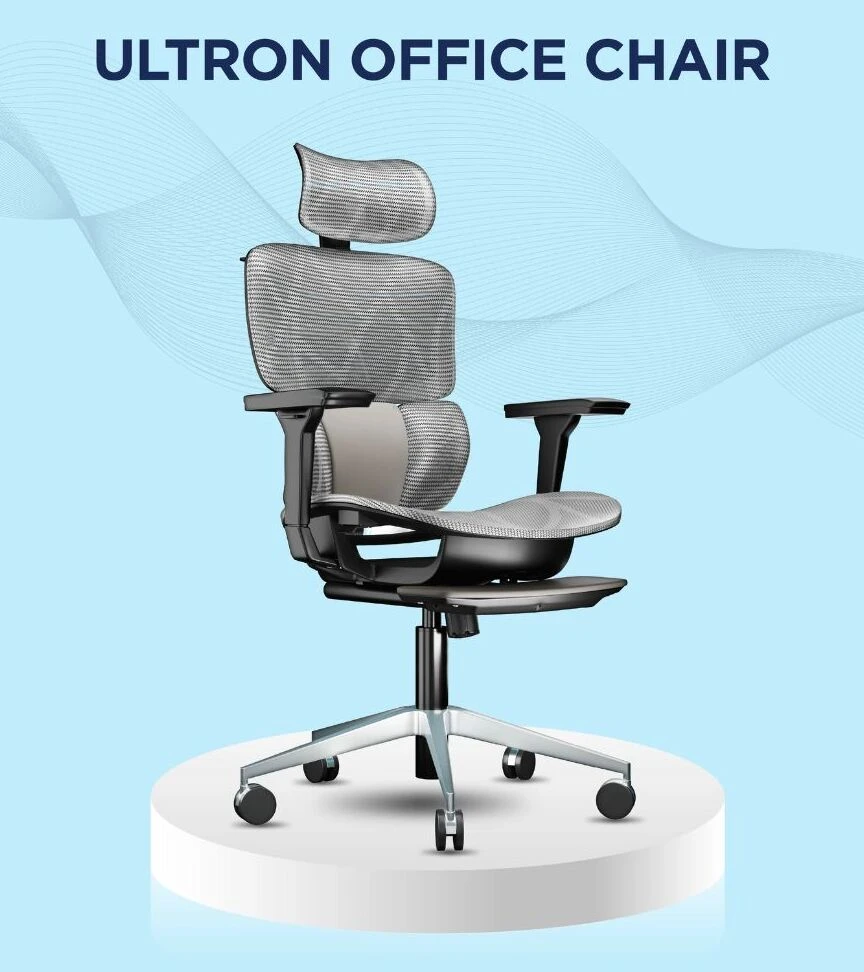

In the world of ergonomic furniture, few innovations have captured the imagination and needs of modern professionals quite like the Smart Grid Chair. Born from a fusion of engineering, wellness science, and aesthetics, Smart Grid Chairs represent the pinnacle of comfort, support, and functionality. But like any great invention, the Smart Grid Chair didn’t start out perfect—it has evolved significantly over time, adapting to new technologies, workplace demands, and human-centric design principles.
In this article, we’ll explore how the Smart Grid Chair has transformed through the ages—from its early concepts to the sophisticated, adaptive seating solutions we see today.
1. The Origins: From Office Chairs to Ergonomic Awareness
Before the term "Smart Grid Chair" existed, the journey began with the traditional office chair. These early designs—dating back to the late 1800s—were focused more on functionality than comfort. Office chairs were rigid, minimal, and offered limited support for posture or prolonged sitting.
It wasn’t until the mid-20th century that ergonomic research began influencing furniture design. Studies on posture, spinal health, and workplace efficiency led to the development of adjustable chairs with lumbar support and swivel bases. While these chairs were a leap forward, they still lacked intelligent adaptability—setting the stage for smart grid innovations.
2. The Rise of the Grid: Introducing Pressure-Responsive Design
The first major leap toward Smart Grid Chairs came in the early 2000s, with the introduction of pressure-mapping technology and grid-based support systems. Designers began to experiment with materials like elastomer grids and polymer meshes, which could flex and respond to the user’s body weight and shape.
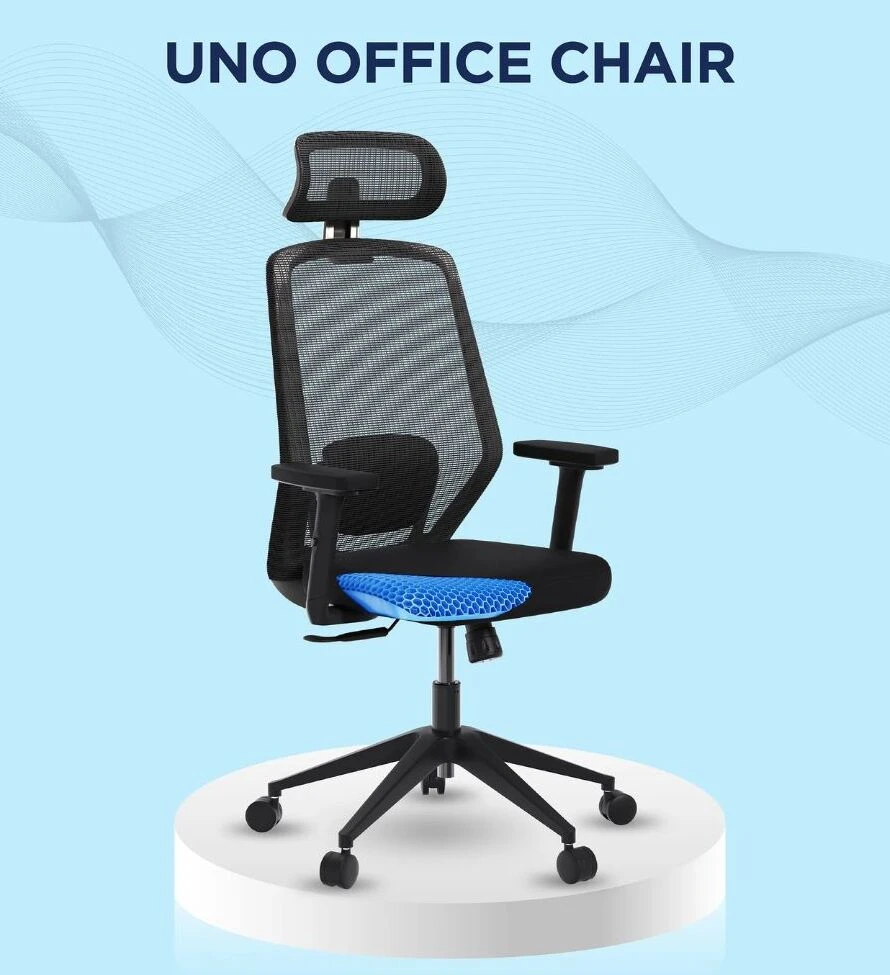
These chairs incorporated a "smart grid" backrest or seat, featuring a flexible grid of connected cells. Unlike foam or fabric, this grid adjusted dynamically to the body, offering:
- Even weight distribution
- Ventilation and breathability
- Targeted support for pressure zones
This design was especially beneficial for users who sat for extended periods, as it minimized discomfort and encouraged better posture without the need for constant manual adjustments.
3. Smart Materials and Adaptive Engineering
As technology evolved, so did the materials used in Smart Grid Chairs. Thermoplastic elastomers and memory polymers began replacing older grid components, making chairs lighter, more flexible, and more durable. These materials allowed the grid structure to retain shape while adapting to different body types.
Manufacturers also started using 3D modeling and biomechanics testing to optimize chair performance. Chairs were now designed with zoned support areas, where different regions of the grid responded differently—softer under the hips and shoulders, firmer under the lumbar spine. This level of precision marked a new era in user-centered design.
4. Integration of Technology: From Passive to Intelligent
The last decade has seen the true transformation of Smart Grid Chairs from passive support systems to intelligent seating solutions. With the rise of smart homes and IoT (Internet of Things), chairs have become part of the tech ecosystem.
Modern Smart Grid Chairs now offer features such as:
- Posture tracking via embedded sensors
- Real-time feedback through mobile apps
- Automatic adjustments based on sitting habits
- Reminder alerts to encourage movement or stretching
- Bluetooth connectivity to sync with health platforms
These technological upgrades not only promote better sitting behavior but also integrate wellness into the daily work routine.
5. Design Meets Lifestyle: Aesthetic and Functional Fusion
Today, Smart Grid Chairs are no longer confined to office spaces. They are finding a place in home offices, gaming setups, and even luxury lounges. As a result, brands have begun prioritizing not just function but also form and style.
Contemporary Smart Grid Chairs are now available in:
- Sleek, minimalist designs
- Vibrant color options
- Eco-friendly and sustainable materials
- Compact frames for small spaces
The ability to blend performance with visual appeal has made these chairs a favorite among design-conscious consumers, especially millennials and Gen Z professionals.
6. The COVID-19 Catalyst: Accelerated Adoption
The global pandemic played a major role in accelerating the popularity and necessity of ergonomic seating. As people shifted to remote work setups, the need for health-supportive furniture surged. Smart Grid Chairs became a preferred option due to their long-hour sitting support, adaptability, and breathable materials.
Manufacturers responded with budget-friendly variants and compact designs suitable for homes, making smart ergonomic solutions more accessible to the masses.
7. What’s Next? The Future of Smart Grid Chairs
The evolution is far from over. As AI and machine learning become more mainstream, we can expect future Smart Grid Chairs to:
- Predict posture issues before they occur
- Offer AI-powered posture coaching in real-time
- Sync with smart desks and lighting for a holistic workspace
- Use energy harvesting sensors to power themselves
There is also increasing focus on sustainability, with brands exploring recyclable grid materials and ethically sourced components.
The next generation of Smart Grid Chairs will likely be intuitive wellness tools, proactively enhancing physical health, comfort, and productivity.
Conclusion
From rigid wooden seats to intelligent posture-correcting marvels, the Smart Grid Chair has come a long way. Its journey reflects our growing understanding of the connection between furniture, technology, and health. In an age where people spend more time sitting than ever before, the Smart Grid Chair stands as a powerful response—blending science, comfort, and design in a single, user-focused innovation.
As lifestyles continue to evolve, one thing is clear: Smart Grid Chairs are not just a trend—they’re the future of mindful sitting.



























Sign in to leave a comment.