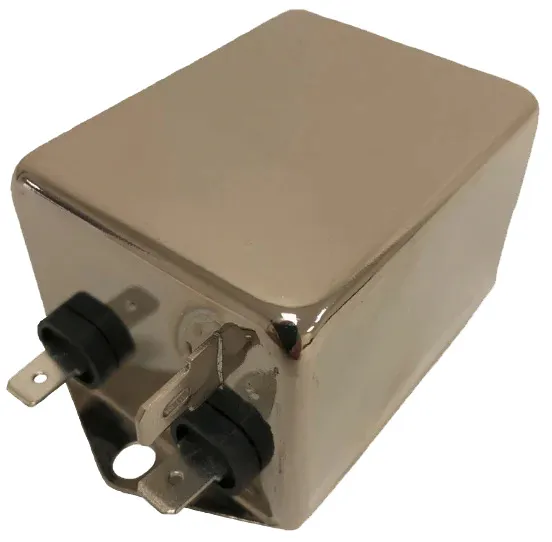

The rapid advancement of electronic technology has transformed nearly every industry, from healthcare and telecommunications to aerospace, defense, and industrial automation. As systems have become faster, more compact, and increasingly interconnected, the challenge of electromagnetic interference (EMI) and radio frequency interference (RFI) has grown significantly. To maintain stable performance and ensure electromagnetic compatibility, engineers have relied on increasingly sophisticated EMI/RFI filtering solutions.
Over the years, EMI filtering technology has evolved from simple suppression components into highly specialized systems designed for complex and mission-critical applications. Today, advanced EMI Filters play a central role in protecting sensitive electronics, improving power quality, and supporting compliance with stringent EMC standards across industries.
The Early Days of EMI/RFI Filtering
In the early stages of electronics development, EMI was a relatively minor concern because systems operated at lower frequencies and contained fewer electronic components. Basic suppression methods such as shielding and grounding were often sufficient to manage interference.
However, as electronic devices became more advanced and high-frequency switching technologies emerged, electromagnetic noise became increasingly difficult to control. The rise of computers, telecommunications systems, and industrial automation created new challenges that required more advanced filtering technologies.
This led to the development of dedicated Power Line Filters designed to suppress conducted electromagnetic interference on electrical power systems. These filters became essential for protecting sensitive equipment from electrical noise generated by nearby electronics and industrial machinery.
The Rise of Specialized EMI Filters
As industries adopted more complex electrical systems, filtering solutions evolved to address different voltage configurations, power requirements, and operating environments.
Single Phase Filtering Solutions
Many commercial and low-power systems rely on Single Phase EMI Filters to reduce electrical noise and improve system stability. These filters became widely used in office equipment, consumer electronics, telecommunications devices, and medical systems where clean power and reliable operation are essential.
Today, both Industrial Single Phase EMI Filters and Commercial Single Phase EMI Filters are used across a broad range of applications. Industrial environments require rugged filters capable of handling harsh electrical conditions, while commercial systems prioritize compact design, efficiency, and reliable EMC performance.
The growing demand for electronic devices and automation technologies has made single-phase filtering one of the most important segments in the EMI/RFI industry.
Three Phase EMI Filtering
As manufacturing and industrial automation expanded, higher-power systems created greater electromagnetic interference challenges. To address these environments, engineers developed advanced Three Phase EMI Filters capable of suppressing noise across complex three-phase electrical networks.
Modern Commercial Three Phase EMI Filters are commonly used in HVAC systems, data centers, renewable energy systems, and commercial infrastructure where stable power quality is essential.
In heavy-duty industrial applications, Industrial Three Phase EMI Filters provide high attenuation performance for machinery, automation systems, variable frequency drives, and power conversion equipment. These filters help maintain system reliability while reducing conducted interference that could disrupt nearby electronics.
The Expansion of DC Filtering Technologies
As renewable energy systems, electric vehicles, battery storage technologies, and telecommunications infrastructure became more common, direct current applications introduced new EMI challenges.
To meet these demands, advanced DC EMI Filters were developed to suppress conducted interference in DC-powered systems. These filters play a critical role in stabilizing power delivery, protecting sensitive electronics, and improving operational efficiency in modern DC applications.
Today, DC filtering technology continues to evolve alongside advancements in electric mobility, solar energy, and battery-based power systems.
Military and Aerospace Advancements
Few industries require stricter electromagnetic protection than defense and aerospace. Military communication systems, radar technologies, avionics, and secure infrastructure operate in extremely demanding environments where EMI can compromise mission-critical performance.
This led to the development of highly specialized Military EMI Filters engineered for durability, reliability, and high attenuation under harsh operating conditions. These filters are designed to meet stringent military EMC requirements while protecting sensitive defense electronics from both internal and external interference.
Modern Mil Grade EMI Filters are used in tactical vehicles, naval systems, aircraft electronics, and secure communication networks where operational stability is essential.
Aerospace applications also require compliance with rigorous environmental and electromagnetic standards. Advanced Do-160 filters are specifically designed to meet aerospace EMC requirements for commercial and military aviation systems. These filters help ensure safe and reliable aircraft operation while protecting onboard electronics from interference.
Tempest and Secure Facility Filtering
As cybersecurity and electronic surveillance concerns increased, EMI filtering evolved beyond performance protection into the area of information security.
Tempest Filters were developed to prevent compromising electromagnetic emissions from escaping secure systems and facilities. These filters help protect classified communications and sensitive government infrastructure from electronic eavesdropping or signal interception.
Today, Tempest-compliant filtering solutions are widely used in defense, intelligence, and secure government facilities where electromagnetic security is critical.
EMI Filtering in Healthcare Applications
The medical industry has also experienced significant advancements in EMI filtering technology. Modern healthcare systems depend on highly sensitive electronic equipment that requires interference-free operation to ensure accurate diagnostics and patient safety.
MRI systems are especially vulnerable to electromagnetic and radio frequency disturbances. To address this challenge, advanced RF filters for MRI rooms have become essential in hospitals and diagnostic facilities. These filters help block external interference that could impact imaging quality or disrupt equipment performance.
An advanced MRI RF filter further improves shielding effectiveness by preventing unwanted RF signals from entering MRI environments. These solutions help maintain image clarity, improve equipment reliability, and support EMC compliance in healthcare facilities.
The Role of AC Power Filtering
Modern electronics continue to generate higher levels of conducted noise due to high-speed switching circuits and power conversion technologies. This has increased the importance of advanced AC power line filters in commercial, industrial, and mission-critical systems.
These filtering solutions help suppress electrical noise on AC power systems while improving signal integrity and maintaining clean power delivery. From industrial automation to data centers and healthcare facilities, AC filtering technology has become essential for maintaining stable and efficient operation.
The Future of EMI/RFI Filters
As electronic systems continue to evolve, EMI/RFI filtering technology is advancing alongside them. Future filters are expected to deliver higher attenuation performance, improved energy efficiency, smaller footprints, and greater integration with smart electronic systems.
Industries such as renewable energy, electric transportation, artificial intelligence, telecommunications, aerospace, and defense will continue driving demand for advanced EMI suppression technologies.
Modern engineering increasingly depends on reliable electromagnetic compatibility to support connected technologies and mission-critical operations. Advanced filtering solutions will remain a key component in maintaining stable performance, secure communications, and long-term system reliability.
Conclusion
The evolution of EMI/RFI filters reflects the rapid advancement of modern electronics and the growing complexity of today’s interconnected systems. From early Power Line Filters to highly specialized Military EMI Filters, Do-160 filters, DC EMI Filters, and Tempest Filters, filtering technology has continuously adapted to meet the changing needs of industry.
Whether protecting industrial automation systems, commercial infrastructure, aerospace electronics, secure government facilities, or medical imaging equipment, advanced EMI/RFI filters play a critical role in ensuring reliable, interference-free operation. As technology continues to advance, EMI filtering solutions will remain essential for supporting the next generation of electronic innovation.



























Sign in to leave a comment.