The Evolution of Precision: Navigating the Global Landscape of Therapeutic and Aesthetic Device Distribution
The global medical technology sector is currently undergoing a period of unprecedented transformation, driven by the convergence of advanced photonics, non-invasive therapeutic modalities, and the rapid expansion of healthcare infrastructure in emerging markets. As clinical demands shift toward outpatient care and minimally invasive interventions, the role of specialized international distributors has become more critical than ever. These entities serve as the vital link between sophisticated manufacturing hubs and the frontline providers—hospitals, rehabilitation centers, and specialized clinics—that require reliable access to the next generation of patient care tools.
In this high-stakes environment, the procurement of medical-grade equipment is no longer a simple transactional process. It is a complex exercise in supply chain integrity, regulatory navigation, and long-term technical partnership. For healthcare administrators and clinical directors across the Americas, Europe, and Asia, the focus has moved beyond the hardware itself toward the reliability of the global logistics network and the adherence of the equipment to rigorous international safety standards.
The Shift Toward Non-Invasive Therapeutic Modalities
A significant trend in modern biomedical engineering is the development of technologies that prioritize patient comfort and rapid recovery without sacrificing clinical efficacy. We are seeing a move away from aggressive pharmacological interventions in chronic pain management and a move toward biophysical stimulation.
Devices such as the Calmare Therapy MC-5A represent this shift. By utilizing "scrambler" therapy to replace pain signals with synthetic "non-pain" signals, these systems offer a non-invasive alternative for patients suffering from neuropathic pain. This evolution in therapy highlights a broader industry movement: the demand for equipment that provides measurable clinical outcomes while minimizing the side effects associated with traditional surgical or chemical treatments.
Furthermore, the integration of multi-modal systems in physical therapy and rehabilitation has allowed clinics to offer more comprehensive care. High-intensity laser therapy and targeted ultrasound are becoming staples in sports medicine and geriatric care, emphasizing the need for distributors who understand the nuanced application of these diverse technologies.
Market Dynamics: Southeast Asia as a Global MedTech Hub
While traditional manufacturing hubs in Europe and North America remain dominant, the logistical and production landscape is tilting toward Southeast Asia. Jakarta, Indonesia, in particular, has emerged as a strategic center for the distribution and export of medical technology. This shift is fueled by a robust domestic manufacturing sector and a geographical advantage that facilitates trade between Eastern manufacturing centers and Western markets.
The growth of the medical technology sector in Southeast Asia is not merely a matter of volume but of quality and compliance. As regional suppliers align their operations with international standards, they are increasingly capable of serving the stringent requirements of the USA, Brazil, and Latin American markets. This regional expertise allows for more agile supply chains and competitive wholesale models that benefit large-scale healthcare providers globally.
Regulatory Compliance and the International Trade Frontier
Navigating the regulatory requirements of international medical device trade is perhaps the most significant challenge for B2B suppliers. Compliance is not optional; it is the foundation of patient safety and legal market entry.
- CE Marking: For devices intended for European and global markets, the CE mark indicates that a product has met essential health, safety, and environmental requirements.
- ISO 13485: This certification ensures that a supplier maintains a comprehensive quality management system specifically for the medical device industry.
- Export Documentation: Shipping high-tech equipment to markets like Brazil or the USA requires meticulous attention to customs regulations, import duties, and local health authority registrations (such as ANVISA or the FDA).
Reliable distributors must maintain an "export-first" mindset, ensuring that every unit—from a diagnostic scanner to a portable therapeutic system—is accompanied by the necessary documentation to clear international borders without delay.
Technical Specifications and the Role of medical lasers in Modern Practice
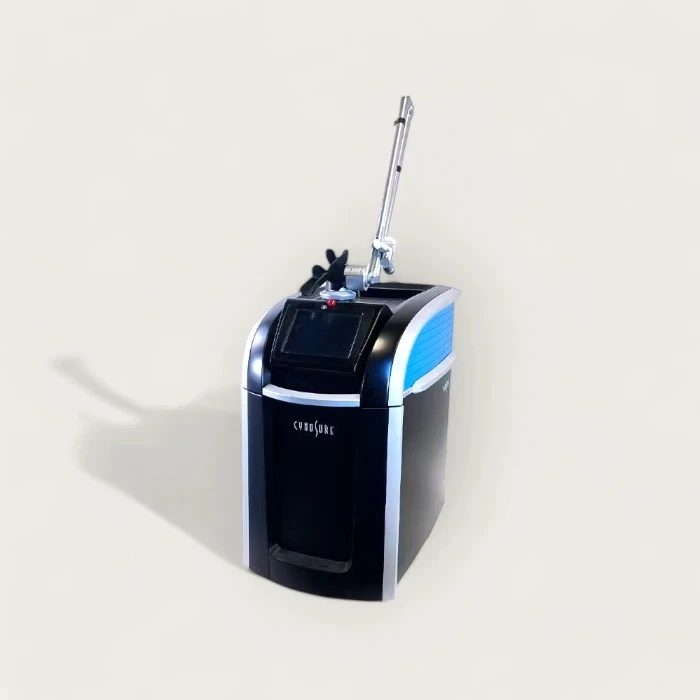
The application of light-based technology has expanded far beyond simple surgical cutting. In contemporary clinical settings, medical lasers are utilized for a staggering array of applications, including deep tissue biostimulation, vascular lesion treatment, and precision aesthetic resurfacing. The physics of these devices—relying on specific wavelengths to target chromophores in the skin or underlying tissue—requires a high degree of calibration and build quality.
For a wholesale distributor, the challenge lies in sourcing systems that offer both versatility and durability. The Companion CTS Duo Laser System, for example, exemplifies the dual-demand for high-performance output and user-friendly interfaces in a clinical environment. Whether the application is rehabilitative or aesthetic, the underlying technology must be stable enough to withstand the rigors of high-volume use in a busy hospital or clinic.
Global Logistics and the Wholesale Model
The transition of a medical device from a Jakarta-based warehouse to a therapy center in Brazil involves a sophisticated orchestration of logistics. In the B2B sector, the wholesale model provides a layer of risk mitigation for the end-user. By purchasing through an established international supplier, healthcare facilities can leverage:
- Bulk Procurement Advantages: Economies of scale that reduce the per-unit cost of advanced equipment.
- Consolidated Shipping: Reducing the carbon footprint and logistical complexity of international trade.
- Technical Support Networks: Access to a supplier that understands the global warranty landscape and can facilitate parts replacement across borders.
This model is particularly effective for large-scale hospital groups and government health departments that require standardized equipment across multiple locations.
Risk Management in Supplier Evaluation
When selecting an international partner for medical technology, procurement officers must employ a rigorous evaluation framework. The risks of substandard equipment are too high to ignore.
- Track Record: Does the supplier have a history of successful exports to regulated markets?
- Transparency: Is the supplier clear about the origin of the components and the manufacturing process?
- After-Sales Infrastructure: While the supplier may be thousands of miles away, do they have a protocol for technical training and remote troubleshooting?
The goal is to establish a relationship with a distributor that views themselves as a stakeholder in the patient's outcome, rather than just a vendor of hardware.
Frequently Asked Questions (FAQ)
What are the primary considerations for importing medical equipment from Southeast Asia? Importing from regions like Jakarta requires a thorough understanding of both local export laws and the import regulations of the destination country, such as the USA or Brazil. Buyers should prioritize suppliers who demonstrate CE compliance and have a proven track record of managing international logistics and customs documentation.
What are medical lasers and how are they categorized in a B2B context? In a professional distribution context, medical lasers refer to a broad category of devices that utilize focused light beams for therapeutic, surgical, or aesthetic purposes. These are typically classified by their wavelength and power output (Class III or Class IV), and they must be sourced from distributors who provide full regulatory traceability and technical specifications for clinical use.
Does a Jakarta-based supplier support international exports to Latin America? Yes, leading distributors in Indonesia are increasingly focused on the Latin American market, particularly Brazil. These suppliers manage the complexities of international shipping and ensure that the equipment meets the specific regulatory certifications required for the Latin American healthcare sector.
What types of devices are typically available through wholesale medical distributors? Wholesale distributors provide a range of high-tech equipment, including non-invasive pain management systems like the Calmare MC-5A, diagnostic tools, rehabilitation equipment, and advanced aesthetic systems. They serve as a one-stop source for hospitals and clinics looking to upgrade their technological suite.
How is the quality of therapeutic devices ensured during long-distance shipping? Quality is maintained through medical-grade packaging and specialized logistics providers who handle sensitive electronic and optical components. High-tier distributors use climate-controlled shipping options and rigorous pre-shipment inspections to ensure the device arrives in factory-calibrated condition.
What is the importance of CE compliance for international medical trade? CE compliance is a mandatory requirement for many global markets, indicating that the device adheres to European safety and performance standards. For a B2B buyer, this certification serves as a benchmark for quality and significantly simplifies the process of gaining local regulatory approval in the importing country.
Conclusion: The Future of Global Healthcare Distribution
As we look toward the next decade of medical advancement, the integration of high-tech hardware with globalized supply chains will only deepen. The ability to move life-enhancing technology from a distribution hub in Indonesia to a clinic in the United States or a hospital in Brazil is fundamental to the democratization of modern healthcare.
The success of this global network relies on the integrity of the distributors who manage it. By focusing on regulatory excellence, logistical precision, and a deep understanding of complex systems like medical lasers, international B2B suppliers are doing more than just moving boxes; they are enabling a higher standard of care on a global scale. For the medical community, choosing the right partner in this journey is the most critical step toward sustainable clinical success.
























Sign in to leave a comment.