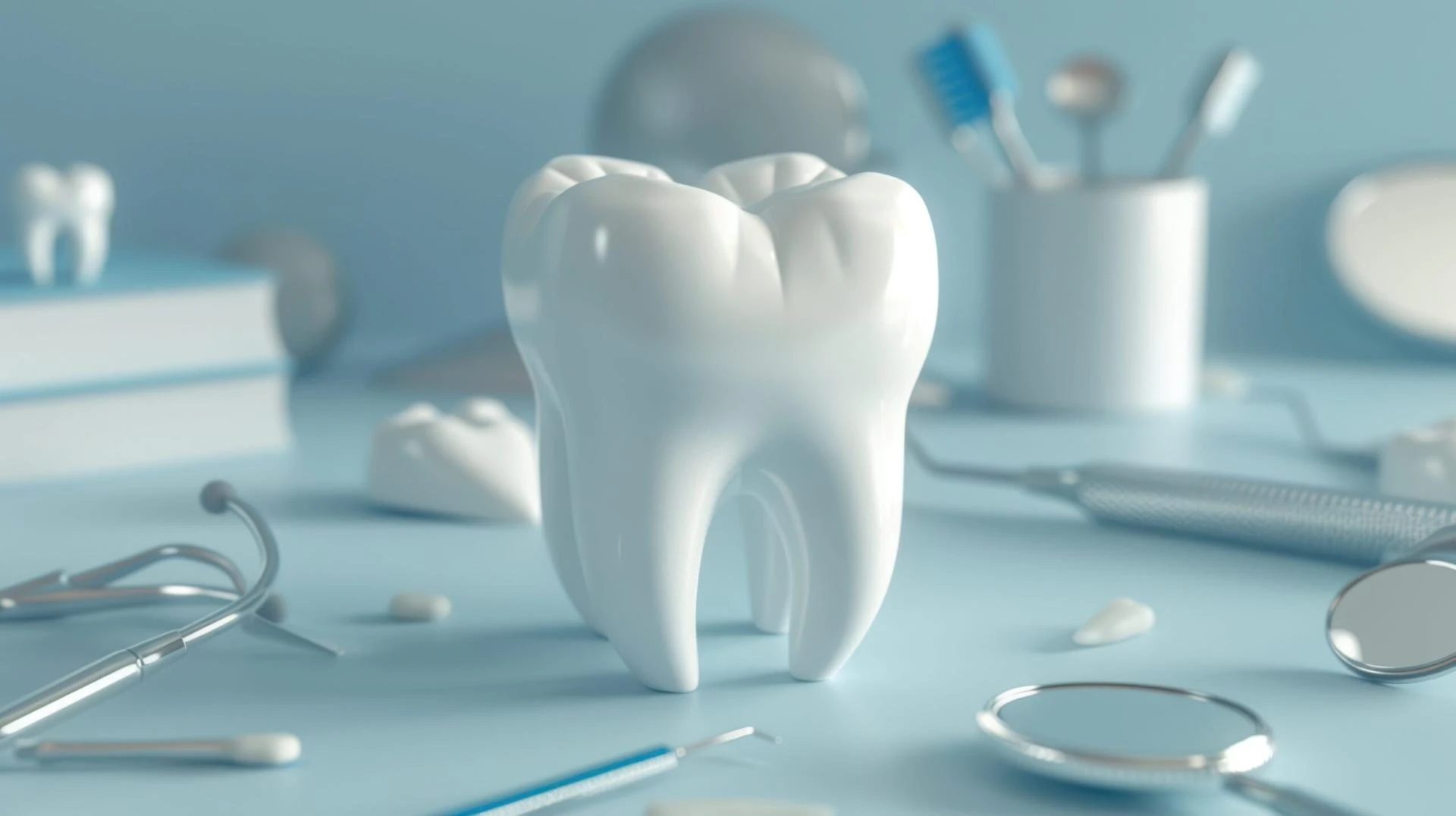
Dental care has changed dramatically in the last half-century. What was once a field dominated by hand tools and patient discomfort has transformed into a science powered by technology, comfort-focused innovations, and preventive strategies. The tools dentists and hygienists use to clean teeth are a reflection of that journey.
In this beginner-friendly guide, we’ll take a walk through history—looking at the evolution of professional dental cleaning tools over the last 50 years and what these changes mean for patients today.
Hand Tools: The Starting Point
Half a century ago, dental cleanings looked very different. Hygienists relied almost exclusively on manual instruments like scalers and curettes. These tools required significant skill and physical effort. Every deposit of plaque and tartar had to be scraped away by hand.
For patients, this sometimes meant long, uncomfortable appointments. For hygienists, it meant physical strain and repetitive stress injuries over time. While hand tools were effective, they were far from efficient.
Still, they laid the foundation for what came next. Many of these manual instruments are still in use today, often as finishing tools to complement modern devices.
The Push for Efficiency and Comfort
As dentistry evolved, so did patient expectations. People wanted quicker, more comfortable cleanings, and hygienists needed tools that would reduce physical strain. This push for efficiency and comfort drove the development of power-assisted devices in the 1960s and 1970s, which slowly began to make their way into everyday dental practice.
These early innovations marked the beginning of a new era—one where technology began to do the heavy lifting, making procedures smoother for both patients and professionals.
The Rise of Power Devices
By the late 20th century, dental cleaning had entered a transitional stage. Devices powered by electricity or air pressure began replacing purely manual methods. Among these were early versions of ultrasonic and sonic scalers, which used vibration to break down tartar and biofilm.
Compared to hand tools, these devices reduced chair time and improved patient comfort. They also allowed for deeper cleaning below the gumline, which was critical in treating gum disease more effectively.
Modern Innovations: Tools That Do More
Today’s dental cleanings look very different than they did decades ago. Advanced devices have become the standard in most practices, improving accuracy, speed, and patient experience.
One of the standout tools in this evolution is the ultrasonic Scaler, which uses high-frequency vibrations combined with water to remove tartar deposits efficiently. Instead of relying on forceful scraping, these devices gently disrupt buildup, reducing gum irritation and making appointments more comfortable. They also lower infection risks by thoroughly flushing out bacteria from areas that brushing and flossing can’t reach.
This leap in technology has not only improved outcomes but also redefined what patients expect from preventive care.
Beyond Scaling: Comprehensive Care Tools
Dental cleaning is no longer just about removing plaque and tartar. Modern practices use an array of tools designed to make visits more holistic and preventive.
- Intraoral cameras allow patients to see problem areas for themselves.
- Air-polishing devices use water and powder to remove stains gently.
- Digital X-rays provide instant, low-radiation imaging for diagnostics.
These tools work alongside traditional cleaning devices, creating an experience that is more transparent, comfortable, and educational for patients.
What This Evolution Means for Patients
The evolution of dental cleaning tools has done more than make appointments shorter—it has reshaped the relationship between patients and oral care. Cleanings are no longer viewed as uncomfortable obligations but as vital, preventive steps in maintaining long-term health.
Patients benefit from:
- More comfortable procedures with less irritation
- Faster appointments with improved outcomes
- Greater trust in their providers thanks to modern technology
This shift also supports overall wellness, since effective cleanings reduce the risk of gum disease—a condition linked to heart disease, diabetes, and other health issues.
The Future of Dental Cleaning Tools
Looking ahead, the evolution isn’t slowing down. AI-powered diagnostics, smart toothbrushes, and even laser-assisted cleanings are on the horizon. These technologies will continue the trend of making oral care more precise, preventive, and personalized.
For patients, this means fewer invasive treatments and a stronger focus on long-term health. For professionals, it means tools that make their work safer, more efficient, and more rewarding.
Conclusion: From Scrapers to Smart Tools
Over the last 50 years, professional dental cleaning tools have come a long way—from manual scrapers to high-tech devices designed for efficiency and comfort. This evolution reflects a broader shift in dentistry: a move toward prevention, patient comfort, and whole-body health.
The next time you sit in a dentist’s chair, remember that the tools in use are part of a half-century journey to make oral care better, faster, and safer. And thanks to these innovations, protecting your smile has never been easier.























Sign in to leave a comment.