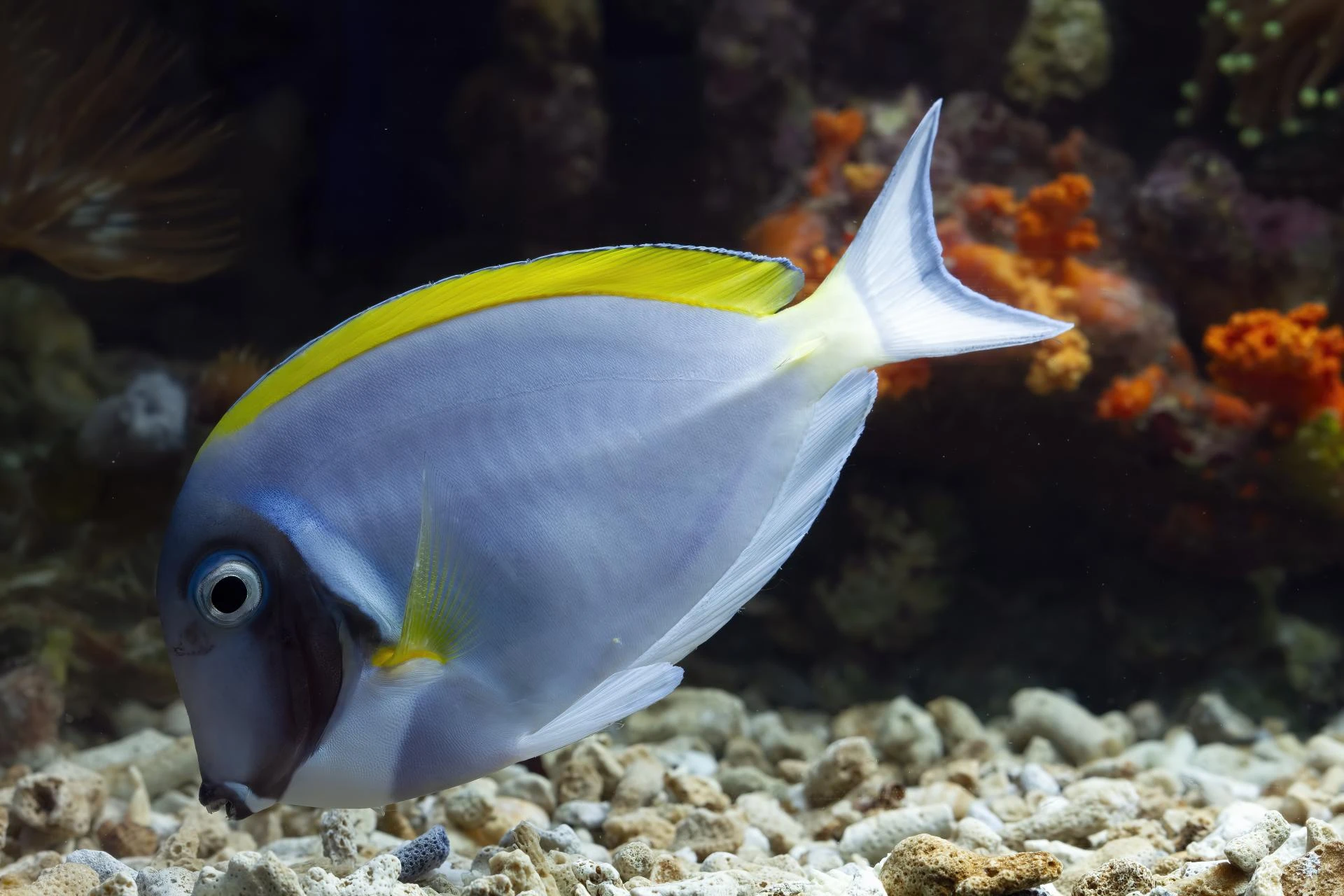
The underwater world holds secrets that have puzzled researchers for decades. But thanks to advancements in tracking tools, we now have a clearer view into the lives of fish, turtles, sharks, and other aquatic species. Among the tools making this possible, one device stands out: the tag reader.
From its early roots as a simple receiver to today’s AI-powered data hubs, the tag reader has evolved into one of the most critical technologies in aquatic research and conservation.
Why Tag Readers Matter
Tracking aquatic species in their natural habitat is no small feat. Unlike terrestrial wildlife, fish and marine creatures move through vast, often inaccessible environments. That’s where the tag reader comes in. It acts as the bridge between the animal and the researcher — picking up signals from implanted or attached tags and translating them into usable data.
These devices help scientists answer big questions like:
- Where do species migrate?
- How do they respond to temperature or pollution?
- What habitats are essential for their survival?
In short, tag readers are revolutionizing how we monitor aquatic ecosystems — bringing us closer to understanding and protecting life below the surface.
A Look Back: The Early Days of Tag Reader Technology
In the 1990s and early 2000s, most tag readers were basic and limited in scope. They operated primarily in freshwater environments using radio or PIT (Passive Integrated Transponder) systems. These readers had short detection ranges, limited memory, and required researchers to manually retrieve them to access data.
Still, they served their purpose — providing basic movement data and identification for tagged fish in hatcheries and streams.
But as marine studies expanded and demand for real-time data grew, this early version of the reader began to show its limitations.
The Rise of Acoustic and Smart Readers
By the 2010s, acoustic telemetry brought a wave of innovation. Companies like Innovasea and Lotek introduced acoustic receivers that could detect and store signals over much larger distances and for longer periods.
Modern acoustic tag readers could:
- Cover hundreds of meters
- Withstand harsh marine conditions
- Operate autonomously for years
- Sync with centralized data platforms
Even more impressive, newer systems could be deployed in arrays across entire coastlines or reef systems, giving scientists a near-complete picture of species movements and behaviors.
Real-Time Revolution: Tag Readers in 2025
As we move through 2025, the transformation of the reader is in full swing. Today’s devices are smarter, more connected, and more versatile than ever before.
Here’s what sets modern tag readers apart:
- Satellite Connectivity: Some readers now transmit data in real-time via Iridium or other satellite networks, making them ideal for remote or offshore locations.
- AI Integration: Edge-processing units analyze tag signals immediately — filtering out noise and even detecting behavioral patterns.
- Solar Power: Many systems now use solar panels to extend battery life and reduce maintenance.
- Cloud Platforms: Instead of waiting for retrieval, researchers can access tag data on dashboards updated in real time.
These capabilities make today’s tag reader a powerful field assistant, capable of helping researchers adjust strategies on the fly and react to critical findings without delay.
Field Applications Making a Difference
Migratory Fish in the Columbia River Basin
An array of PIT and acoustic tag readers installed across the Columbia River tracked thousands of salmon as they migrated upstream. The resulting data helped optimize dam flow schedules to support fish passage, leading to higher survival rates.
Shark Monitoring in the Atlantic
Satellite-enabled acoustic tag readers along the U.S. East Coast tracked the movements of several shark species. Real-time data helped scientists alert beach authorities to the proximity of large sharks, preventing potential human-wildlife conflicts.
Sea Turtle Nesting in the Caribbean
Portable tag reader systems were used to monitor sea turtles returning to nesting beaches. Solar-powered readers deployed near high-density beaches captured migration routes and arrival patterns — informing marine protection efforts.
Anatomy of a 2025 Tag Reader
Let’s break down the core components inside a high-performing reader system today:
Component Purpose Acoustic hydrophone Detects ping signals from tags AI processor Filters false positives and detects patterns Satellite modem Enables real-time data upload Solar panel Powers remote, long-term deployments GPS unit Logs exact deployment location
These features make modern readers ideal for both short-term field studies and long-term ecological monitoring projects.
Choosing the Right Tag Reader
When selecting a tag reader for your aquatic project, consider the following:
Environment
- Freshwater: PIT or radio readers often suffice.
- Marine: Acoustic or satellite-linked readers are preferred.
Species
- Small species require high-sensitivity readers.
- Large, migratory species benefit from wide-range, durable equipment.
Duration and Budget
- For studies under 6 months, basic readers with memory storage may be enough.
- For multi-year projects, invest in solar-powered, AI-equipped readers.
The Road Ahead: What’s Next for Tag Reader Tech?
Looking beyond 2025, the future of the reader is shaping up to be even more dynamic. Here’s what researchers are working toward:
- Self-Navigating Reader Drones: Underwater drones equipped with tag readers could follow fish autonomously.
- Mesh Networks: Multiple readers could form a communication web, handing off data to one another until it reaches a central hub.
- Environmental Sensing: Readers may soon monitor not just fish, but also water chemistry, microplastics, and pH levels — helping scientists link animal behavior to environmental conditions in real time.
Leading Tag Reader Manufacturers in 2025
Company Known For Innovasea Acoustic and satellite-enabled readers Lotek Wireless PIT and freshwater tag readers Biomark Integrated PIT systems Desert Star Oceanic and modular reader solutions
These companies are continually pushing the envelope — ensuring tag reader systems evolve alongside the needs of modern aquatic research.
Final Thoughts
The journey of this reader from a simple tracking tool to a sophisticated, AI-driven sensor network is nothing short of remarkable. In 2025, these devices don’t just collect data — they empower decisions, protect species, and shape the future of marine science.
As aquatic ecosystems face increasing pressure from climate change, pollution, and human activity, the humble tag reader will play an even bigger role in helping us understand — and ultimately safeguard — life below water.
FAQ
Q: How long do tag readers last in the field?
A: Depending on the model, most readers last between 2 to 5 years, especially if solar-powered.
Q: Are tag readers safe for the environment?
A: Yes, modern units are built from non-toxic materials and designed for long-term, low-impact deployment.
Q: Can a reader function in deep-sea environments?
A: Some advanced models are pressure-rated for depths over 3,000 meters.





















Sign in to leave a comment.