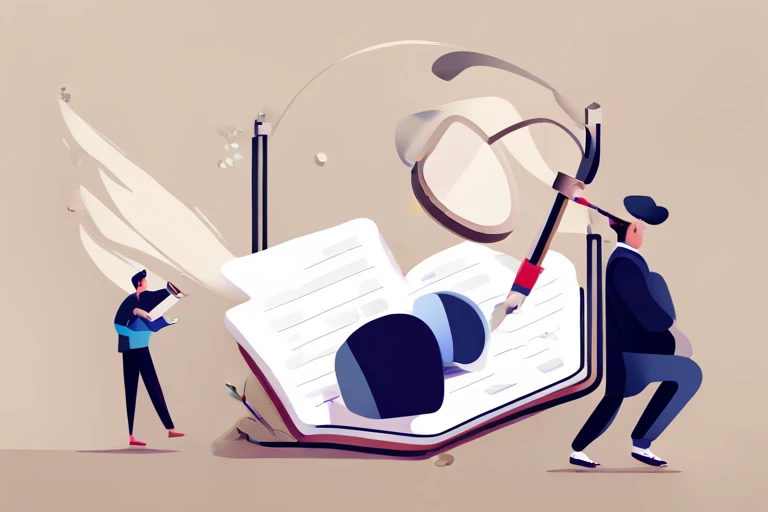

The publishing industry is undergoing rapid transformation, and the role of the editor is evolving alongside it. With the rise of self-publishing, digital platforms, and artificial intelligence-driven tools, traditional editing methods are being redefined. Editors today must embrace new strategies to stay relevant, ensuring that books meet the changing expectations of authors, publishers, and readers.
The Shift from Traditional to Digital Editing
For decades, book editing followed a relatively consistent process: an author submitted a manuscript, an editor provided feedback, and the book underwent multiple rounds of revision before being published. While this workflow still exists, the digital age has introduced significant shifts in how books are edited, formatted, and distributed.
Self-publishing platforms such as Amazon Kindle Direct Publishing (KDP), AMZ Publishers, IngramSpark, and Draft2Digital have eliminated the traditional gatekeepers of publishing, allowing authors to bring their books to market quickly. As a result, editors are increasingly working directly with independent authors, helping them refine their manuscripts to compete with traditionally published books.
Moreover, digital tools such as Grammarly, ProWritingAid, and AI-assisted software have changed how editing is performed. While these tools cannot replace human editors, they help streamline the process, catching grammar errors, improving sentence structure, and enhancing readability.
The Expanding Role of Editors
Modern editors are no longer confined to correcting grammar and typos. They now play a broader role in shaping a book’s overall marketability. This includes:
- Developmental Editing: Helping authors refine their storytelling, structure, and pacing.
- Sensitivity Reading: Ensuring books are culturally sensitive and avoid unintended biases.
- Metadata Optimization: Assisting authors in crafting compelling book descriptions, keywords, and SEO-friendly content to enhance discoverability.
- Formatting Guidance: Advising on proper eBook and print formatting to ensure compatibility across different reading platforms.
- Marketing Collaboration: Providing insights into book cover design, target audience engagement, and pre-launch strategies.
These expanded responsibilities mean that editors must develop a versatile skill set beyond just linguistic expertise. Understanding publishing trends, reader expectations, and digital marketing strategies is crucial for success in today’s industry.
Navigating AI and Automation in Editing
Artificial intelligence is increasingly being integrated into the publishing workflow. AI-driven tools can analyze text, suggest revisions, and even generate content. While some fear that AI will replace editors, the reality is that these tools serve as valuable assistants rather than replacements.
Editors who embrace AI can leverage these technologies to improve efficiency. For example, AI tools can help with:
- Basic Grammar and Style Checks: Automated tools can quickly catch common errors, allowing editors to focus on deeper structural and narrative improvements.
- Plagiarism Detection: Ensuring originality in content.
- Consistency Checking: Maintaining uniformity in character names, settings, and plot details across lengthy manuscripts.
Rather than viewing AI as a threat, editors should see it as a tool that enhances their work, enabling them to provide higher-value services to authors and publishers.
The Rise of Hybrid Publishing and Collaborative Editing
Hybrid publishing—a model that combines elements of traditional and self-publishing—has grown in popularity. These publishing houses offer editorial support, design services, and distribution while allowing authors greater creative control. Editors working within this model need to be flexible, adapting to both traditional editorial standards and the entrepreneurial spirit of self-published authors.
Collaboration is also becoming a defining feature of modern editing. Many editors now work in teams, with specialized professionals handling different aspects of the editing process. For instance, a book might undergo developmental editing by one expert, copyediting by another, and final proofreading by yet another. This collaborative approach ensures a polished final product that meets industry standards.
The Future of Editing: Adaptability is Key
As publishing trends continue to shift, editors must remain adaptable and open to continuous learning. Here are some key takeaways for the evolving editor:
- Stay Tech-Savvy: Familiarize yourself with digital editing tools, AI-assisted platforms, and self-publishing technologies.
- Embrace a Business Mindset: Many editors now work as freelancers, requiring marketing and networking skills to attract clients.
- Expand Your Services: Consider offering additional services such as book coaching, formatting assistance, and marketing guidance.
- Understand Reader Expectations: Engage with current publishing trends to ensure books align with market demands.
- Cultivate Collaboration: Work with designers, formatters, and marketing experts to provide holistic support for authors.
Conclusion
The role of the editor is no longer just about correcting grammar and refining prose—it’s about guiding authors through an ever-changing publishing landscape. Whether working with traditional publishers, self-published authors, or hybrid models, editors who embrace technology, collaboration, and innovation will thrive. As the publishing industry evolves, so too must its editors, ensuring that books not only meet high-quality standards but also resonate with readers in the digital era.

























Sign in to leave a comment.