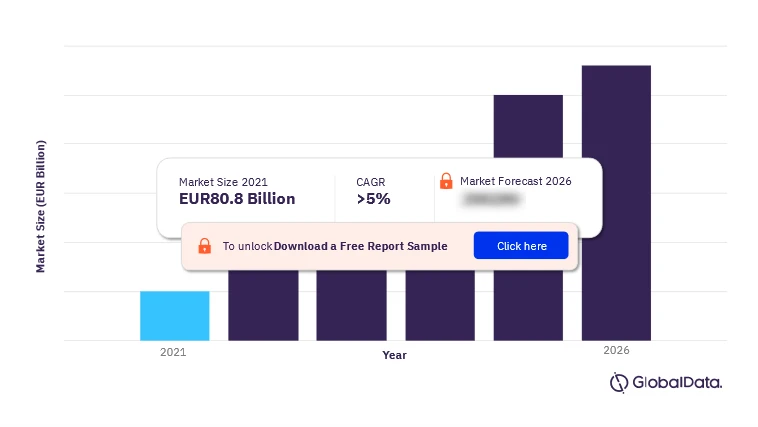

The European sportswear market is a dynamic and ever-evolving space, driven by a growing focus on health and wellness, technological advancements, and a rising fashion-active consumer base. This article delves into the current state of the market, exploring its size, growth projections, key trends, and the dominant players shaping the industry.

Market Size and Growth Trajectory
While Europe ranks as the third-largest sportswear market globally, behind North America and Asia Pacific, it boasts significant potential. According to Euromonitor, the European sportswear market was valued at approximately €12.1 billion in the fashion sportswear segment alone [1]. This segment is projected to maintain a steady growth trajectory, averaging around 1–2% annually until 2026 [2]. This growth is attributed to the increasing emphasis on health and well-being, with consumers actively seeking appropriate apparel and footwear for their sporting activities.
Key Trends Shaping the European Sportswear Market
Several key trends are influencing the European sportswear market:
- Health and Wellness Focus: A growing emphasis on healthy lifestyles is propelling demand for functional sportswear. Consumers are seeking comfortable, breathable, and performance-enhancing apparel that caters to their specific fitness needs.
- Athleisure as Everyday Wear: The lines between sportswear and everyday wear are blurring. Athleisure, a blend of athletic and leisurewear, has become a popular trend, with consumers opting for comfortable and stylish sportswear for casual outings.
- Technological Innovation: Advancements in material science and design are leading to the development of innovative sportswear with features like moisture-wicking fabrics, temperature regulation, and enhanced comfort.
- Sustainability: Consumers are increasingly concerned about the environmental impact of the fashion industry. This has led to a rise in demand for sustainable sportswear made from recycled materials and produced with eco-friendly practices.
- E-commerce Boom: The COVID-19 pandemic accelerated the shift towards online shopping. E-commerce is now a significant driver of growth in the European sportswear market, with consumers having access to a wider range of brands and products.
Competitive Landscape: Top Players and Emerging Brands
The European sportswear market is a relatively fragmented landscape, with established players like Nike and Adidas holding a dominant position. However, several other brands are making their mark:
- Leading Brands: Nike and Adidas remain the undisputed leaders in the European sportswear market. Their strong brand recognition, extensive distribution networks, and continuous product innovation allow them to maintain a competitive edge.
- Emerging Players: Several European sportswear brands are gaining traction. These include Puma, a strong contender with a focus on performance and heritage; Lululemon Athletica, a North American brand known for its innovative yoga apparel and athleisure wear; and New Balance, an American brand popular for its focus on comfort and performance footwear.
- Online-First Brands: Digital-native brands like Gymshark and Sweaty Betty are challenging the established players by offering high-quality, on-trend sportswear directly to consumers through their e-commerce platforms.
Looking Ahead: The Future of European Sportswear
The European sportswear market is poised for continued growth, driven by the aforementioned trends. Here’s a glimpse into what the future holds:
- Personalization: Consumers will increasingly seek personalized experiences, with sportswear tailored to their individual needs and preferences.
- Connected Apparel: Technological advancements will lead to the development of “smart” sportswear that tracks performance metrics, integrates with fitness apps, and offers personalized coaching.
- Focus on Inclusivity: The sportswear industry will cater to a more diverse range of body types and ethnicities, with a wider variety of sizes and styles available.
- Sustainability Concerns: Sustainable practices will become an even greater priority, with brands adopting eco-friendly materials and production processes.
Conclusion
The European sportswear market is a vibrant and evolving space that offers immense opportunities for brands that can adapt to changing consumer preferences and embrace innovation. By focusing on functionality, sustainability, and personalization, sportswear companies can thrive in this competitive landscape. As the European population prioritizes health and well-being, the demand for high-quality and stylish sportswear is guaranteed to remain strong.
To know more about the Europe sportswear market forecast, download a free report sample























Sign in to leave a comment.