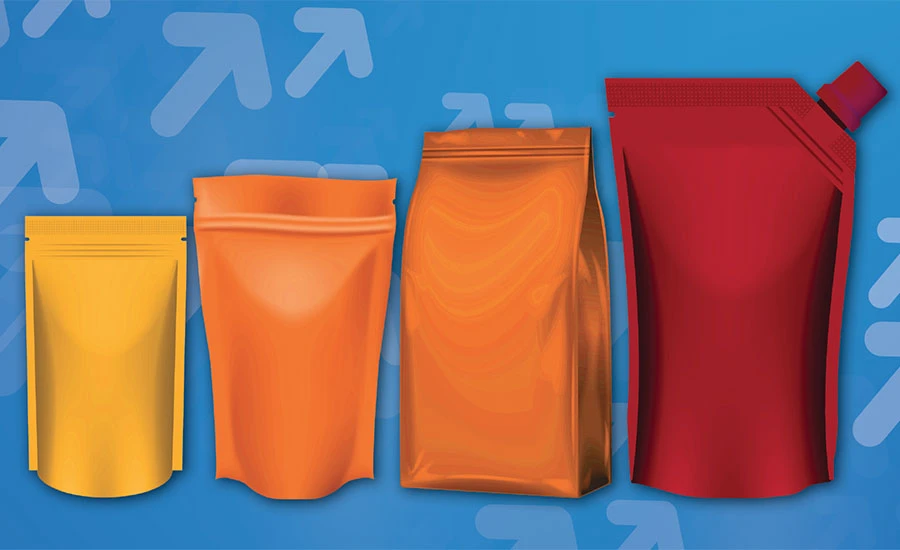

The flexible advantage of flexible packaging lies in its numerous benefits that make it a popular choice across industries. Firstly, flexible packaging offers excellent product protection. The materials used, such as films and laminates, provide barrier properties that shield the contents from moisture, oxygen, light, and contaminants, ensuring product freshness and extending shelf life.
Flexibility is another key advantage. Flexible packaging can conform to various shapes and sizes, making it adaptable for a wide range of products. It allows for efficient use of storage space and easy handling during transportation, reducing costs and logistical complexities.
Additionally, flexible packaging is lightweight, which contributes to reduced shipping costs and environmental impact. Its lightweight nature also offers convenience for consumers, making it easy to carry and use.
Furthermore, flexible packaging provides ample opportunities for branding and product information. The large surface area allows for attractive graphics, logos, and product details to be displayed, enhancing shelf appeal and consumer engagement.
Lastly, flexible packaging is often recyclable and eco-friendly. Many manufacturers are using sustainable materials and adopting responsible practices to reduce waste and promote environmental sustainability.
In summary, the flexible advantage of flexible packaging lies in its product protection, adaptability, lightweight nature, branding opportunities, and eco-friendliness. It offers a convenient and sustainable packaging solution that meets the evolving needs of both businesses and consumers.
























Sign in to leave a comment.