

In today’s rapidly evolving marketplace, the integration of emerging technologies with sustainable business practices is not just commendable—it’s crucial. As environmental concerns escalate, companies are compelled to reconsider traditional methods, aiming to align profitability with planet-friendly procedures. This fusion of innovation and environmental stewardship promises a future where business growth is synonymous with sustainability.
Revolutionizing Energy: Solar and Wind Power Advancements
One of the most significant areas where technology is making waves is in the energy sector. Recent advancements in solar photovoltaic (PV) panels and wind turbines have dramatically increased their efficiency and reduced costs. Businesses of all sizes are now harnessing these renewable sources to power their operations, decrease carbon footprints, and reduce energy costs in the long run. Moreover, new technologies like floating solar farms and vertical wind turbines are opening up new avenues for utilizing natural resources with minimal environmental impact.
Smart Operations: AI and IoT at the Forefront
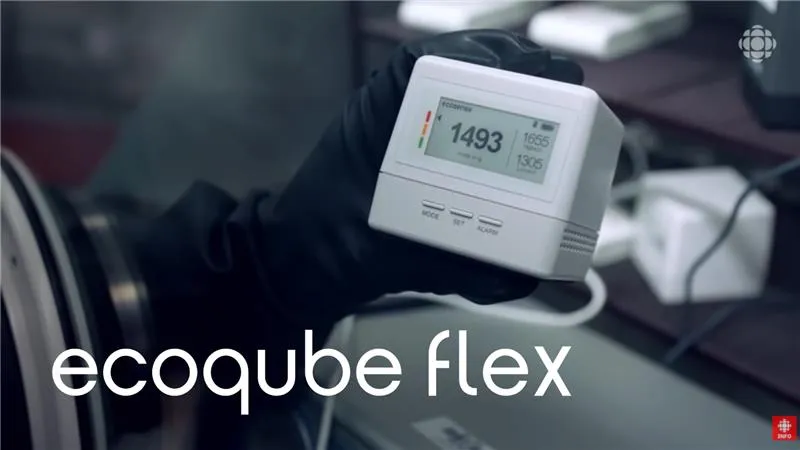
Artificial Intelligence (AI) and the Internet of Things (IoT) are at the forefront of transforming sustainable business practices. AI’s ability to analyze large datasets can lead to more efficient resource management, from reducing energy usage in manufacturing processes to optimizing supply chain logistics, thus minimizing waste. On the other hand, IoT devices enable real-time monitoring of environmental conditions and equipment performance. This immediate access to data allows businesses to make quick adjustments that conserve resources and improve sustainability.
Waste Management: Turning Trash into Treasure
Innovative technologies are also revolutionizing waste management. Techniques such as pyrolysis, the thermal decomposition of materials at high temperatures in an inert atmosphere are transforming non-recyclable waste into useful products like bio-oil and char, which can be used as clean energy sources or soil amendments. Moreover, companies are investing in robotic sorting systems that increase the efficiency and accuracy of recycling processes. By enhancing the ability to reclaim materials from waste, businesses reduce reliance on raw materials and contribute to a circular economy.
Water Wisdom: Conservation Through Advanced Purification Systems
Water scarcity remains a pressing global issue, prompting tech innovators to develop advanced water purification and recycling systems. These systems use less energy and chemicals than traditional methods and can even extract clean water from humid air. Businesses, especially in water-intensive industries like textiles and agriculture, are adopting these technologies to minimize water usage and recycle wastewater, significantly lowering their environmental impact while ensuring their operations can withstand water-related challenges.
Building Green: Eco-friendly Construction Technologies
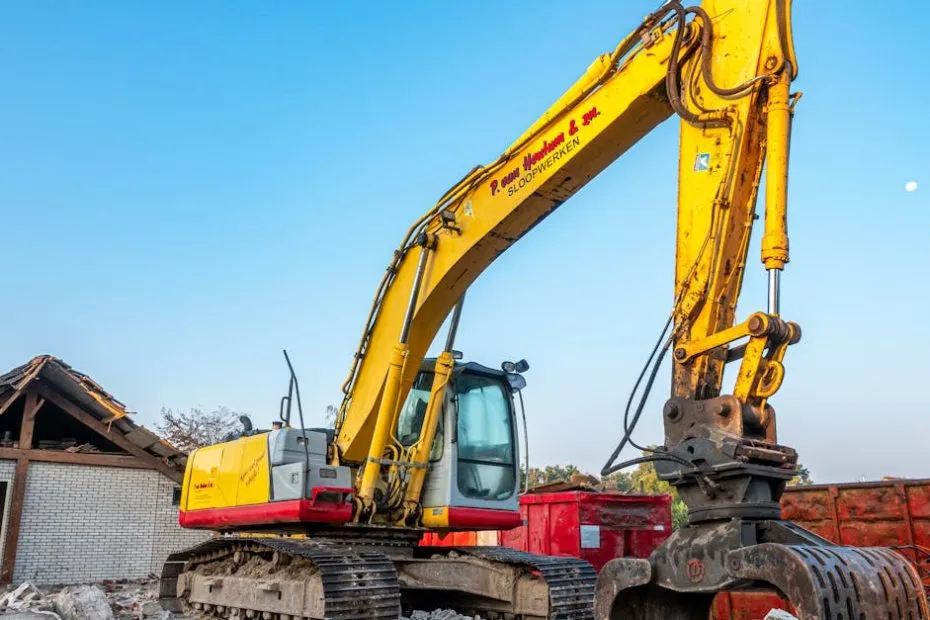
The construction sector is seeing a paradigm shift with the adoption of green building technologies. Materials such as self-healing concrete, which reduces the need for repairs and maintenance, and thermochromic windows that adjust their tint based on temperature to optimize indoor heating and cooling, are becoming more prevalent. These technologies not only enhance the energy efficiency of buildings but also improve their overall sustainability by reducing the resources required for construction and maintenance.
Ethical Electronics: Sustainable Manufacturing and E-waste Management
The electronics industry is notorious for its rapid obsolescence and heavy environmental toll. However, new sustainable manufacturing practices are emerging. For instance, modular designs that allow for easy repair and upgrades extend the lifespan of electronic devices. Additionally, companies are developing better e-waste recycling technologies that recover precious metals and other materials from old electronics, preventing hazardous substances from entering landfills and reducing the need to mine new materials.
The Road Ahead: Challenges and Opportunities
While the potential of these technologies is immense, their implementation is not without challenges. High initial costs, resistance to change, and a lack of skilled workforce can impede the adoption of sustainable technologies. However, the long-term benefits cost savings, improved brand reputation, and compliance with increasingly strict environmental regulations make a compelling case for businesses to invest in these innovations.
Moreover, as consumers become more environmentally conscious, businesses that proactively integrate sustainable technologies stand to gain significant competitive advantages. Thus, adopting and investing in these technologies is not merely a nod to compliance but a strategic move towards future-proofing operations in a world that values sustainability.
Conclusion
The intersection of emerging technologies and sustainable business practices represents a transformative opportunity for businesses. By embracing these innovations, companies can ensure their growth aligns with the broader goals of environmental stewardship and social responsibility. The future is, indeed, now.




















Sign in to leave a comment.