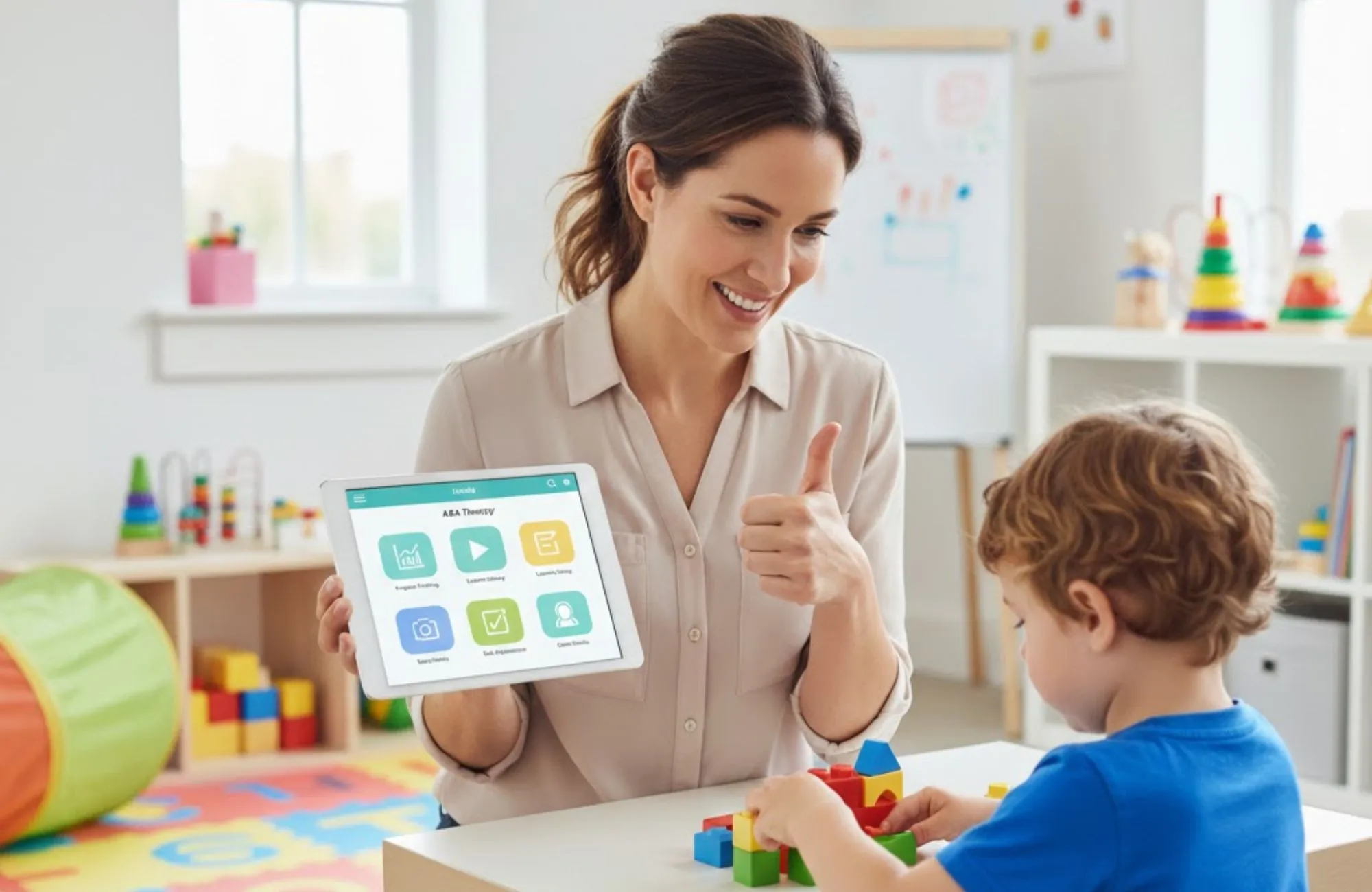

In recent years, ABA therapy home services have undergone a remarkable transformation. What was once a structured, clinic-based model is now evolving into a flexible, technology-enhanced approach that meets children where they feel most comfortable—at home. This shift is not only redefining how therapy is delivered but also how children learn, grow, and thrive in their everyday environments.
The Shift Toward Smart In-Home ABA Services
Traditional therapy models often relied on rigid routines and formal settings. Today, in-home ABA therapy is becoming more adaptive, focusing on real-life interactions and personalized care plans. Providers are moving beyond one-size-fits-all programs and instead designing therapy around each child’s unique lifestyle, routines, and learning style.
This shift allows therapy to blend seamlessly into daily life—whether it’s practicing communication during mealtime or building social skills through play. By embedding learning into familiar situations, children are more likely to engage, retain skills, and apply them naturally.
How Technology Is Enhancing Home-Based Therapy
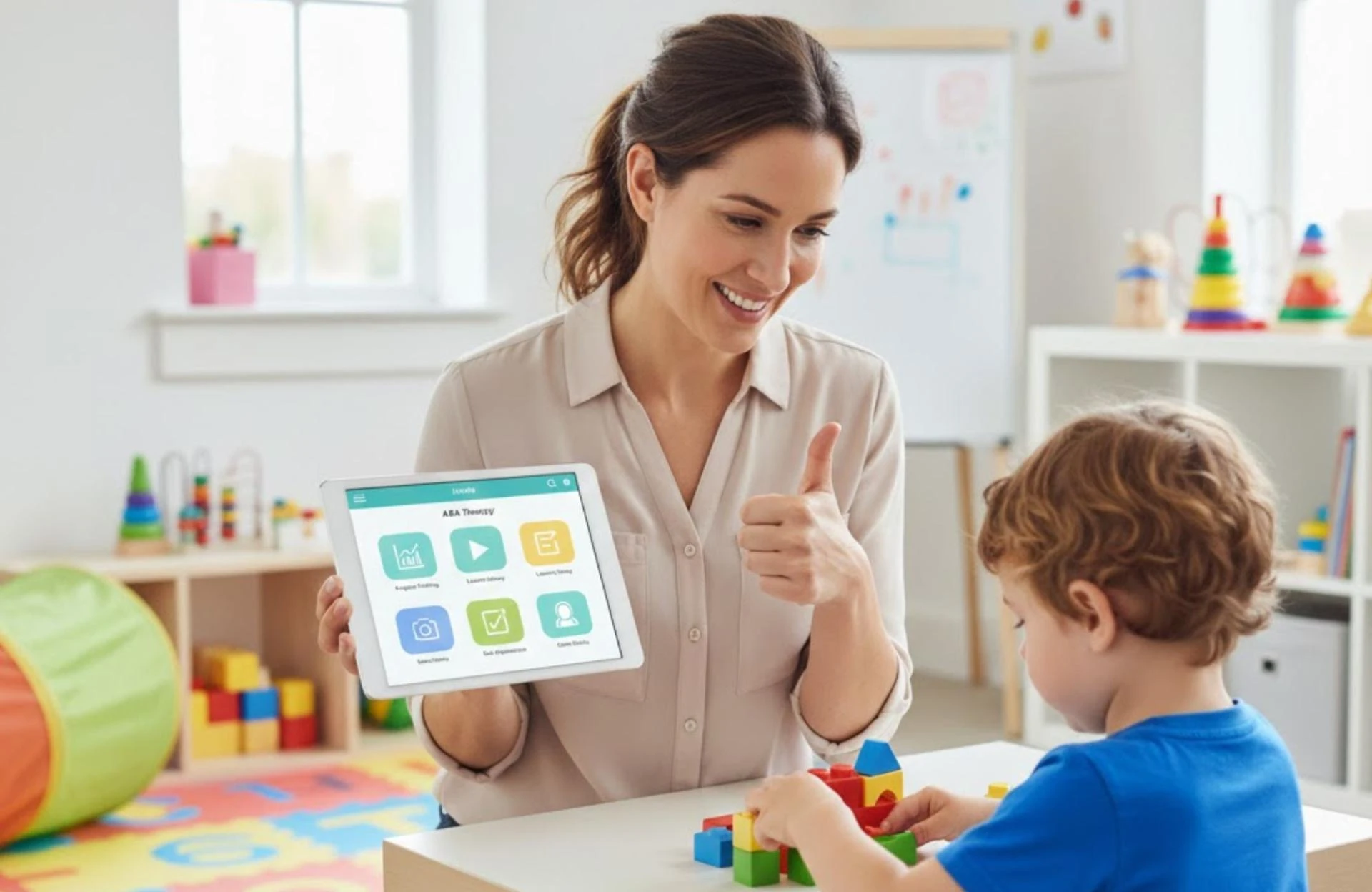
One of the most exciting trends in ABA therapy home services is the integration of smart technology. Telehealth platforms, mobile therapy apps, and AI-assisted progress tracking are transforming how therapists and families collaborate.
Virtual check-ins allow therapists to guide parents in real time, even when they are not physically present. Meanwhile, digital tools help track behaviors, monitor progress, and adjust therapy plans more efficiently. AI-driven insights can identify patterns that might otherwise go unnoticed, allowing for quicker and more precise interventions.
These innovations are not replacing therapists—they are empowering them. By combining human expertise with data-driven insights, home-based ABA programs are becoming more responsive and effective than ever before.
The Power of Naturalistic, Real-Life Learning
Modern in-home ABA therapy places a strong emphasis on naturalistic, child-led learning. Instead of structured drills, therapists now use everyday activities to teach essential skills.
For example, a child may learn to request help while playing with a toy or practice social interaction during family time. These moments feel natural and meaningful, making learning more enjoyable and less stressful.
This approach not only improves engagement but also ensures that skills are directly applicable to real-world situations. As a result, children develop stronger independence and confidence in their daily lives.
Family Involvement as a Core Advantage
A key strength of ABA therapy home services is the active involvement of family members. Parents and caregivers are no longer passive observers—they are essential partners in the therapy process.
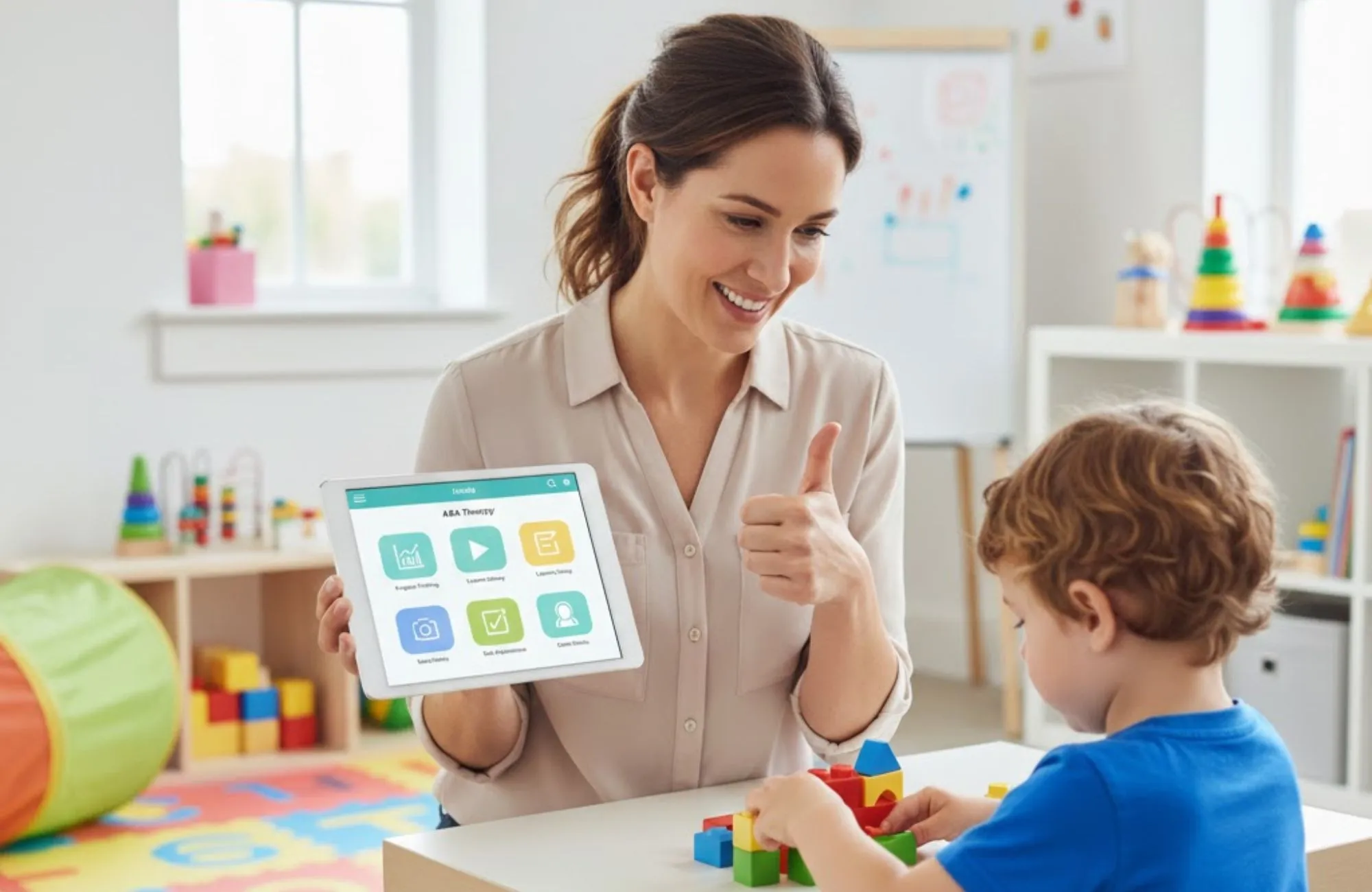
Therapists provide guidance and strategies that families can use throughout the day, creating consistency beyond scheduled sessions. This collaborative model helps reinforce progress and ensures that learning continues even when the therapist is not present.
By empowering families, personalized autism support becomes more sustainable and impactful, leading to long-term success.
Hybrid Models: Combining In-Person and Virtual Support
Another emerging trend is the rise of hybrid therapy models. These combine traditional in-person sessions with virtual support, offering flexibility without compromising quality.
For instance, a therapist may visit the home for hands-on sessions while also conducting virtual consultations to review progress or provide additional coaching. This approach allows families to access expert support more frequently and conveniently.
Hybrid models are especially beneficial for families in remote areas, making ABA therapy home services more accessible than ever before.
What This Means for the Future of ABA Therapy Home Services
The evolution of in-home ABA therapy reflects a broader shift toward personalization, innovation, and adaptability. As technology continues to advance and naturalistic methods gain popularity, therapy will become even more tailored to each child’s needs.
Future models may include more advanced AI tools, immersive learning experiences, and deeper integration with daily life. These developments will not only enhance therapy outcomes but also make the process more engaging and empowering for children and their families.
Conclusion
The future of ABA therapy home services is smart, flexible, and deeply personalized. By combining technology, naturalistic learning, and strong family involvement, home-based ABA programs are redefining what effective therapy looks like.
As this model continues to evolve, families can expect more adaptive, tech-enabled, and compassionate care—helping children build meaningful skills and achieve lasting success in the environments that matter most.




























Sign in to leave a comment.