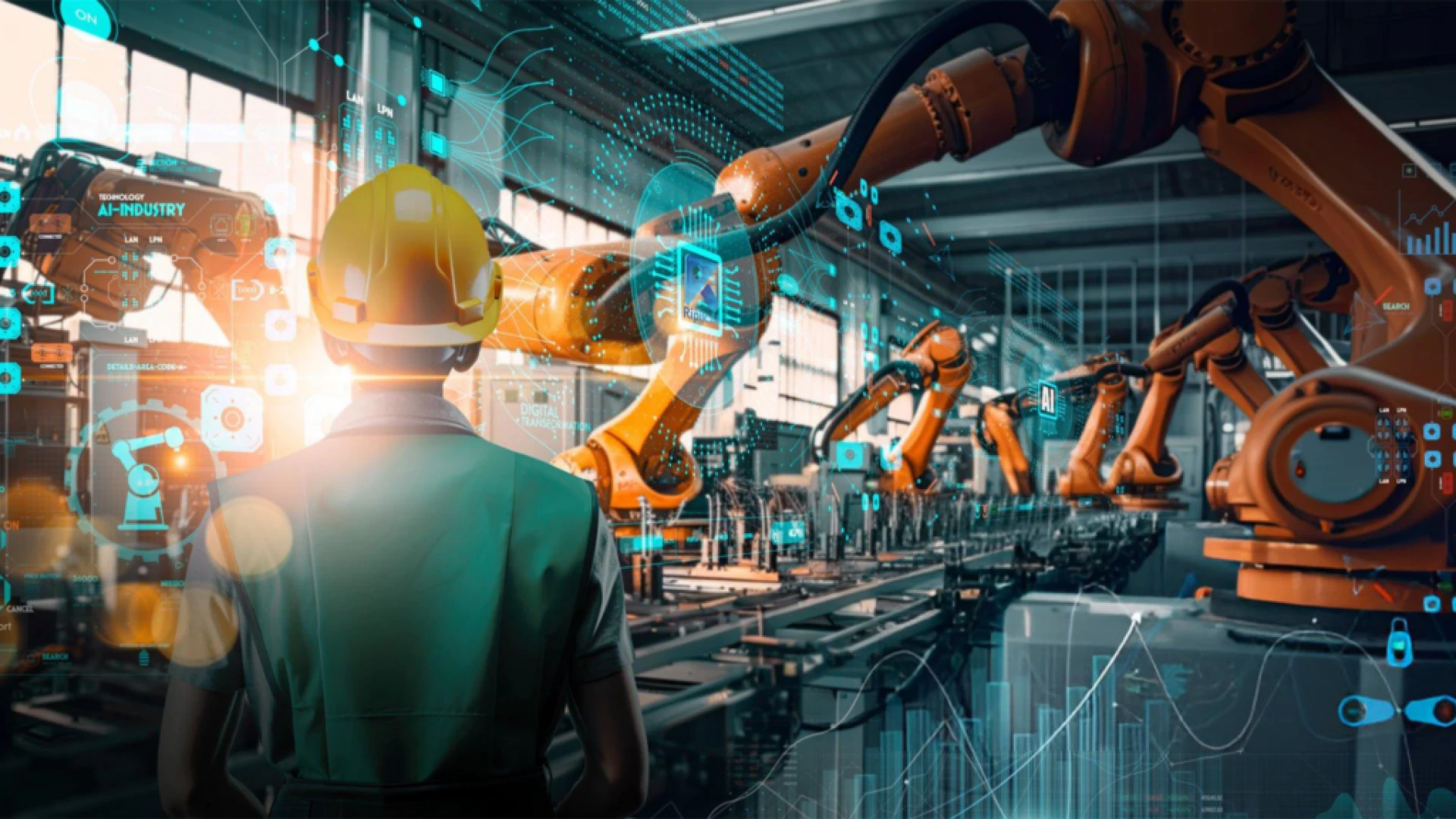

The heavy equipment industry is undergoing a massive transformation, driven by the rapid advancements in artificial intelligence (AI). From manufacturing to maintenance, AI is reshaping the way heavy machinery is designed, produced, and serviced. The integration of AI-powered systems in the industry not only improves efficiency but also enhances safety, reduces downtime, and lowers operational costs. As we look to the future, AI is set to play an even more significant role in heavy equipment manufacturing and maintenance, bringing forth innovations that will redefine industrial operations.

AI in Heavy Equipment Manufacturing
1. Smart Automation and Robotics
AI-driven automation is revolutionizing the manufacturing of heavy equipment. Robotic systems equipped with AI algorithms can perform complex tasks with precision, reducing human intervention and minimizing errors. These robots enhance assembly line efficiency, resulting in faster production times and improved product quality. AI-powered automation is also helping manufacturers respond more flexibly to market demands by allowing quick adjustments in production processes.
2. Predictive Design and Simulation
AI is transforming the design process of heavy machinery by enabling predictive modeling and simulation. Engineers can use AI-driven software to simulate real-world conditions, test different materials, and optimize designs before production begins. This reduces the time and cost associated with physical prototyping while ensuring that the final products meet high-performance standards.
3. Quality Control and Defect Detection
AI-powered computer vision systems are improving quality control in heavy equipment manufacturing. These systems can detect defects in components with greater accuracy than human inspectors. By using machine learning algorithms, manufacturers can identify patterns that lead to defects, allowing them to make data-driven improvements in production processes. This not only enhances product reliability but also reduces waste and rework.
4. Supply Chain Optimization
AI is also playing a crucial role in optimizing supply chain management for heavy equipment manufacturers. Advanced AI algorithms analyze vast amounts of data to predict demand, manage inventory levels, and improve logistics efficiency. This helps manufacturers reduce delays, lower costs, and ensure the timely delivery of components and finished products.
AI in Heavy Equipment Maintenance
1. Predictive Maintenance
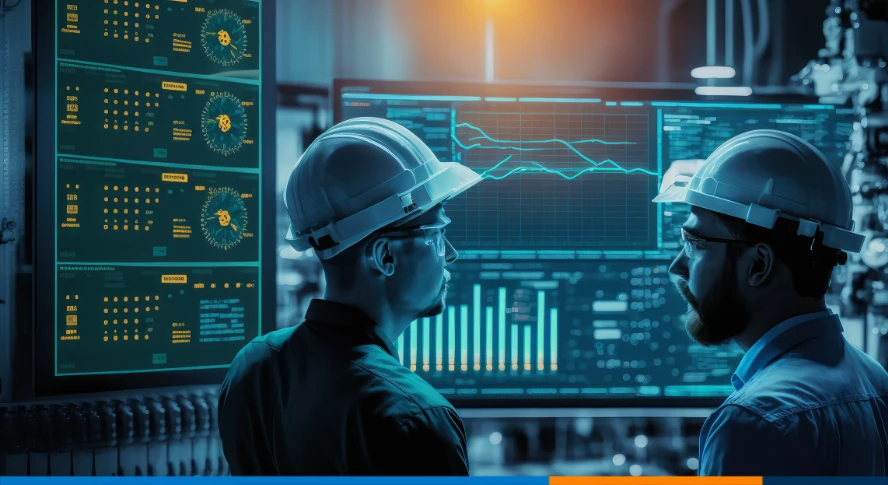
One of the most significant advancements AI brings to heavy equipment maintenance is predictive maintenance. Traditional maintenance practices rely on scheduled servicing, which can lead to unnecessary downtime or unexpected failures. AI-powered predictive maintenance uses data from sensors embedded in machinery to monitor performance in real-time. By analyzing this data, AI can predict when a component is likely to fail, allowing for timely repairs and preventing costly breakdowns.
2. Remote Diagnostics and Troubleshooting
AI-powered diagnostic tools enable remote monitoring and troubleshooting of heavy equipment. Operators and maintenance teams can receive real-time alerts about potential issues and access AI-generated recommendations for repairs. This minimizes downtime, reduces the need for on-site inspections, and allows for quicker resolutions of technical problems.
3. Autonomous Repair and Maintenance Bots
In the future, AI-driven autonomous repair bots may become a reality in the heavy equipment industry. These bots, equipped with machine learning capabilities and robotic arms, could perform routine maintenance tasks such as lubrication, tightening bolts, and replacing worn-out components. This would reduce human exposure to hazardous working conditions while improving overall maintenance efficiency.
4. Enhanced Training with AI and Augmented Reality
AI is also transforming the way technicians are trained to maintain heavy equipment. Augmented reality (AR) and AI-powered training programs provide immersive, hands-on experiences that allow workers to learn how to diagnose and repair complex machinery. These training methods improve knowledge retention and help technicians gain practical skills without needing direct access to heavy equipment.

The Economic and Safety Benefits of AI in Heavy Equipment
The adoption of AI in heavy equipment manufacturing and maintenance offers significant economic benefits. By reducing production costs, minimizing downtime, and optimizing resource usage, companies can achieve higher profit margins. Additionally, AI-driven maintenance reduces unexpected breakdowns, leading to improved equipment longevity and lower operational costs.
From a safety perspective, AI enhances workplace conditions by automating hazardous tasks, providing real-time alerts for potential equipment failures, and enabling predictive maintenance. This reduces the risk of accidents and ensures a safer working environment for operators and technicians.

Challenges and Considerations in Implementing AI
Despite the numerous benefits, the adoption of AI in heavy equipment manufacturing and maintenance comes with challenges. One of the primary concerns is the high initial investment required for AI-driven systems. Small and medium-sized enterprises (SMEs) may struggle to afford the cost of AI integration, making it essential for governments and industry leaders to explore funding options and incentives.
Another challenge is the need for skilled personnel who can operate and maintain AI-powered systems. Companies must invest in workforce training programs to ensure their employees can effectively utilize AI technologies.
Data security and privacy are also critical considerations. As AI systems rely on vast amounts of data, protecting sensitive information from cyber threats is essential. Implementing robust cybersecurity measures will be crucial in ensuring the safe and reliable use of AI in the industry.
The Future of AI in Heavy Equipment: What’s Next?
As AI technology continues to evolve, we can expect even more advanced applications in heavy equipment manufacturing and maintenance. Future developments may include AI-powered self-repairing machinery, intelligent sensors capable of real-time performance optimization, and fully autonomous heavy equipment that can operate without human intervention.
AI-driven advancements will also improve collaboration between humans and machines. Rather than replacing human workers, AI will serve as an intelligent assistant, helping operators and technicians make better decisions, reduce errors, and improve productivity.
Moreover, AI-powered tools like essay word changer are making documentation and reporting more efficient by automating the writing process. Such tools can assist in generating accurate reports, maintenance logs, and technical manuals, ensuring that essential information is easily accessible and up to date.
Conclusion
The future of AI in heavy equipment manufacturing and maintenance is incredibly promising. With advancements in automation, predictive maintenance, and smart diagnostics, AI is transforming the industry by improving efficiency, reducing costs, and enhancing safety. While challenges such as high implementation costs and data security concerns exist, the long-term benefits far outweigh these obstacles. As AI technology continues to evolve, the heavy equipment industry will see groundbreaking innovations that redefine how machinery is designed, produced, and maintained. By embracing AI, companies can stay ahead of the competition and drive the industry toward a more intelligent and efficient future.



























Sign in to leave a comment.