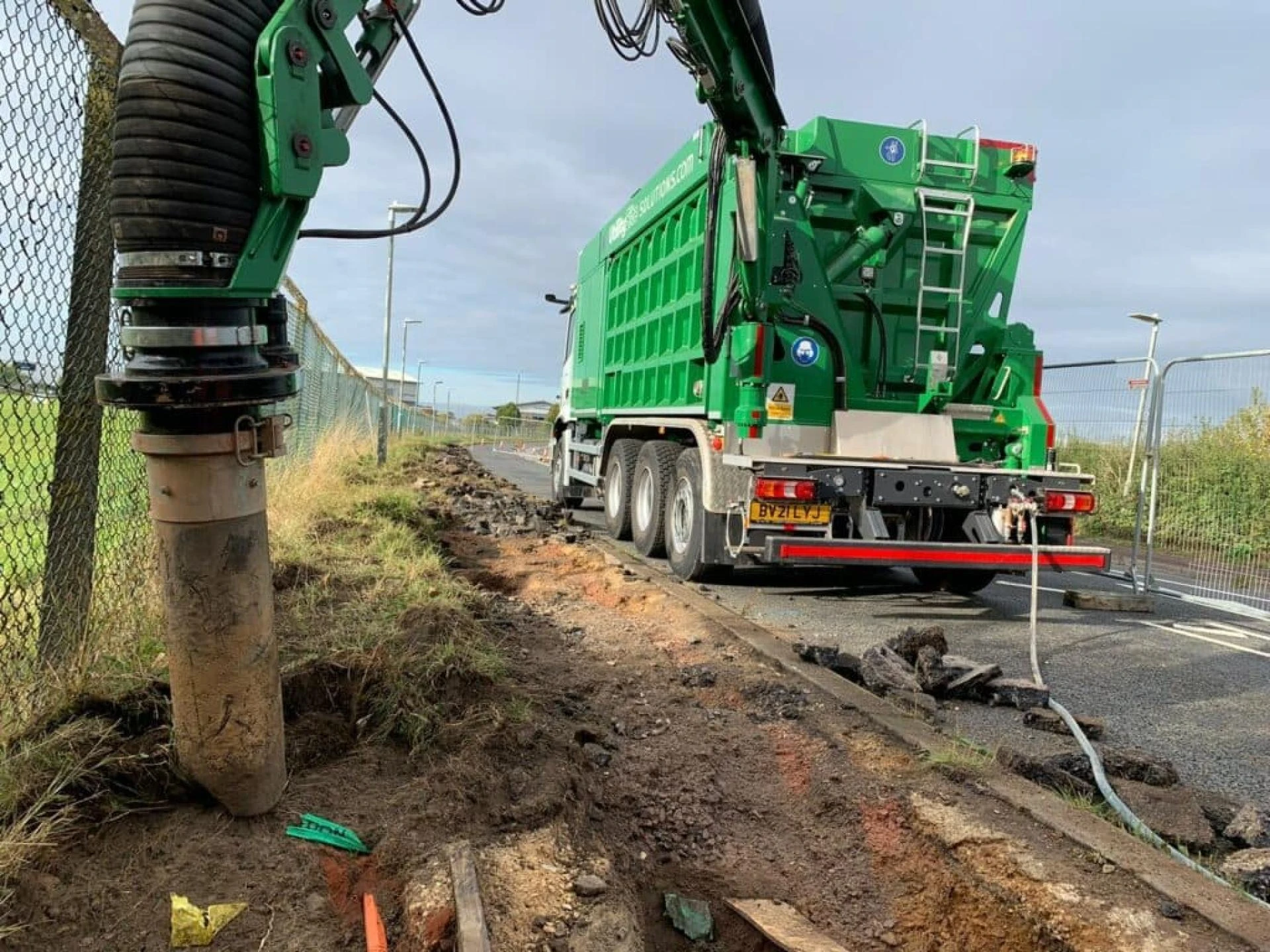

In the modern construction and utility sectors, efficient and safe excavation methods are crucial for successful project outcomes. Among the most innovative solutions available today is vacuum excavating. This technology has transformed traditional digging practices, offering a non-destructive approach that minimizes risk while maximizing efficiency. This article delves into the principles of vacuum excavating, its numerous benefits, applications, and the impact it has on the industry.
What is Vacuum Excavating?
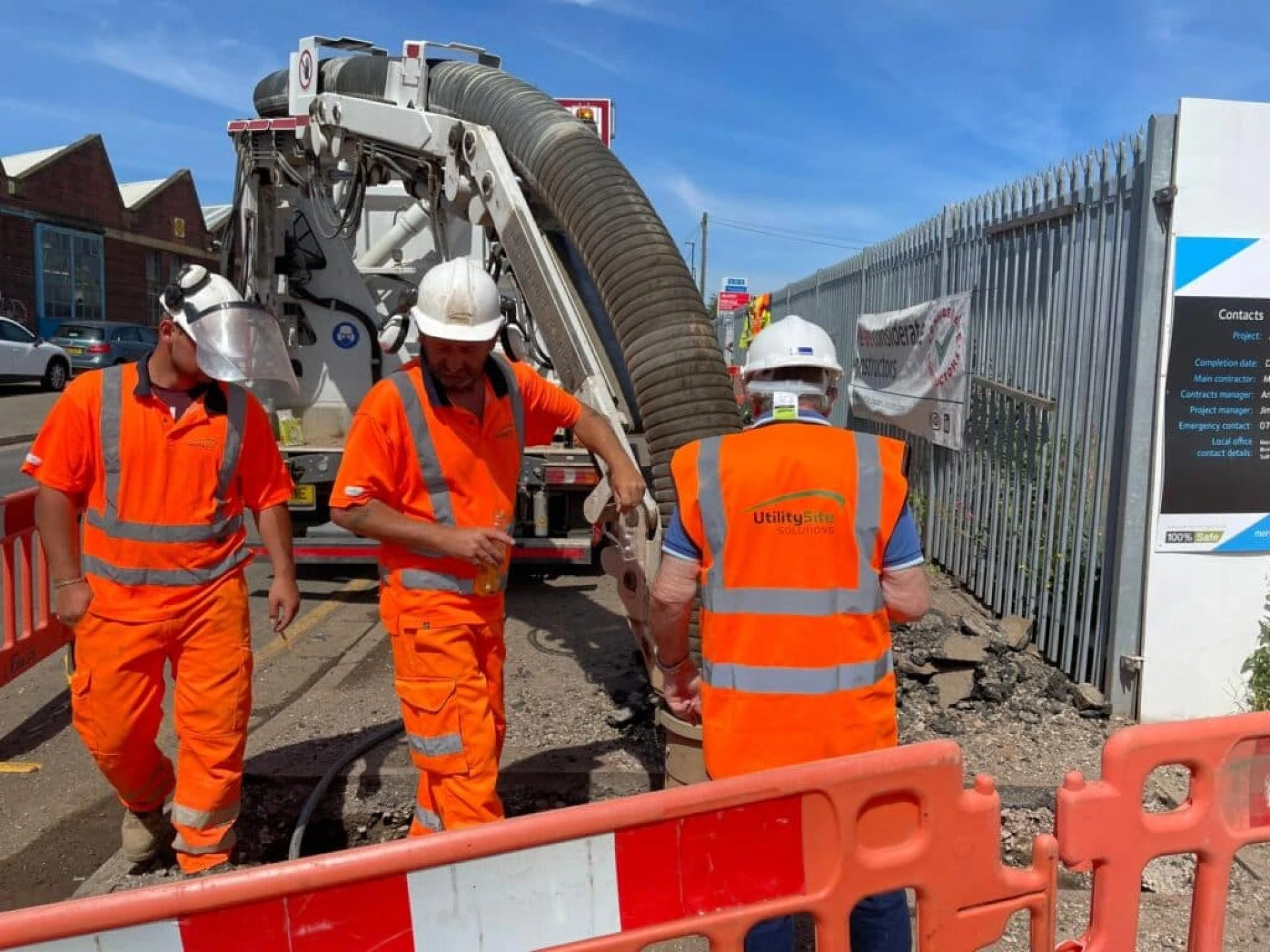
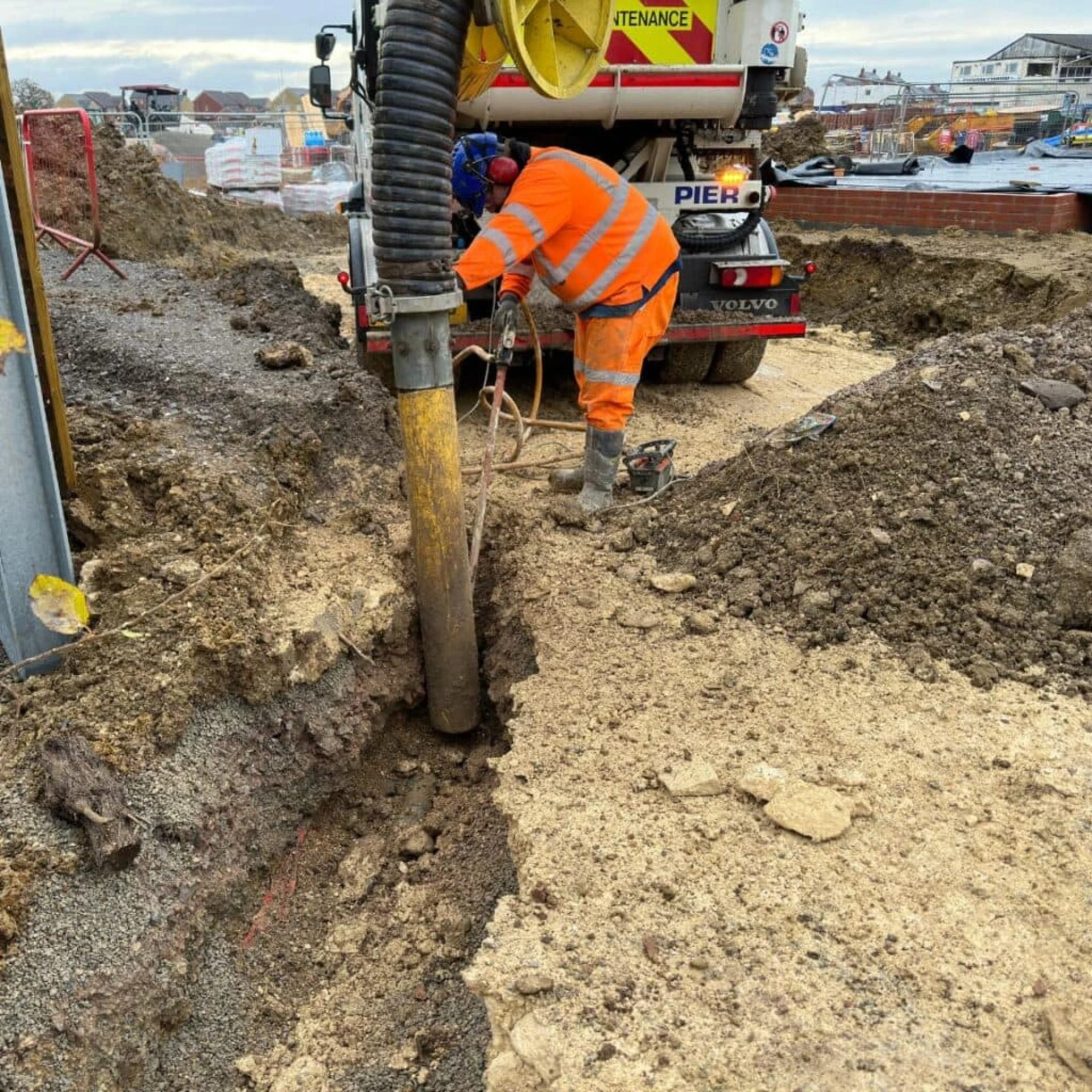
Vacuum excavating is a method that utilizes a combination of high-pressure water jets and powerful suction to remove soil and debris from the ground. This technique is particularly effective in urban environments where the presence of underground utilities—such as gas, water, and electricity—poses significant challenges for traditional excavation methods. By employing vacuum excavation, operators can safely expose these utilities without the risk of damage.
The process begins by using high-pressure water to loosen the soil, which is then vacuumed away into a debris tank. This method not only allows for precise digging but also minimizes the disturbance to the surrounding area. As a result, vacuum excavating has gained traction in various sectors, including construction, telecommunications, and municipal services.
The Benefits of Vacuum Excavating
Safety First
One of the most compelling advantages of vacuum excavating is its emphasis on safety. Traditional digging methods can be hazardous, particularly in areas with complex underground utility networks. Accidental strikes on cables or pipes can lead to dangerous situations, including explosions or flooding. Vacuum excavation significantly reduces these risks, as it allows for precise digging that avoids existing infrastructure.
Additionally, because the process generates minimal noise and dust compared to conventional methods, it creates a safer working environment for both operators and the public. This is particularly important in densely populated urban areas, where disruptions can impact daily life.
Efficiency and Speed
Efficiency is another hallmark of vacuum excavating. The combination of high-pressure water and suction allows operators to quickly and effectively remove soil, making it an ideal choice for time-sensitive projects. Since the process is less labor-intensive than traditional excavation, it can lead to faster project completion times.
Moreover, the precise nature of vacuum excavation means that less time is spent on site restoration after the excavation is complete. This not only accelerates the overall project timeline but also reduces the need for additional resources, ultimately leading to cost savings.
Environmental Considerations
In an era where environmental sustainability is a top priority, vacuum excavating stands out as an eco-friendly solution. The method minimizes soil disturbance, which helps preserve the integrity of the surrounding ecosystem. Additionally, the use of water to loosen soil rather than mechanical digging reduces the carbon footprint associated with heavy machinery.
By effectively managing waste and reducing the amount of soil displaced, vacuum excavation contributes to more sustainable construction practices. This aligns with the growing demand for environmentally responsible methods in the industry.
Applications of Vacuum Excavating
Utility Installation and Maintenance
One of the primary applications of vacuum excavating is in the installation and maintenance of underground utilities. As cities grow and infrastructure evolves, the demand for new utility installations increases. Vacuum excavation allows for safe and efficient digging, making it the preferred choice for utility companies. The ability to locate and expose utilities without damage is crucial for maintaining service continuity and preventing costly repairs.
Construction Projects
In construction, vacuum excavating is often utilized for foundation work, trenching, and site preparation. Its precision allows contractors to achieve the required depth and dimensions without disrupting the surrounding environment. This is especially beneficial in urban areas where space is limited, and the risk of damaging nearby structures is high.
Furthermore, vacuum excavation is invaluable during the renovation of existing buildings. When excavating around older structures, contractors must take extra precautions to avoid damaging foundational elements. Vacuum excavation provides the necessary precision to safely navigate these challenges.
Landscaping and Environmental Restoration
Vacuum excavating also finds applications in landscaping and environmental restoration projects. The method allows for careful excavation around sensitive areas, such as tree roots or archaeological sites, without causing damage. This is particularly important in projects aimed at preserving natural habitats or restoring ecosystems.
Contractors can use vacuum excavation to create trenches for irrigation or drainage systems while minimizing disturbance to the surrounding landscape. This approach supports sustainable land management practices and helps maintain ecological balance.
Challenges and Considerations
While vacuum excavating offers numerous benefits, it is not without its challenges. One of the main considerations is the need for skilled operators. Proper training is essential to ensure that personnel can effectively operate vacuum excavation equipment and understand the intricacies of the digging process.
Additionally, the availability of vacuum excavation services may vary by region, which can pose logistical challenges for contractors. It is essential for businesses to establish relationships with reputable providers to ensure timely access to the necessary equipment and expertise.
Public perception can also play a role in the adoption of vacuum excavating. Some may be unfamiliar with the technology or have concerns about its effectiveness compared to traditional methods. Educating stakeholders about the advantages of vacuum excavation is crucial for fostering acceptance and support.
Conclusion: Embracing Innovation with Utility Site Solutions
In summary, vacuum excavating represents a significant advancement in excavation technology, offering a safe, efficient, and environmentally friendly solution for various applications. Its ability to minimize risks while maximizing productivity makes it an invaluable tool in modern construction and utility management. As cities continue to grow and evolve, the importance of innovative excavation methods will only increase. Organizations like Utility Site Solutions are dedicated to providing access to cutting-edge equipment and solutions, ensuring that the industry can meet the challenges of the future with confidence. By embracing vacuum excavation technology, stakeholders can enhance the safety, efficiency, and sustainability of their projects, paving the way for a brighter and cleaner urban landscape.


























Sign in to leave a comment.