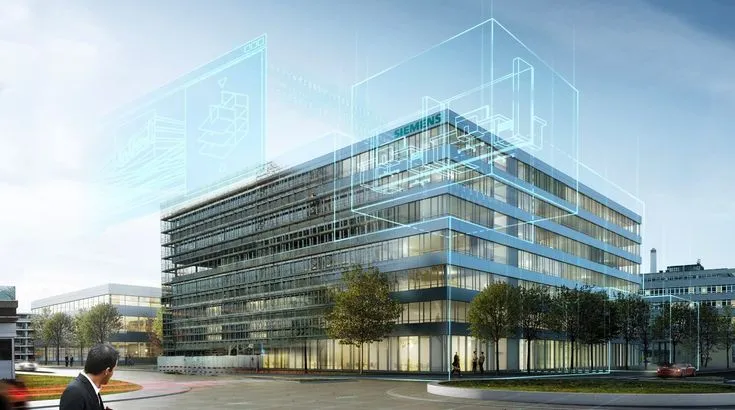

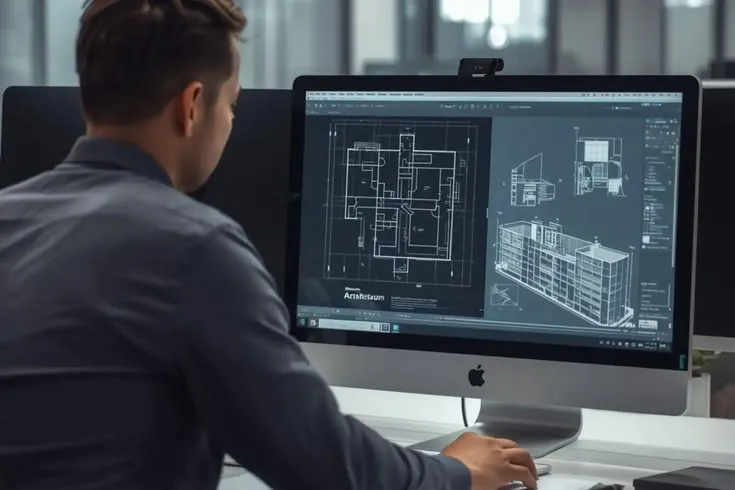
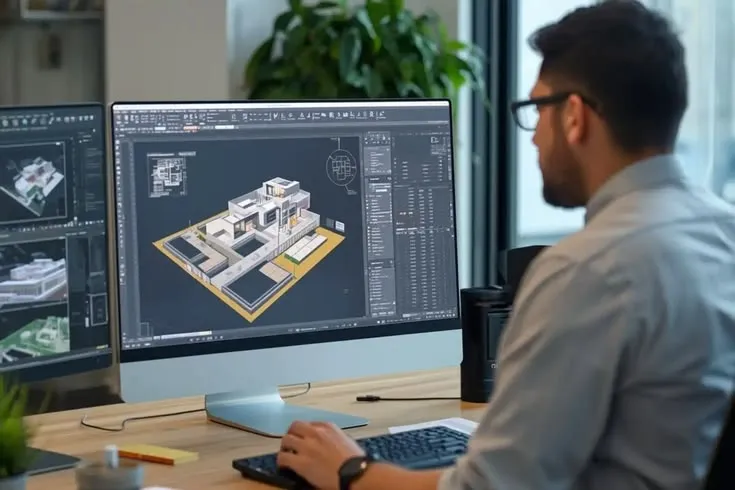
A few years ago, architectural visualization was mostly about creating attractive presentation images for clients. Today, visualization has become something much larger. It now influences design strategy, investment decisions, marketing performance, stakeholder communication, and even construction planning itself.
As digital construction workflows continue to evolve across the United States, professional 3D Model Rendering Services are becoming central to how projects are imagined, reviewed, and delivered.
From commercial developments and residential projects to large-scale infrastructure planning, rendering technologies are no longer treated as optional visual enhancements. They are becoming part of the core decision-making ecosystem within architecture, engineering, and real estate industries.
Visualization Is Shifting from Presentation to Project Intelligence
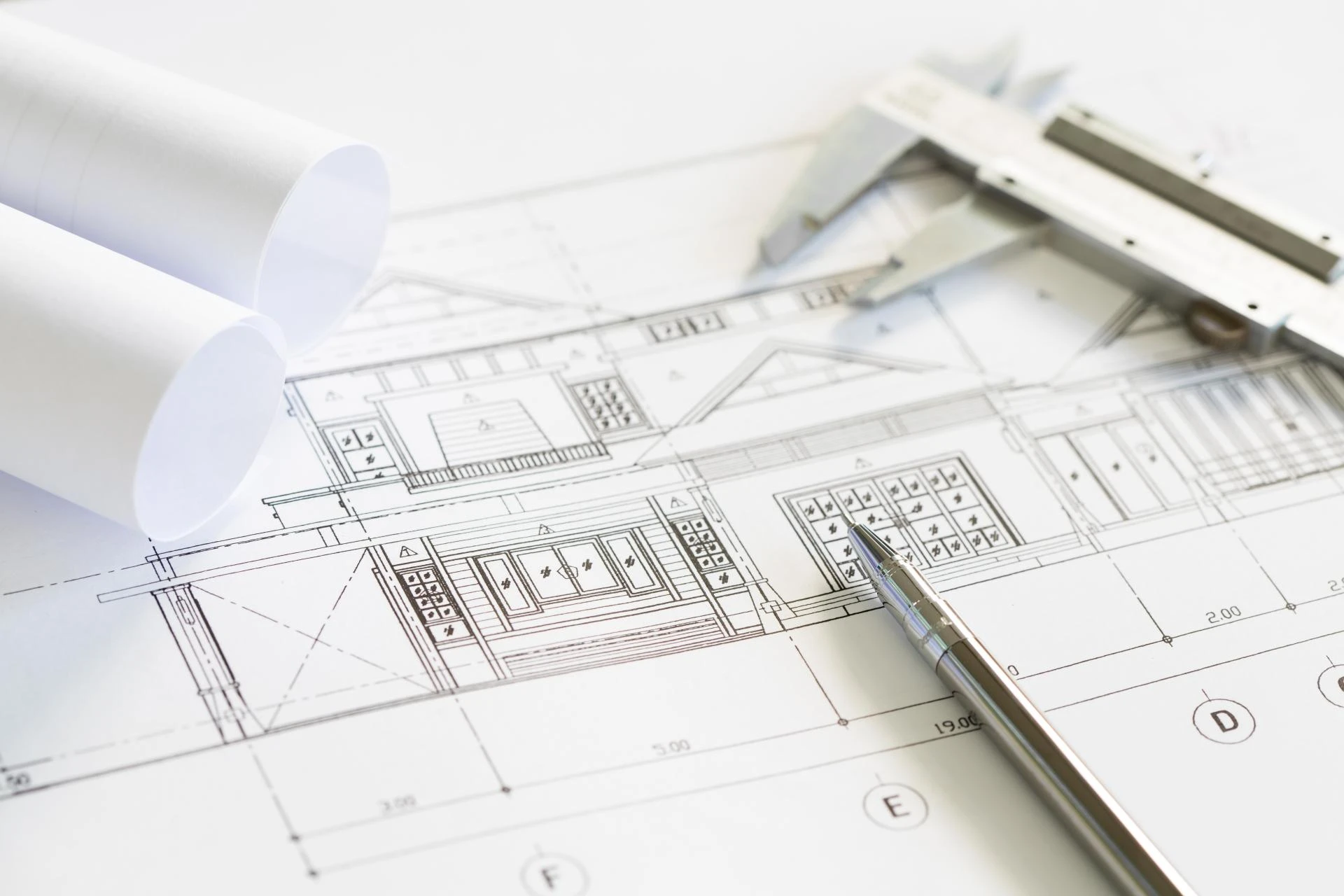
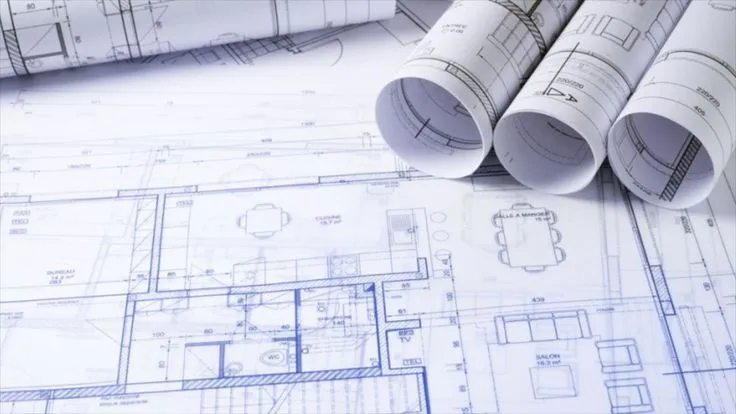
Traditional architectural drawings communicate dimensions and layouts, but they often fail to fully capture how a space will feel, function, or interact with its environment.
Modern rendering workflows solve this limitation by transforming technical data into immersive visual experiences.
This shift allows project teams to:
Analyze design intent more effectively
Review spatial functionality earlier
Present concepts with greater clarity
Identify design concerns before construction
Improve collaboration across disciplines
Visualization is evolving from static imagery into an operational planning tool.
Real-Time Rendering Is Reshaping Design Workflows
One of the biggest technological shifts happening right now is the growth of real-time rendering environments.
Instead of waiting hours or days for updated visual outputs, architects and designers can now modify projects dynamically and see instant visual feedback.
This dramatically changes how teams work because it enables:
Faster design exploration
Immediate material comparisons
Interactive stakeholder meetings
More efficient revision cycles
Better creative flexibility during planning
Real-time workflows are reducing the gap between concept development and final visualization.
Artificial Intelligence Is Accelerating Rendering Innovation
AI is beginning to transform digital visualization in ways that were almost impossible a decade ago.
Modern rendering systems are increasingly using AI for:
Automated lighting optimization
Smart material generation
Faster image enhancement
Scene prediction and refinement
Rendering speed improvements
This does not replace human creativity, but it significantly increases workflow efficiency and scalability.
As AI tools continue advancing, rendering processes will become even faster and more adaptive.
Immersive Visualization Is Becoming the New Standard
The future of rendering is not limited to static images. The industry is moving toward immersive digital experiences where stakeholders can interact with spaces before they are physically built.
Emerging technologies include:
Virtual reality walkthroughs
Augmented reality project visualization
Interactive digital twins
360-degree property experiences
Cloud-based collaborative environments
These technologies are transforming how clients engage with projects and how design decisions are evaluated.
Better Visualization Leads to Better Financial Decisions
Rendering services are increasingly influencing business and investment decisions—not just aesthetics.
Highly detailed visualization helps developers and stakeholders:
Evaluate project viability earlier
Improve investor confidence
Accelerate property marketing campaigns
Reduce design approval delays
Minimize costly late-stage revisions
Visualization now supports financial planning as much as architectural communication.
Marketing and Visualization Are Becoming Closely Connected
The real estate and development sectors have become heavily dependent on digital presentation quality.
Projects with high-end visualization often achieve:
Stronger buyer engagement
Faster pre-construction sales
Better online marketing performance
Improved investor presentations
Higher perceived project value
In competitive property markets, rendering quality directly influences project perception.
Future Rendering Workflows Will Be More Integrated
The next phase of digital visualization will involve deeper integration with BIM, cloud collaboration, and construction management systems.
Future workflows are expected to combine:
BIM-driven rendering automation
Real-time cloud collaboration
Interactive project databases
Smart building simulations
Lifecycle visualization systems
Visualization will increasingly become part of a connected digital construction ecosystem rather than a standalone design service.
The Demand for Realistic Digital Experiences Is Growing Rapidly
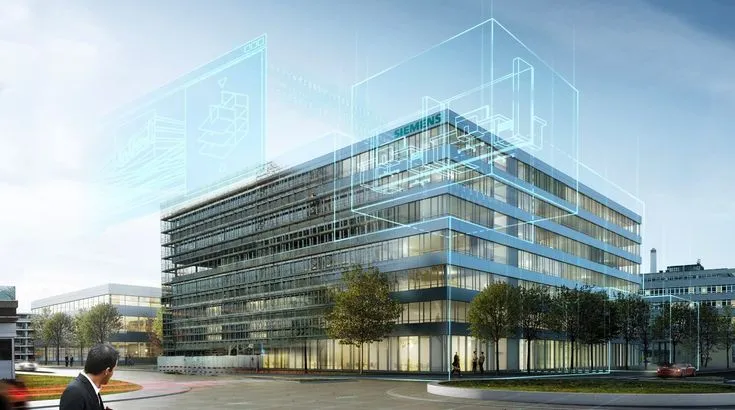
Clients and investors now expect far more than simple conceptual drawings. They want highly realistic environments that accurately represent lighting, materials, textures, surroundings, and user experience.
This growing expectation is driving major demand for advanced 3D Modeling and Rendering Services across multiple sectors.
The Human Element Will Still Matter
Even as automation and AI continue advancing, rendering remains heavily dependent on artistic interpretation, architectural understanding, and design communication skills.
The most effective rendering providers combine:
Technical software expertise
Architectural knowledge
Creative composition skills
Lighting and material realism
Understanding of user experience and presentation psychology
Technology improves the process, but human expertise still defines the quality of the final visual experience.
Choosing the Right Rendering Partner
As visualization becomes more influential in construction and real estate development, selecting the right rendering partner becomes increasingly important.
A high-quality provider should offer:
Expertise in advanced rendering platforms
Architectural and construction knowledge
Strong visual storytelling capabilities
Realistic material and lighting execution
Experience across multiple project types
The right partner helps transform concepts into visuals that support both technical planning and business growth.
Explore Advanced Rendering Solutions
As digital visualization continues evolving into a core component of construction and development workflows, professional rendering support is becoming essential for project success.
You can explore advanced 3D Model Rendering Services and professional 3D Modeling and Rendering Services with Optimar Precon
























Sign in to leave a comment.