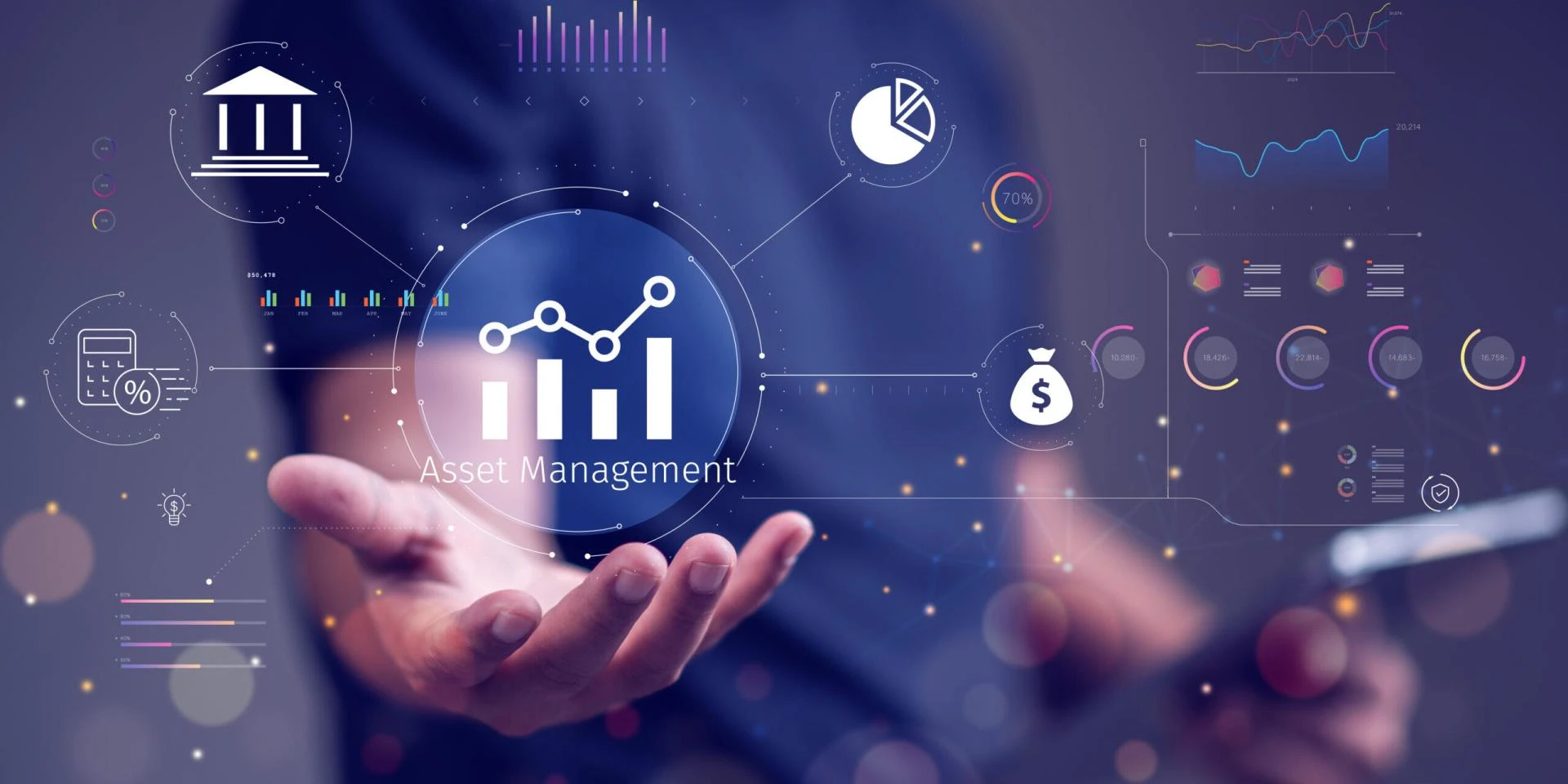
The UAE has emerged as one of the most advanced digital economies in the Middle East. With smart cities, AI-driven government services, and cloud-first enterprises becoming the norm, technology is now at the core of business operations. As organizations scale and digital complexity increases, IT asset management services are evolving from a basic tracking function into a strategic pillar of the UAE tech ecosystem.
Looking ahead, the future of IT asset management in the UAE is closely tied to automation, compliance, and digital transformation—especially as businesses seek efficiency, resilience, and long-term cost control.
The Growing Importance of IT Asset Management in the UAE
As UAE businesses adopt cloud platforms, hybrid work models, and advanced digital tools, the number of IT assets continues to grow. These assets include physical devices, software licenses, cloud subscriptions, and virtual infrastructure.
Without structured asset management, organizations face:
- Rising operational costs
- License compliance risks
- Security vulnerabilities
- Limited visibility into IT spending
This is why IT asset management is no longer optional. It has become essential for organizations aiming to remain competitive in a fast-evolving digital environment.
How Digital Transformation Is Reshaping IT Asset Management
Digital transformation has fundamentally changed how businesses manage technology. Modern IT environments are dynamic, distributed, and heavily data-driven. Traditional asset tracking methods can no longer keep up.
Many digital transformation companies in UAE now view IT asset management as a core enabler of transformation. When assets are properly managed:
- Cloud migrations become smoother
- Technology investments align with business goals
- Decision-making improves through real-time data
In the future, IT asset management will increasingly integrate with broader digital strategies rather than operate in isolation.
Automation: The Future Backbone of IT Asset Management
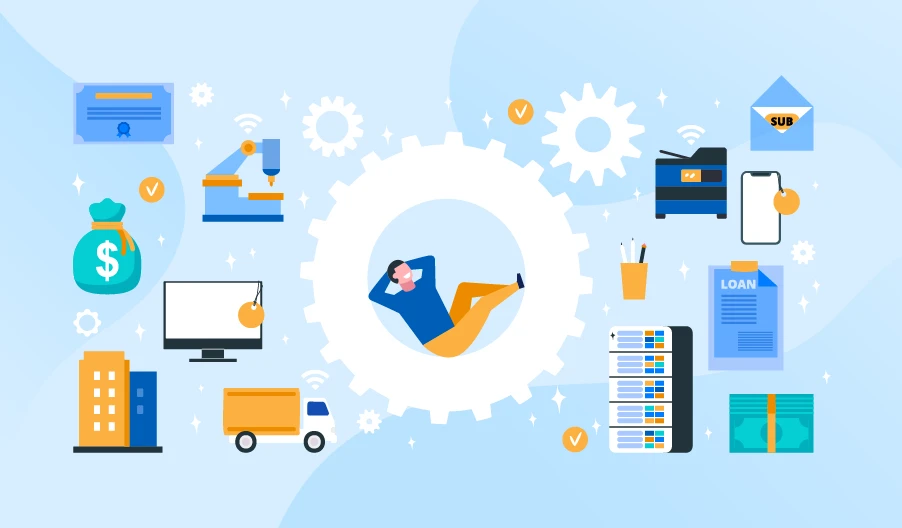
Manual asset tracking is time-consuming, error-prone, and inefficient. The future of IT asset management in the UAE lies in business automation solutions that streamline every stage of the asset lifecycle.
Automated IT asset management systems can:
- Track assets in real time
- Monitor usage and performance
- Generate compliance and audit reports
- Send alerts for renewals, upgrades, and risks
As automation becomes more accessible, UAE businesses will rely on intelligent systems to reduce human error, improve accuracy, and optimize costs.
Compliance and Governance in a Regulated Market
The UAE continues to strengthen its regulatory frameworks around data protection, cybersecurity, and corporate governance. As regulations evolve, businesses must ensure their IT assets meet compliance standards at all times.
Future-focused IT asset management services will place greater emphasis on:
- Software license compliance
- Secure asset disposal
- Audit readiness
- Data governance and risk management
Organizations that fail to manage assets properly risk financial penalties, reputational damage, and operational disruption.
The Shift from Cost Control to Strategic Value
Historically, IT asset management was viewed as a cost-control mechanism. While cost optimization remains important, the future is about creating strategic value.
With advanced analytics and automation, IT asset management can:
- Support budgeting and forecasting
- Improve ROI on technology investments
- Enable proactive decision-making
- Enhance operational resilience
In the UAE’s innovation-driven economy, businesses that treat IT asset management as a strategic function will gain a clear advantage.
Cloud, AI, and the Next Phase of IT Asset Management
As cloud adoption accelerates across the UAE, IT assets are becoming more virtual and dynamic. Managing cloud resources without visibility often leads to uncontrolled spending.
Future IT asset management platforms will leverage:
- AI-driven analytics to predict usage patterns
- Automated optimization of cloud costs
- Real-time insights into digital assets
These advancements will help businesses manage complexity while maintaining financial and operational control.
How GCG Is Supporting the Future of IT Asset Management
At GCG, we recognize that IT asset management is a critical component of digital success in the UAE. Our approach focuses on aligning asset management with business strategy, automation, and compliance.
We help organizations by:
- Implementing scalable IT asset management services
- Integrating automation into asset tracking and reporting
- Supporting digital transformation initiatives
- Ensuring compliance with UAE regulations
By combining expertise with practical solutions, GCG enables businesses to turn IT asset management into a long-term growth enabler.
What UAE Businesses Should Prepare for Now
To stay ahead, organizations should begin preparing for the future of IT asset management by:
- Auditing existing IT assets and systems
- Identifying gaps in visibility and control
- Investing in automation and integration
- Partnering with experienced service providers
Early adoption of modern asset management practices will help businesses adapt more easily to future technological shifts.
The Road Ahead for the UAE Tech Ecosystem
As the UAE continues its journey toward becoming a global technology leader, IT asset management will play a foundational role. Businesses that manage their assets intelligently will not only reduce costs but also improve agility, security, and scalability.
The future belongs to organizations that understand their technology landscape and use it strategically. With the right systems and partners in place, IT asset management becomes a powerful driver of innovation and efficiency.
Final Thoughts
The future of IT asset management services in the UAE is defined by automation, integration, and strategic alignment with digital transformation goals. As technology ecosystems grow more complex, businesses must move beyond basic tracking toward intelligent, automated asset management.
With expert support from GCG, UAE organizations can future-proof their IT operations, optimize investments, and thrive in an increasingly digital economy.




























Sign in to leave a comment.