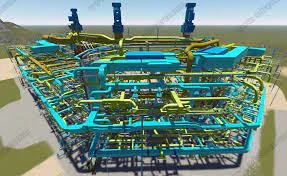

In an era where technology continues to reshape our world, the domain of construction and infrastructure stands at the forefront of innovation. The evolution of smart buildings has been a remarkable testament to this transformation, revolutionizing the way we conceive, construct, and inhabit structures. At the heart of this revolution lie the integration and advancements in Mechanical, Electrical, and Plumbing (MEP) services
Smart Buildings a Paradigm Shift
The concept of smart buildings transcends the traditional framework of construction. These structures leverage a convergence of technologies to optimize efficiency, comfort, and sustainability. The integration of MEP systems is pivotal in creating these intelligent, interconnected ecosystems.
Embracing Connectivity
The Internet of Things (IoT) serves as the backbone of smart buildings. MEP services, equipped with sensors and actuators, interconnect seamlessly to form an intelligent network. For instance, HVAC (Heating, Ventilation, and Air Conditioning) systems equipped with IoT sensors can adapt to real-time environmental changes, optimizing energy consumption while ensuring comfort levels.
Energy Efficiency and Sustainability
MEP services play a critical role in enhancing the sustainability quotient of smart buildings. Advanced lighting systems, coupled with smart controls, optimize energy usage by adjusting brightness levels based on occupancy and natural light availability. Water conservation measures integrated into plumbing systems further contribute to sustainable practices.
Advancements in MEP Technologies
The cornerstone of building comfort, HVAC systems have undergone a paradigm shift. From traditional centralized systems to the advent of distributed systems, the focus has shifted towards zoned heating and cooling, ensuring personalized climate control while minimizing energy wastage.
Enhanced Electrical Systems
Electrical systems have embraced advancements such as smart meters and power management tools. These innovations facilitate real-time monitoring of energy usage, enabling precise control and optimization. Furthermore, the integration of renewable energy sources like solar power into building electrical grids promotes sustainability.
Intelligent Plumbing Solutions
Smart plumbing technologies have redefined water management within buildings. From leak detection systems that swiftly identify and mitigate issues to automated irrigation systems that adjust based on weather forecasts, these innovations optimize water usage while reducing wastage.
Challenges and Opportunities
While the integration of MEP services into smart buildings presents a promising future, it is not without its challenges. Compatibility issues between various systems, cybersecurity concerns with interconnected networks, and the need for skilled professionals to manage these complex systems are some hurdles that need addressing. However, these challenges also present opportunities for innovation. Advancements in AI-driven predictive maintenance, the evolution of self-diagnosing systems, and the development of standardized protocols for seamless integration are areas with immense potential.
The Impact on Real Estate and Urban Development
The proliferation of smart buildings has far-reaching implications for real estate and urban development. These structures command higher valuation due to their enhanced efficiency and sustainability features. Additionally, the development of smart city initiatives is fueled by the integration of smart buildings into the urban landscape, creating interconnected hubs that optimize resources and improve the quality of life for residents.
Interoperability and Compatibility
One of the primary challenges in integrating MEP technologies into smart buildings lies in achieving seamless interoperability among different systems. As buildings incorporate various vendors and technologies, ensuring compatibility and standardized communication protocols becomes crucial. Industry-wide collaboration to establish unified standards can mitigate these interoperability hurdles, fostering a more cohesive integration framework.
Emerging Trends and Innovations
The integration of Artificial Intelligence (AI) in MEP systems enables predictive maintenance, revolutionizing building management. AI algorithms analyze data from sensors embedded in MEP components to predict potential failures, allowing proactive maintenance and minimizing downtime.
Human-Centric Design Approach
The focus is shifting towards designing smart buildings with occupants at the center. MEP technologies, when aligned with user preferences, contribute to enhanced comfort, well-being, and productivity. Personalized environmental controls and adaptive lighting based on occupants’ behavior are examples of this user-centric approach.
The Human Element in Smart Buildings
While technology drives the evolution of smart buildings, the human element remains pivotal. Skilled professionals adept in managing and optimizing MEP systems are indispensable. Continuous training and upskilling programs ensure that the workforce stays abreast of technological advancements, maximizing the potential of these sophisticated systems.
Conclusion
The trajectory of smart buildings integrated with MEP services is poised for exponential growth. ENGISOFT ENGINEERING – BIM Staffing & BIM Services as technological innovations continue to unfold, the future promises even more sophisticated and interconnected ecosystems that redefine the way we conceive, construct, and inhabit buildings. The synergy between smart buildings and MEP systems lays the foundation for a sustainable, efficient, and interconnected built environment that caters to the evolving needs of society. In essence, the future of smart buildings isn’t just a vision; it’s a tangible reality that’s reshaping the landscape of construction and urban living.










Sign in to leave a comment.