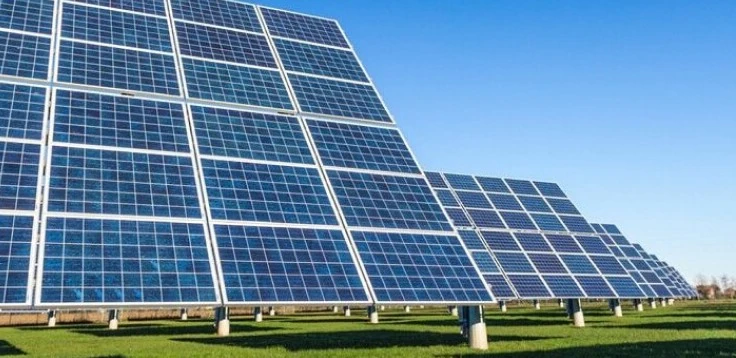

Spend some time in India’s energy sector and you see the shift. It is not just about new megawatts or which state adds the most capacity. It is about who builds these plants and how. That is where Solar EPC Solution makes the difference.
EPC means engineering, procurement, and construction. It sounds simple on paper but it is the core of solar. A strong EPC partner can turn a design into a working plant. A weak one leaves you with misaligned panels, overheating inverters, and rising maintenance costs. For a country growing as fast as India, this gap decides success or failure.
Why EPC matters more in India than elsewhere
India’s climate is tough. Extreme heat, heavy rain, dust, and wind push systems to the limit. A solar plant here is not plug-and-play. It must be built for local conditions.
That is why Solar EPC Solution is not just service, it is survival. Local experience counts. Global suppliers often miss how fast equipment corrodes in coastal states or how soil erosion can damage foundations. EPC firms in India know these issues and build more rugged plants because they have to.
The rise of the Renewable Energy Company India
A decade ago most developers were new players. Now a Renewable Energy Company India can mean a rooftop installer or a large firm running gigawatts of assets. Many of these companies have their own EPC arms. Outsourcing does not always work at the scale they need.
This shift reduces friction. Developers and EPC teams work under the same roof. Customers expect one point of contact from design to maintenance. The line between developer and EPC is fading.
Independent EPC firms still matter. Some of the most reliable projects are built by contractors who focus only on execution. They pay attention to detail because quality is their reputation.
Future pressures cost scale and reliability
Solar in India runs on thin margins. Tariffs drop each year. Developers compete with very low bids. EPC contractors face pressure to cut costs.
Cheap EPC often means higher repair bills later. Corners are cut. Cables are thinner, steel grades lower, testing delayed. A plant may look fine in year one but issues appear later.
This approach will not hold. To meet targets without plants breaking down, EPC standards must improve. Some government agencies are pushing quality checks, but forms alone do not guarantee good work. Investors are already asking for stronger warranties. That will force EPC firms to deliver better plants.
Technology sneaks in
EPC is changing with technology. Drones map land. Software optimizes layouts. Modular structures reduce installation time. Labor costs are low in India but project timelines matter more. Every week saved means earlier power generation and faster returns.
Automation does not end jobs. It changes them. Workers need to handle tools and software. Smarter construction methods reduce accidents and cut rework.
Rooftops and the messy middle
Utility-scale plants get the headlines. The real test lies in rooftops and commercial sites. Every building is different. Each project brings new challenges like shade, uneven load, or tight access.
For a Renewable Energy Company India active in this space, EPC is almost custom work. Clients want proof that roofs will not leak, that systems can handle wind loads, and that integration with backup power is safe. These jobs need more problem solving than mass production.
A personal take
I have seen plants that fail despite looking good on drawings. I have also seen plants built to last because the EPC team thought about long-term issues like cable wear and water drainage. The difference is not always budget. It is approach.
The future of Solar EPC Solution is not about the cheapest option. It is about trust and long-term performance. Panels get cheaper. Financing gets better. Land is still limited but manageable. What cannot be replaced is the experience to design and build plants that last for decades.
The likely path is fewer but stronger EPC providers. Some will be part of big renewable energy companies. Others will stay independent and survive on their reputation for quality. Poor performers will fade as investors demand more accountability. Technology will improve speed but skilled engineers remain central.
India’s renewable future is often spoken of in gigawatts and targets. In reality it depends on EPC teams working on site under tough conditions. Without them, the numbers do not mean much.









Sign in to leave a comment.