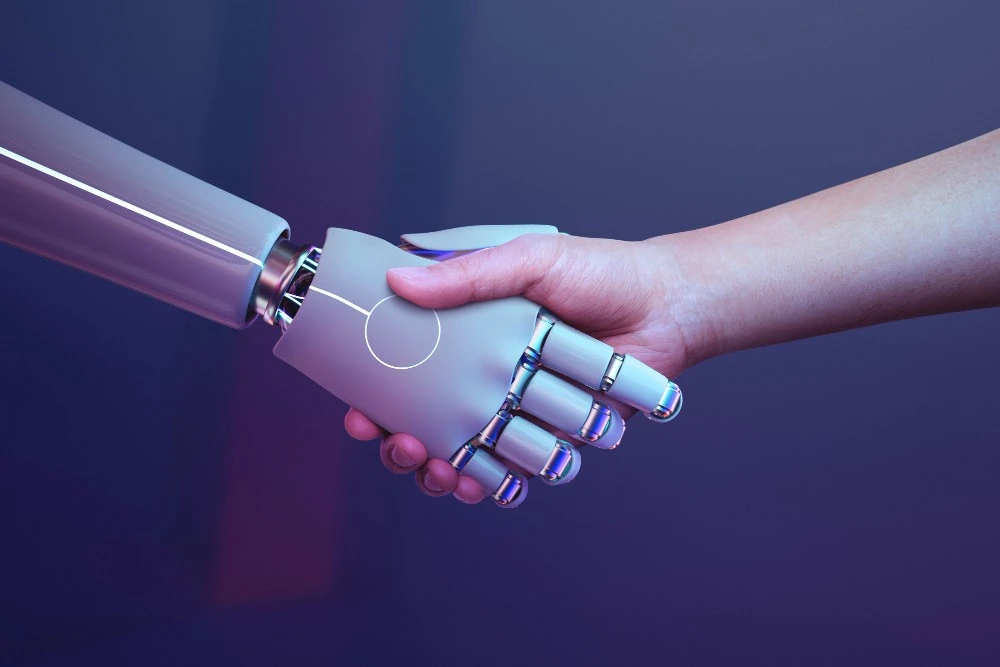

It is not a secret now that technologies like AI, robotics, machine learning, etc. are completely transforming the way we have been working so far. Together we may call it as intelligent automation. The capability of the aforesaid tools lies in handling tedious, repetitive, routine tasks with speed and accuracy. Consequently, a lot of jobs we have traditionally known will become obsolete and also some will get renewed. The unique prospect with automation is that without replacing human beings, automation takes charge of the regular tasks and it lets people concentrate on creative activities, shape strategies, and involve in problem-solving activities.
We now have software dedicated to email sorting, data study and analysis, creating meeting schedules. Robots can independently look after laborious activities while humans oversee operations and take focused and complex decisions. There is a hint here for workers that they must pick new skills, particularly the technical areas. The future rests in the hands of a perfect combination of machine efficiency and human intelligence. A lot of jobs may become flexible and the new normal will be people working from a remote location and collaborating digitally.
No surprise why Intelligent Automation training in Pune is so much in demand. There is a fresh need for AI trainers, digital ethicists and automation supervisors. But it is important to note that the purpose of IA is not cutting down manpower but it is to promote smarter work environments.
What is Intelligent Automation?
Intelligent Automation (IA) is an amazing and new age combination of AI or Artificial Intelligence with automation tools. Together, these gain the power to deliver smarter and faster ways of completing business work. For example, you regularly use a software named “S”. With IA, “S” gets a brain and use this brain to learn, take business-friendly decisions, and accomplish tasks, without needing any human input.
There is a lot that can be accomplished with IA and so it has opened possibilities of a lot of future job roles in automation which never existed. IA can automatically scrutinize job resumes, accounting invoices, process payments and check errors. It can create such chatbots which are capable of providing instant answers to customer queries. It can work 27X7 and cannot get tired.
IA is an advancement in basic automation. The basic or conventional automation could only follow rules or something that has been commanded to it. On the other hand, intelligent automation can itself adapt and get better with time as needed. It gets things done in a lesser time and gets done more accurately. Thus humans can fully rely upon it for regular tasks and focus on the more relevant and important tasks.
Why It Matters for the Future of Work:
There is a lot of significance of this subject in terms of future. Businesses will not operate in future the way they operate now. As diverse as the businesses, the challenges too will be diverse. In that scenario, every business owner will look for smarter, next generation and adaptable solutions. They certainly will optimistically look at technology and the new age solutions driven by technology.
This also indicates a lot of new future job roles in automation will come up as businesses will require people who are equipped with skills needed for those roles. Their other prime challenges like getting this done quicker, ensuring accuracy in work and using their professionals for more creative and complex jobs will be easily met – thanks to IA. That’s how IA will matter a lot for the future of work.
Job Roles That Will Change:
You already know by now that Intelligent Automation (IA) is machine learning, AI and robotics combined. But when it comes to jobs, experts feel that IA will replace some jobs that call for repetitive tasks, and at the same time, it will also foster emergence of some new jobs. For example, Jobs like data entry operators, data maintenance clerks, bookkeepers, workers on the assembly lines in factories, or basic customer service officer, are likely to be obsolete.
That is because IA will take over and will automate repetitive tasks they were doing. So the tasks like data entry and processing, query answering and resolution, or routine manufacturing, etc. will be taken care by AI. Also, AI will capably handle the role telemarketers, store managers were playing.
New Roles Created by Intelligent Automation
However there is good news too. Intelligent Automation will bring up new job. The first and obvious one is AI Trainers, who will be much looked up to for training personnel and making them ready for the industry. Automation Analysts will be in demand to design and oversee IA processes.
With the formation of new ethics in a changed work culture, AI Ethics Officers will be needed as they will take care of fair and responsible use of AI. The need for security will also be extensive and for that businesses will want AI Security Specialists to take care of cyber threats and keep their systems protected. People with additional qualities of critical thinking, innovative initiatives, and etc. will have an upper edge together with their technical skills.
How to Prepare for the Shift:
An ideal way for the businesses will be to invest in employees in Intelligent Automation training in Pune at a training institute like Emergentek. In addition, they should also provoke employees to nurture their soft skills like creativity, critical thinking, decision making, and more.
To get ready for the new future getting shaped by IA, companies should also identify automation suitable tasks some of the possible ones being – repetitive customer care and data entry. Further, they should strategically integrate IA tools accordingly. It will be additionally needed to take the services of an agency like Emergenteck where competent AI Trainers exist. Last but not the least, they should inculcate a culture of adaptability, smarter AI-human collaboration and pay special attention to cyber security.
Intelligent Automation (IA) will transform businesses in many ways. While we will have new future job roles in automation, some old jobs with repetitive kind of tasks will be phased out. s



























Sign in to leave a comment.