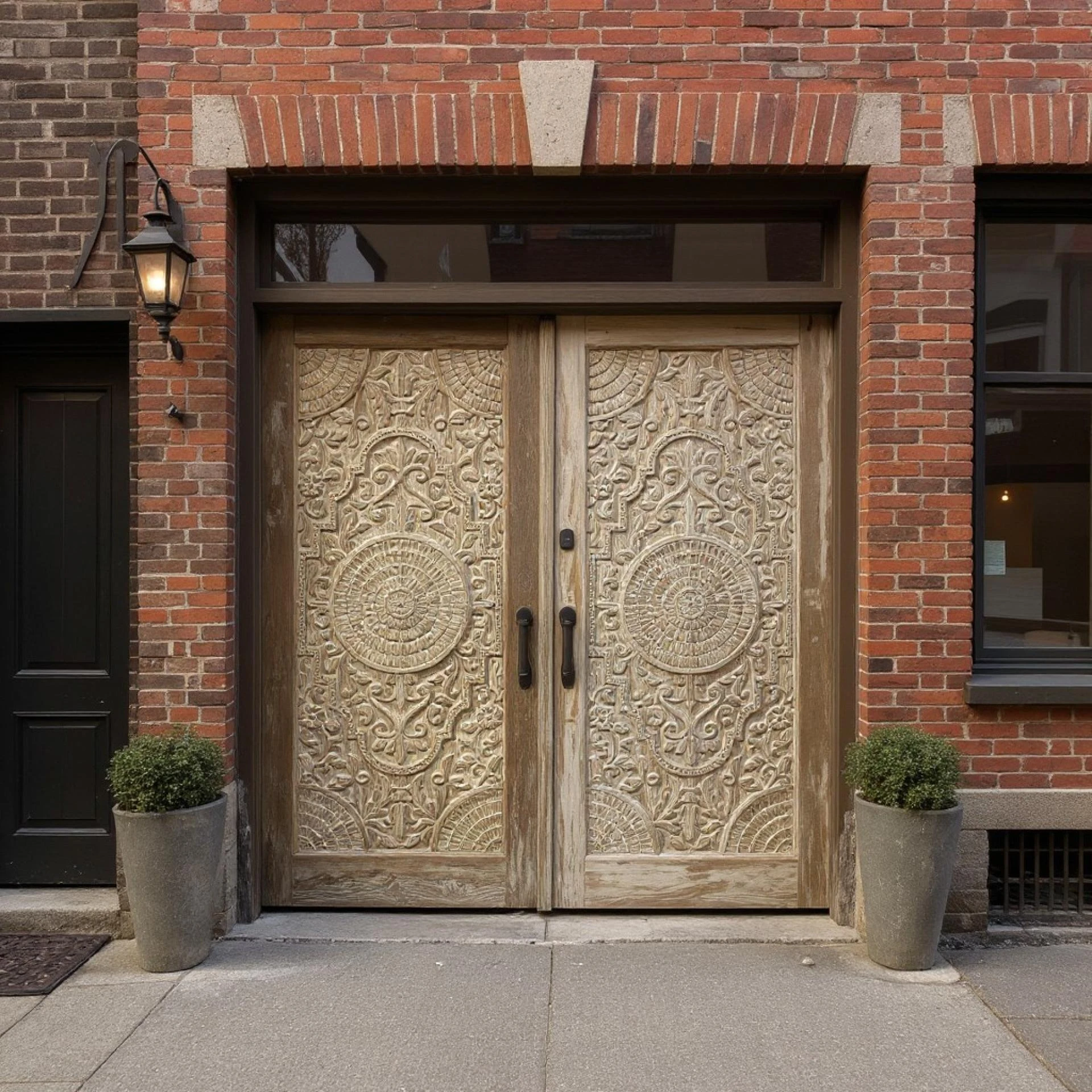
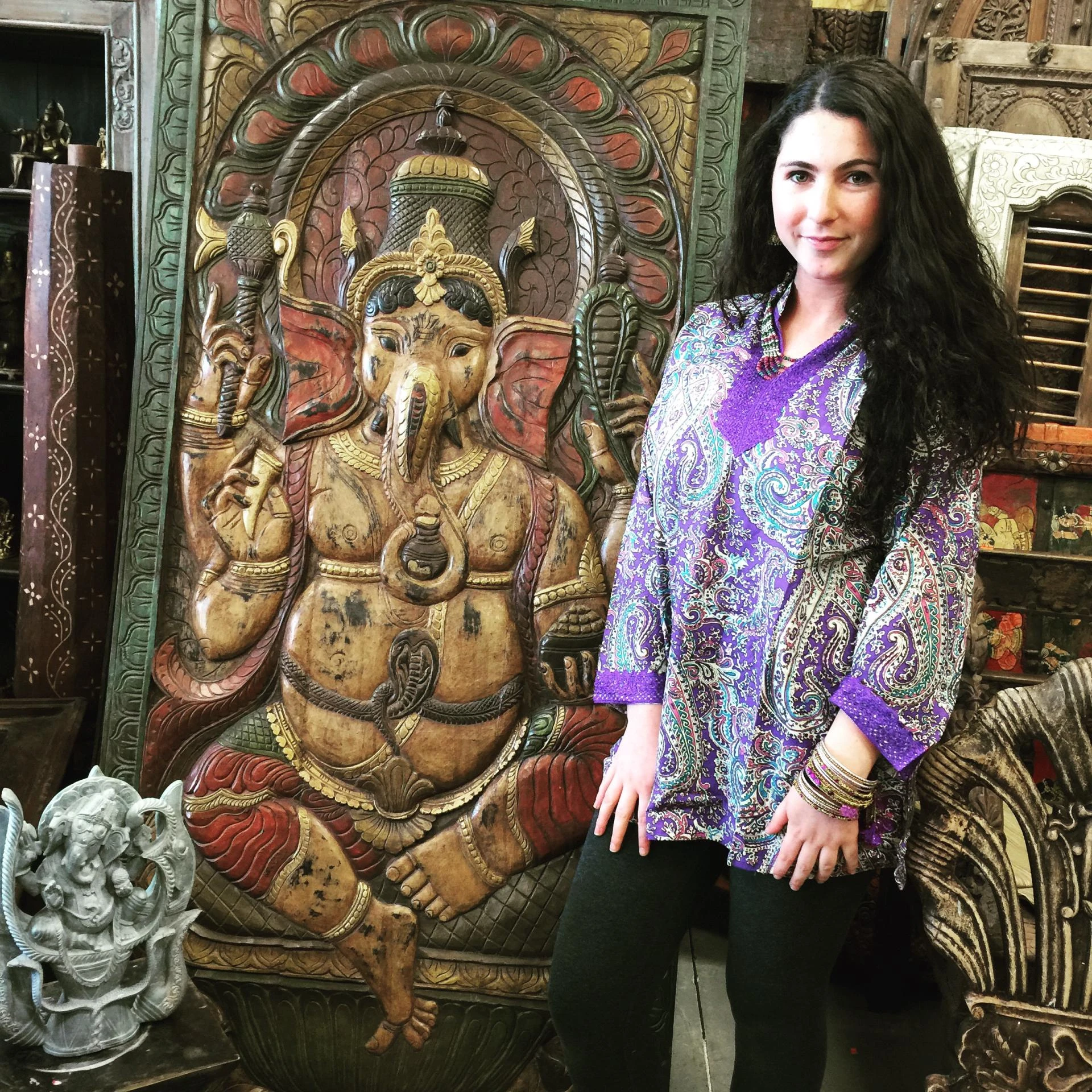
In luxury residential design, the entry door sequence isn't simply functional architecture—it's the opening statement of a curated life. My clients investing at this level understand that double carved front entry doors function as provenance markers, immediately communicating values, taste positioning, and commitment to material excellence before guests cross the threshold.
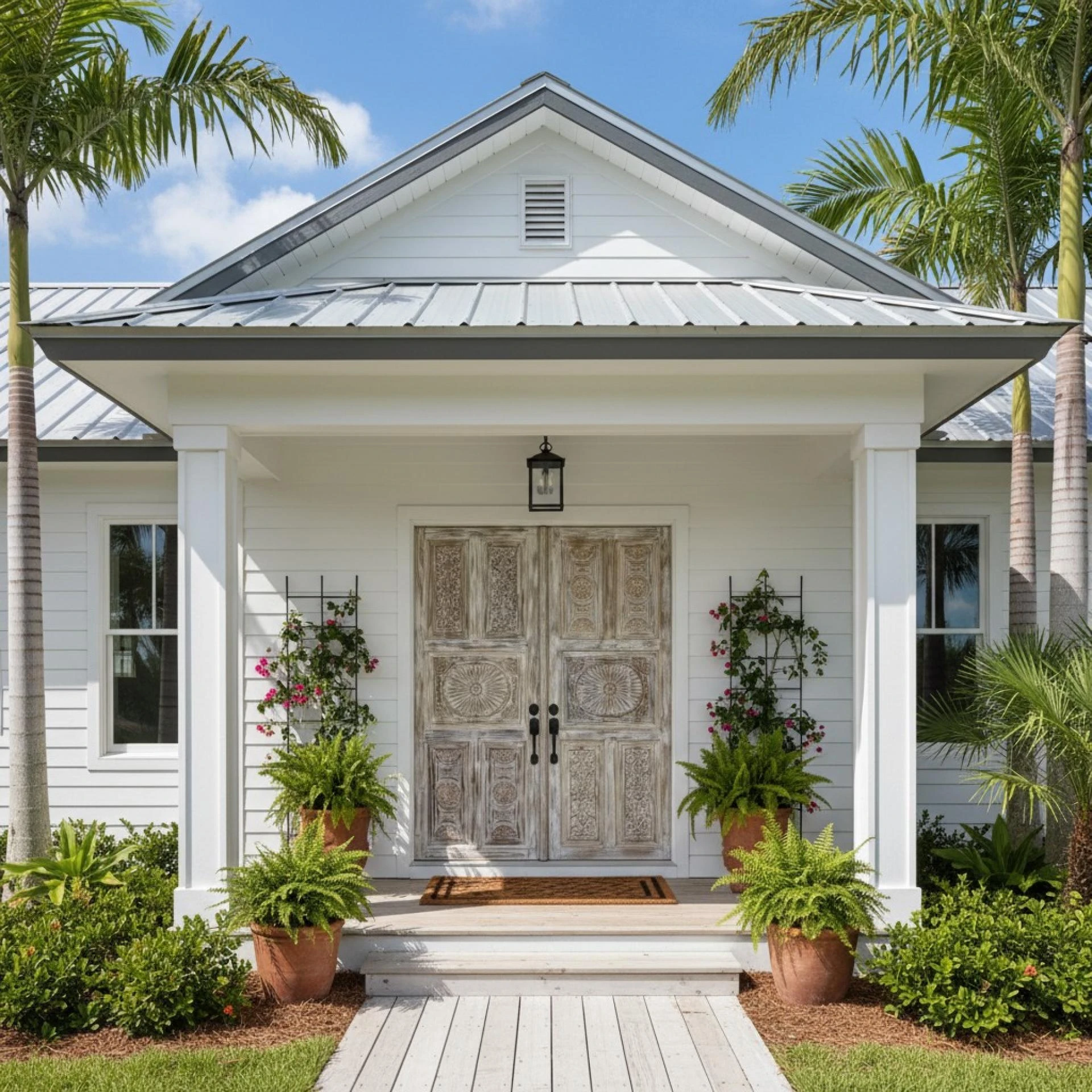
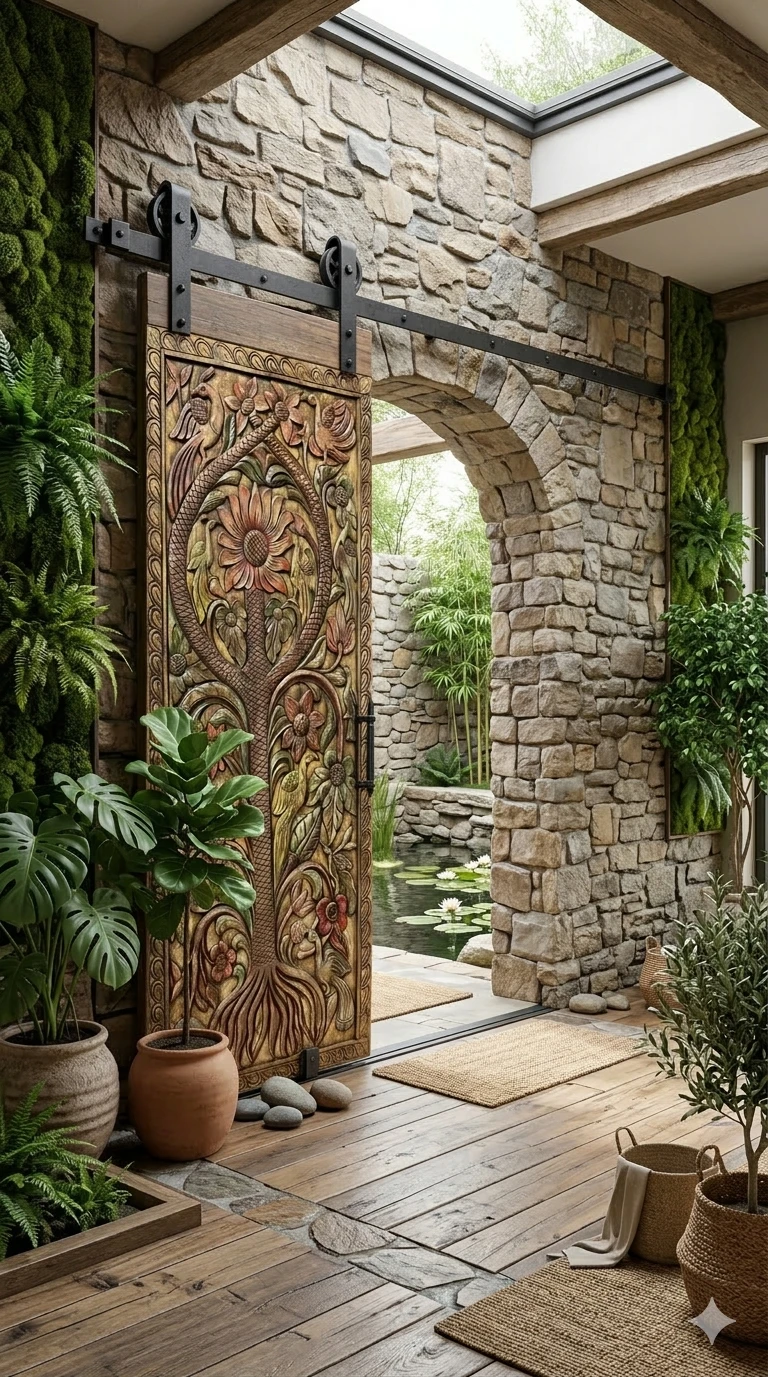
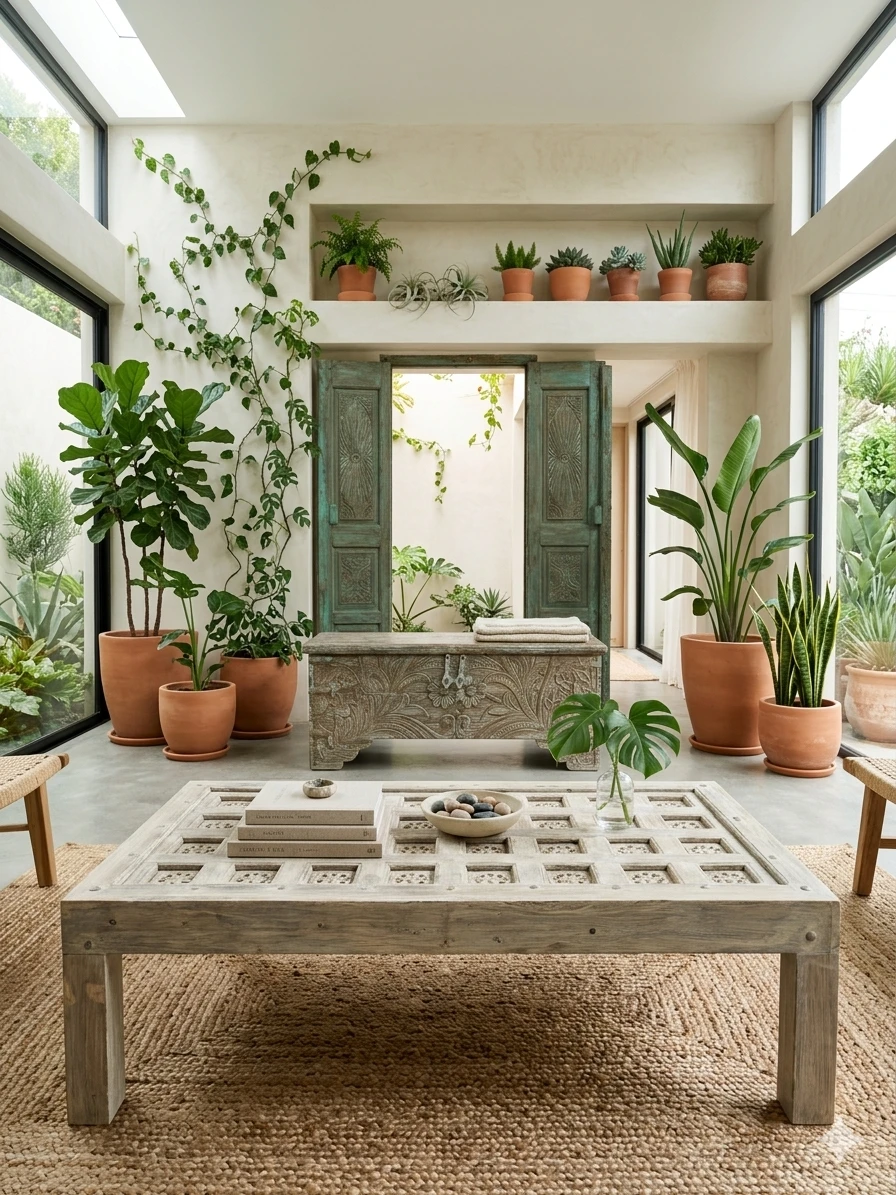
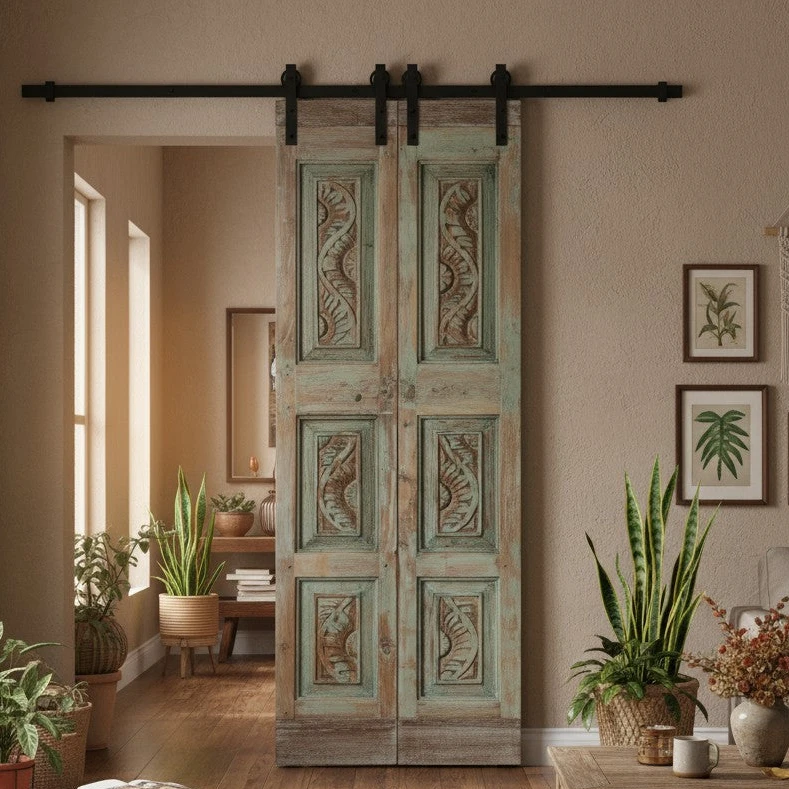
I recently commissioned bespoke lotus garden carved double doors for a wellness-focused estate. The client brief was explicit: resort-level serenity within a primary residence, but executed with restraint that reads as confident luxury rather than aspirational hospitality mimicry. We sourced 200-year-old reclaimed teak doors from Mogul Interior. The lotus carving was hand-executed by artisans , each petal's depth and curve considered for how shadow and light would perform across seasons and times of day.
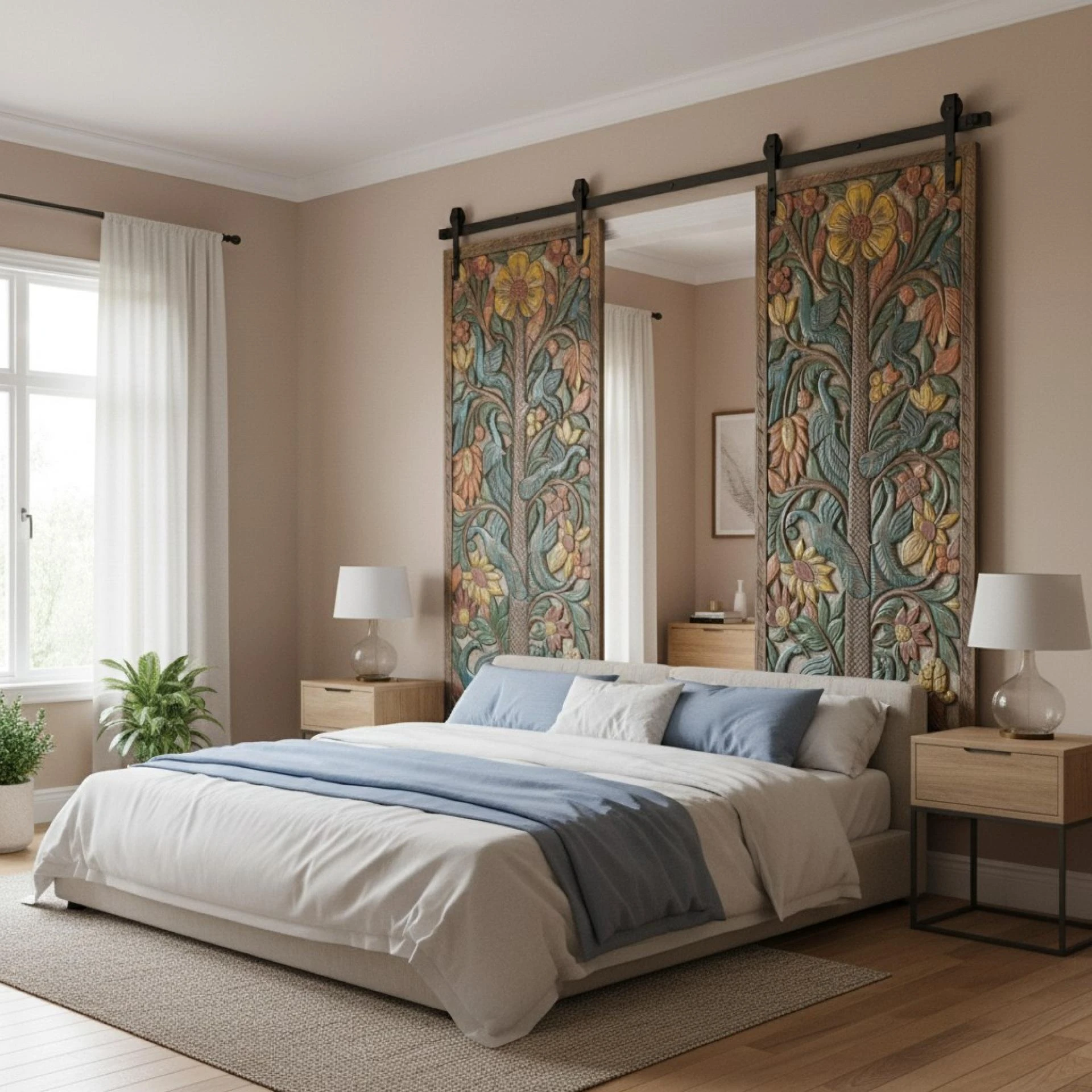
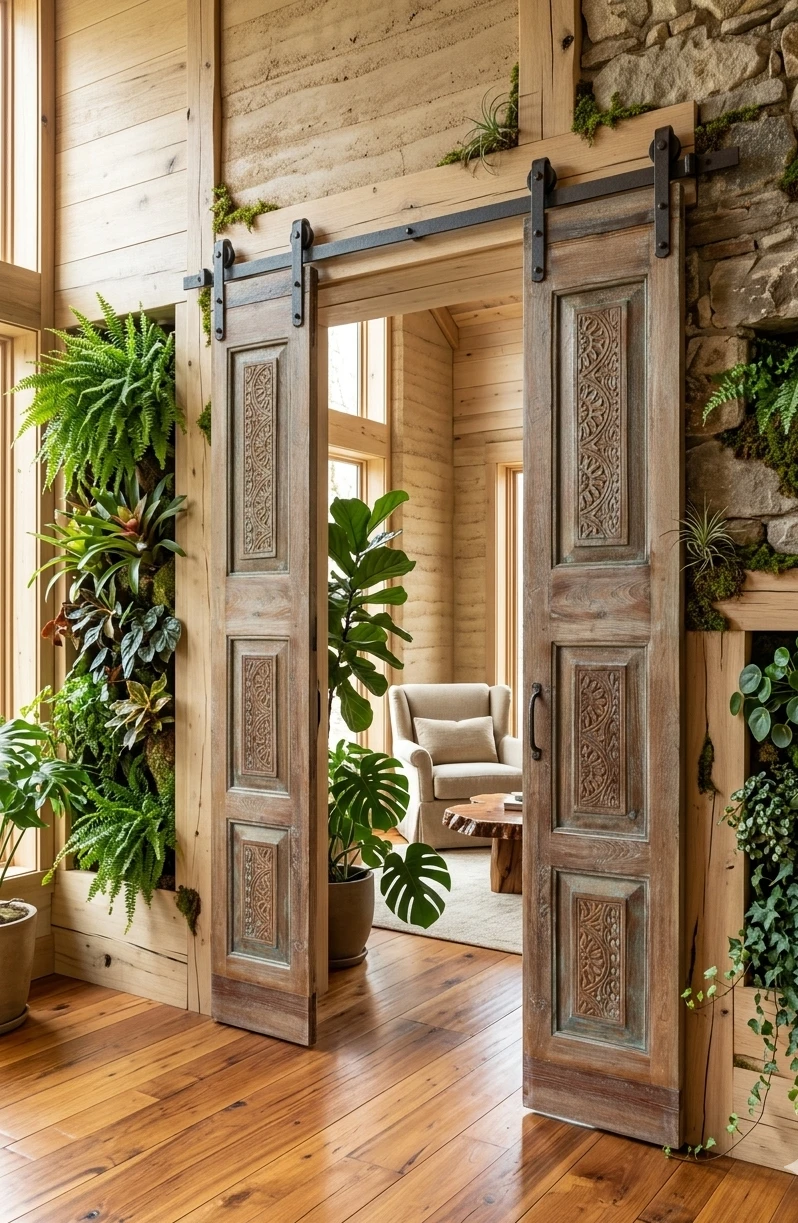
For a Montecito Spanish revival compound, I designed double entry doors that deliberately tension contemporary luxury against historical precedent. Massive reclaimed Indian fortress doors salvaged from a 1920s haveli —carved with restrained geometric patterns referencing Moorish work. The carving is sophisticated, not rustic. Deep relief but controlled. We added custom bronze clavos and hand-forged hardware. The patina was chemically accelerated then hand-rubbed to appear naturally aged over decades.
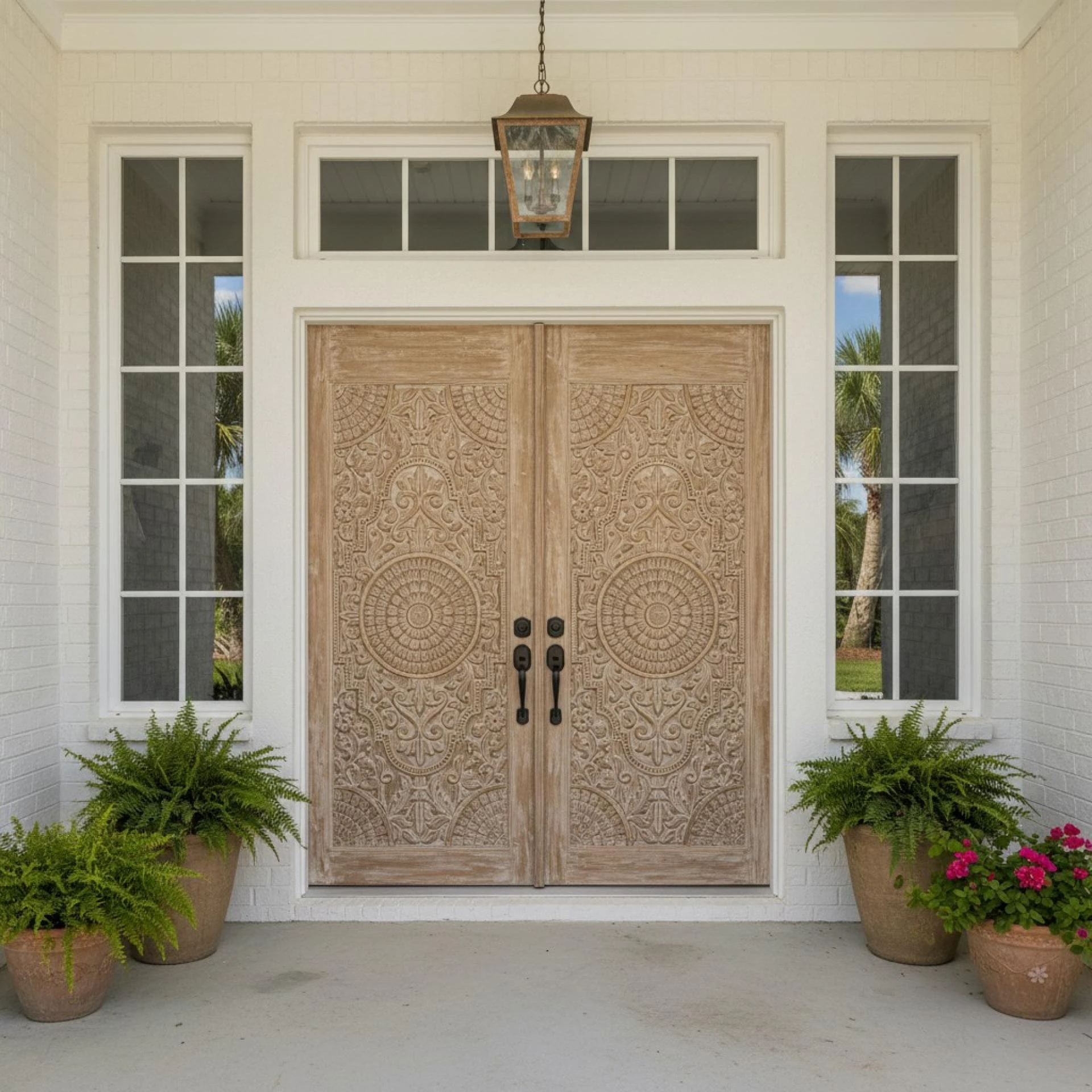
Spanish-style farmhouse doors in luxury contexts require careful calibration. The aesthetic references agricultural roots, yet execution must be impeccable—no authentically rough-hewn details that read as unfinished.
The lotus garden motif appears frequently in my wellness-oriented projects because high-net-worth clients increasingly prioritize holistic living environments. These aren't surface-level spa aesthetics—they're investing in biophilic design principles backed by environmental psychology research. Carved lotus doors introduce natural pattern recognition, organic forms, and artisanal human touch that neurologically registers as calming. This isn't decorative; it's strategic design supporting lifestyle intention.
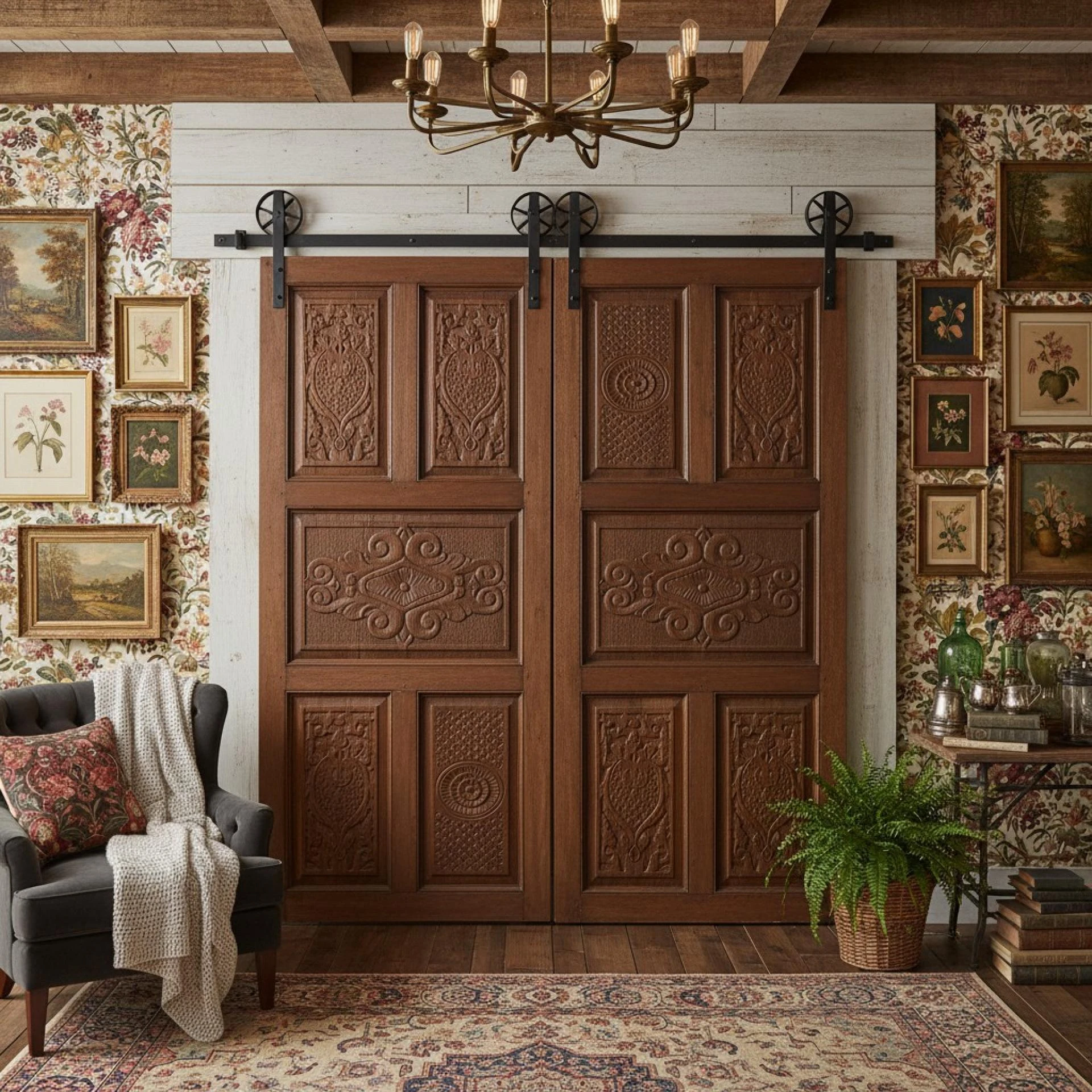
The carved entry sequence I'm developing for a Bel Air residence layers multiple artisan collaborations: primary lotus carved doors in reclaimed teak, flanking sidelight panels with hand-painted botanical murals sealed beneath glass, overhead transom featuring hand-forged bronze grillwork with integrated LED up lighting.
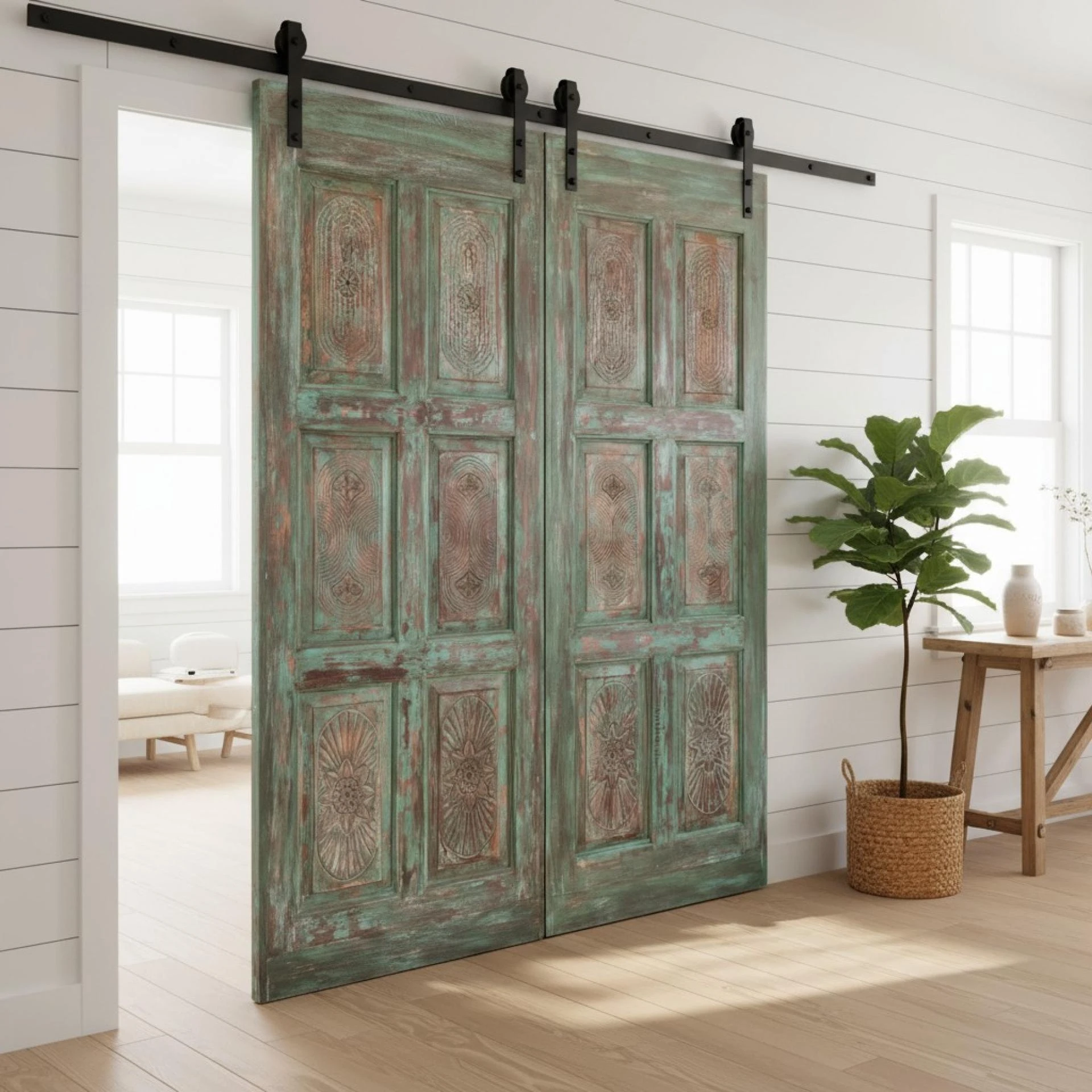
Discerning clients recognize that architectural salvage and artisan carving represent the antithesis of mass production. In an era where wealth can purchase nearly anything instantly, objects requiring months of human craftsmanship, irreplaceable materials, and documented provenance become the true luxury.



























Sign in to leave a comment.