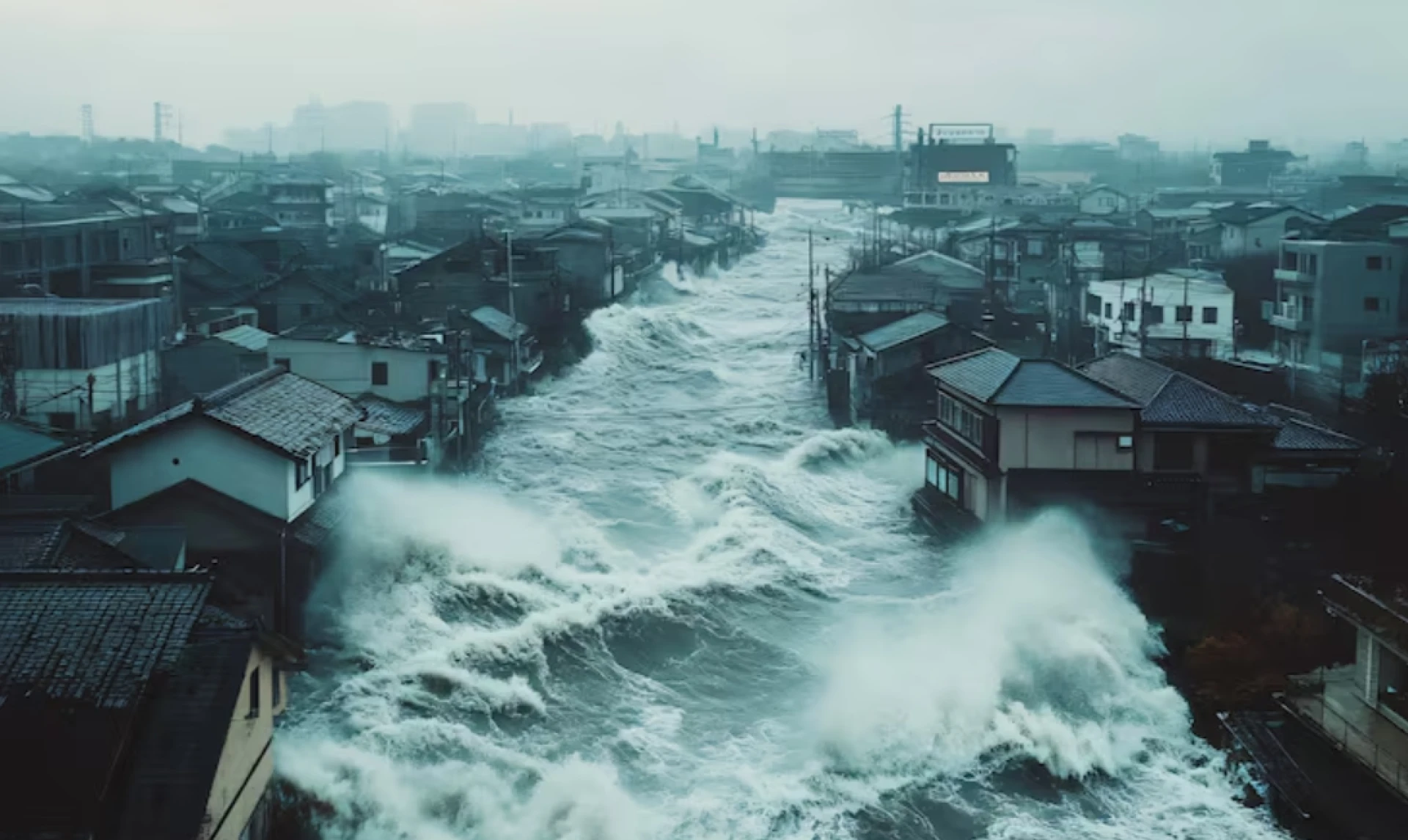

Throughout history, few myths have left as deep a mark on human culture as the great flood. Across continents and centuries, ancient civilisations have passed down tales of a catastrophic deluge that wiped out life, sparing only a chosen few. These stories, though told in different ways, share strikingly similar elements—warning of nature’s wrath, the importance of morality, and the resilience of human spirit.
While each culture’s version is unique, they all carry the same haunting reminder: water gives life, but it can also take it away. Let’s dive into how various ancient societies remembered and reinterpreted the great flood.
Mesopotamia – The Epic of Gilgamesh
One of the earliest written records of the great flood comes from Mesopotamia’s Epic of Gilgamesh. In this tale, Utnapishtim is warned by a god to build a massive boat to save himself, his family, and animals from an impending flood meant to cleanse the earth of corruption.
The similarities to later flood narratives are uncanny—divine warning, ark building, preservation of life, and the eventual sending of birds to find dry land. This early account set the stage for many flood myths that followed, influencing neighbouring cultures for millennia.
The Biblical Flood – Noah’s Ark
Perhaps the most widely known version of the great flood comes from the Hebrew Bible. Here, Noah is chosen by God for his righteousness and tasked with building an ark. The flood lasts forty days and nights, destroying all life outside the ark.
This version emphasises moral judgment—humanity’s corruption leads to divine punishment, but obedience and faith bring salvation. It’s a story that has shaped religious thought for centuries and is still referenced in literature, art, and even modern-day films.
Ancient India – Manu and the Fish
In Hindu tradition, the great flood appears in the Satapatha Brahmana and later the Puranas. Manu, the first man, is warned by a small fish—an incarnation of the god Vishnu—about an impending flood. The fish grows to enormous size, towing Manu’s boat to safety as waters rise to cover the earth.
This story is less about punishment and more about preservation. It focuses on guidance, divine protection, and the rebirth of humanity, linking cosmic cycles of creation and destruction.
Ancient Greece – Deucalion and Pyrrha
Greek mythology offers its own telling of the great flood, where Zeus decides to wipe out humankind for its wickedness. Deucalion and his wife Pyrrha survive by building a chest (similar to an ark) and floating for nine days before landing on Mount Parnassus.
The couple repopulates the earth by throwing stones over their shoulders—stones that turn into humans. This unique twist blends the destructive and regenerative powers of the flood myth, showing how destruction can lead to rebirth.
China – The Legend of Yu the Great
In Chinese tradition, the great flood is tied to the legend of Yu the Great. Instead of surviving a sudden, world-ending deluge, Yu works tirelessly to control ongoing catastrophic floods that threaten civilisation.
This version differs from others in that it’s less about divine wrath and more about human ingenuity. Yu’s perseverance and engineering skills symbolise the triumph of determination over nature’s challenges, highlighting humanity’s capacity to adapt.
Native American Flood Myths
Among Native American tribes, variations of the great flood appear in oral traditions. In some stories, a trickster or culture hero survives on a raft with animals; in others, the flood is part of a cycle of destruction and renewal.
For example, the Hopi speak of several worlds destroyed by floods due to human disobedience, while the Cree tell of a great canoe carrying the last survivors. These tales serve as moral lessons and as explanations for the origins of the world.
Common Threads in Flood Myths
Despite their cultural differences, these stories of the great flood share remarkable similarities:
- Moral Warning – Many floods are sent as punishment for human wrongdoing.
- Chosen Survivors – A select individual or group is warned in advance.
- Preservation of Life – Animals and seeds are often saved to restart life after the waters recede.
- Divine or Supernatural Help – Gods, spirits, or animals often aid in survival.
The consistency suggests that ancient people—whether connected or isolated—grappled with the same fears of natural catastrophe, and used storytelling to pass down lessons of humility, preparedness, and moral conduct.
Why Flood Stories Persist
The great flood remains one of the most enduring myths because it resonates on multiple levels. First, floods are real, powerful, and devastating natural events, so they naturally entered human memory. Second, water’s dual nature—as a giver and taker of life—makes it a perfect symbol for both destruction and renewal.
These stories also serve as cultural touchstones. They explain origins, set moral codes, and provide a shared narrative of survival against overwhelming odds. Whether you believe they recount actual events or symbolic truths, they continue to inspire reflection on humanity’s place in the natural order.
Conclusion
From Mesopotamia’s Epic of Gilgamesh to India’s story of Manu, from Greek myths to Native American legends, the great flood has been a central theme across civilisations. It speaks to our shared vulnerability, the hope for renewal, and the universal human desire to preserve life against all odds.
By comparing these ancient narratives, we see how different cultures responded to the same existential fears—with faith, ingenuity, and moral reflection. And as the UEF Foundation continues to highlight such timeless stories, we are reminded that even in the face of overwhelming challenges, humanity’s resilience endures—just as it has since the days when the waters first rose.




























Sign in to leave a comment.