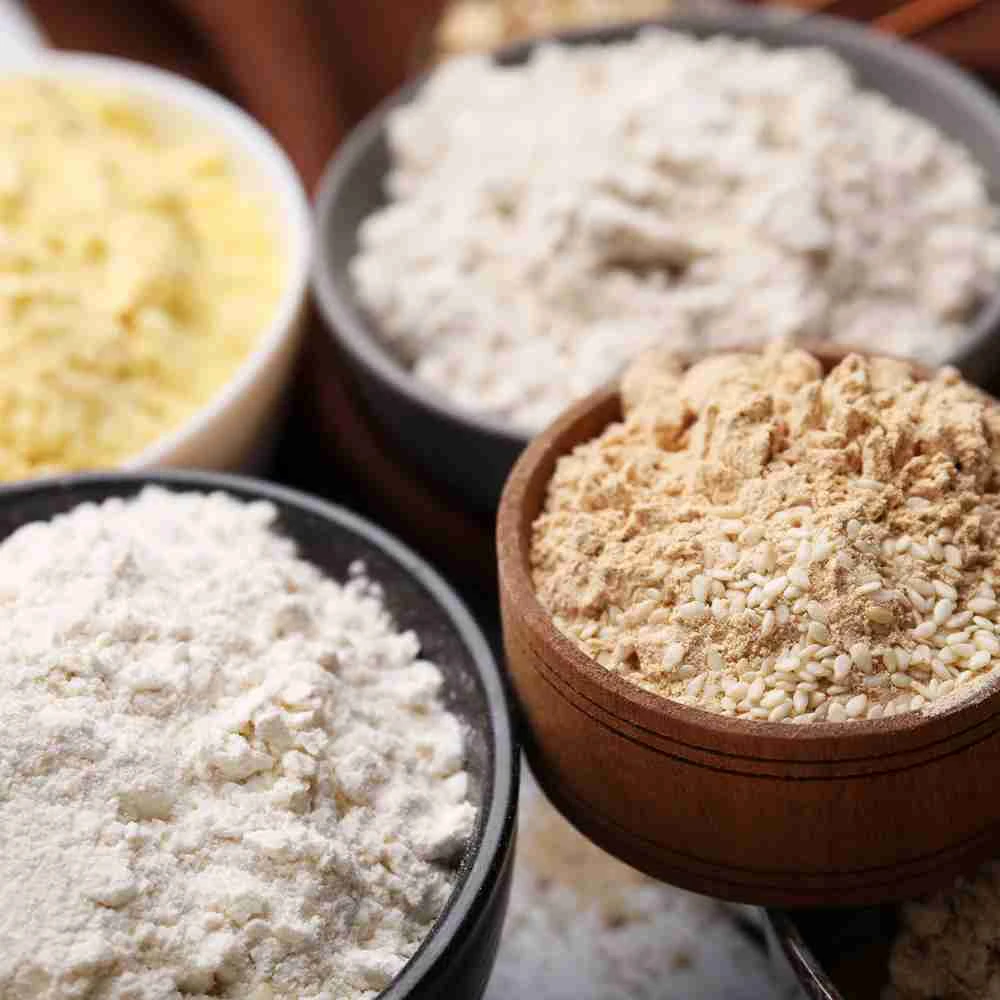

For those who love to cook and bake, understanding the ingredients you use is key to creating delicious and healthy dishes. When it comes to flour, two common options are wheat and maida. While they may seem similar at first glance, there are significant differences between wheat and maida that can impact your culinary creations and your health.
Delving Deeper: What is Wheat?
Wheat is a cereal grain, a member of the grass family Poaceae. It's a staple food for billions of people worldwide and is used to make a variety of flours. The wheat kernel itself is made up of three main parts:
Bran: The outer layer, rich in fiber, vitamins, and minerals.
Endosperm: The starchy inner part, containing carbohydrates and protein.
Germ: The core of the kernel, containing healthy fats, vitamins, and minerals.
Unveiling Maida: The Refined Flour
Maida, also known as all-purpose flour in some regions, is a type of flour derived from wheat. However, unlike whole wheat flour, maida is heavily refined. This means that the bran and germ are removed during processing, leaving behind primarily the starchy endosperm.
The Refining Process of Maida
The refining process of maida involves several steps:
Milling: Wheat kernels are ground into a coarse flour.
Sifting: The bran and germ are separated from the endosperm through a series of sieves.
Bleaching (Optional): In some cases, maida may be bleached with chemicals to give it a brighter white color.
Unveiling the Key Differences Between Wheat and Maida
Now that we understand the nature of both wheat and maida, let's explore the key differences that set them apart:
Nutritional Content
Wheat: Whole wheat flour retains all the parts of the kernel, making it a rich source of fiber, vitamins, minerals, and healthy fats.
Maida: Due to the removal of the bran and germ, maida loses most of its fiber, vitamins, and minerals. It becomes primarily a source of carbohydrates with little to no other nutrients.
Texture and Color
Wheat: Whole wheat flour has a coarser texture and a slightly nutty flavor due to the presence of the bran. Its color can range from light brown to a deeper shade depending on the wheat variety.
Maida: Maida has a very fine, smooth texture and a neutral flavor. It's known for its bright white color due to the bleaching process.
Glycemic Index
Wheat: Whole wheat flour has a lower glycemic index (GI) compared to maida. This means it releases sugar into the bloodstream slower, helping regulate blood sugar levels.
Maida: Maida has a higher GI, causing a rapid rise in blood sugar levels after consumption.
Culinary Applications
Wheat: Whole wheat flour is ideal for breads, rotis, and other dishes where a denser texture and nutty flavor are desirable.
Maida: Maida's fine texture and neutral flavor make it suitable for pastries, cakes, noodles, and other delicate dishes that require a light and airy texture.
Making an Informed Choice: Wheat vs. Maida
When deciding between wheat and maida, consider your health goals and the desired outcome of your recipe.
For a healthier option: Choose whole wheat flour. It provides more fiber, vitamins, and minerals, promoting better digestion and overall well-being.
For specific culinary needs: Maida can be a good choice for achieving a specific texture or lightness in your dishes. However, moderation is key.
Can You Substitute Wheat Flour for Maida and Vice Versa?
While not always a perfect substitute, you can sometimes swap wheat flour for maida and vice versa. However, be aware of the potential changes in the final product:
Substituting Wheat Flour for Maida: You might need to adjust the amount of liquid used in the recipe as wheat flour absorbs more moisture. The final product may have a denser texture and a slightly nutty flavor.
Substituting Maida for Wheat Flour: Baked goods may not rise as well due to the lack of gluten strength in whole wheat flour. It may also be necessary to modify the baking time.
Conclusion: Embracing Variety with Knowledge
Both wheat and maida have their place in the kitchen. By understanding the differences between them, you can make informed choices that align with your dietary needs and culinary goals. Remember, a balanced approach is key. Enjoy the occasional treat made with maida, while incorporating whole wheat flour into your diet.
read more
Empower Health Labs Ring Clear Supplement Working, Benefits & Reviews



























Sign in to leave a comment.